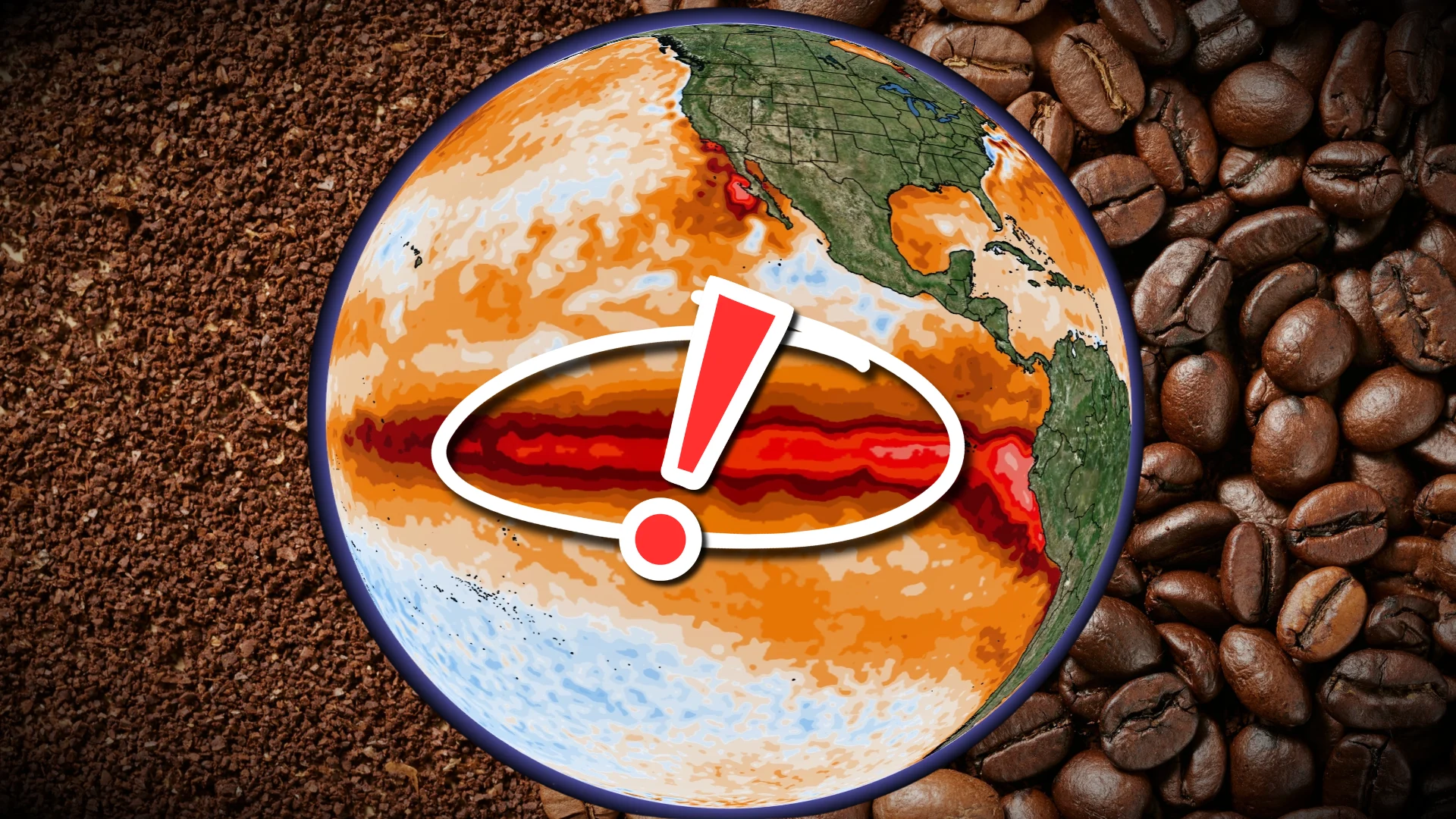
Coffee prices may rise as El Niño strains tropical regions

Below-average rains and above-seasonal temperatures may affect the world’s coffee bean supply over the next year
Coffee drinkers may not enjoy the intense El Niño brewing in the Pacific Ocean this winter.
The pattern is already bringing adverse weather conditions to regions critical to the world’s supply of coffee beans, potentially raising prices in the months ahead.
DON’T MISS: The Super El Niño that contributed to tens of millions of deaths
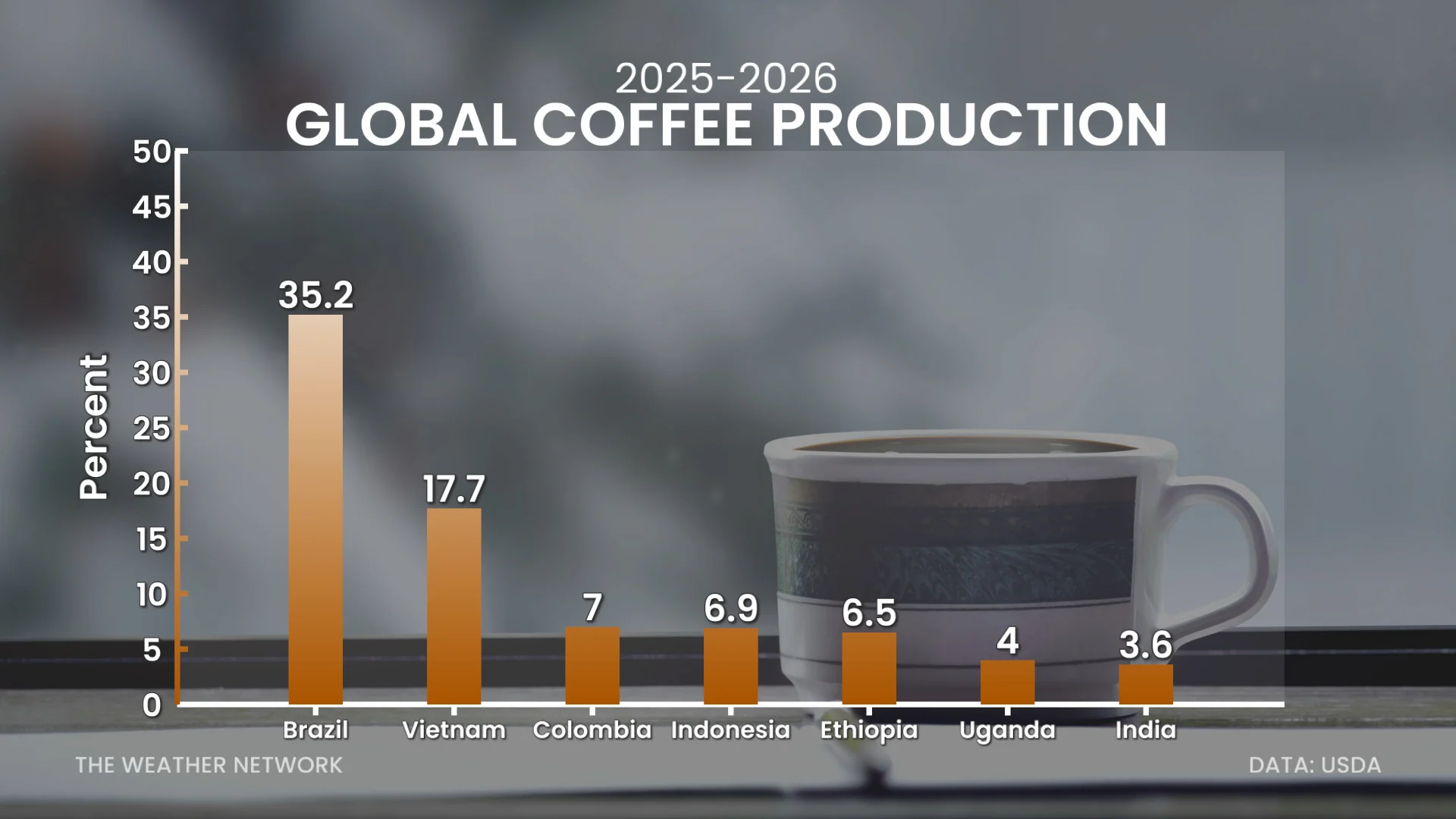
Almost all of the world’s coffee beans grow in the tropics.
Brazil produced more than 35 per cent of the global coffee supply in 2025-26, according to data from the U.S. Dept. of Agriculture. Vietnam holds the number-two spot with almost 18 per cent of the world’s coffee production, followed far behind by Colombia, Indonesia, and Ethiopia.
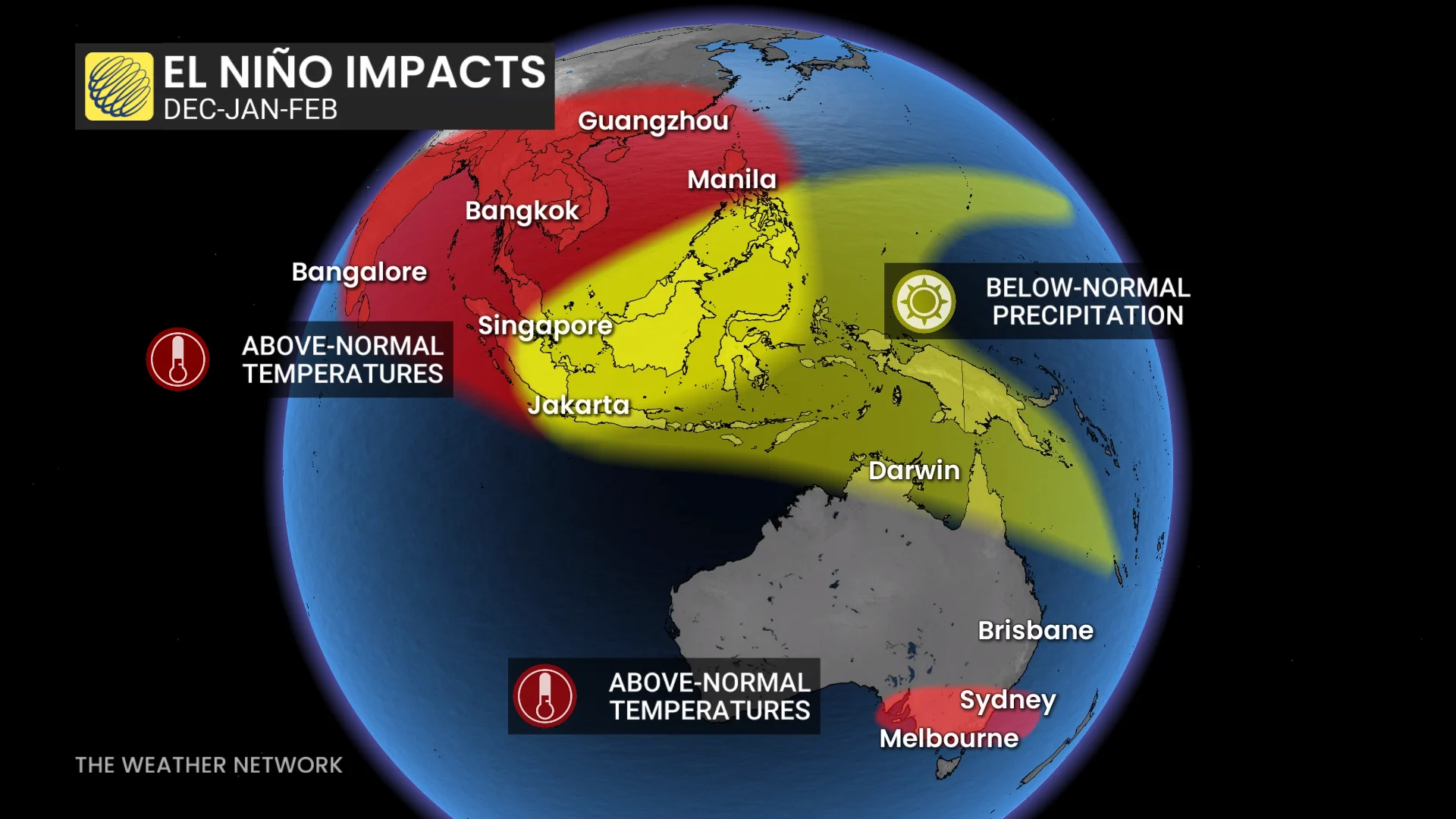
These regions also rank among the most heavily impacted by the effects of a strong El Niño.
We often think about El Niño’s impacts here at home in terms of snowfall and mild wintertime temperatures. But this pattern truly has global repercussions.
A strong El Niño often leads to below-normal precipitation and above-normal temperatures throughout much of the western Pacific and southeastern Asia. One of these events contributed to a terrible famine that struck this part of the world in the late 1870s.
Reuters reported in August that dry weather in southeastern Asia could affect both crop production and the harvest late in the year.
The report added that major coffee-growing regions in Brazil tend to experience warmer-than-normal temperatures, which could protect crops from winter’s chill but ultimately harm them once the seasons change. Warmer temperatures can degrade coffee bean quality.
Canadian coffee supplies come from a wide variety of global producers. Latin America produced the vast majority of the country’s coffee beans, StatsCAN found in 2023, with more than one-quarter of that supply coming from Colombia.
Folks across the country are big-time coffee drinkers. Hot beverages were a $4.5 billion market in Canada in 2024, with 64 per cent of those sales going toward caffeinated coffee alone.
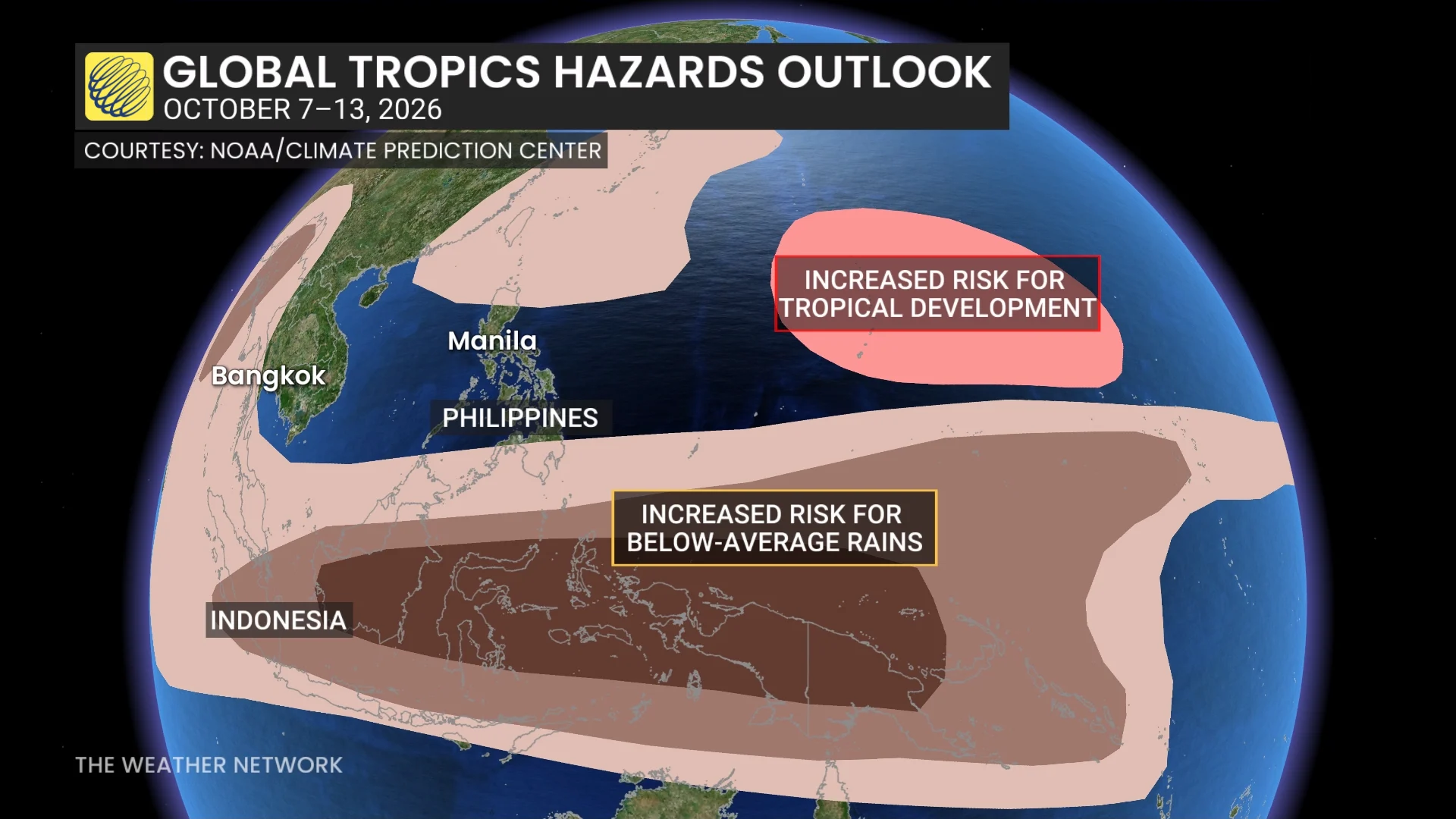
As for El Niño, the pattern’s influence isn’t off in the future--it’s happening now.
The latest global tropical hazards outlook from the U.S. Climate Prediction Center (CPC) shows a significant risk for below-average rains across Indonesia and Malaysia through mid-October. This pattern has been ongoing for several months. Significant wildfires continued to burn this weekend amid the parched conditions throughout Indonesia.