Why an El Niño winter is a health concern

A milder winter might sound appealing, but scientists warn of significant health risks associated with El Niño, especially when combined with climate change. We examine the increased dangers of flooding, waterborne diseases and tick-borne illnesses.
While a warm winter sounds nice, thanks to an El Niño, it comes with a dark side.
"For most of Canada, that is going to mean a milder winter. People hear that and their like, 'that’s fantastic.' But, a lot of health problems can come from the days where the temperature goes back and forth around zero [degrees Celsius]," said Dr. Maya R. Kalogirou, a registered nurse at the University of Alberta's College of Health Sciences.
Those issues could mean flooding for Ontario and Quebec and dry conditions on the Prairies, worsening wildfire season in the spring for the latter region. It also means less ice-covered roads for travel in the Far North.
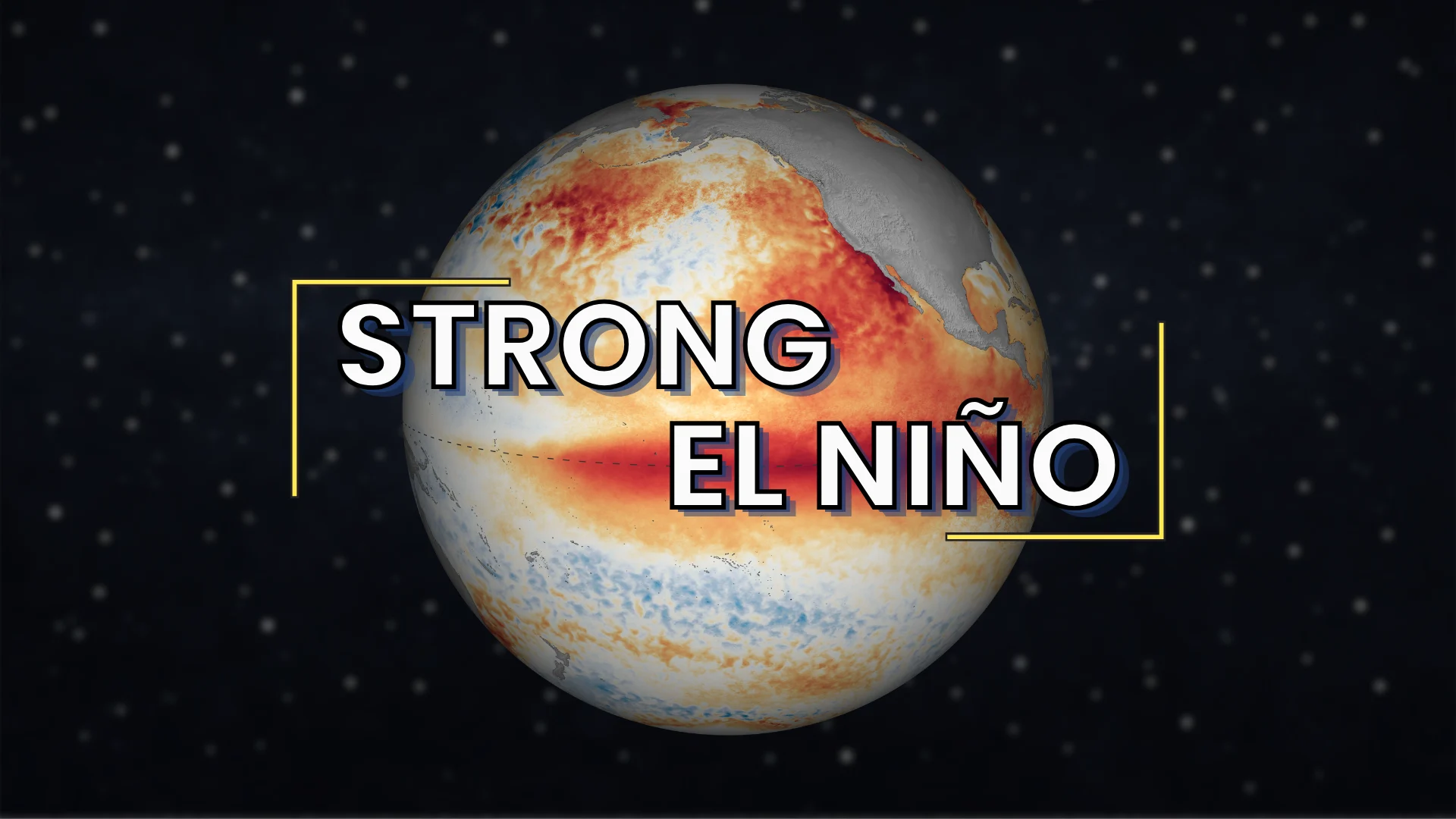
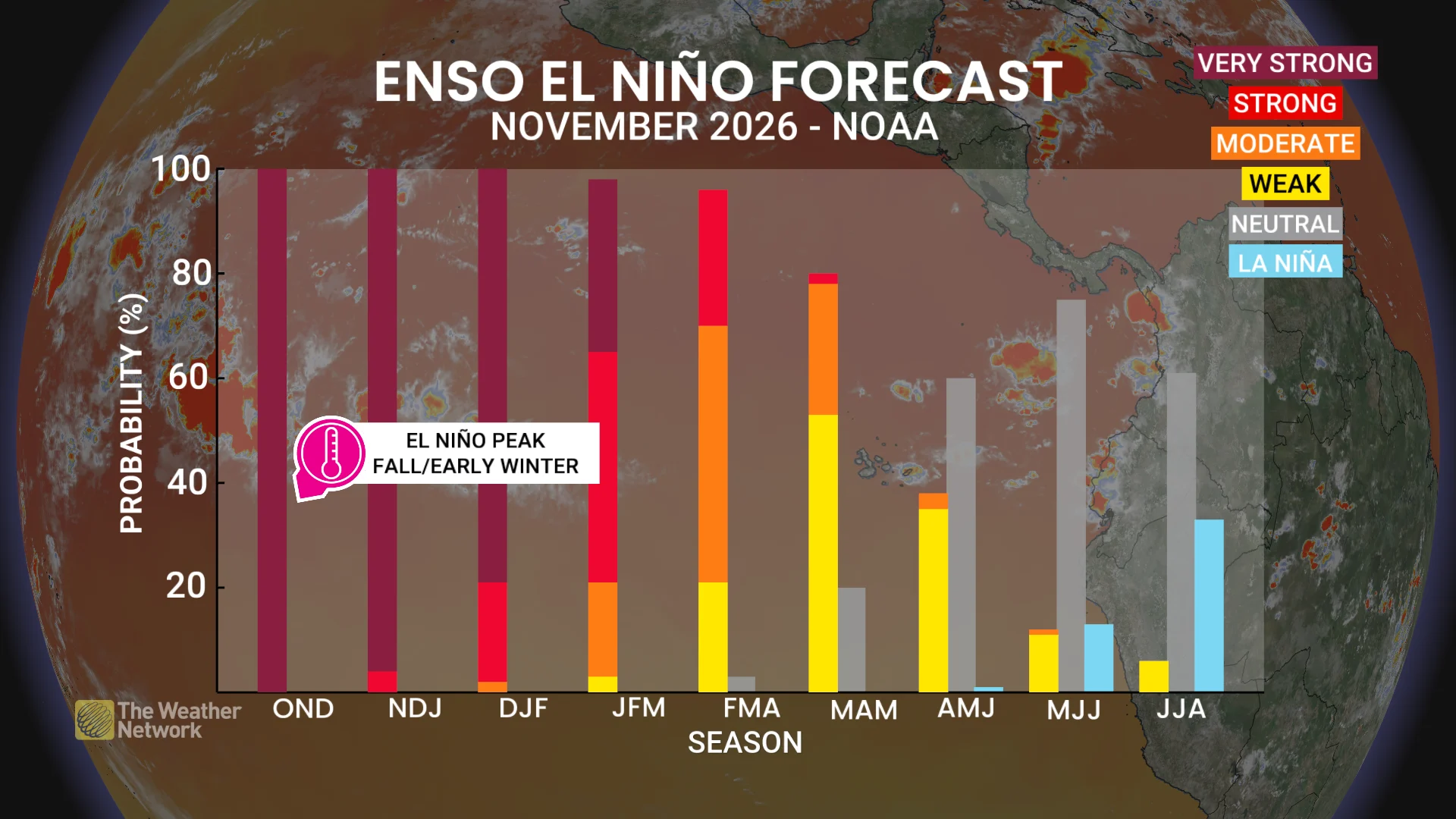
"It's a strong El Niño. It's riding on climate change. And all of that together is kind of like gasoline on a fire," said Kalogirou.
When we think of a winter bringing more ice and freezing rain, slips and falls can be life-changing for this population.
"Seniors are at highest risk of falls and injuries during this period," said Jane Barratt, a global expert on aging and ageism.
"In Toronto, there was a pretty big ice storm in 2013. Injury visits to the emergency department went up about a quarter compared to other years. Close to 100 people were treated for carbon monoxide poisoning, which is surprising," said Kalogirou.
"That means the risk comes inside the home, which means cold, dark houses can be just as dangerous as an icy sidewalk," said Barratt.

(Max Fuchs on Unsplash)
Now, picture a frozen ground with a big rainstorm coming. The ground can't absorb that. As the water floods, a new health issue arises.
"When researchers look back at waterborne disease outbreaks in Canada over 25 years, they found that extreme rainfall more than doubled the odds of an outbreak," said Kalogirou.
And that is what happened in Walkerton, Ont., in 2000--the worst water contamination in Canadian history.
"After a heavy rain, E. coli from farm manure got into the wells. The water was not properly treated and thousands of people got sick," said Kalogirou.

(Nathan Coleman/The Weather Network)
And the list doesn't stop here. Warmer winters give ticks the ability to live through the season and continue to spread disease.
"The Public Health Agency of Canada links the spread of ticks partly to climate change. Warmer winters are a big part of why they are moving farther north," said Kalogirou.
That’s just a small taste as to why scientists are not celebrating a super El Niño winter.
"In a way, a winter like this does sort of give us a preview of the kinds of winters that climate is going to bring more of if we keep trending in this direction," said Kalogirou.