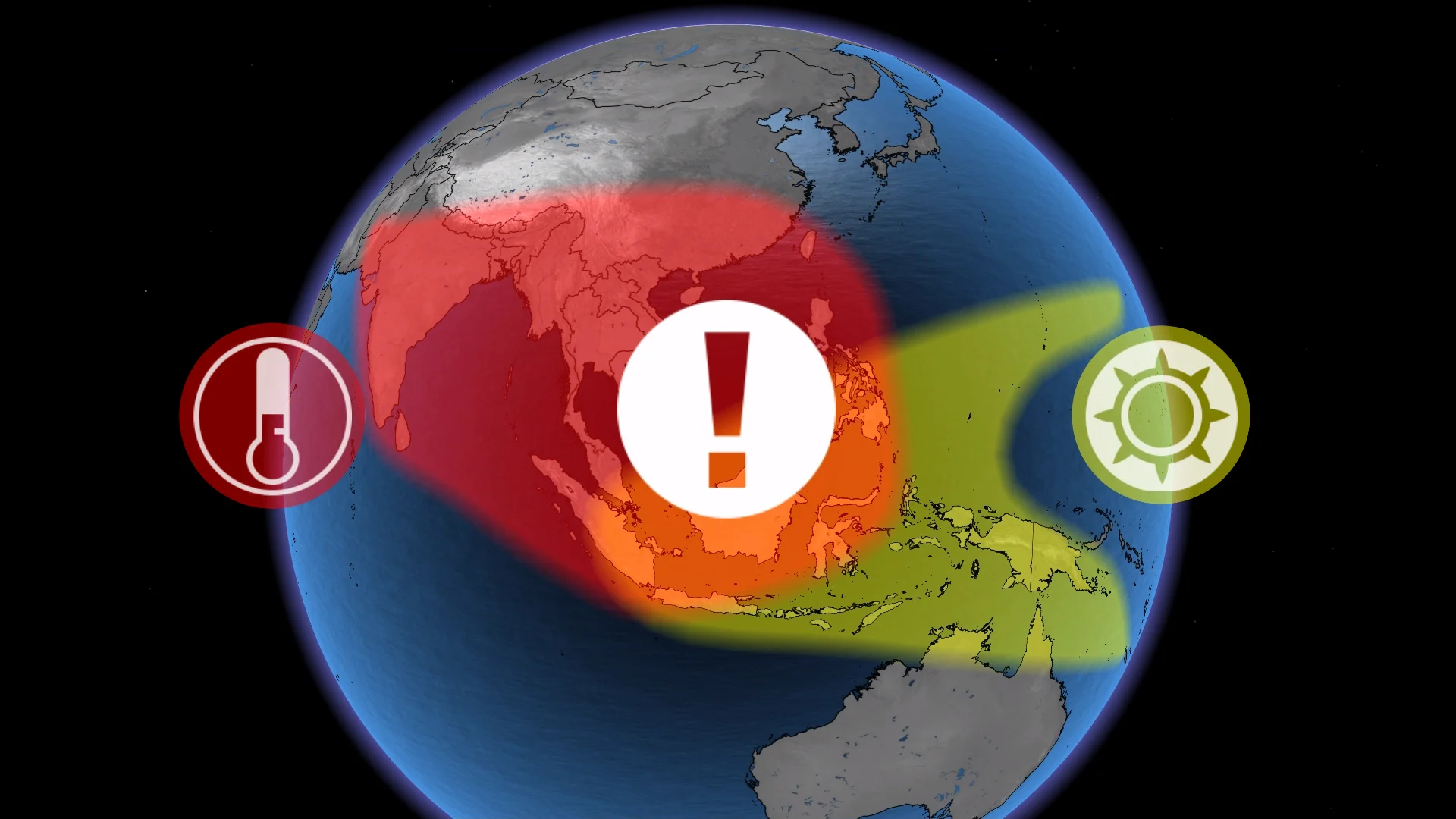
The Super El Niño that contributed to tens of millions of deaths

As many as 50 million people died from droughts and famine during the late 1870s, and a Super El Niño played a key role in the disaster
El Niño isn’t a storm or a wave, nor does it make landfall or touch down.
But this oceanic temperature anomaly still affects our atmosphere in dramatic fashion, and some of those changes have turned catastrophic in the past.
The so-called Super El Niño of the late 1870s helped trigger so much upheaval that it may have played a significant role in killing tens of millions of people around the world.
DON’T MISS: Keep up with the latest on El Niño and La Niña at The Weather Network’s hub page!
One El Niño to beat any in living memory
El Niño and La Niña are both responsible for significantly altering global weather patterns.
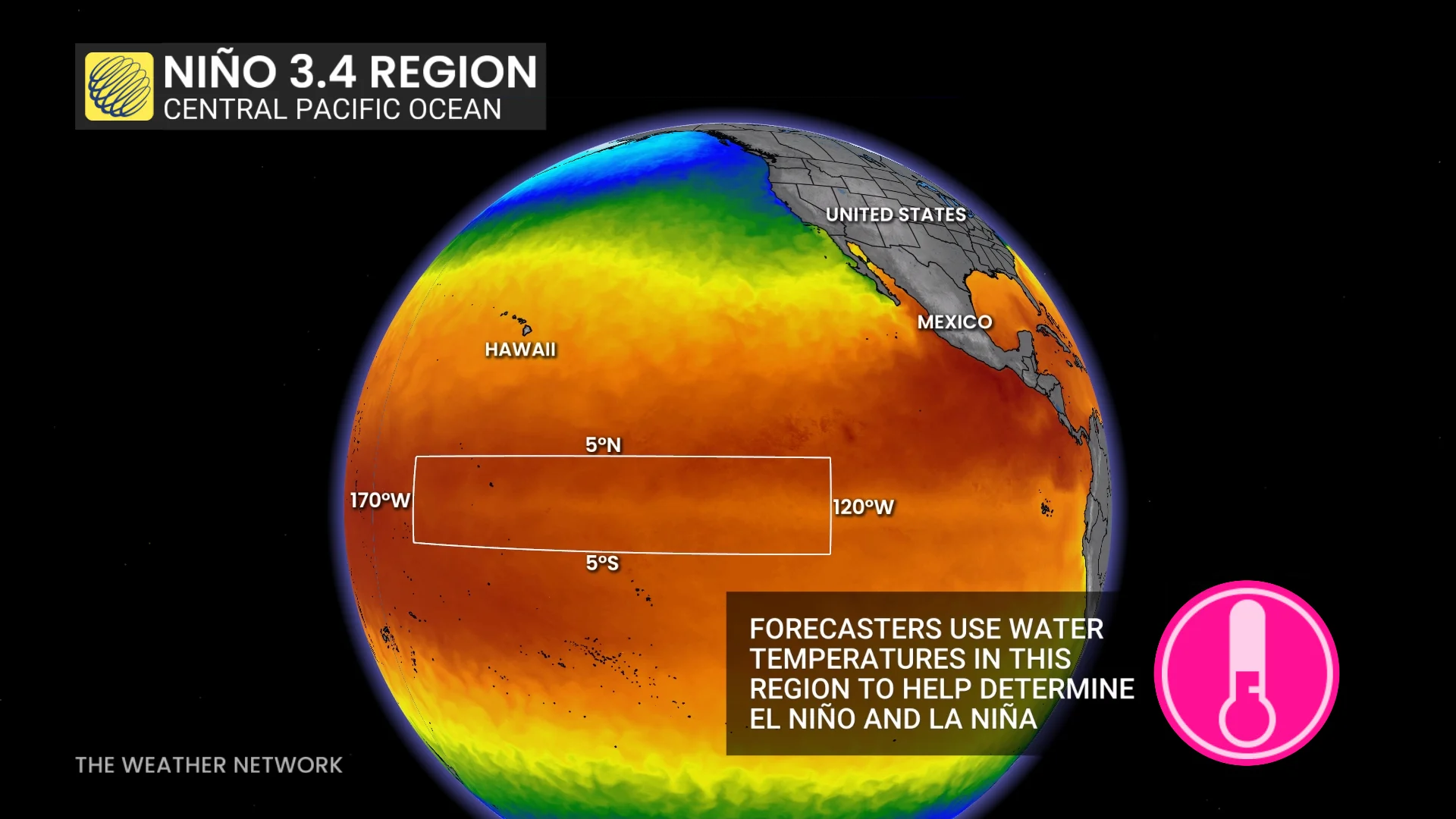
These events range on a spectrum from weak to very strong, the latter of which often earns the catchy nickname “Super” El Niño or La Niña given the extreme temperature anomalies involved and the likelihood of significant impacts.
Extensive research and modelling has found that the very strong El Niño of 1877-1878 was one of the strongest events ever observed.

Water temperatures in a key region of the Pacific Ocean likely soared as much as 2.8°C above seasonal during that period, according to one study, which would be more extreme than any El Niño in living memory.
Compounding issues led to a devastating loss
Multiple areas of severe drought and accompanying famine were already ongoing in parts of Asia, Oceania, and South America once the El Niño conditions settled in and began affecting global weather patterns to make matters worse.
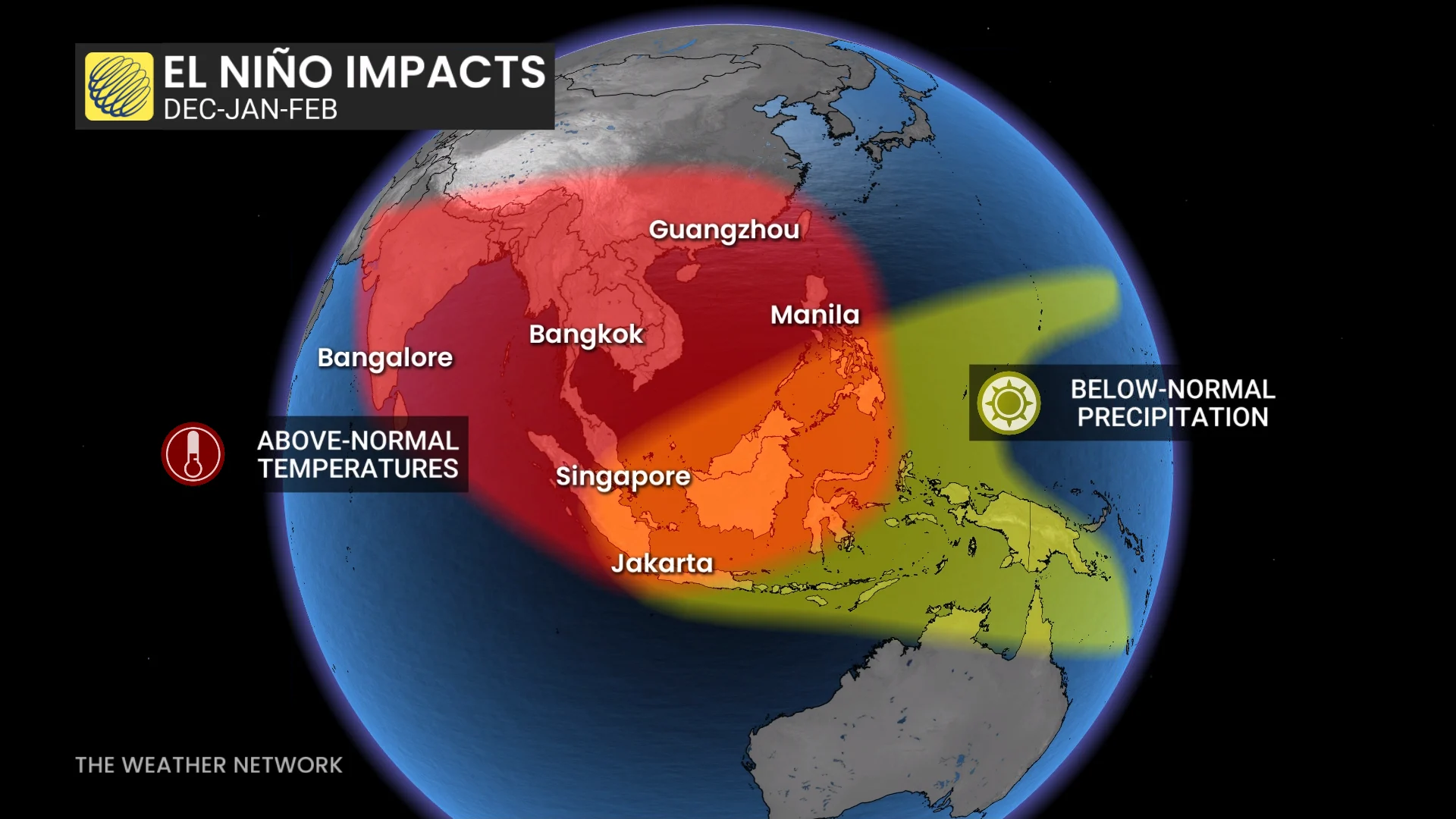
On top of that, reported socioeconomic and political issues at the time further exacerbated the disaster.
An analysis from 2018 found that the combined droughts and famines may have resulted in as many as 50 million deaths, an unimaginable toll today.
Similar events are unlikely in the future
We’ve had very strong El Niño events since then, but none have come anywhere close to influencing such widespread devastation.
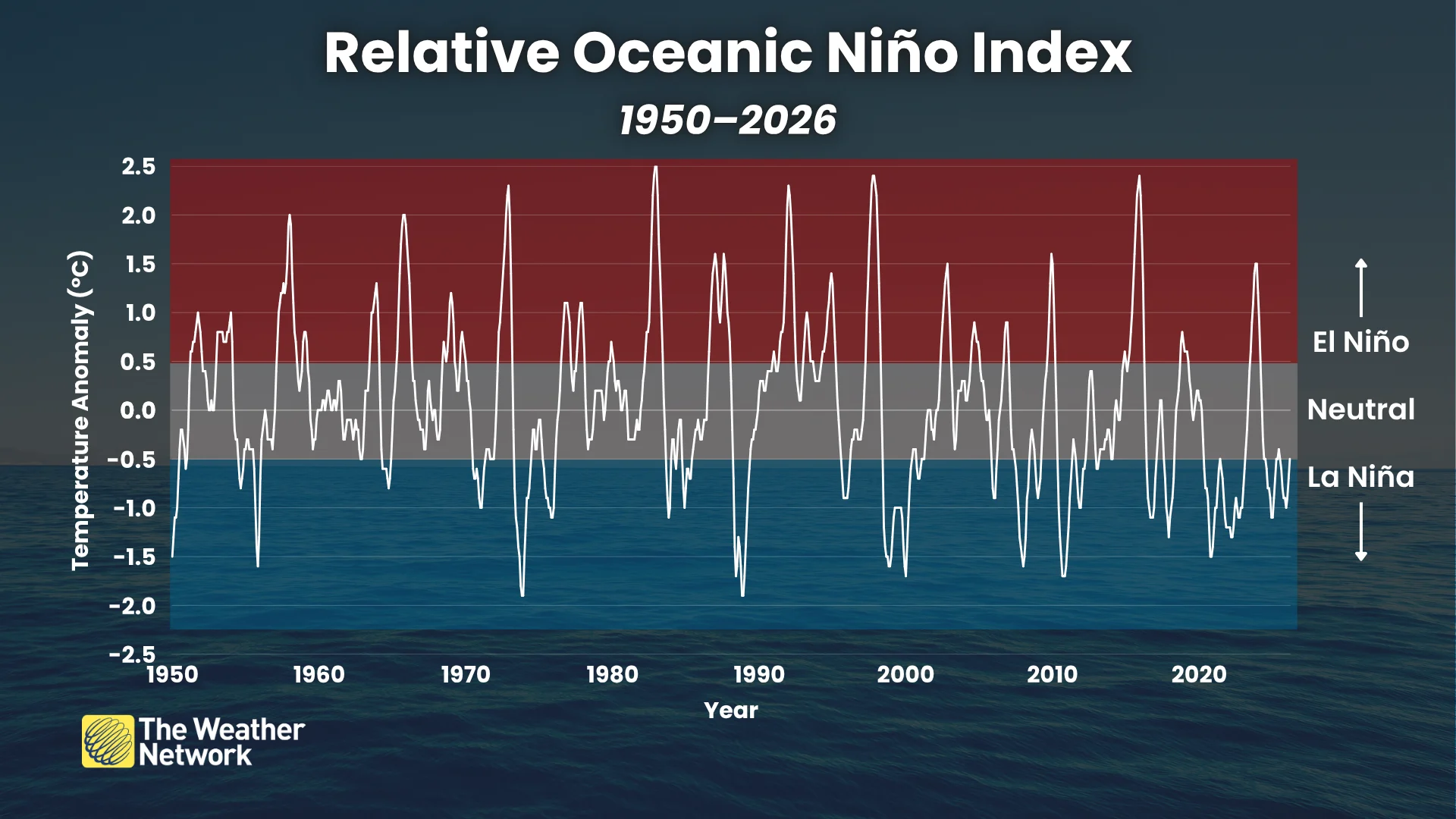
The infamous cases in 1982-83 and 1997-98 may have caused trillions of dollars in economic losses around the world, with several connected high-profile disasters in the late 1990s making El Niño and La Niña household names.
Could a similar event happen in the future?
We’ll very likely encounter additional so-called Super El Niño events, which will have effects that run from extreme floods to extreme droughts. But the interconnected nature of today’s global economy, combined with accurate weather forecasts and early warning systems, makes such a dramatic tragedy unlikely to occur again.