The last strong El Niño quadrupled this region’s sea level rise: study

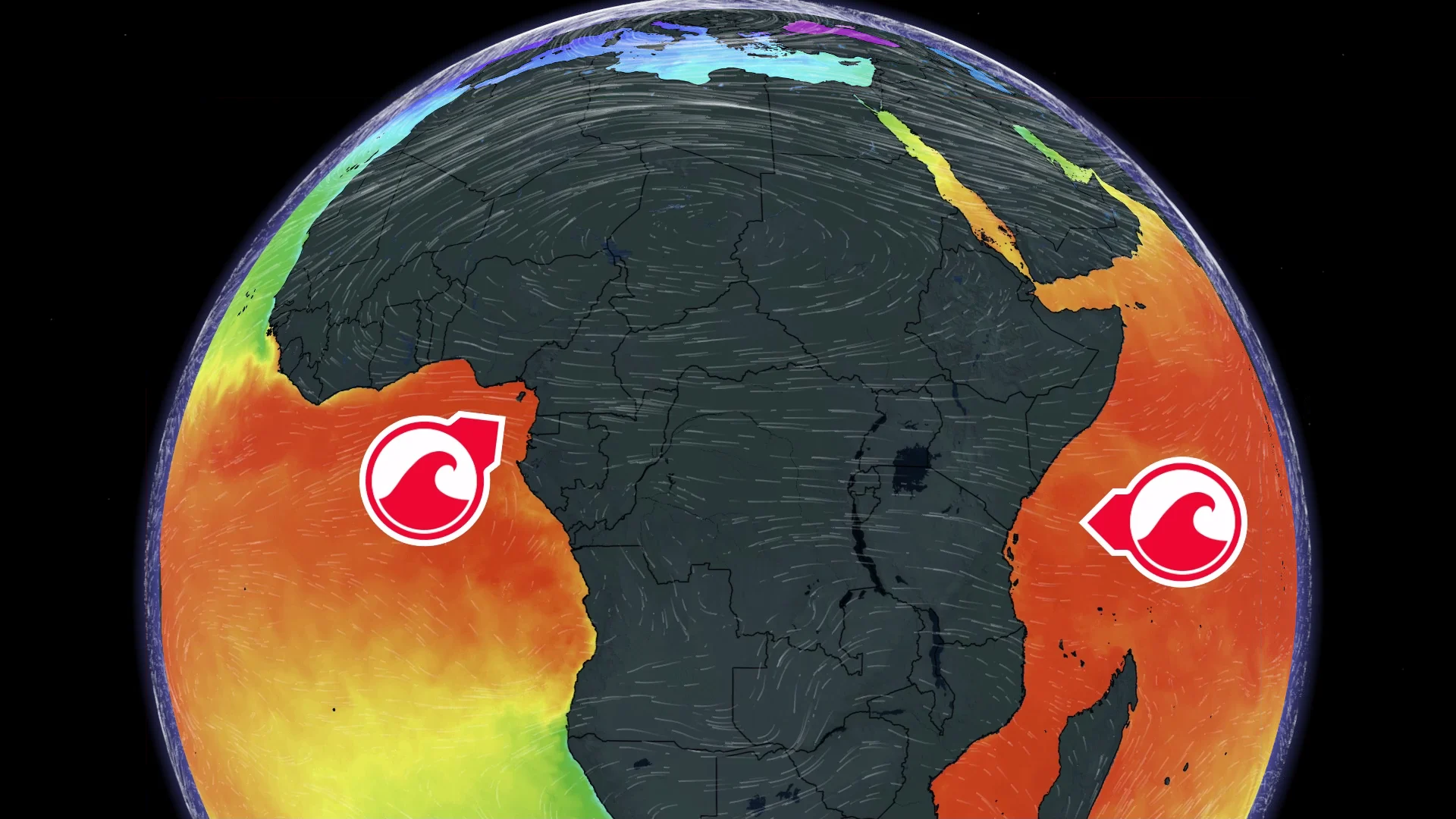
Sea levels around Africa rose by an average of 27 mm during the last strong El Niño event in 2023-2024
A new study offers compelling evidence that the world’s most recent El Niño event played a significant role in rising sea levels along vast stretches of the African coast.
The findings are particularly concerning given that we may be on track for another strong El Niño event later this year.
DON’T MISS: Are we on the cusp of a “Super El Niño?” Here’s how strong it may grow
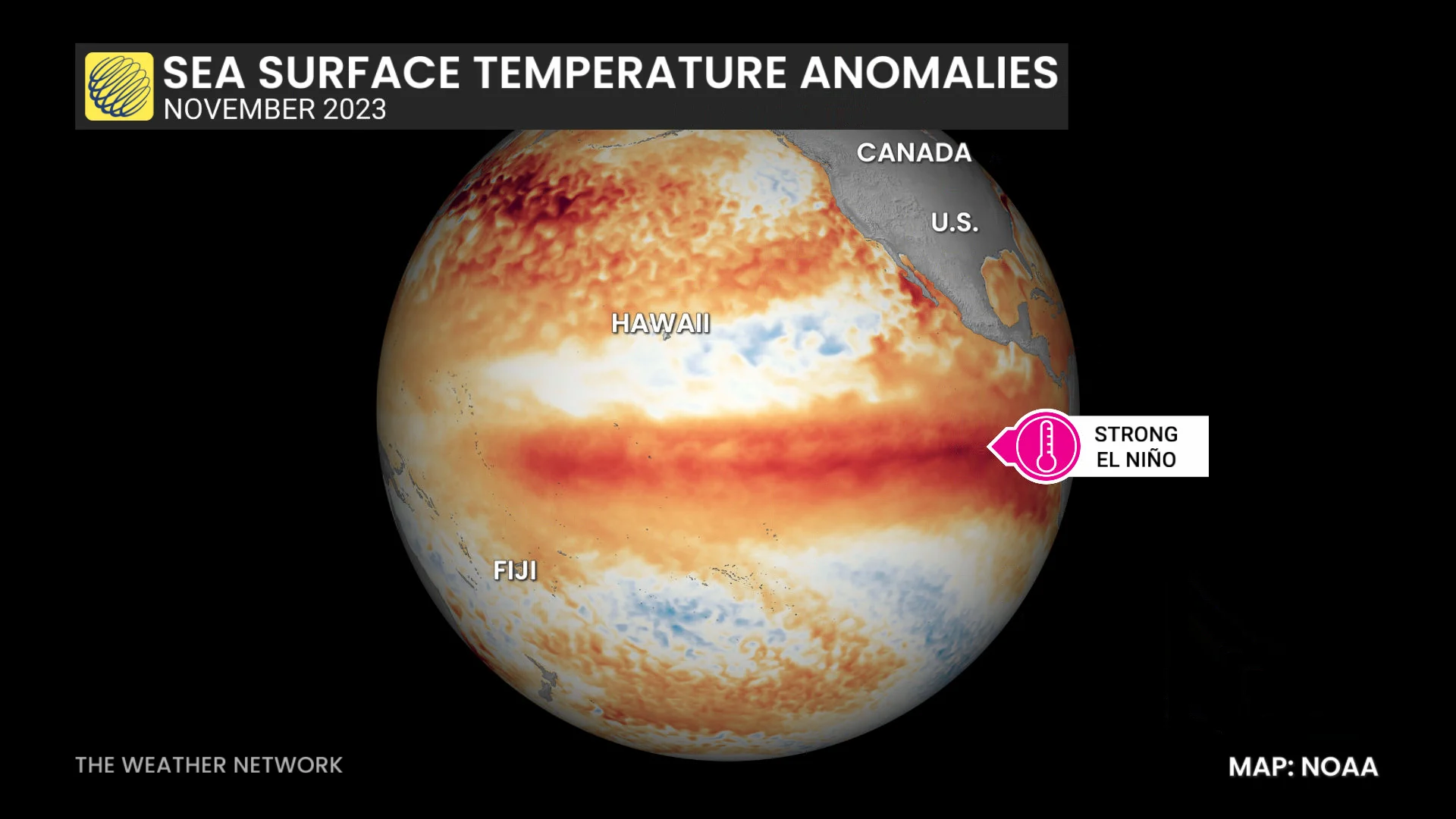
El Niño is a pattern of warmer-than-normal ocean waters around the equator in the eastern half of the Pacific Ocean. These monthslong spells of unusually toasty ocean temperatures can have worldwide effects on the atmosphere.
Aside from weather patterns, another side effect of El Niño is rising sea levels. This vast expanse of warm ocean temperatures can cause sea levels to rise by 2+ centimetres, as we saw during the strong El Niño of 2023-24.
The recent study, published in Communications Earth & Environment, found that the 2023-24 El Niño event amplified already record-breaking warmth to cause enhanced sea level rise around the coasts of Africa.
RELATED: Sea level rise threatens millions of Canadians by 2100, study finds
When the effects of climate change are removed from the equation, researchers discovered that the strong El Niño episode caused sea levels to rise an additional 27 mm around the continent, a significant increase from previous events. For reference, the global average sea level rise hovers around 4-5 mm per year.
Sea level rise is a major concern for coastal communities around the world. The vast majority of ongoing sea level rise is the result of climate change, which affects our oceans through a combination of ice melting off land (think Greenland, for example) and thermal expansion.
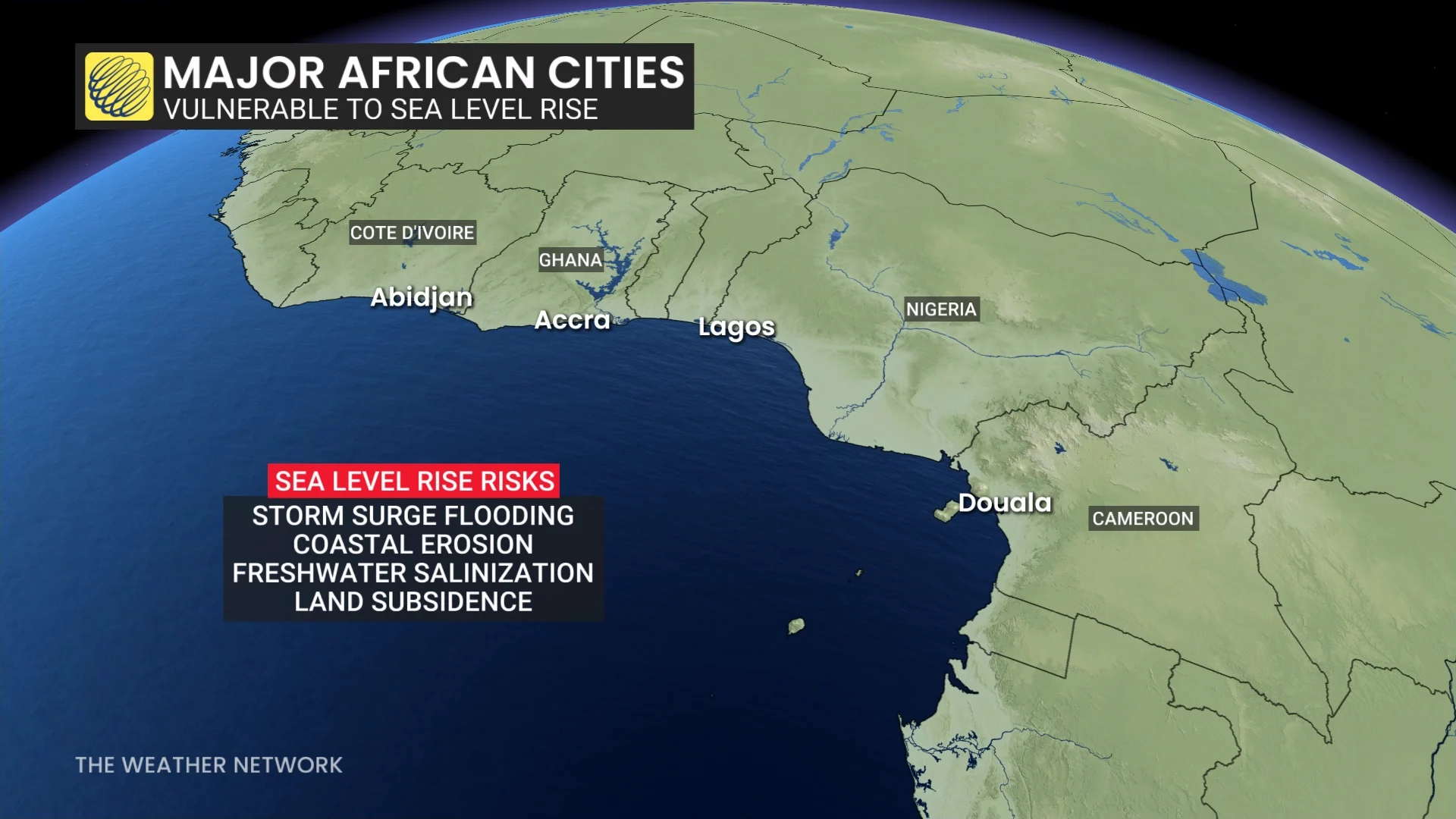
Numerous major cities in Africa, such as Lagos and Accra, are highly susceptible to the effects of rising oceans.
The study noted that sea level rise leaves these densely populated city centres exposed to worse flooding during storms, coastal erosion that may threaten infrastructure, salinization of freshwater resources, and ongoing land subsidence beneath urban areas.
Rising sea levels are also a concern here in Canada. A 2024 study found that both Vancouver and Halifax are potentially at risk of more than 100 cm of sea level rise by the year 2100 if a worst-case scenario were to play out.