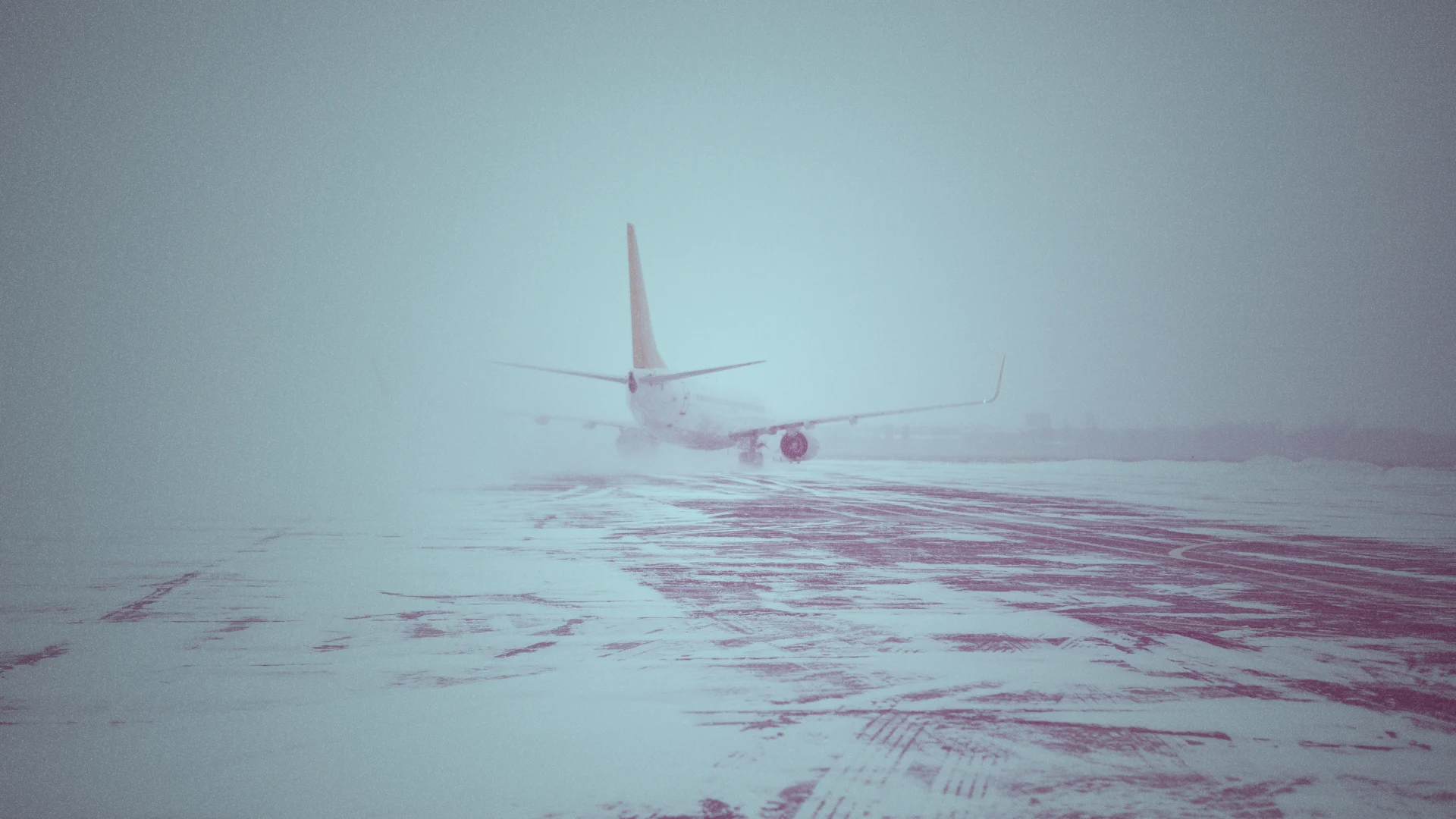
Heavy ice contributed to the 1989 crash of Air Ontario Flight 1363

Ice accumulated on the wings before the flight attempted to take off during heavy snow in Dryden
A routine flight turned tragic on Mar. 10, 1989, when a commuter plane crashed on takeoff from Dryden, Ont., during heavy icing conditions.
The disaster highlighted the danger posed by ice on an aircraft, prompting airlines to more closely monitor and address ice buildup before takeoff.
DON’T MISS: How airlines keep you safe in dangerously cold weather
Flight 1363 failed to take off
Air Ontario Flight 1363 left Thunder Bay for a quick trip to Winnipeg that chilly Friday afternoon, making a brief stop in Dryden along the way.
Snow began falling in Dryden just before the plane landed during the late-morning hours. The plane remained on the ground for 30 minutes before departing again.
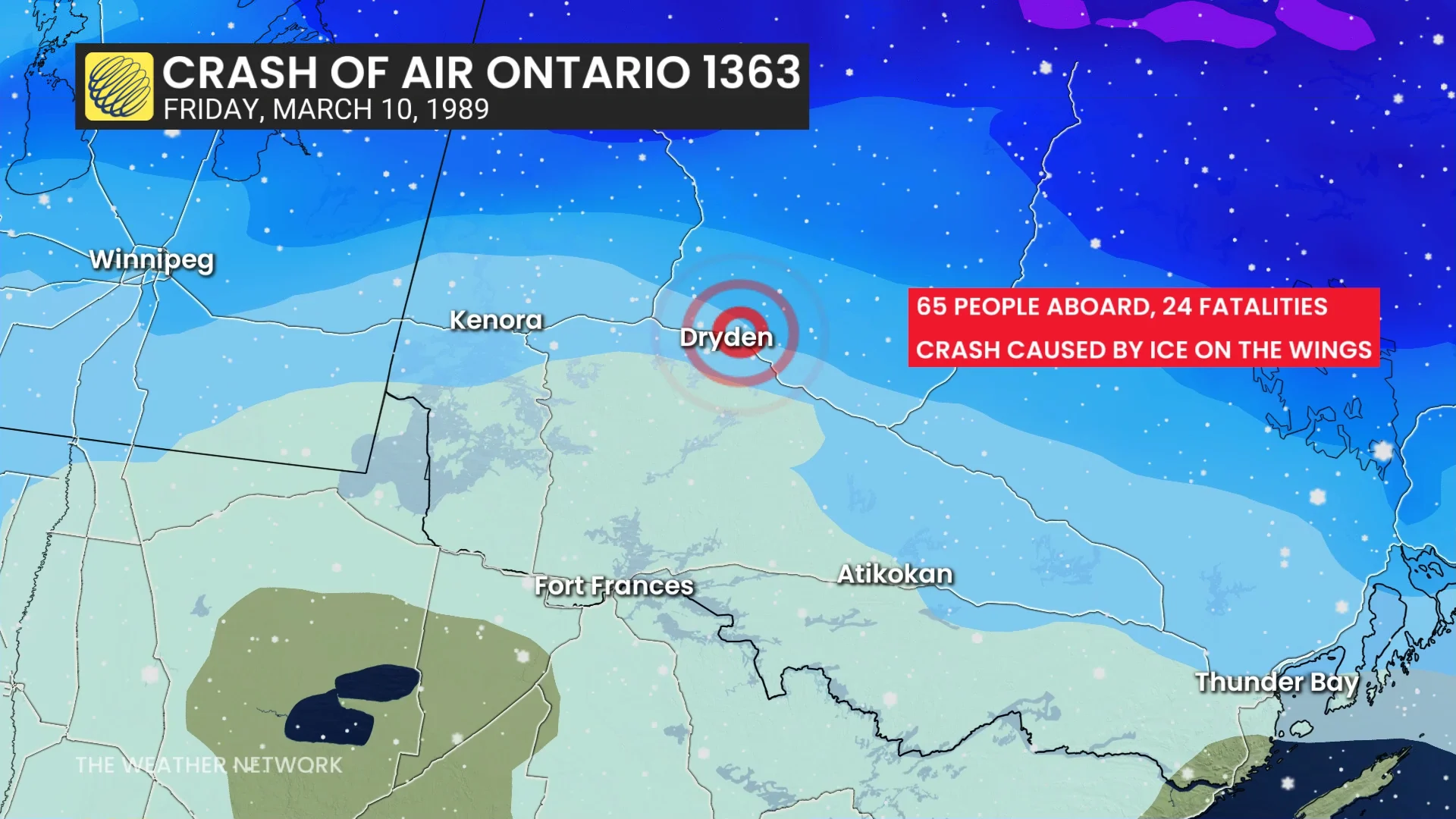
About one centimetre of slushy snow accumulated on the wings during this time, some of which melted and froze as the plane’s engines continued running and ground crews refuelled the tanks.
Still covered in snow and ice during its takeoff roll, the plane failed to lift off the runway. Flight 1363 continued off the end of the runway and crashed into a wooded area. 24 of the 65 people aboard the plane died in the wreck.
RELATED: The cascade of negligence that led to the 1982 Air Florida Flight 90 crash
A crust of ice that formed along the leading edge of the wings prevented Flight 1363 from generating the lift needed to take off. A similar accident occurred in Washington, D.C., several years earlier.
Icing is dangerous to any aircraft. A significant buildup of ice on wings, control surfaces, and the fuselage can significantly affect a plane’s performance, including the ability to take off or maintain a safe speed once in the air.
Ice disrupts the flow of air over the smooth exterior surfaces, which slows the plane down and increases the risk of an aerodynamic stall. Stalls occur when an aircraft no longer generates enough lift to continue flying.
Aircraft have systems in place to prevent ice buildup, and pilots receive extensive training on how to recover from a stall.
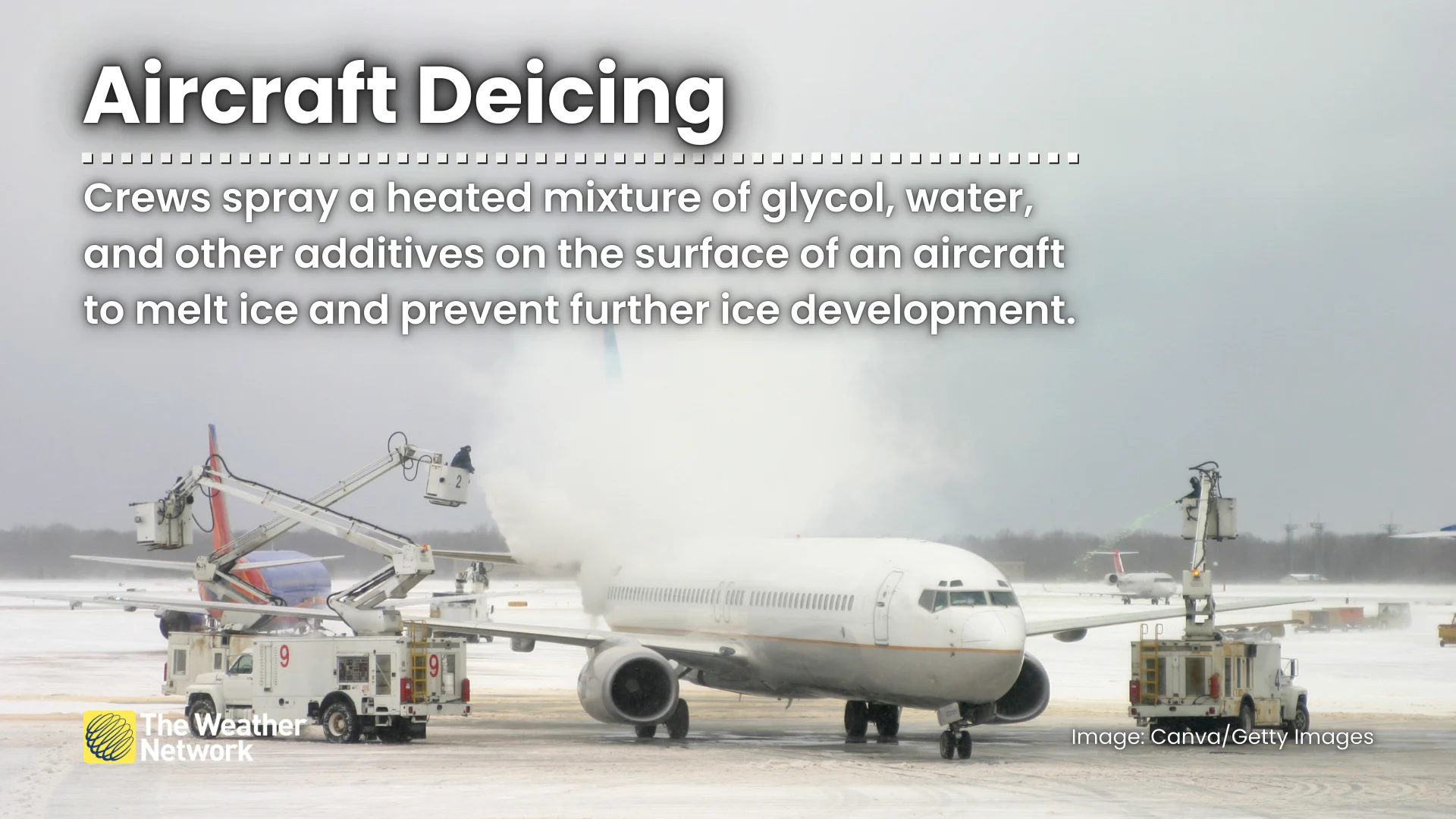
Deicing on the ground is a significant part of flying during the cold months. These blends of special fluids melt any ice that’s built up on the aircraft’s control surfaces while on the ground, and they can prevent additional ice or snow from accumulating while taxiing to the runway.
The crash investigation found that ground crews couldn’t deice the plane before takeoff because the flight crew had to keep the engines running while on the ground.
Numerous changes to regulations and safety procedures for flying in icy and snowy conditions were implemented following this accident. Flying is a little safer today as a result of improvements made in the wake of this tragic crash in northwestern Ontario.
Header image created using graphics and imagery from Canva, for illustrative purposes only.