Saskatchewan Flooding: 'It’s an enormous amount of damage'

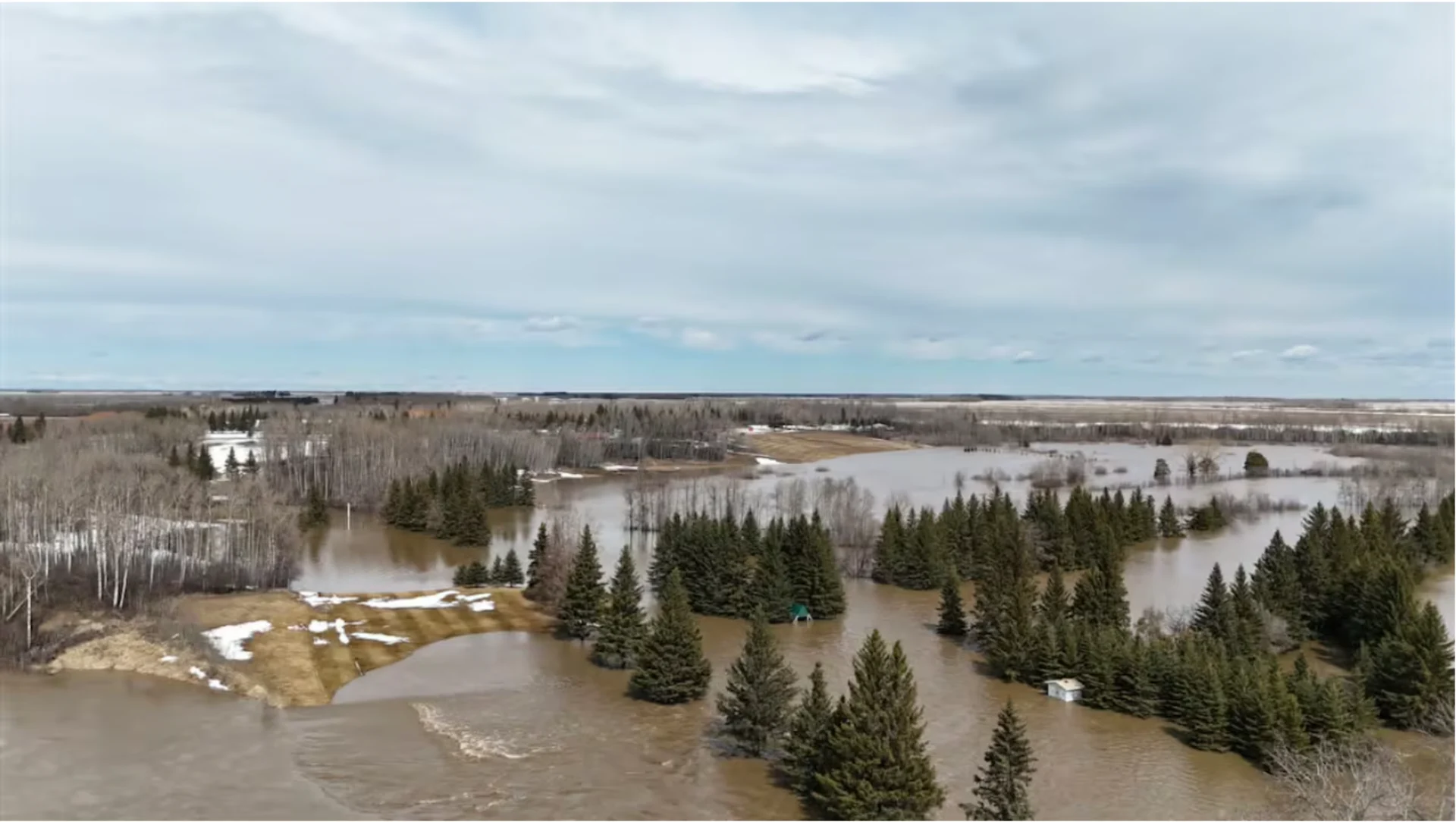
Floodwaters burst the banks of the Carrot River and are now covering much of the picturesque Pasquia Golf Course, causing an estimated $2.5 million in damage.
“It’s pouring all the way through the back four to nine holes, I believe are underwater,” said Carrot River Mayor Carrie Neigel.
Spring flooding has submerged areas of central and northern Saskatchewan, washing out roads, stranding homeowners and flooding basements.
RELATED: Dozens of Sask. communities grapple with torrent of spring flooding
It’s also putting a pause on spring seeding in many areas during an already tumultuous time for farmers facing soaring fuel and fertilizer prices.
In Carrot River, 241 kilometres northeast of Saskatoon, the water started to breach the banks of the town’s namesake river on May 1.
By the weekend, the nine-hole Pasquia Golf Course was partially submerged, with water reaching the roof of a gazebo in the park’s campground.
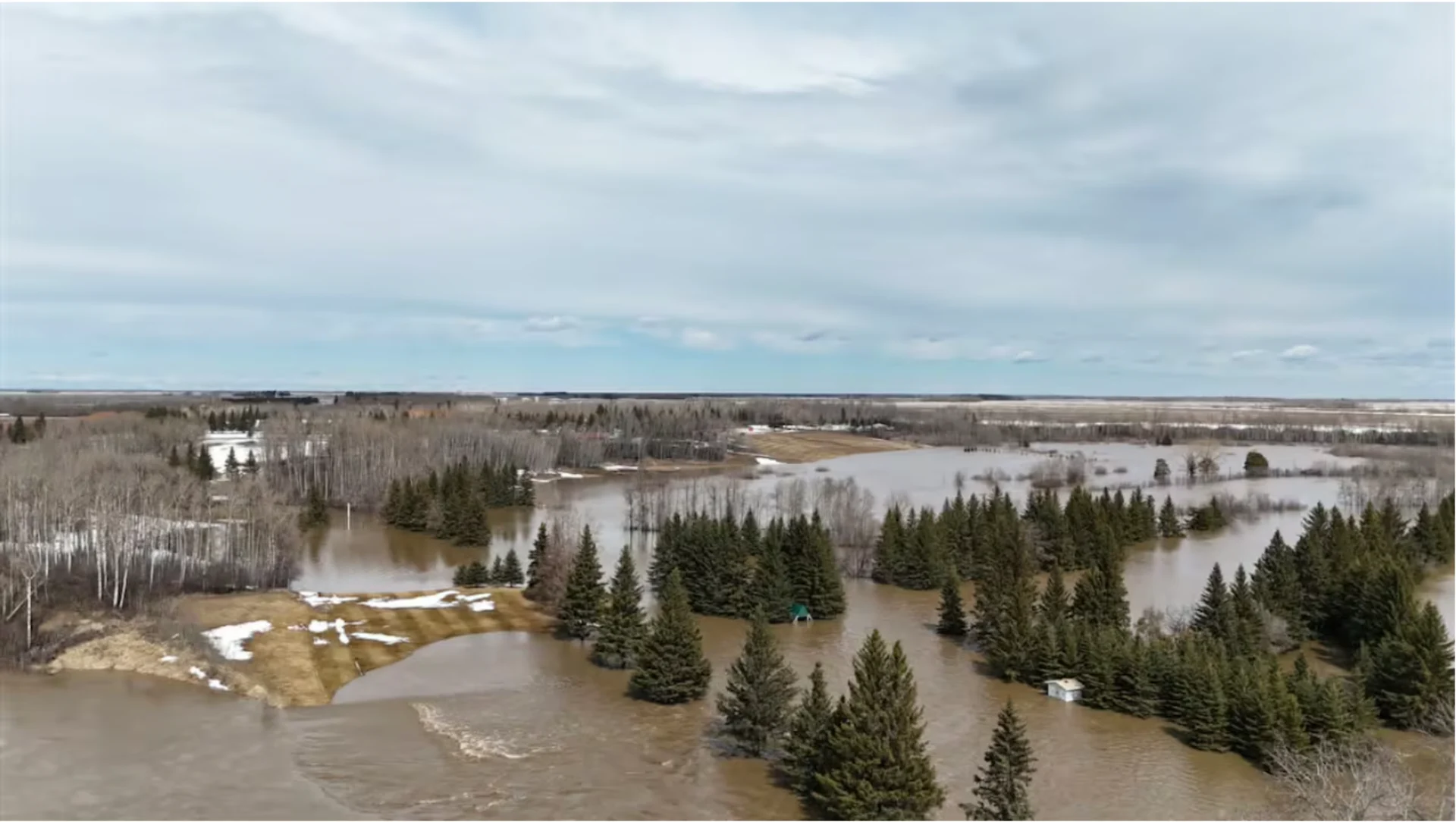
This photo, taken May 3, shows much of the Pasquia Golf Course submerged after the rapid spring melt caused the Carrot River to burst its embankment. (Submitted to CBC by Hanz Meyer)
RELATED: Roads washed out, people displaced and homes threatened in Sask.
“It’s one of the bad ones. It’s an enormous amount of damage,” said Susan Schroepfer, a Pasquia Regional Park board member.
“It’s unbelievable to try to clean the mess up. What happens is you have the trees and the logs and the grass and stuff like that going out on the golf course. But the problem after that is the silt,” Schroepfer said while surveying the water-logged course.
She said the worst of the damage is likely to the fourth hole, which has been flooded before.
Fixing that hole and shoring up the breached embankment of the river could cost $2.5 million, she said.
“Probably two, three weeks before the water subsides. Then they can start cleanup."
But that might be wishful thinking.
Saskatchewan’s Water Security Agency (WSA) says the Carrot River remains under an extreme high flow advisory, with water levels 2.9 meters higher than on April 29 and not expected to peak until the weekend.
The WSA said portions of the river recorded their highest-ever water flows: 1,000 cubic metres per second, compared with normal flow rates of 200 cubic metres per second.
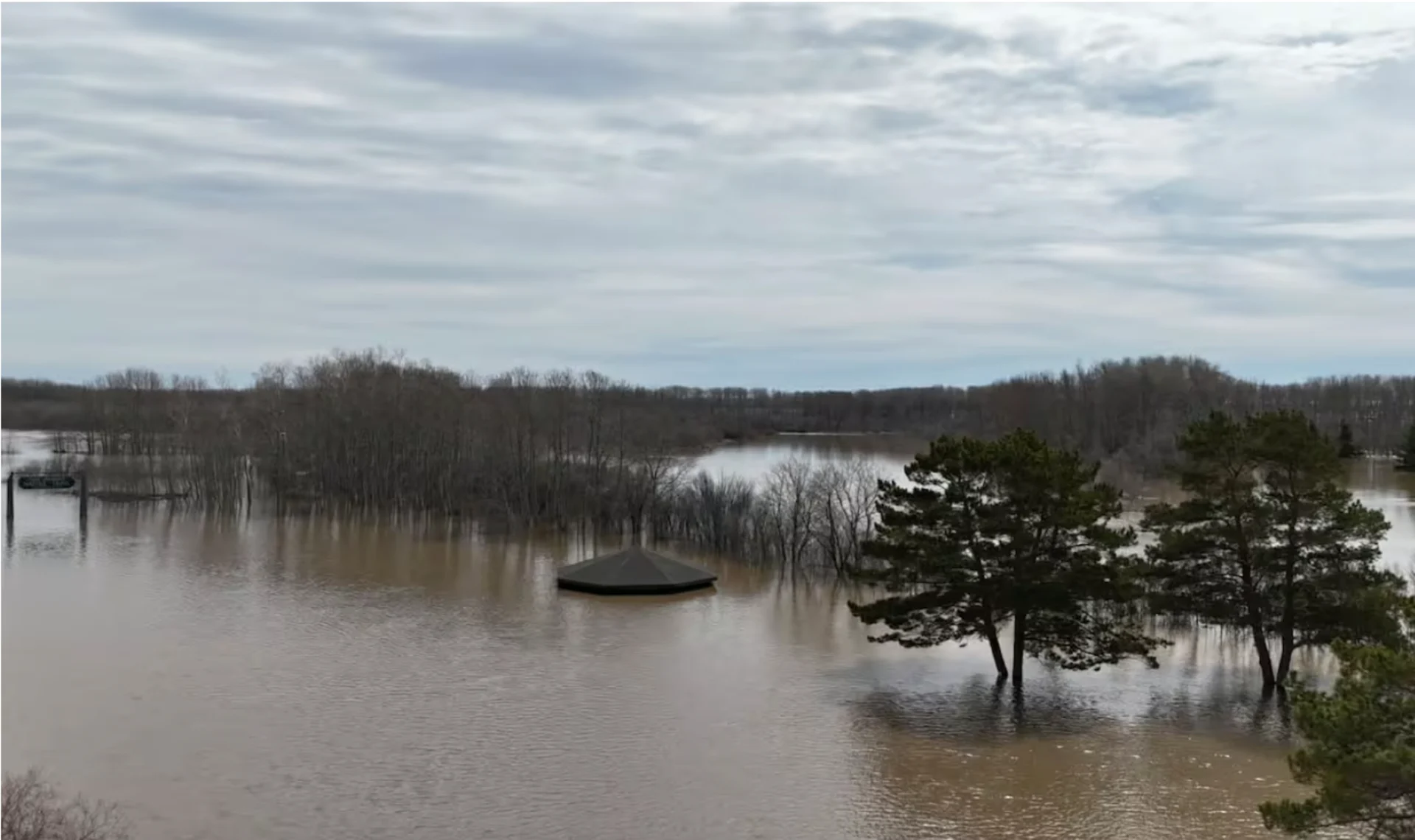
The Pasquia Regional Park's camping area and gazebo are completely underwater. (Submitted to CBC by Hanz Meyer)
Lost tourism dollars
Neigel said the golf course is a big draw for the community and generates a lot of money for the town, with people traveling to the course and its regional park to camp, golf and swim.
The money lost from tourism will be compounded by the cost to fix the damages, Neigel said.
“It’s going to look like a nice big bulk number at first,” she said, estimating the price tag.
Neigel said the park had installed new bathrooms that might be ruined, along with the gazebo, golf greens and trees.
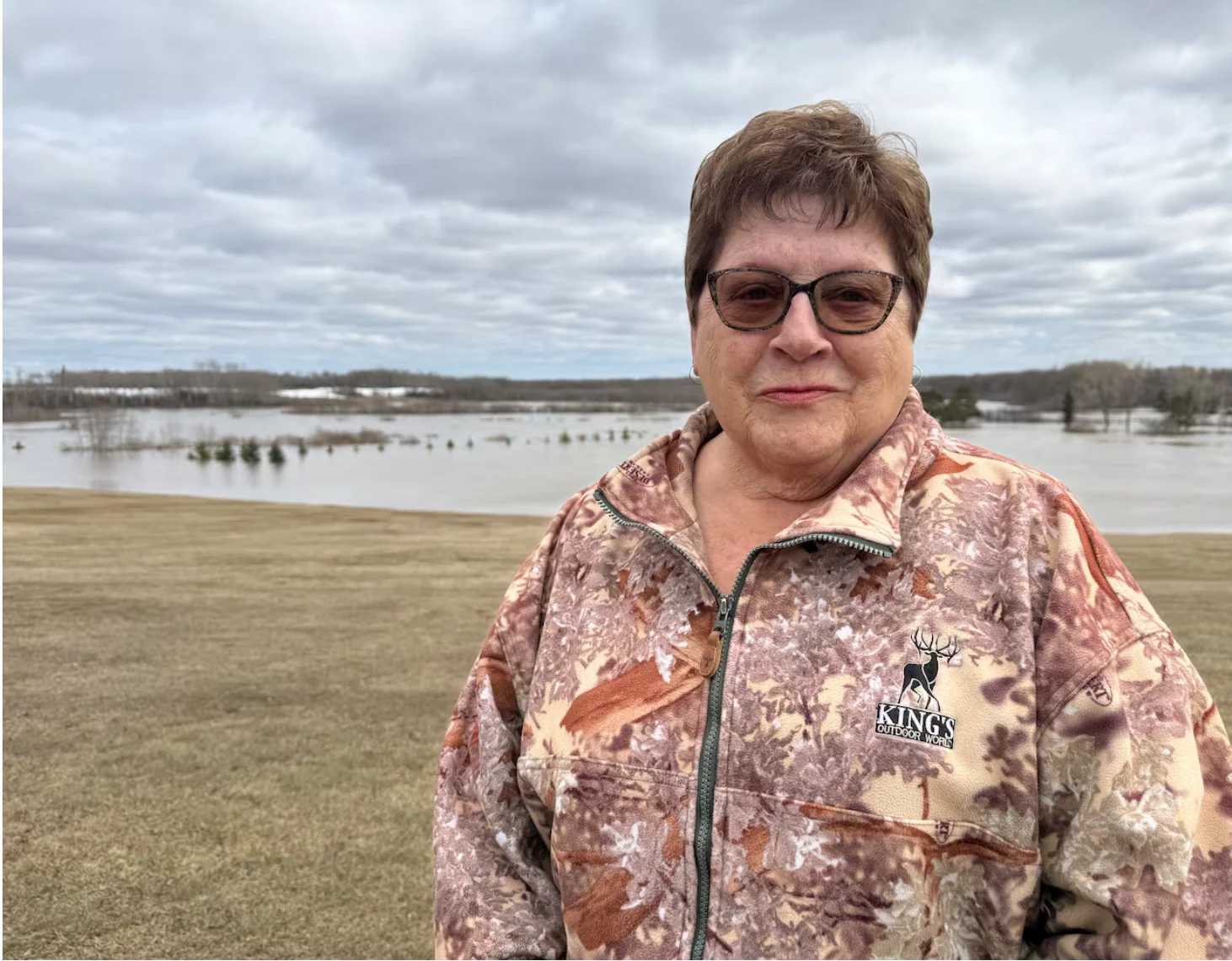
Pasquia Regional Park board member Susan Schroepfer said the flood is causing millions of dollars in damage to the park's golf course. (Don Somers/CBC)
SEE ALSO: As climate change impacts flooding, swaths of Canada risk becoming uninsurable
“There’s a lot of work that goes into that park to make it as nice as it is. It’s almost starting from scratch now.”
Earlier this week, the Opposition NDP criticized provincial government cuts to capital spending on highways and dams, saying those decisions contributed to road failures during flooding.
Despite the rising floodwaters, people at Pasquia Golf Course are hoping to partially open it for golfers.
“We do have (holes) one, two and nine that the real desperate golfers can go up there and golf a bit,” Schroepfer said.
Neigel said government cuts to highway and infrastructure funding have made the flooding worse than it had to be.
“Corners were cut and now we’re paying for it, right? So it’s kind of frustrating knowing that we could have let this water flow very easily and gave it a good path and kept everybody safe.”
WATCH: Three tips to protect against flooded basement damage
This article, written by Colleen Silverthorn, was originally published for CBC News.