Historic heat dome may fuel summer wildfires, growing drought

Hundreds of monthly records fell across the U.S. as a relentless heat wave roasts the western half of the country
A relentless stretch of exceptional heat gripping the western half of the United States will have major consequences for the region’s water supply and wildfire risk heading into this summer.
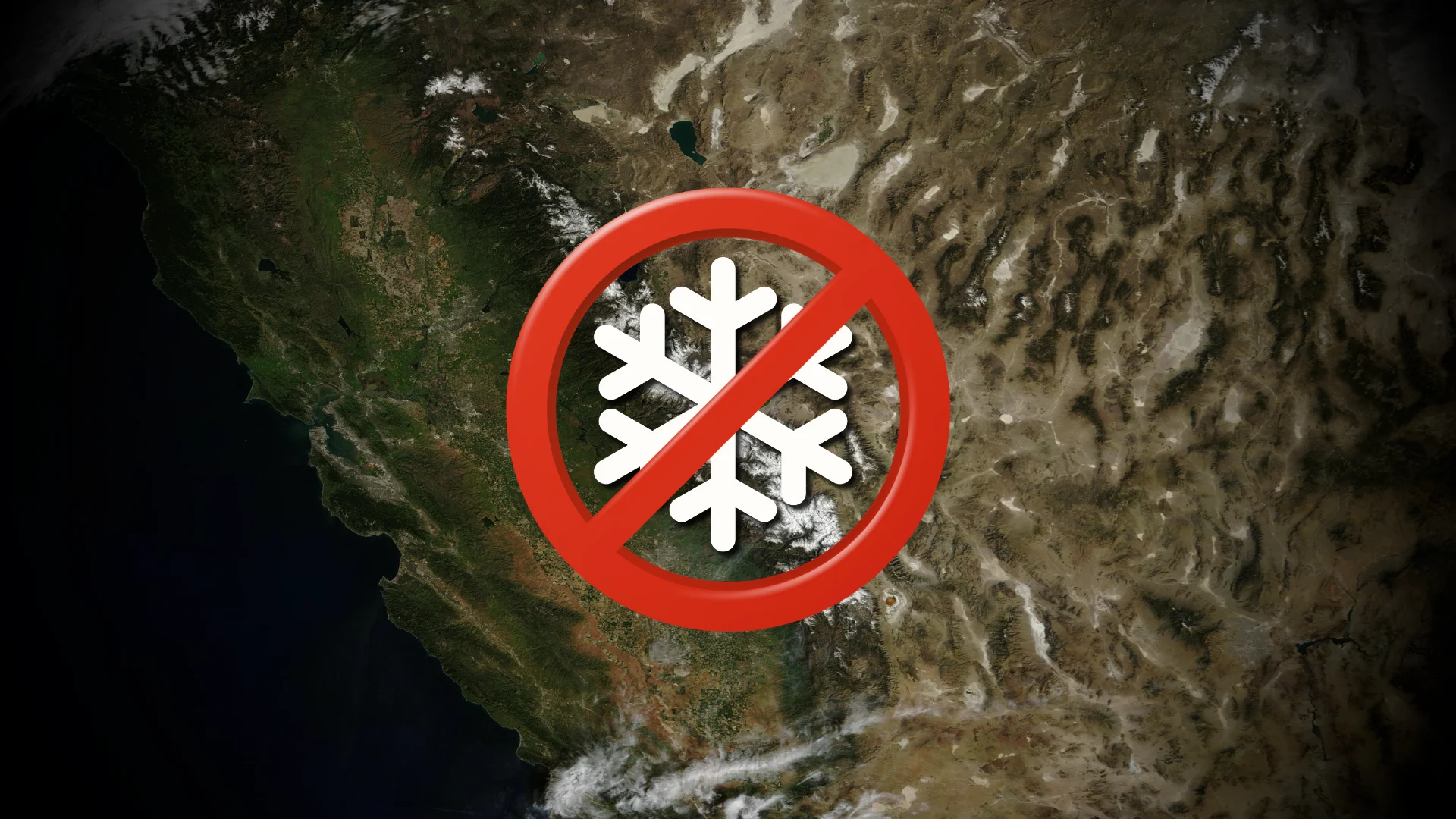
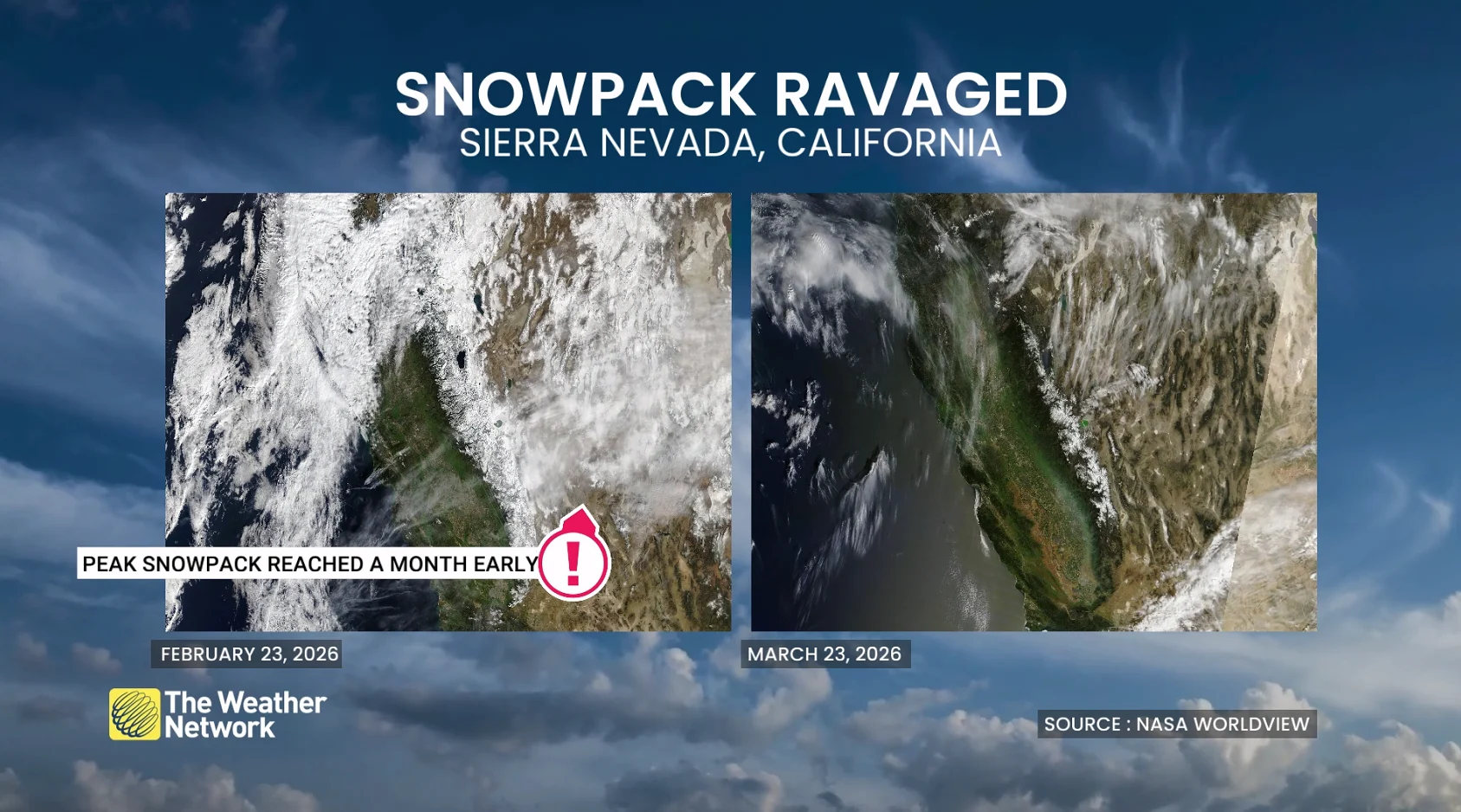
The region’s snowpack has suffered from persistent above-seasonal temperatures and a stretch of atmospheric rivers. Early snowmelt, high heat, and dry conditions will elevate the risk for both drought and wildfires in the months ahead.
DON’T MISS: Blazing hot: 1,000+ records fall in brutal March heat wave
Tremendous number of broken heat records
Hundreds of communities have recorded their hottest-ever March temperatures over the past two weeks as a heat dome set up over the region.

The list includes a who’s-who of heat-hardy communities: Phoenix; Las Vegas; Yuma; Tucson; Palm Springs.
How unusual is this? Phoenix’s average daytime high doesn’t reach 40.6°C (105°F) until the middle of June. Flagstaff, Arizona, set a daily record high temperature 12 days in a row between Mar. 17 and Mar. 28.
A weather station near Yuma, Arizona, recorded the United States’ all-time high March temperature with a reading of 44.4°C (112°F) on Mar. 20. This beat the old record of 42.2°C (108°F) set in Rio Grande City, Texas, back in the 1950s.
Rapid snowmelt underway
Extreme heat affects more than just health and comfort. Much of the western U.S. was already mired in a snow drought before the heat cranked up. The Colorado Rockies saw a historically low snow pack this season.
RELATED: Why extreme heat is one of the world's deadliest weather disasters
We usually see peak snowpack throughout the west between late March and early April. This year, that peak arrived a month ahead of schedule, and that snow is quickly melting amid above-seasonal temperatures.
A healthy snowpack is important because it’s the main water source for many low-lying areas. Seasonal snowmelt replenishes waterways and reservoirs, as well as helping to stave off severe wildfires.

Drought is already a growing concern across the western states. While California is holding up well for now, moderate to severe drought conditions are spreading across the region, especially throughout the Rockies.
Looking ahead, a few systems expected to move through the western U.S. over the coming week may bring some mountain snows, especially to California and Colorado, but not enough to offset the seasonal snowfall deficit.
This article was adapted from one written by Hugo Bourque for MétéoMédia, The Weather Network’s Quebec-based sister station.