A decade of recovery: How Fort McMurray's resilience has helped rebuild

In this final part on the 2016 Fort McMurray, Alta., wildfire, The Weather Network jumps ahead to 2026—a decade after the devastating blaze. We showcase the rebuild process since then and the many scars that have been left behind.
The Weather Network's three-part documentary explores the beginnings of the devastating May 2016 Fort McMurray, Alta., wildfire, the explosive nature of its growth and destruction, and its aftermath. It features stories from residents, meteorologists and other people who were caught in the fury.
In the final part of the three-article documentary on the event, we take a look at the aftermath in the immediate weeks after residents returned home and how the community has fared in the 10 years since The Beast occurred.
The wildfire that began on May 1, 2016 was finally extinguished on Aug. 2, 2017.
While Fort McMurray is far removed from the disaster zone it once was, the destructive wildfire has left a permanent scar on its identity, landscape and the community's population.
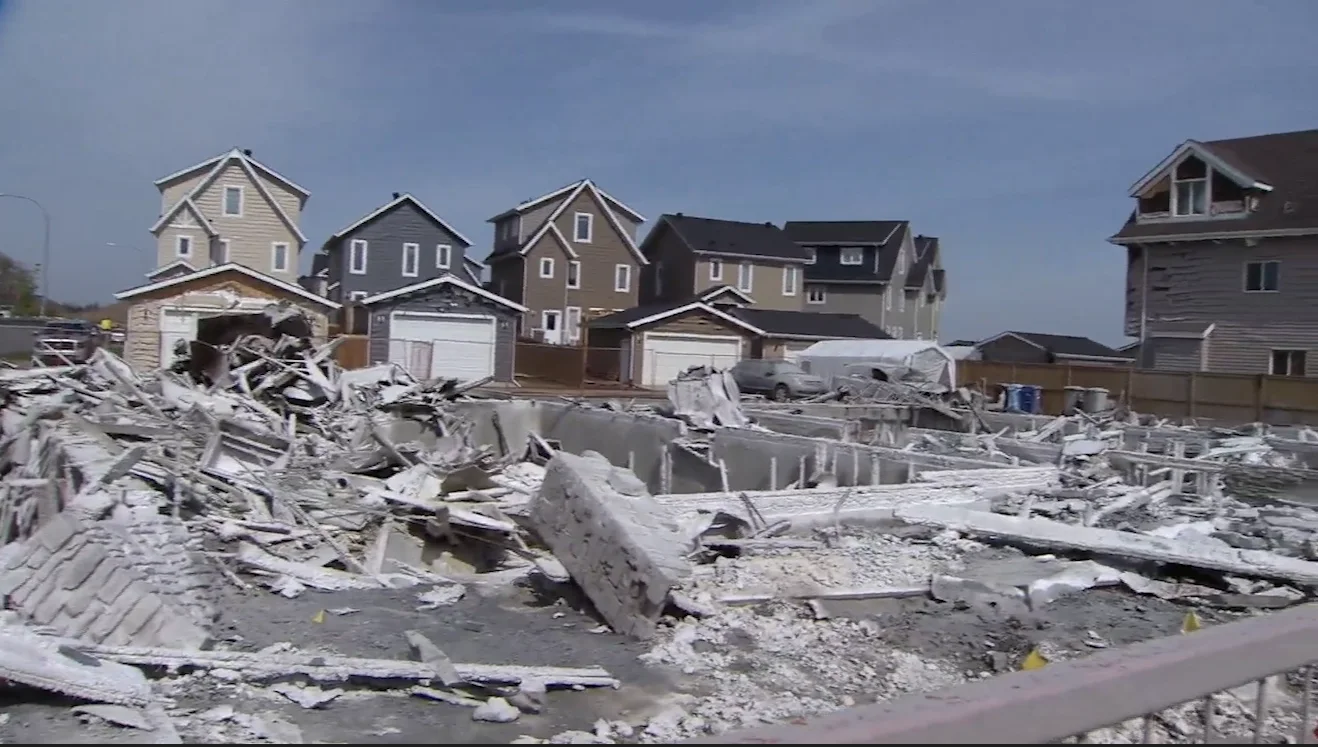
Fort McMurray, Alta., wildfire aftermath June 2016. (The Weather Network)
Some folks expected nothing to come home to
In the weeks following the re-entry plan on May 18, 2016, it wasn’t until October 2016 that the residents of 470 homes in Fort McMurray were finally home.
Rochelle Young, a Fort McMurray resident who grew up in the community, didn't know what she was expecting when she was able to return to her property.
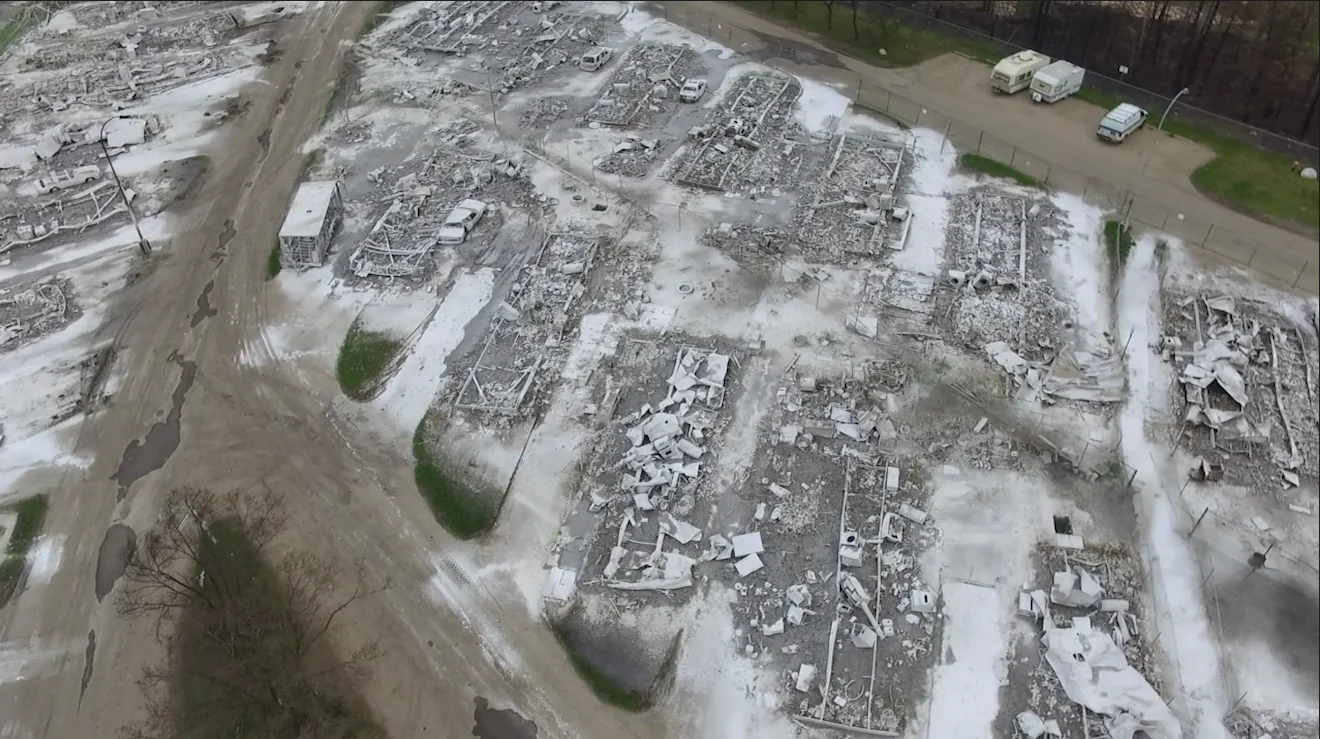
Fort McMurray, Alta., wildfire aftermath June 2016. (The Weather Network)
“Well, when we were evacuated, I didn't know if we'd have a home to come back to. For one thing, if there would even be a city left. So, there was a lot of joy in the fact that there was still a home to come back to. But there was a lot that was lost," said Young.
Final numbers on the destruction
After all the damage was taken stock in the weeks and months following the wildfire, approximately 2,400 homes and buildings were destroyed. All together, more than 3,200 structures were demolished.
Nearly 600,000 hectares of land was burned, equivalent to the land mass of P.E.I.
The disaster is ranked as Canada's costliest on record, with insured costs in the billions of dollars.
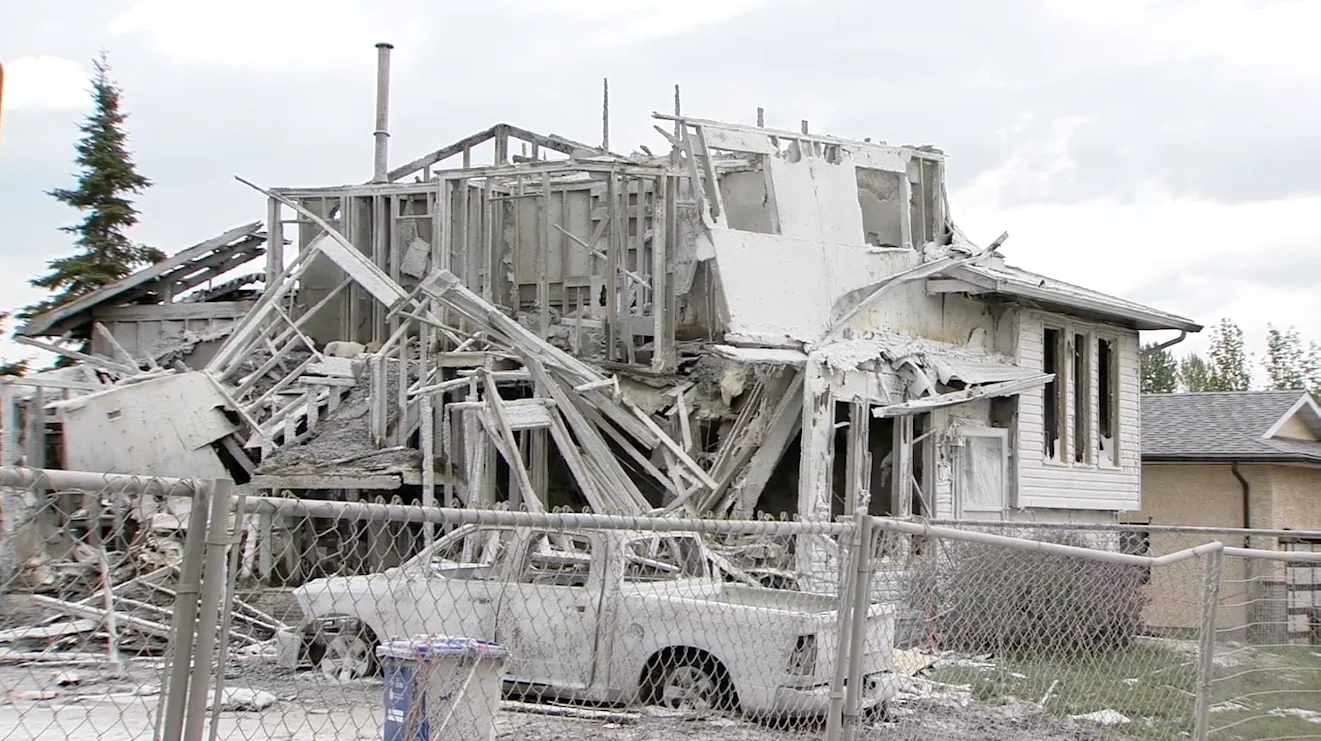
Fort McMurray, Alta., wildfire aftermath June 2016. (The Weather Network)
The Beast prompted the evacuation of more than 88,000 people.
How some Fort McMurray residents recalled the 2016 wildfire
In April 2026, Connor O'Donovan, a video journalist at The Weather Network, visited Fort McMurray to see how the community and its population have recovered in the decade since The Beast.
Young recalled the kindness of others during the event.
“I have good stories of people that helped us out. When we were in Edmonton after Dylan was born, we had people step up and help us out with a bassinet and all the things that we needed to get by. So, that was a huge relief," said Young.
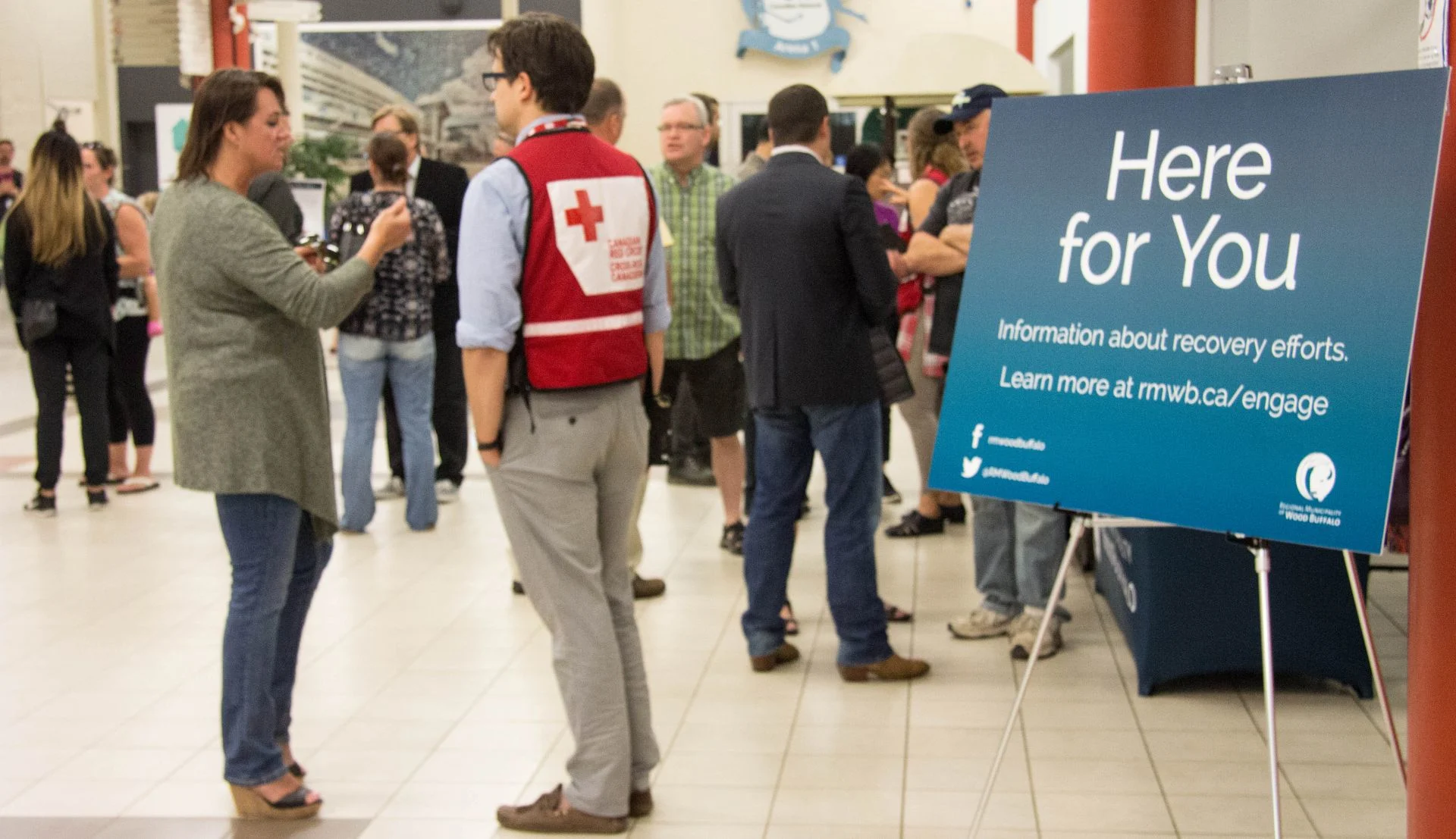
2016 recovery information sessions. (Regional Municipality of Wood Buffalo/Supplied to The Weather Network)
“I think it's always been that way, but more so now I'd say...I do think that it brought the community closer.”
Fort McMurray resident, Amy Gillis, said the smell of wildfire smoke doesn't bother her as much anymore.
"I think I've [become] desensitized. But what does really bother me is hot weather with high winds. So. definitely there's some triggers when it comes to the weather," said Gillis.
When looking back to May 2016, she attempts to recall the "comical moments of it all," Gillis said.
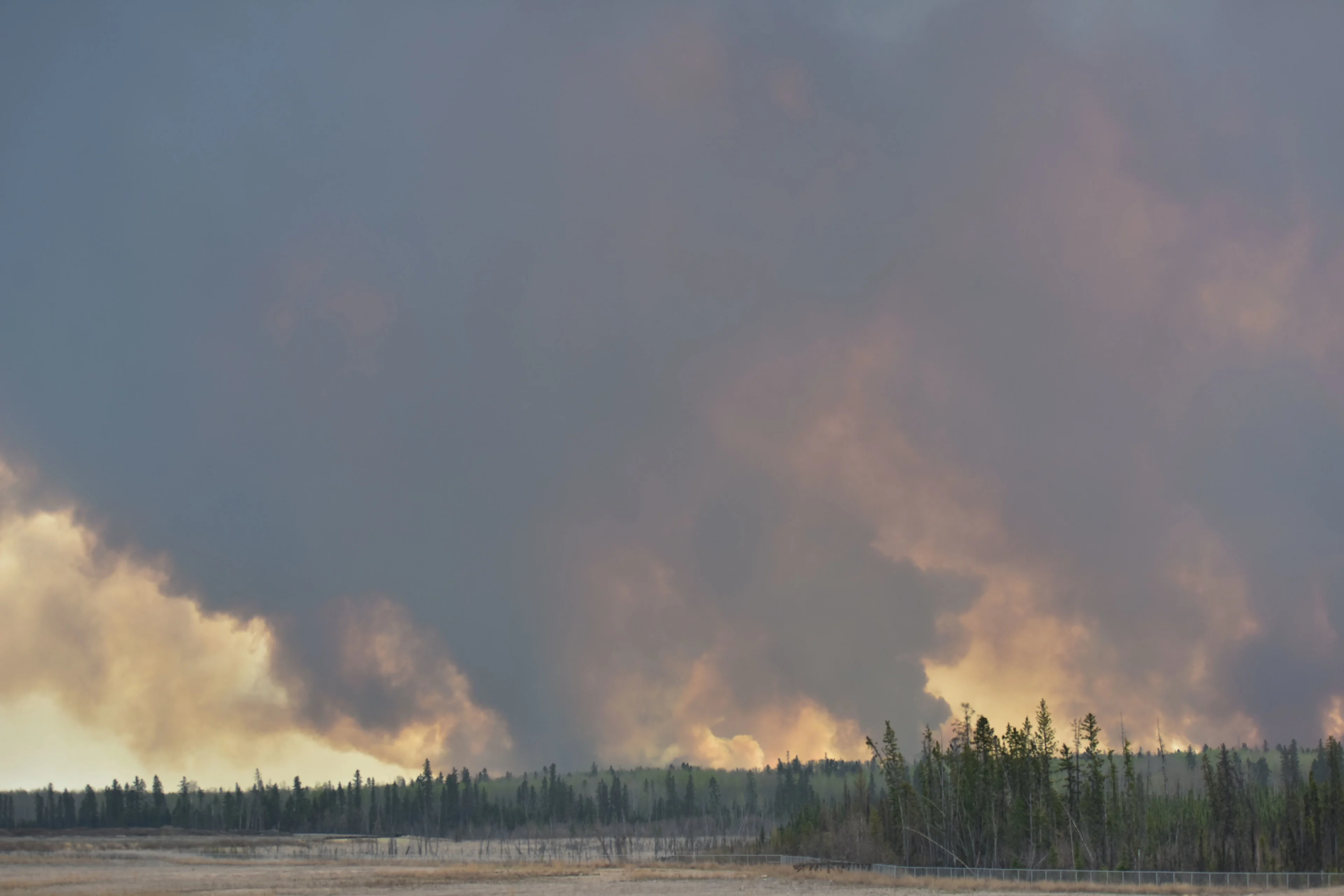
Fort McMurray, Alta., wildfire in May 2016. (Jude Groves/Submitted to The Weather Network)
"At the moment, it didn't seem that way, but I try to look back on the more positive events that happened during the packing and the leaving. What my husband was packing [were] the most random things. He packed them a full suit with suspenders, and a bow tie," said Gillis.
Climate change makes extreme wildfires more likely
With Canada experiencing some of its worst wildfire seasons on record in this decade (2023, 2025 and 2024), and Lytton, B.C., getting consumed by a wildfire in June 2021, the chances of seeing more extreme events similar to the 2016 Fort McMurray blaze are on the rise.
In an interview with The Weather Network, Mike Flannigan, wildfire researcher and professor, said Canada is seeing a surge in wildfires with the country's burned areas quadrupling since the early 1970s.
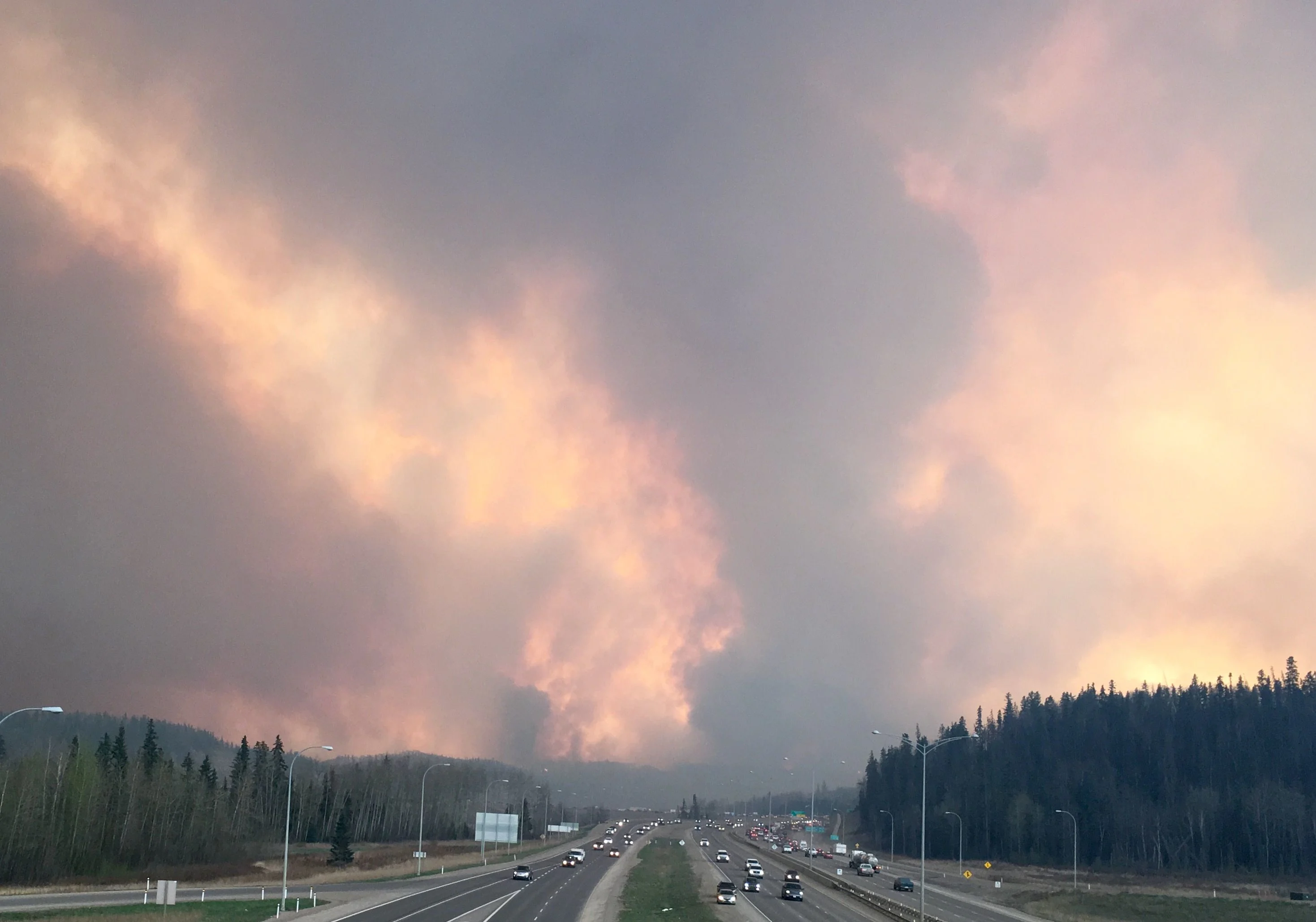
Fort McMurray, Alta., wildfire in May 2016. (Jude Groves/Submitted to The Weather Network)
“[Three per cent] of our fires [are responsible for] 97 per cent of our area burned. So, [it's] the tail wagging the dog. My colleagues and I attribute this largely, but not solely, to human-caused climate change. I can't be clearer than that," said Flannigan.
Tyler Hamilton, a meteorologist at The Weather Network, said "the fingerprints" of climate change have been popping up in Canada, especially with the Alberta heat wave in 2016.
"It's those extreme events that are so far out of the realm of the bell curve. That is something we're going to watch long-range across the country, as well as this clash between this climate, which is really altered. The odds of these extreme weather events and these large fires are growing across Canada," said Hamilton.
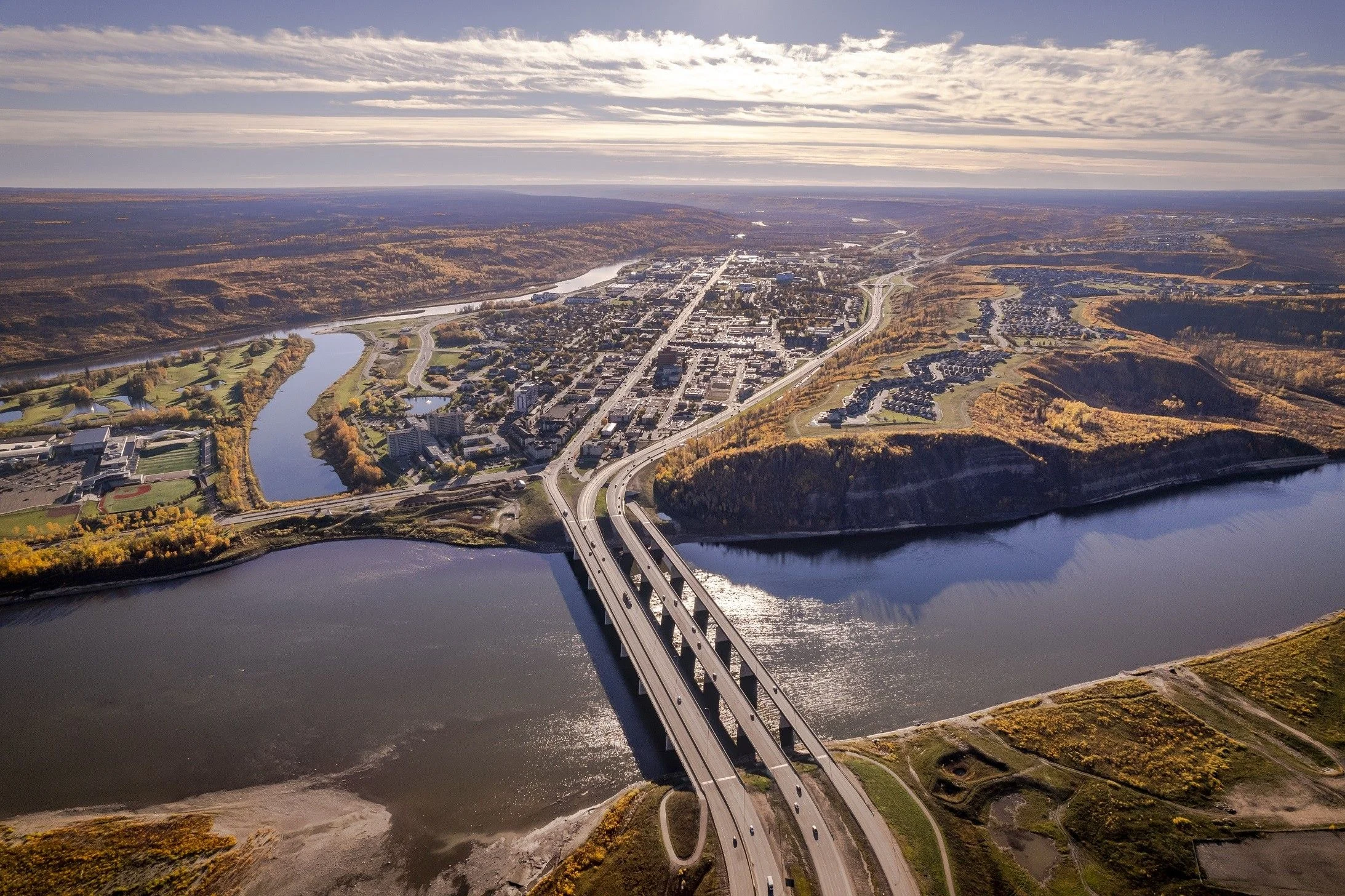
Downtown Fort McMurray, Alta. (Regional Municipality of Wood Buffalo/Submitted to The Weather Network)
The recovery of Fort McMurray is a perfect example of what happens when science, policy and traditional knowledge are put to good use. However, there is still work to be done.
The story of Fort McMurray, while tragic, shines a spotlight on the strength and willpower of Canadians, and community.
“I'm really hopeful that we're learning and understanding that this is our new normal. This is not an anomaly. And it's not that it's changing. It has changed and will continue to change," said Chris St. Clair, author and former weather presenter at The Weather Network.
"And it has to start on a small scale...what we do to protect ourselves.”
FULL DOCUMENTARY | The Beast: Revisiting Fort McMurray 10 years after the wildfire
With files from Connor O'Donovan, a video journalist at The Weather Network.