Weather could cast a vote in Tuesday’s U.S. midterm elections

The election will decide control of Congress and most state governments
Millions of Americans may head to the polls in heavy rain on Tuesday as the country faces its most active Election Day weather in years.
A strong system pushing toward the Great Lakes will produce widespread rain and thunderstorms from Texas to Michigan. Severe weather and flooding are possible in some areas.
Studies have long shown that foul weather can suppress voter turnout, which may prove critical in many close races across the country.
DON'T MISS: Staying safe from flash floods, a serious and deadly hazard
Tuesday’s election will determine thousands of federal, state, and local races throughout all 50 states.
Critical contests include all 435 seats in the U.S. House, 35 of the 100 seats in the U.S. Senate, 36 governorships, and thousands of seats in state legislatures.
Called 'midterms' because they fall midway through a president's four-year term in office, these elections will shape domestic and international politics for the next two years.
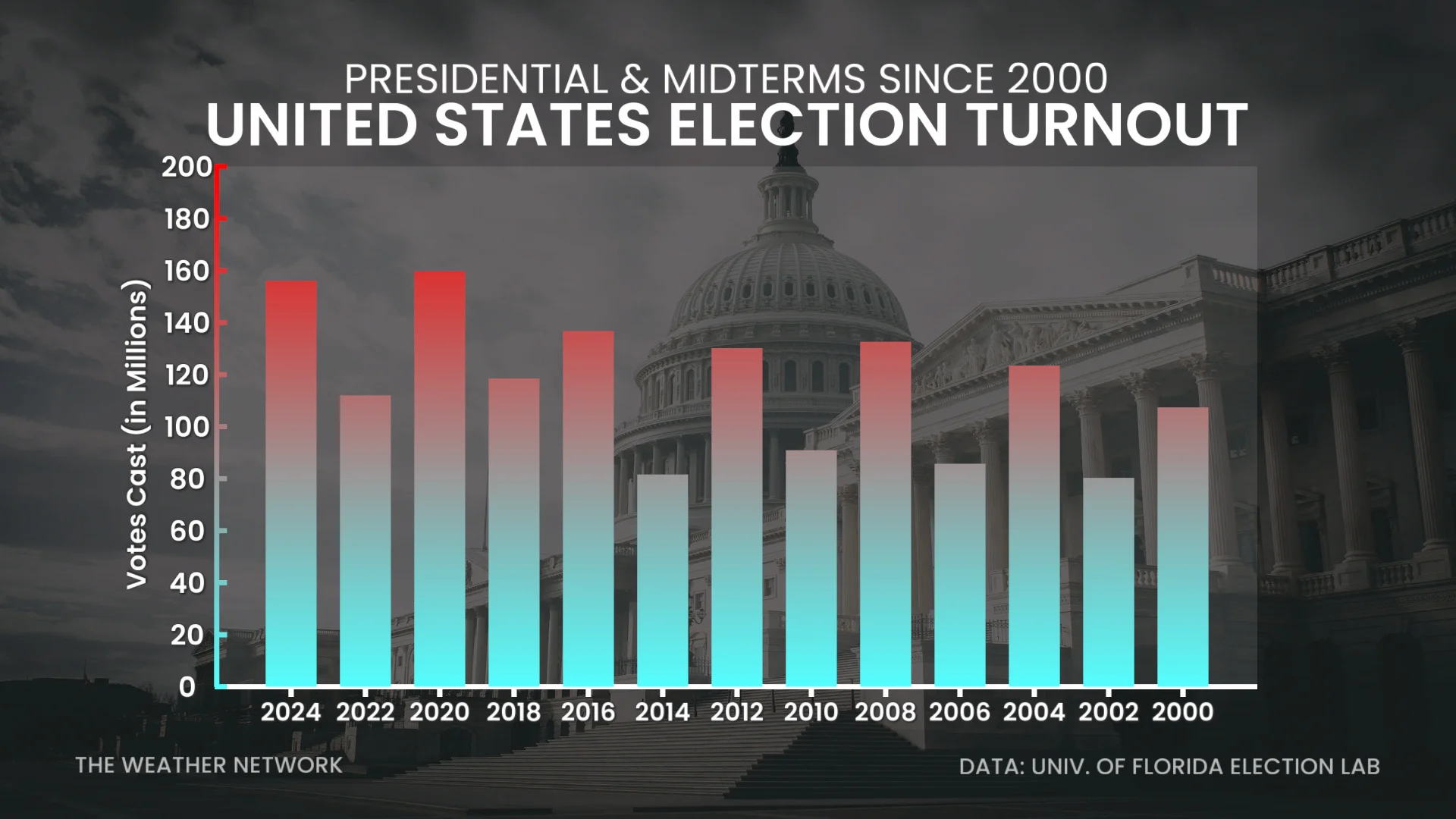
Voter turnout differs significantly between presidential and midterm elections. Since 2000, the average turnout rate for presidential races was 60.7 per cent. The rate fell by around one-third during midterm years.
Weather’s role in this year’s election
Rainy or otherwise severe weather during an election can have a tiny but measurable impact on voter turnout.
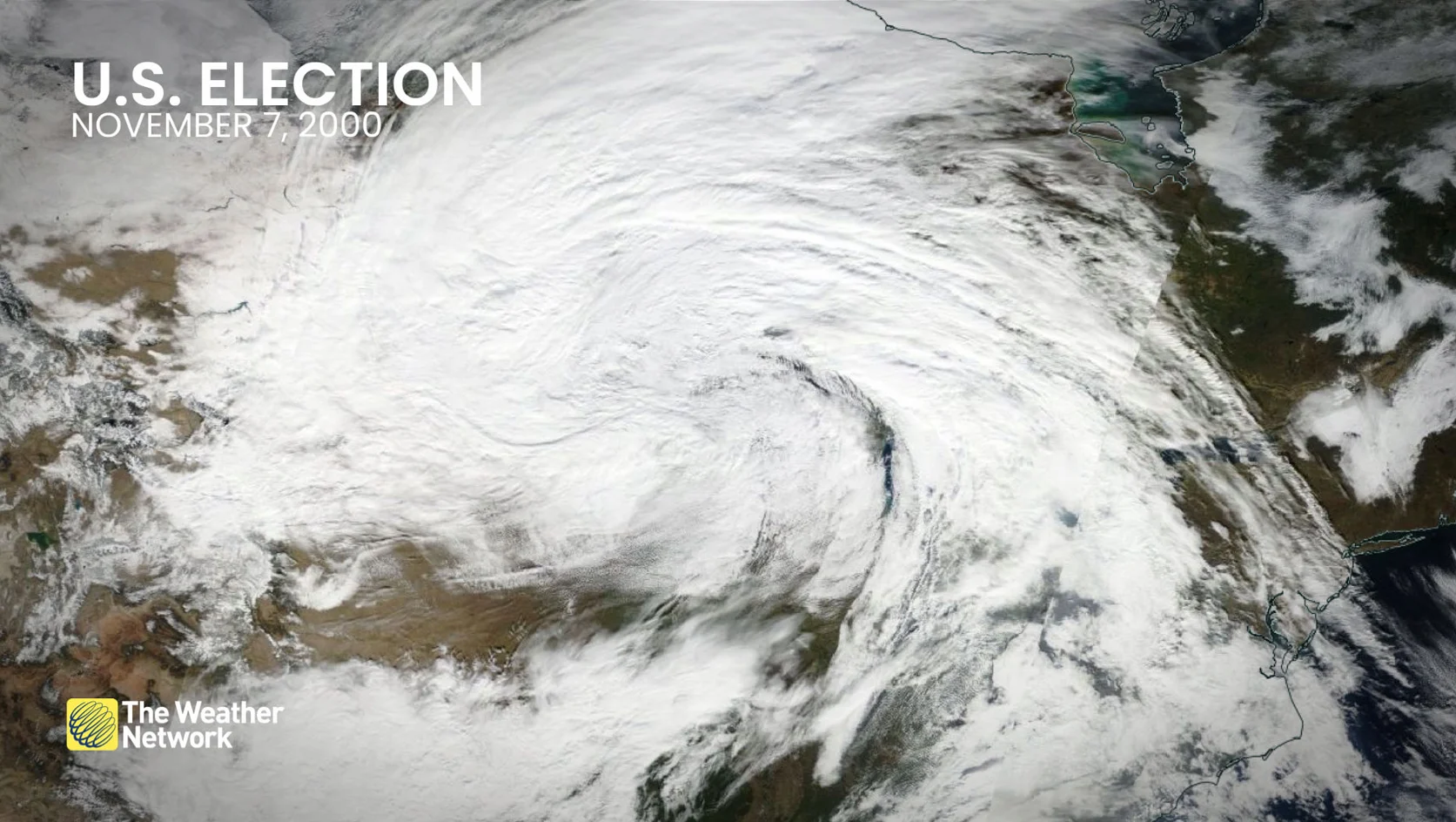
Even a small drop in turnout can have an outsized difference in close contests. The infamous 2000 presidential election may have been such a case, with foul weather hitting states that ultimately had very close results.
The prevalence of early voting has mitigated this issue to an extent. Data collected by the University of Florida shows that more than 54 million people have already voted in this year’s elections across the U.S.
But as many as half of all voters will still head to the polls Tuesday to cast their ballots. What can they expect?
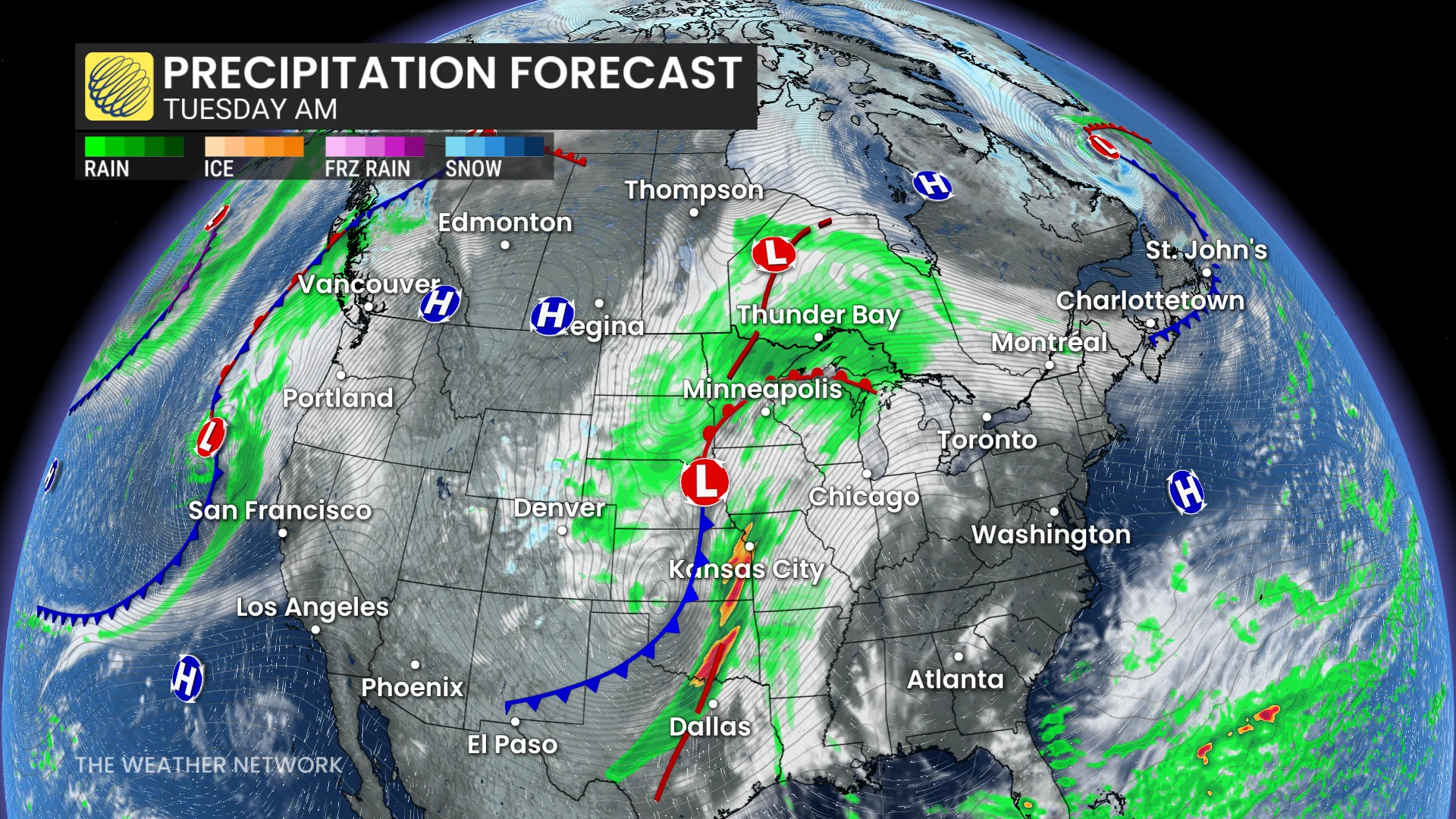
A strengthening Colorado low will move across the north-central U.S. through Election Day, bringing widespread rainfall from southern Texas to northern Michigan, covering several states and districts with races that political experts expect will be close.
Severe thunderstorms are possible across the lower Mississippi River Valley. Storms in this region could bring damaging wind gusts, one or two isolated tornadoes, and a risk for flash flooding.
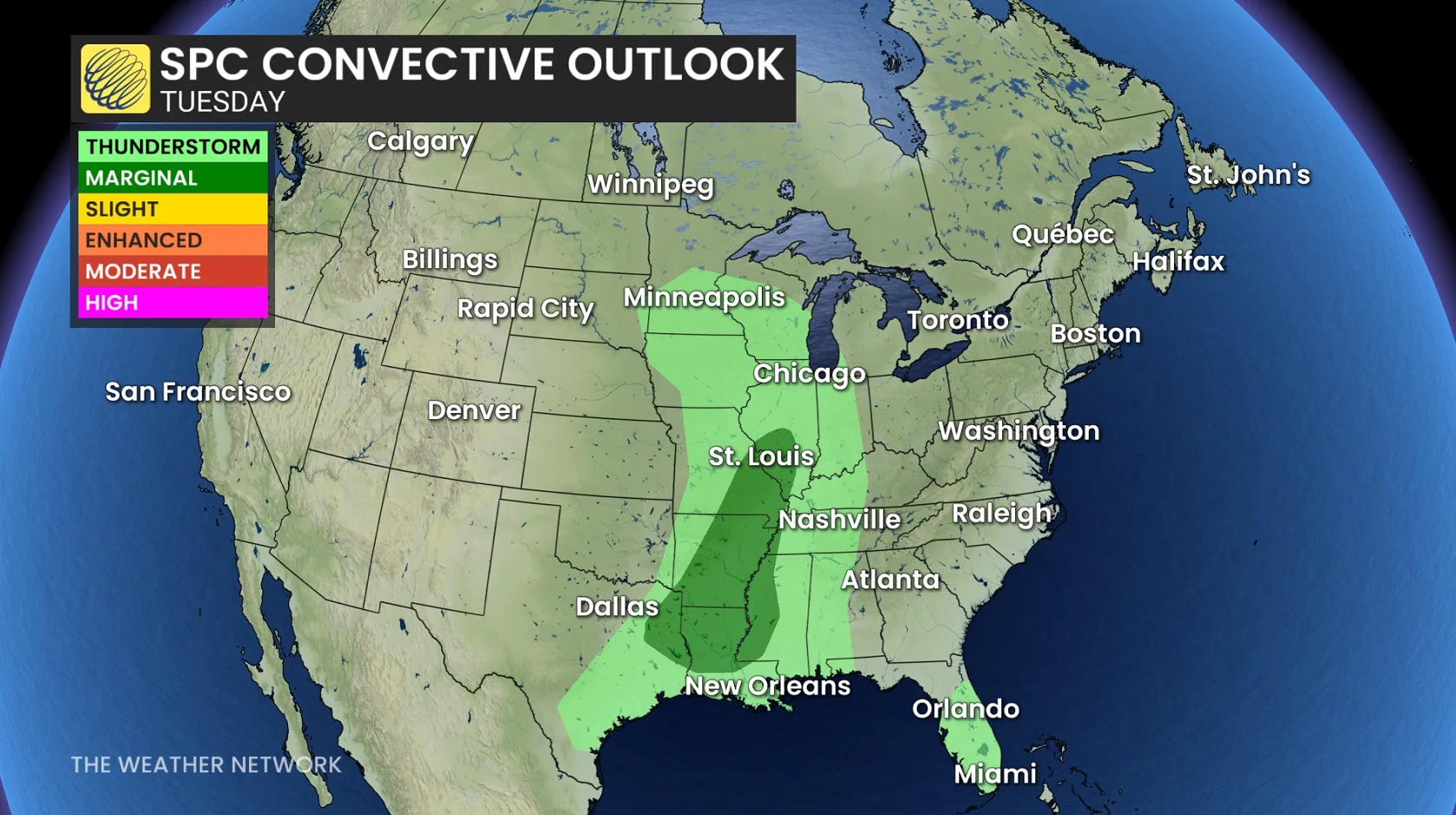
Steady rain will move into the northern half of California, although most voters there cast their ballots by mail. Florida may also see scattered showers and thunderstorms throughout the day.
Temperatures will remain unseasonably warm as southerly flow wraps into the Colorado low near the Great Lakes. We’ll see these above-seasonal conditions even extend into Ontario, where daytime highs well into the teens are likely on Tuesday.
The extent of rain and storms would likely make this the most active Election Day in the U.S. since 2018.