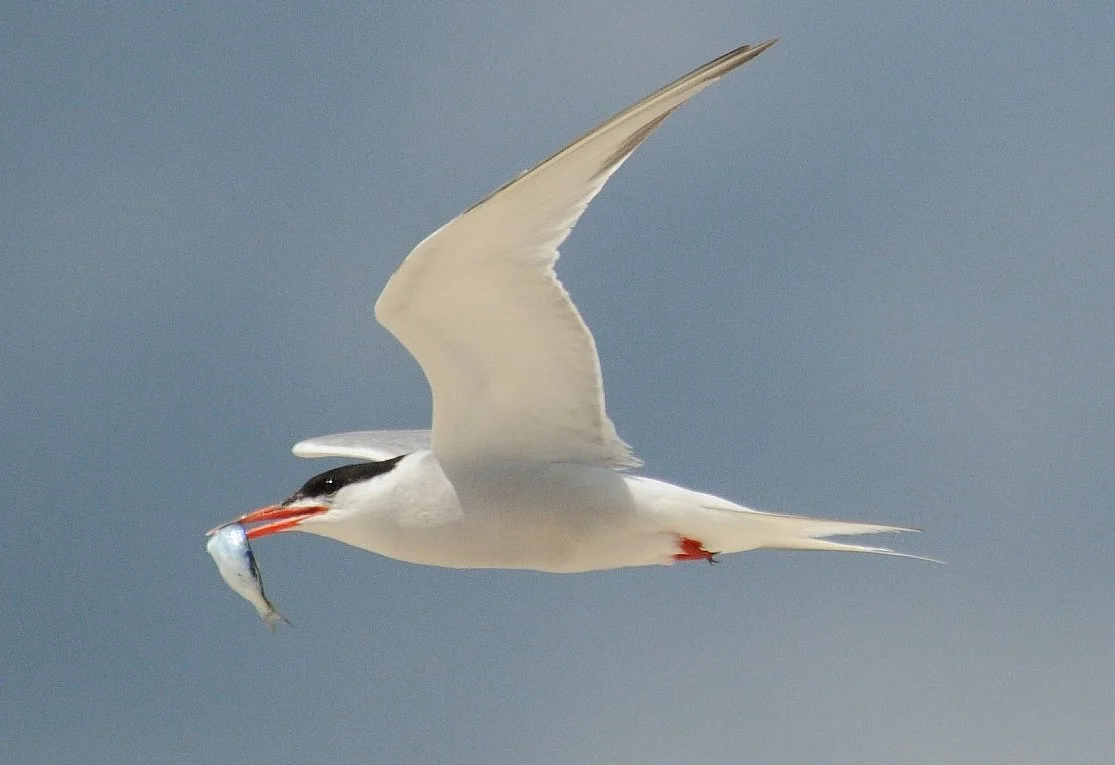
Hurricane Teddy will hurt East Coast seabirds. Here's how to help

Aside from the threat to the world of humankind, Atlantic Canada's sealife are also at risk from incoming Hurricane Teddy.
With Hurricane Teddy bearing down on Atlantic Canada, with Nova Scotia its first target, people across the region are preparing for the storm's effects.
But conservationists are warning the storm will be no picnic for many of the region's birds. 2019's Hurricane Dorian, for example, swept away "many thousands" of these birds, according to Diane LeBlanc, president of the Nova Scotia Bird Society.
LeBlanc says unlike Dorian's case, normally land-based and coastal bird species, such as swallows or warblers likely won't be as badly affected. But 'pelagic' species -- birds that spent most of their lives at sea or on islands -- are likely being swept along by the storm, ultimately to be left well inland when it finally abates.
"Pelagic birds have special features, like webbed feet, that are particularly helpful when living on the ocean, [and] these birds are structured differently than land birds – their feet are further back on the bodies," LeBlanc told The Weather Network. "That’s great for paddling around the ocean, but pelagic birds that are blown onshore are in trouble because once grounded, they become stranded."
WATCH BELOW: EVERYTHING YOU NEED TO KNOW ABOUT THE ICONIC ATLANTIC PUFFIN
LeBlanc says stranded birds will need assistance, and has these tips for people looking to help:
SAFETY FIRST
Make sure you and others are safe – the hurricane will bring high winds and large waves – do not put yourself or others in danger.
You may see birds stranded on the roads and you may be tempted to help. Remember your driving rules first and stay safe.
PREPARE
Keep a pair of gloves and a box on hand.
The natural oils in pelagic bird’s feathers keep it waterproof. The natural oils in human hands will damage the waterproofing, so avoid handling it with bare hands.
ACT
If you see a stranded bird and can safely take action, put on your gloves and gently pick up the bird.
Place the bird in a box that is just a bit larger than the bird and close the lid. Do not give the bird water or food until you check with a rehab centre or other expert.
Place the box in a dark, quiet place, like a closet or a bathroom.
"Remember, these birds have been caught up in a major hurricane so they may be exhausted and confused," LeBlanc says. "Minimize human contact to avoid frightening the animal."
CALL
Get in touch with a wildlife rehab centre or emergency animal hospital. IN Nova Scotia, LeBlanc recommends the following:
Cobequid Wildlife Rehab Centre (902-893-0253)
Hope For Wildlife (902-407-9453)
--