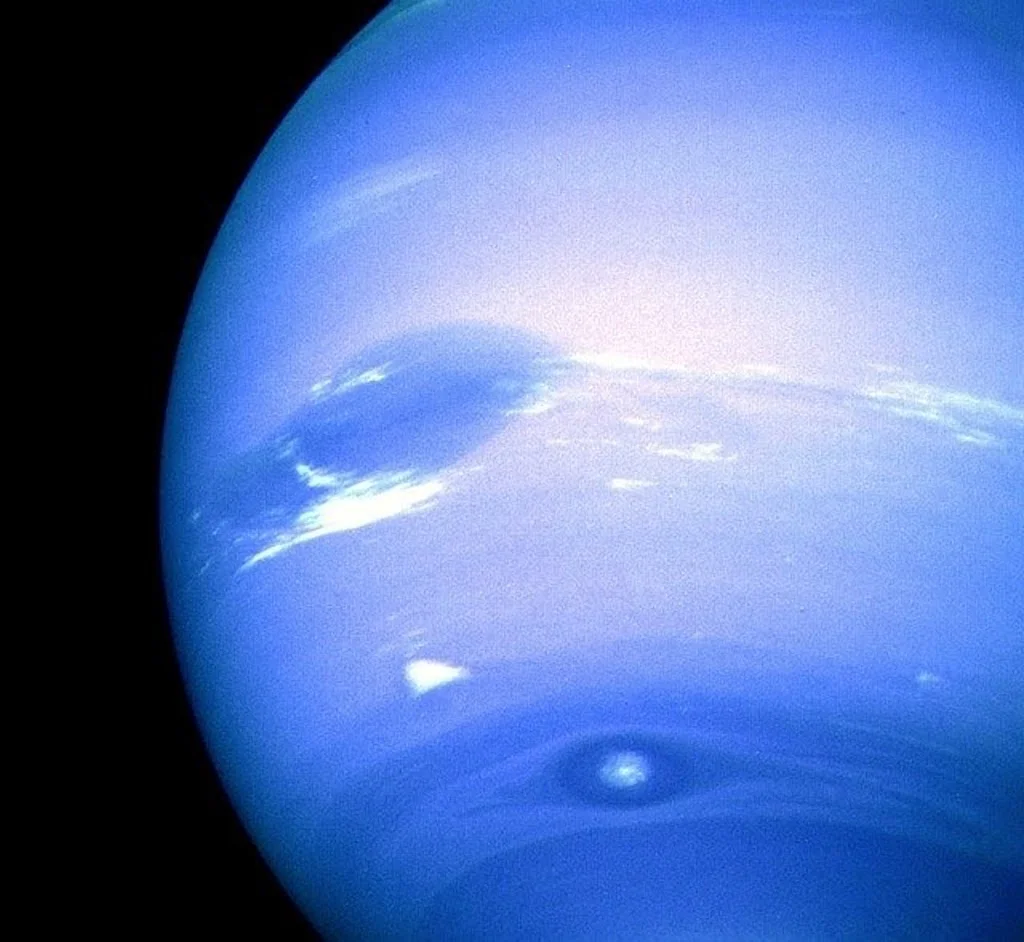
September 24, 1846 - The Day Neptune Entered Our Solar System

What Galileo originally thought was a blue star in 1613 eventually turned out to be Neptune -- discovered on Sept. 24, 1846.
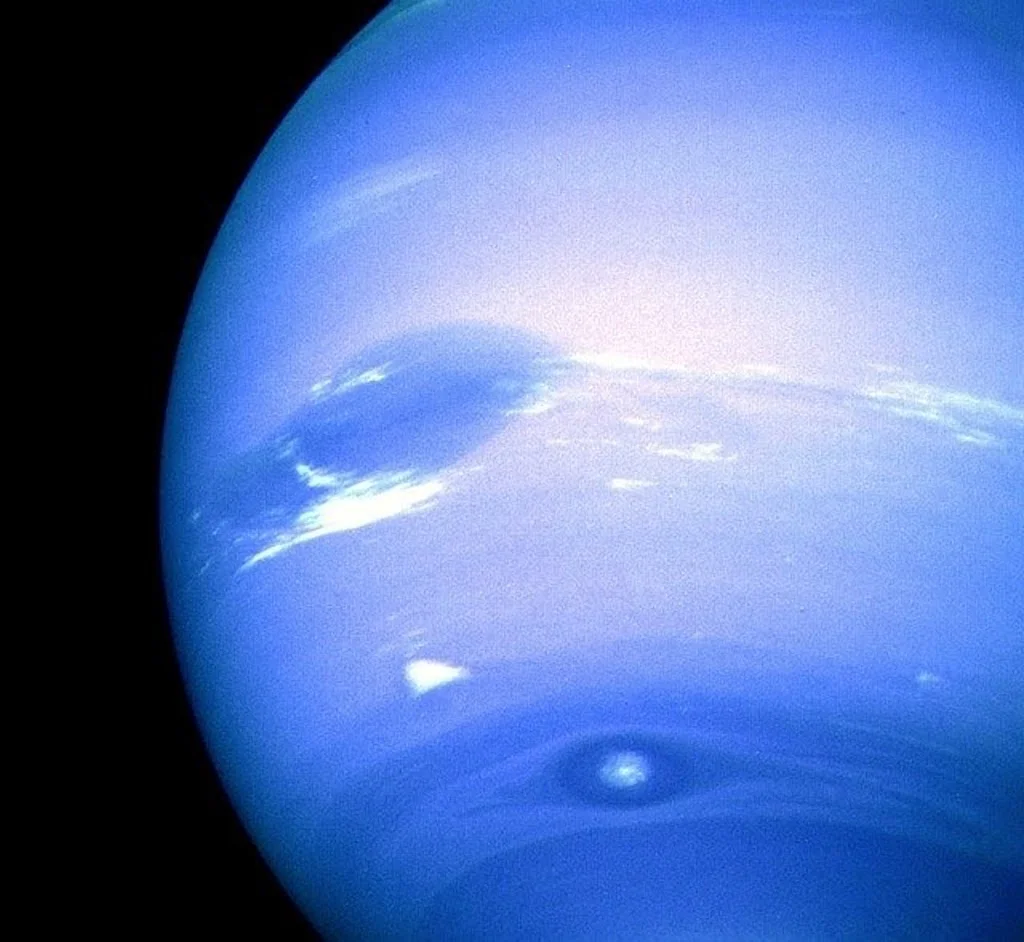
Neptune was discovered on Sept. 24, 1846. Photo: Pixabay
Subscribe: Apple Podcasts | Amazon Alexa | Google Assistant | Spotify | Google Podcasts | iHeartRadio | Overcast
Neptune is the eighth planet from the Sun. Its existence was first postulated by French astronomer Urbain-Jean-Joseph Le Verrier, from observations and calculations while he was studying gravity-induced wobbles of the seventh planet from the Sun, Uranus.
This gave Le Verrier the general area that there may be another celestial body, out beyond Uranus, causing these wobbles. But remember, for a 19th-century telescope to be able to peer out from Earth's surface, break through our many layers of atmosphere and see deep into our night sky, you must have clear enough skies!
On Sept. 24, 1846, just 15 minutes after midnight, German astronomer Johann Gottfried Galle discovered the planet Neptune at the Berlin Observatory. The name of the planet is derived from the Roman God of the sea, due to its ocean-blue colour.
On today's podcast, Chris Mei talks about the discovery of Neptune and how its addition to the solar system gave us a more comprehensive understanding of Earth.
"This Day In Weather History” is a daily podcast by The Weather Network that features unique and informative stories from host Chris Mei.