Science community wowed by miniature frog discovery in Mexico

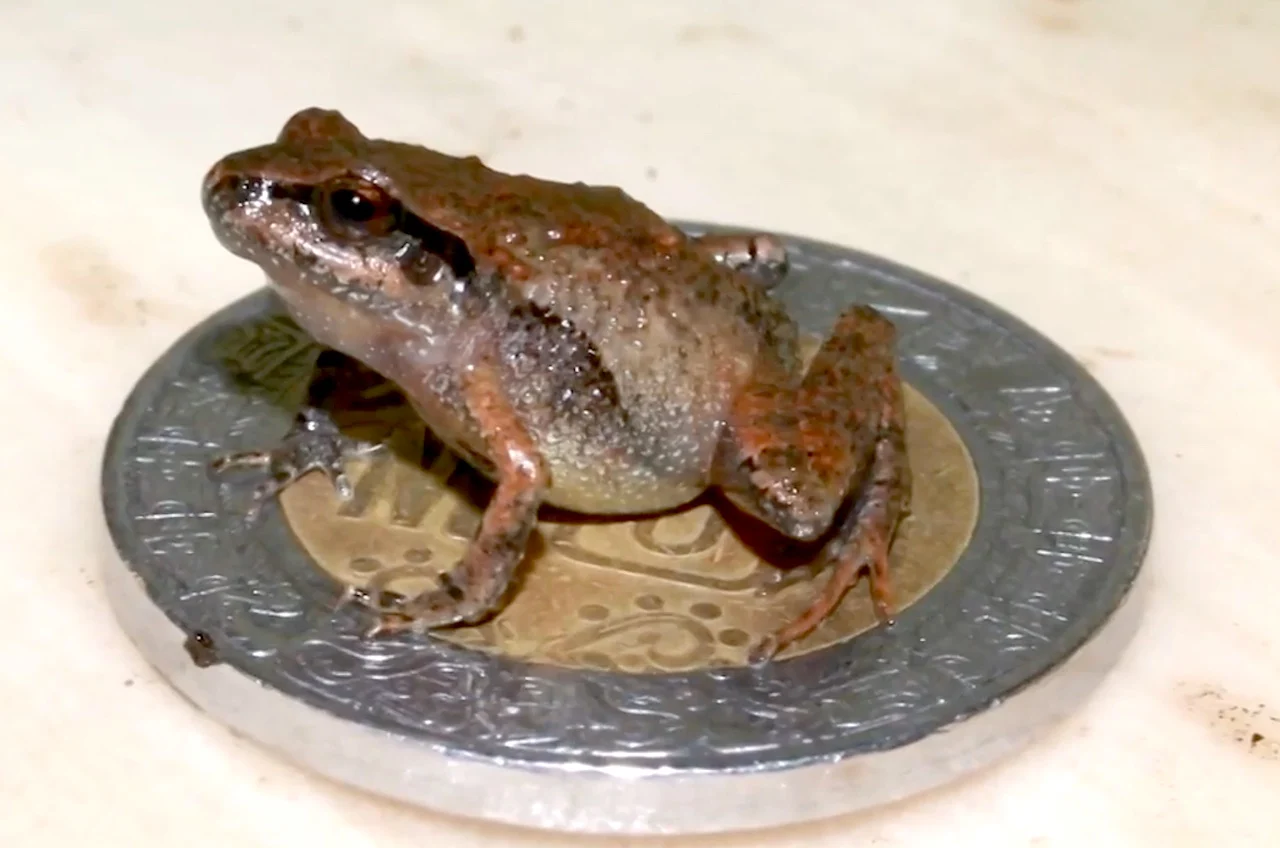
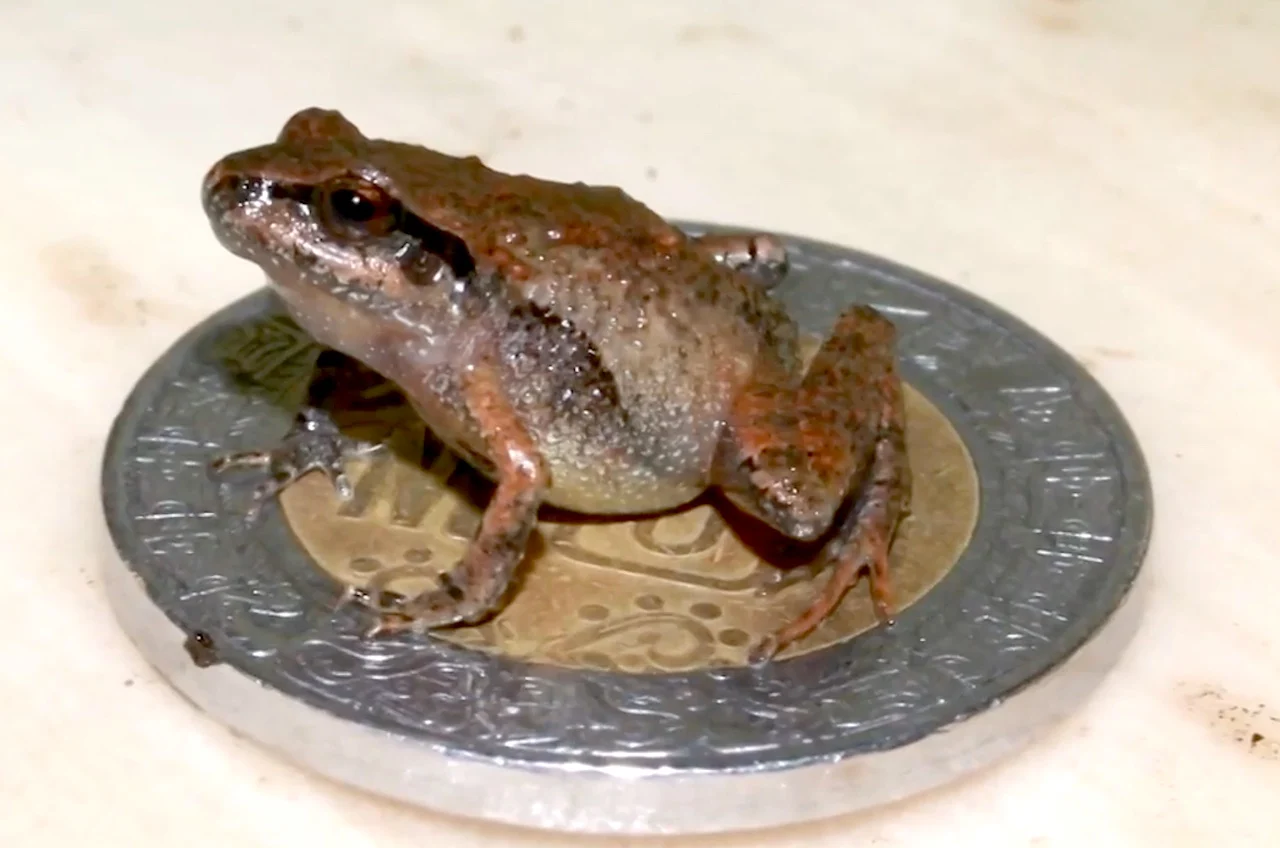
The adult males of the smallest frog species discovered, named Craugastor candelariensis, only grow to 13 mm -- smaller than a penny (19.05 mm).
Scientists are marvelled by the surprising detection of six new species of a miniature frog in Mexico.
The recent finding was made by researchers from the University of Cambridge, London's Natural History Museum and the University of Texas at Arlington. The new species are quite tiny in size, all smaller than a penny (19.05 millimetres in diameter). The adult males of the smallest of the species, named Craugastor candelariensis, only grow to 13 mm.
SEE ALSO: Scientists unravel shocking new 'chocolate' frog in New Guinea
"Until now these new species have gone unnoticed because they're small and brown, and look really similar to other frogs," Tom Jameson, a researcher at Cambridge's Department of Zoology and University Museum of Zoology, said in a news release.
According to the University of Cambridge, the frogs house themselves amongst the leaf litter of Mexico's forest floors. There isn't much known about their behaviour and social lives, as they are still rather mysterious, Jameson said.
(University of Cambridge/CNN)
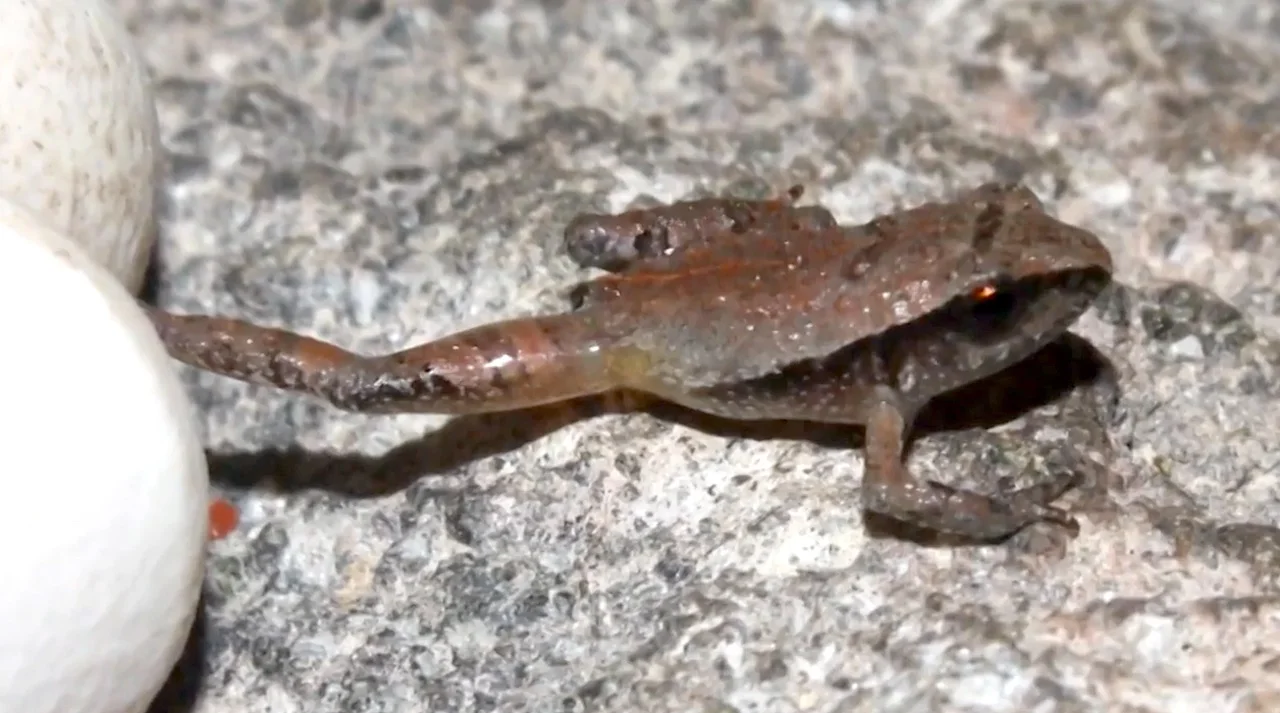
The new species are considered to be "direct-developing" frogs. Whereas most frogs hatch from eggs into tadpoles, these species surface from the eggs as intact miniature frogs. Because of their small stature, they’re at the very bottom of the forest food chain.
“With millions of these frogs living in the leaf litter, we think they’re likely to play a hugely important role in the ecosystem as a source of food for everything else -- from lizards to predatory birds,” said Jameson.
NEW SPECIES ARE ALREADY ENDANGERED
Referred to as ‘micro-endemics,' researchers said some of the frogs may be found in one small area, such as a hilltop in a part of Mexico, making them extremely vulnerable.
The frogs are facing threats from habitat loss and a deadly fungal disease, chytridiomycosis, which is eliminating amphibian populations across the world.
(University of Cambridge/CNN)
“These frogs potentially play a really important role in the forest ecosystem,” said Jameson. “We need to make sure that they don’t just get wiped off the map because no one even knows they’re there.”
Jameson, who led the study, believes there are likely "many more" species of the Craugastor frog that are yet to be found since no one has had the opportunity to search for them, yet.
Researchers are still optimistic the small frogs have a future, despite their status. Vital protected areas across Mexico have been identified, pinpointing exactly where the new species are living. They are aiming to work with the government and non-governmental organizations in the country to connect the areas.
The findings detailing the new miniature frog species were published this month in the journal Herpetological Monographs.
Thumbnail courtesy of the University of Cambridge/CNN.
Follow Nathan Howes on Twitter.