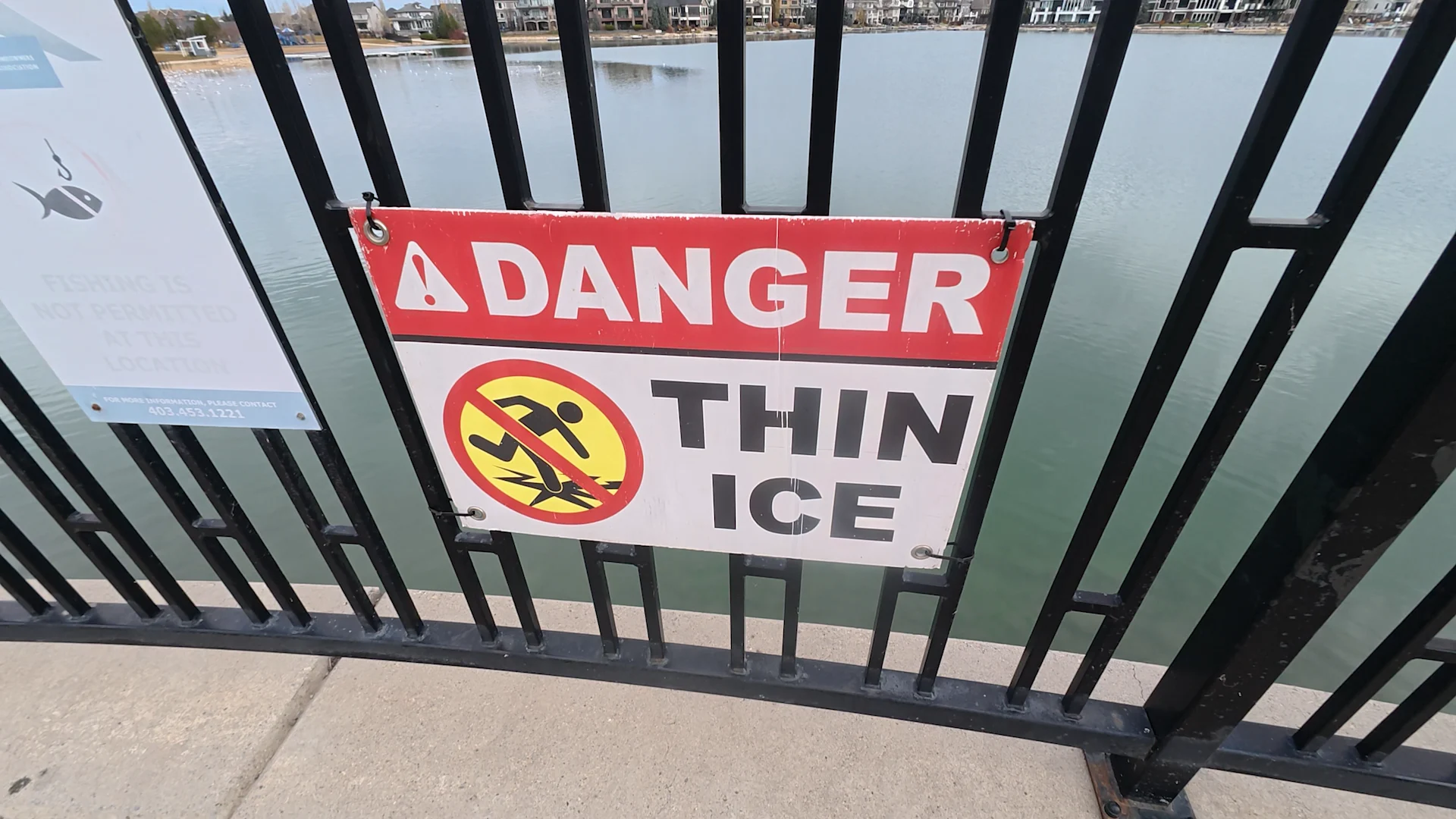
El Niño could put your outdoor rink plans on thin ice this year

Will warmer winters due to El Niño put a damper on your outdoor skating plans? We delve into the data, detailing which regions are likely to see weather cold enough to build an outdoor ice rink.
While some may celebrate the warmth El Niño typically brings to Canada in the winter, Canadians eager to hit the outdoor rink may not end up so cheery in the upcoming season.
One outdoor rink-building expert says many Canadians are already on the cusp of not seeing cold enough winters to reliably construct outdoor rinks, and this year’s El Niño pattern may put them over the edge.
“I think this winter is really going to be a challenge in southwestern Ontario, which is always just sort of at the margin of being cold enough for outdoor skating throughout much of the winter,” says Robert McLeman, environmental studies professor at Wilfred Laurier University.
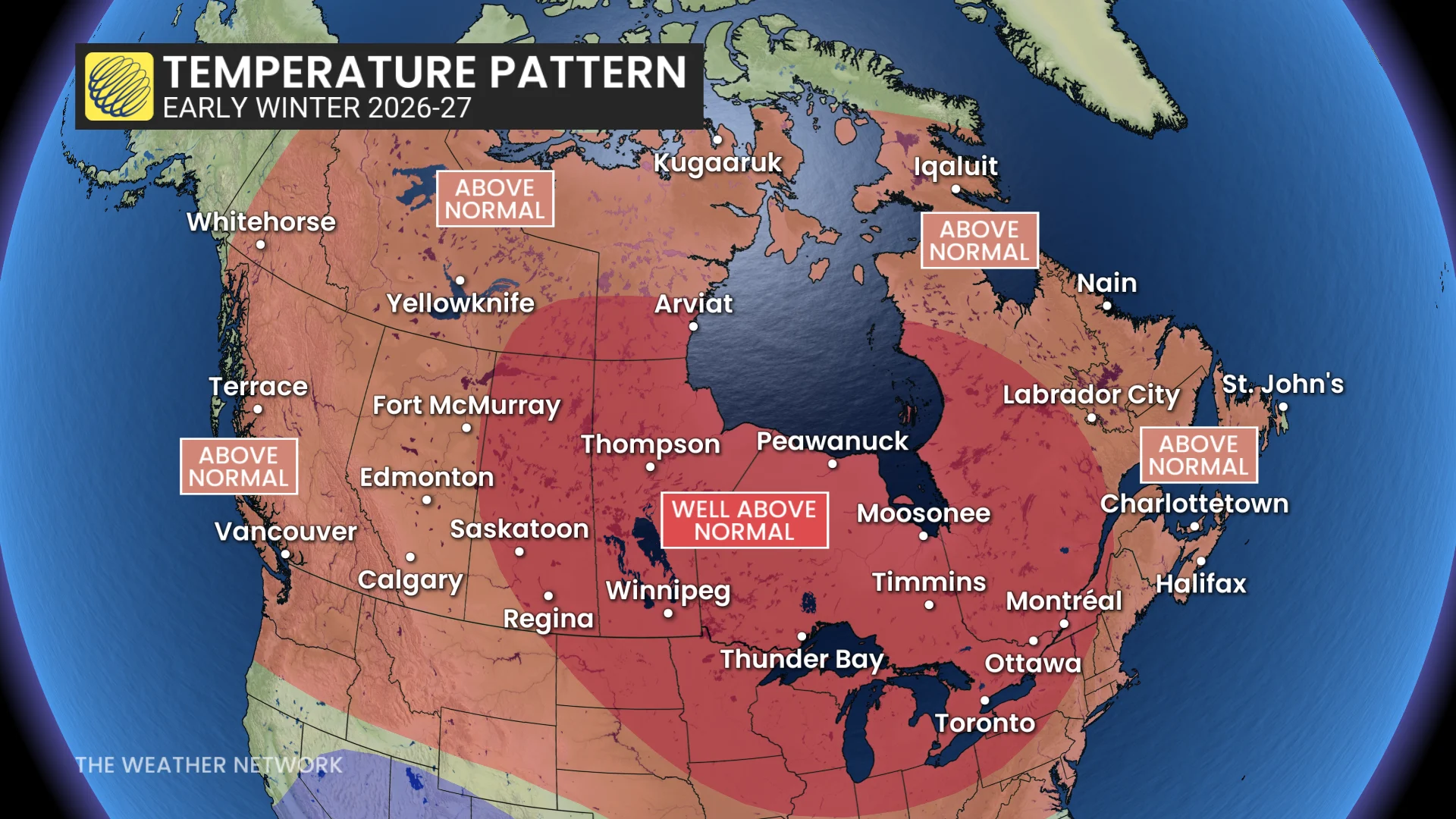
“Atlantic Canada, and anywhere around the Great Lakes and along the St. Lawrence River, is going to be challenging. The Prairies will probably be more variable, but we’re likely not going to see an early start to skating there.”
McLeman is the director of the RinkWatch citizen science project, which has been collecting and analyzing user-submitted data on outdoor rink construction and quality for nearly 15 years.
The project was launched, McLeman says, because outdoor rinks are “especially sensitive to variations in weather conditions” and are a “good indicator of what’s happening in Canadians’ backyards."
He says several insights have become apparent since the project began, including that average daily temperatures around -5°C are needed to build a quality, easily maintained outdoor rink.

(Getty Images/Mary Baratto/1970458995-170667a)
Furthermore, data collected during the last exceptionally strong El Niño event, which impacted the winter of 2015-16, showed Canadians struggled to build and maintain their outdoor rinks that year.
Not only does El Niño tend to bring above-average winter warmth to much of Canada, it can also increase the intensity and frequency of freeze-thaw cycles, and bring more rain and freezing rain to parts of the country that may otherwise see snow.
“The last time we saw a really significant El Niño, what we see from our RinkWatch data, is a lot of complaints about rinks freezing and thawing, a late start and a lot of heavy precipitation events, which are really problematic for outdoor rinks,” McLeman explains.
“If it’s snow, you have to clear it, and if it’s freezing rain, that ruins your surface.”
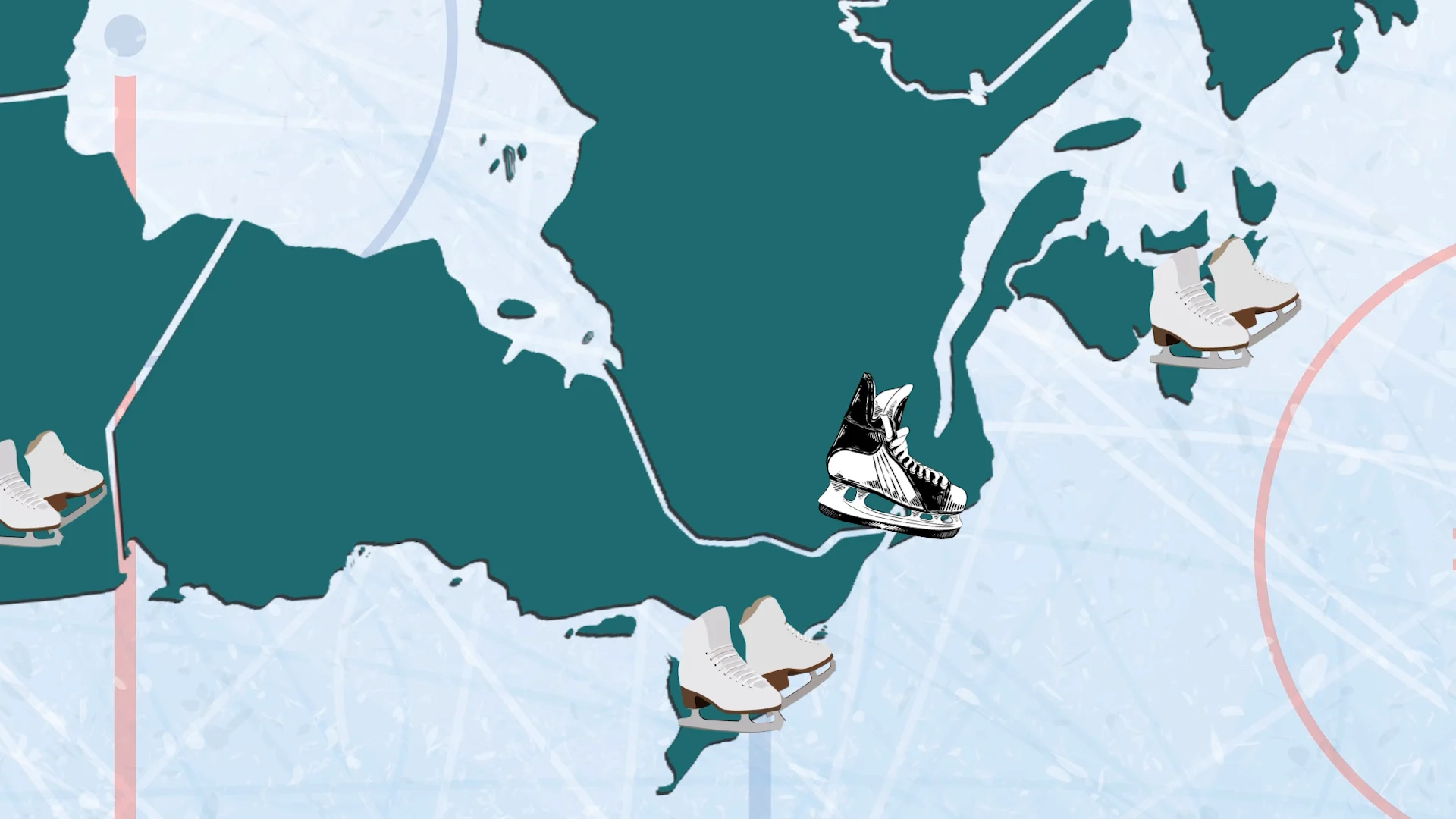
Robert McLeman says areas in southwestern Ontario, Atlantic Canada, and along the Great Lakes and St. Lawrence River may see challenging conditions for outdoor rink building this winter. (The Weather Network)
Of course, even a “super” El Niño won’t spare Canada from cold spells completely.
If you’re still determined to set up that backyard skating surface, McLeman recommends using a liner to help hold in water when warmer weather arrives.
“Folks up in areas like Fort McMurray, [Alta.], northern Saskatchewan and northern Quebec...they don’t need to worry, it’ll still be cold enough,” he says.
“But in the bigger centres, like Calgary, Toronto or Montreal, it’s going to be a headache for those building backyard rinks, and an even bigger headache for municipal governments who are often maintaining bigger, harder to maintain rinks.”
If you can stomach a bit more bad rink-related news, McLeman says this winter will be a sign of things to come in Canada.
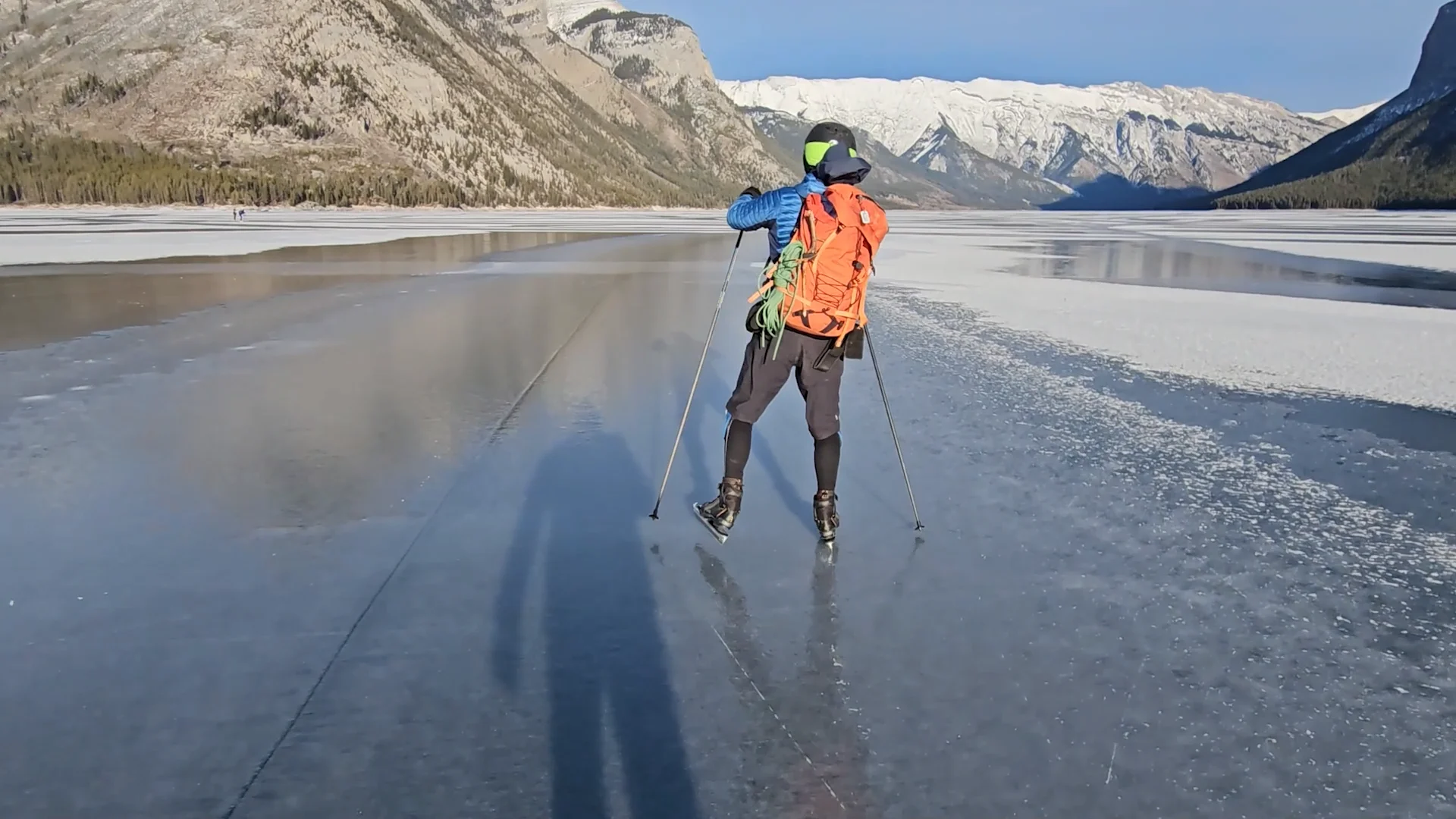
McLeman says it will be especially important to take care on natural ice surfaces this winter, as large bodies of water like lakes hold onto and release warmth slowly. It’s always recommended to test ice depth with a tool, like an ice screw, before skating the surface. (Connor O'Donovan/The Weather Network)
He and his team have used RinkWatch insights to reconstruct the quality of skating seasons decades into the past, and to predict how they may look into the future.
He says that thanks to warming trends related to climate change, the “line” over which outdoor rink building becomes difficult is moving farther north, and that it may eclipse some classically Canadian regions in the years ahead.
“If you project a few decades into the future, places like Calgary, Regina and even Winnipeg, may fall within that southern Ontario-type of climate where you get these fluctuating conditions that make building an outdoor rink more challenging,” he says.
“I’m afraid that the trajectory we’re on with warming temperatures, and with burning more fossil fuels than ever before, that’s the future we’re heading towards.”