Popular Slovenian cave offers public a rare glimpse of 'baby dragons'

After being hidden from the public for years, people can view the 'baby dragons' up close, but only 30 visitors a day will be permitted.
When you hear someone mention dragons, you often think of mythical tales written in literature or portrayed in movies, but in Slovenia, these baby olms are just as good as they get in reality.
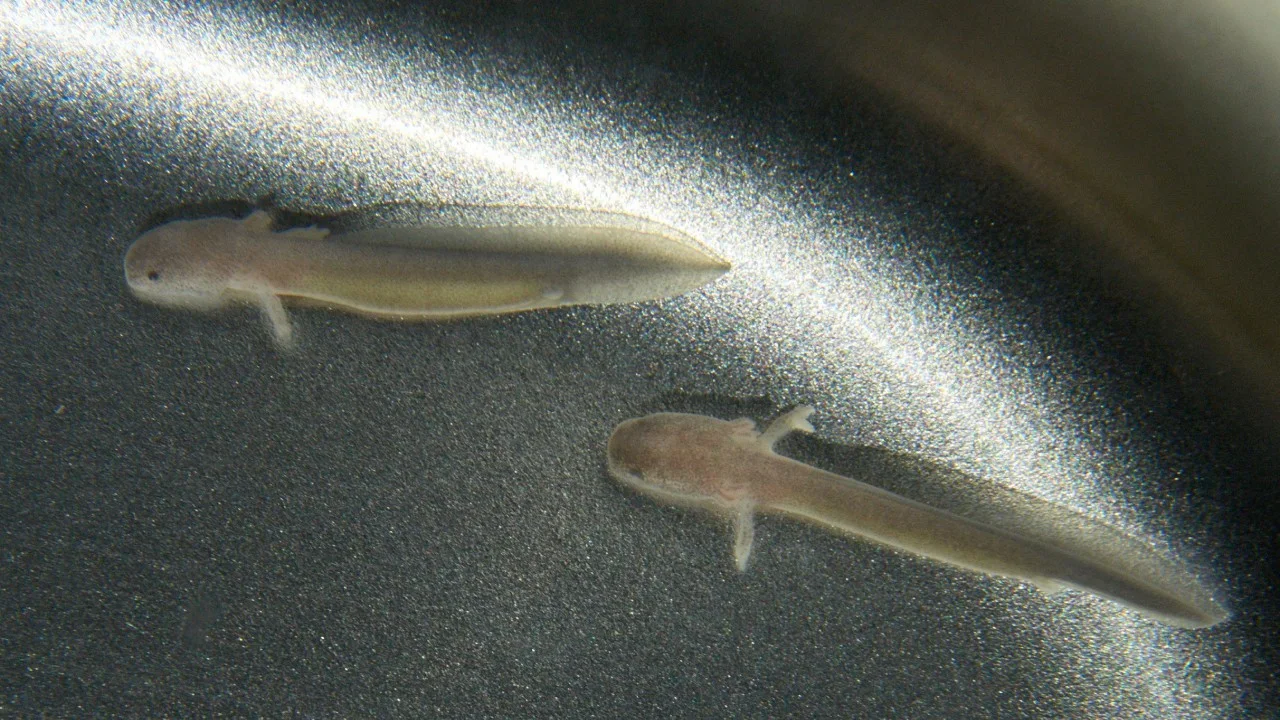
On Thursday, Slovenia's Postojna Cave put up three "baby dragons" for display after years of secrecy from the public eye. In 2016, they were hatched in what was deemed a rare successful breeding, officials said.
SEE ALSO: Mosquito spit could help stop the next epidemic, researchers say
However, the viewings will be quite limited - only 30 visitors a day will be allowed to see the ancient underwater predators that have a lifespan of to 100 years. They only breed once every 10 years.
"We are proud to present three out of the 21 baby olms, the world-famous 'dragon's offspring', which we have kept a close eye on since 2016," the Postojna Cave said in a statement.
The three on display are among a group of 21 babies born in 2016, resulting from one of the olms laying around 60 eggs in one of the observation tanks. For their protection, as well as to collect information about the creatures, cave officials kept them closed off from visitors in a laboratory as their "best kept and most carefully guarded secret," according to the new release.
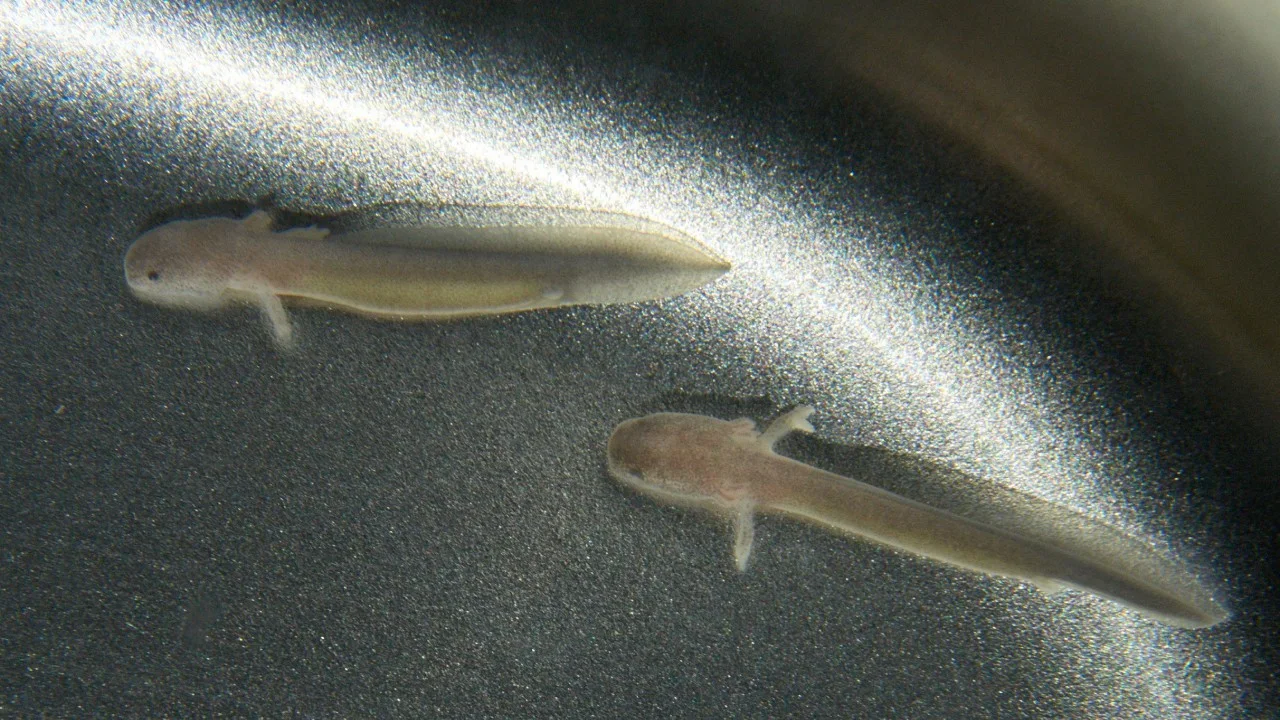
Three newborn olms, known as "baby dragons," are now on display in the Postojna Cave. Photo: Park Postojnska Jama.
"It was very moving, but also frightening, because we knew all along that something unique was happening and that it was up to us how everything would turn out in the end. We had a huge responsibility as the very things started happening to us that Postojna Cave had been hoping for centuries," says Katja Dolenc Batagelj, head of the cave laboratory.
The olm is blind and quite small, only reaching a maximum length of 35 centimetres. It is not quite the same dragon that is often envisioned in popular folklore. Also commonly referred to as a "human fish", the thin vertebrate boasts three feathery gills on each side of its extended snout. The body's pink exterior makes its internal organs quite transparent.
Confined mostly to Balkan cave rivers, the olms have been residing in the popular Postojna Cave, southwest of Ljubljana, for millions of years, according to researchers. The species, which is protected, can survive without food for as long as a decade.
The unveiling of the baby dragons' showing comes mere days after the cave reopened its doors following three months of closure due to the COVID-19 pandemic.
Thumbnail courtesy of Park Postojnska Jama.
Sources: Science Alert | Park Postojnska Jama