P.E.I. seeing nearly 100% oyster mortality rate as 2 diseases hurt industry

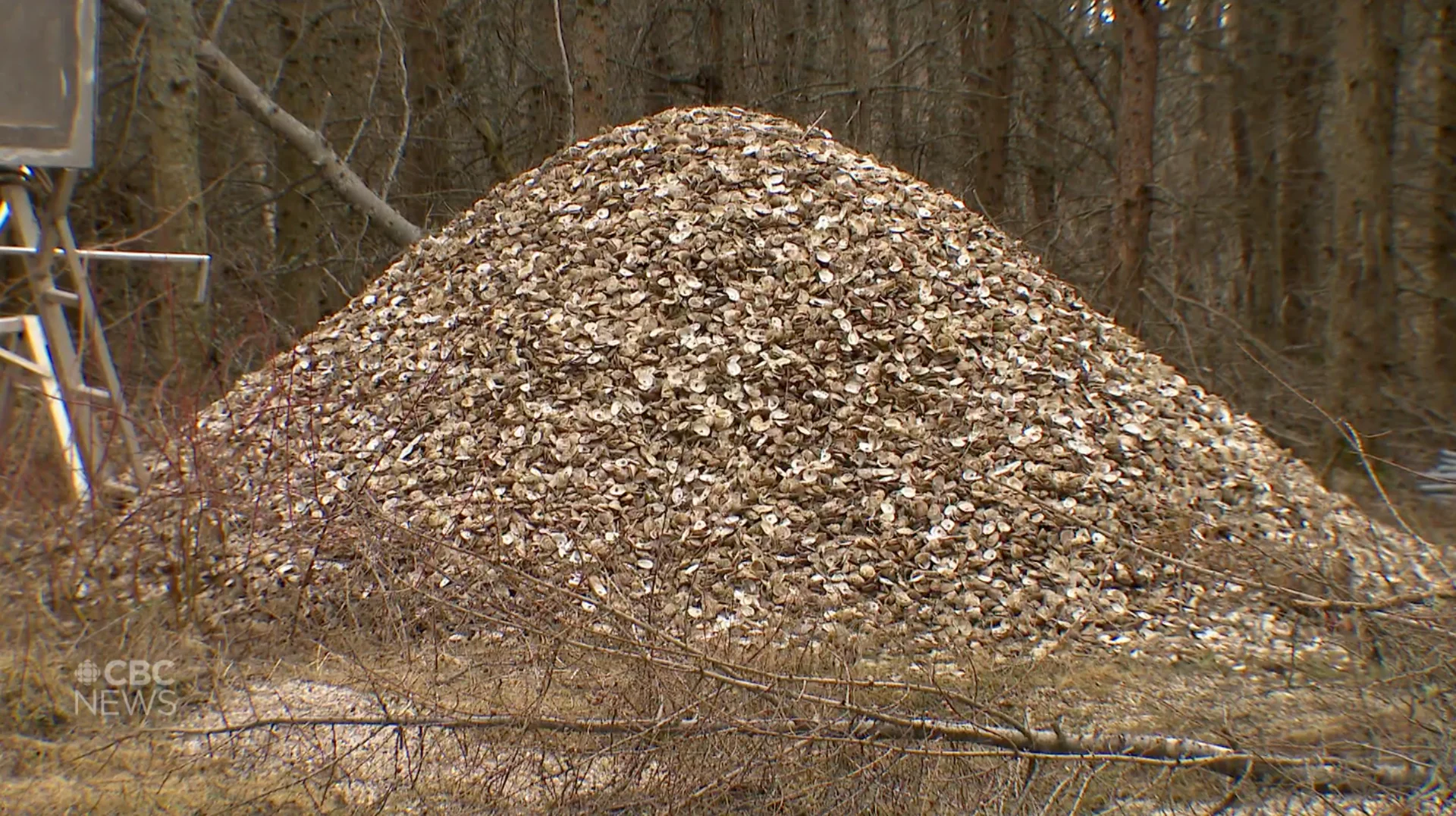
Oyster growers in Prince Edward Island are taking their livelihood out of the water and dumping it into piles along roadsides and their own driveways.
The industry has been hit hard by MSX and dermo, two diseases that are harmless to people but can be fatal to the mollusk — and people who work in the industry say they're wiping out the sector.
As they begin to pull cages up after the winter months, many fishers are reporting that all of their oysters are dead.
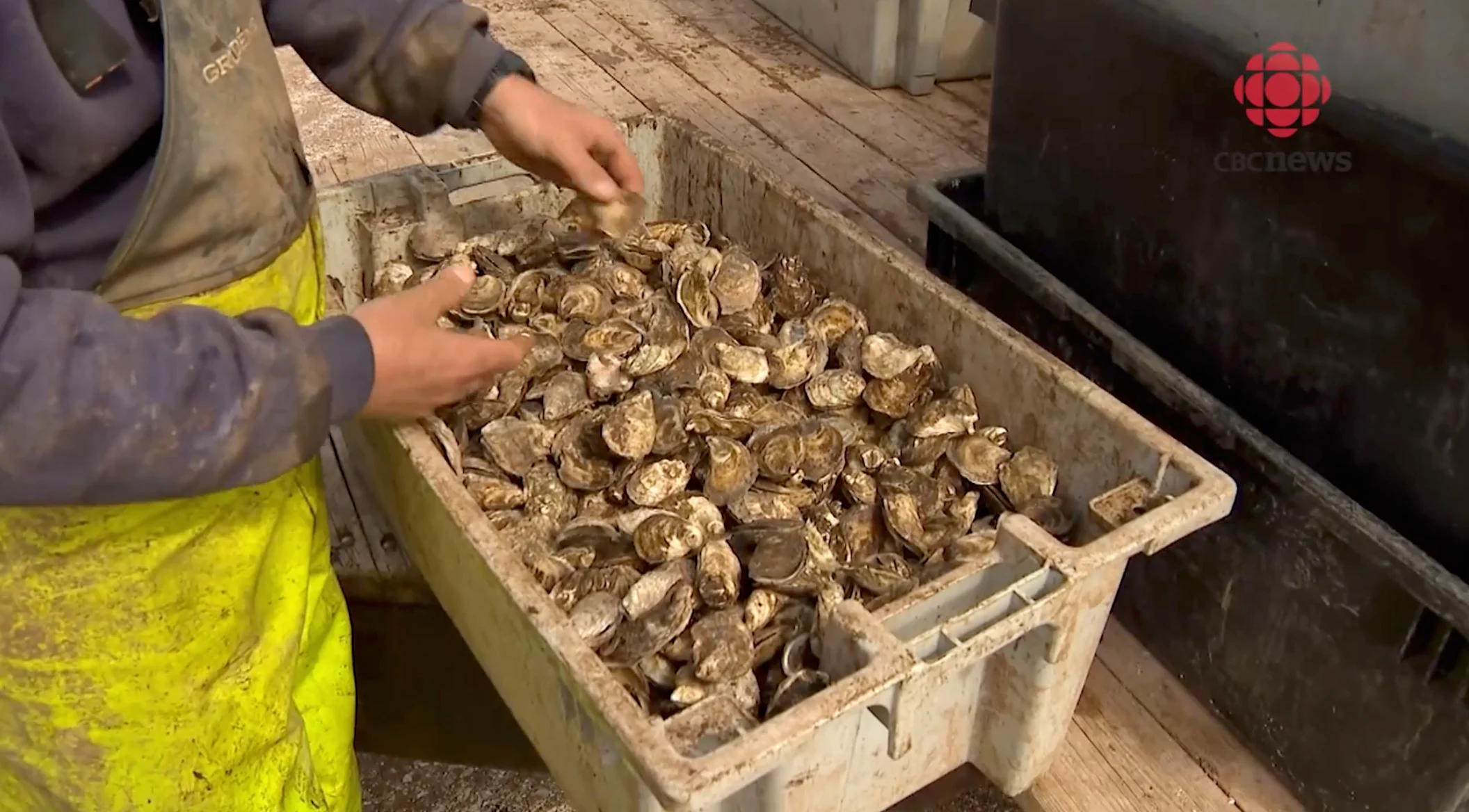
The oysters may be dead, but the parasites can spread and live on for years, say farmers. (CBC)
RELATED: Tropical fish species are showing up on Canada's East Coast
"They are 100 per cent dead and we're going to take them up and put them in the woods, make a pile," said oyster harvester Kyle Hardy.
"I just try not to think about it, I guess. It's pretty devastating."
The oysters may be dead, but the parasites can spread and live on for years, meaning the fishers need to take the dead oysters out of the water. It's a lot of work, for no return.
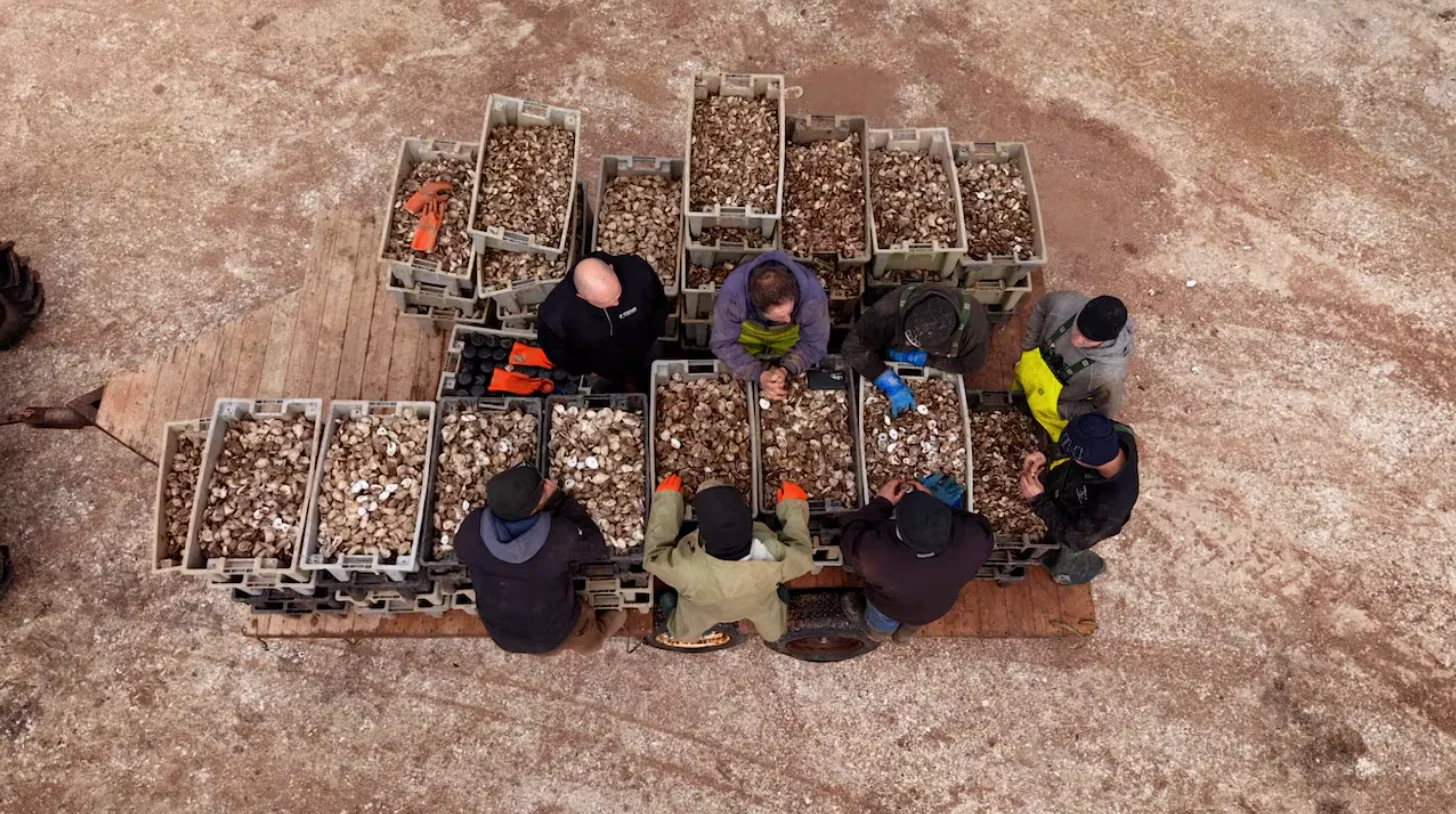
Some oyster growers say P.E.I.'s industry is in trouble without help from the provincial and federal governments. (Aaron Adetuyi/CBC)
SEE ALSO: One of the most extreme cold anomalies on Earth is over Canada
Tyler Hardy has been in the industry since he was 10 years old, working with Leslie Hardy and Sons in the western P.E.I. community of East Bideford.
In a single day, he estimates he dumped close to $100,000 worth of oysters, all dead.
He's now looking at other employment opportunities, including the trucking industry.
"I don't want to leave the water at all. I was always on the water and I don't want to leave it," he said.
"It's a whole family affair."
Gordon Jeffery works, who works with Five Star Shellfish in Ellerslie, has been in the industry for more than 50 years.
At 64, he hopes to continue on for another decade.
"We got to get a little bit of help here because it's a big industry … and this is going to be a lot of people hurting, a lot of families hurting," he said.
"The governments don't seem to be serious about it."
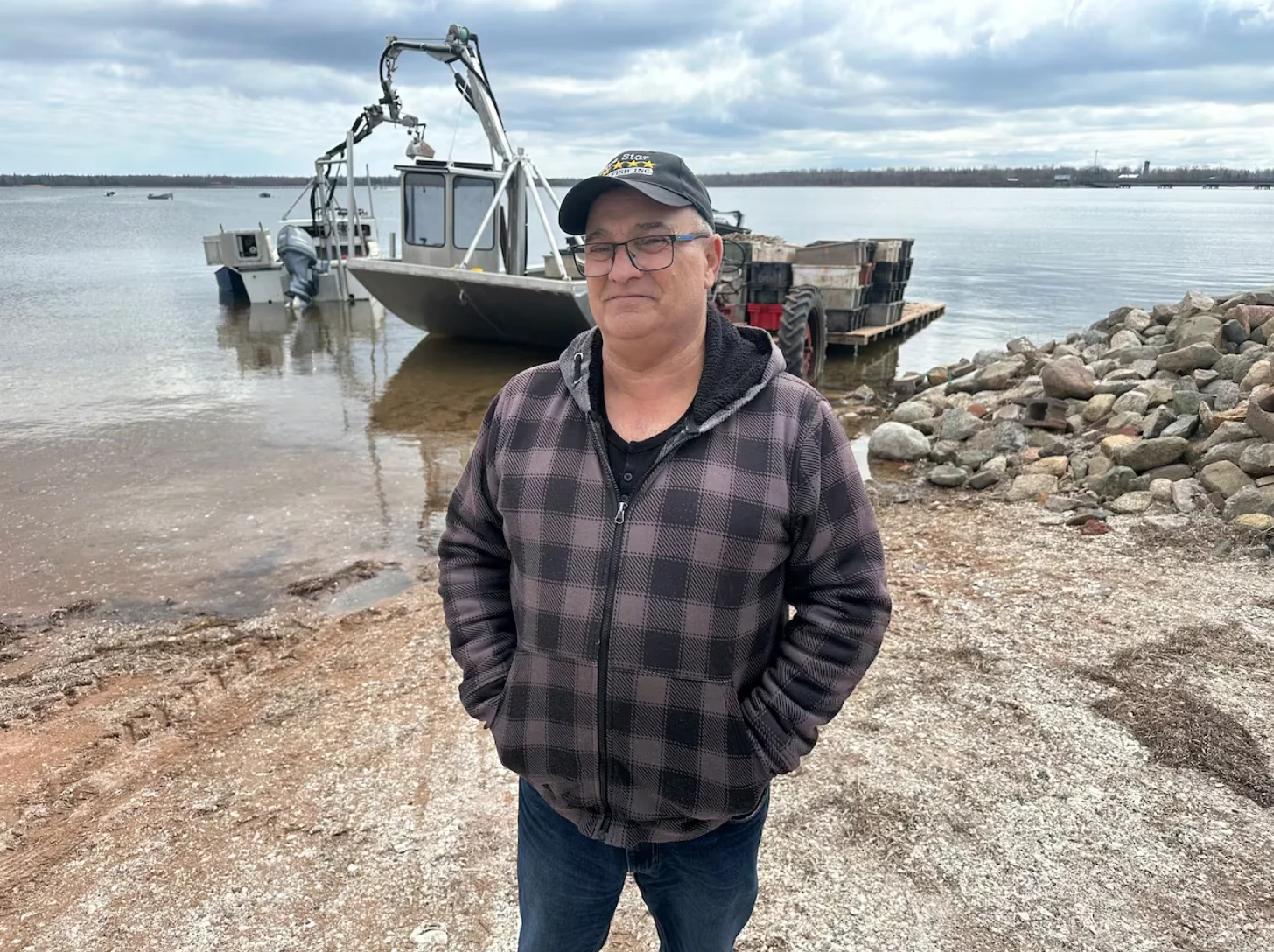
Gordon Jeffery has been oyster fishing for more than 50 years. He hopes to keep working for another 10. (Aaron Adetuyi/CBC)
DON'T MISS: Discover the incredible survival strategies of grey seals on Sable Island
Like others, Jeffery finds himself bringing in dead oysters and dumping them.
"That's a lot of money wasted, put in a driveway. But you have to do something with them," he said.
"If all the oysters die on P.E.I., it's not going to be good, that's all I can tell you. It's a serious revenue that comes from this … so if the government doesn't think that's serious, there's something wrong."
If he can't fish, Jeffery doesn't see many job opportunities at his age.
But it's the younger fishers he's worried about.
"What are they going to do? Like, that's their future," he said. "I can tell they're stressed to the limit and it's not good."
The future is uncertain.
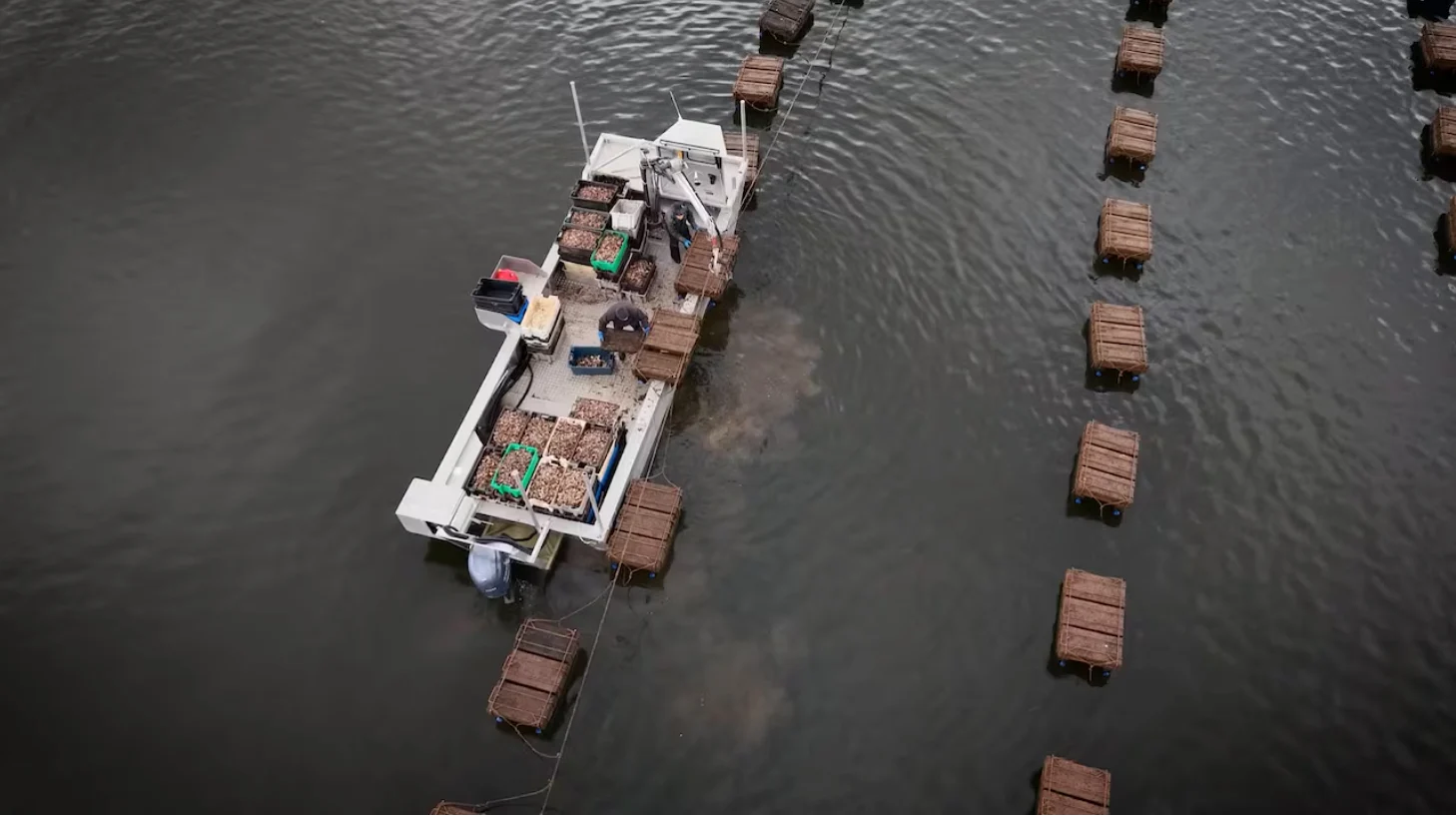
Oyster growers on the Island are waiting to receive spat from the United States — but even then, it'll be three years before the seed grows into oysters they can harvest. (Aaron Adetuyi/CBC)
Kyle Hardy said growers are waiting for seed, or spat — essentially a small version of the adult oyster — to arrive from the United States.
But even if that were to get to P.E.I. today, it could be three years — the time it takes to grow an oyster — before revenue is possible.
He said his next steps could be finding a job elsewhere, but that's a last resort.
"This has been in our blood for the last 50, 60 years," he said.
"My grandfather started this business, my father's been doing it, I've been doing it, all my brothers do it. It's kind of a family thing."
He also hasn't seen much help from the governments, provincial or federal, and said fishers are starting to give up.
"We're not talking tens of thousands of dollars here, we're talking millions … and they're not being supportive, as far as I can see," Hardy said. "I'm going to miss the water."
This article, written by Lucas McInnis, was originally published for CBC News. Contains files from Nancy Russell.