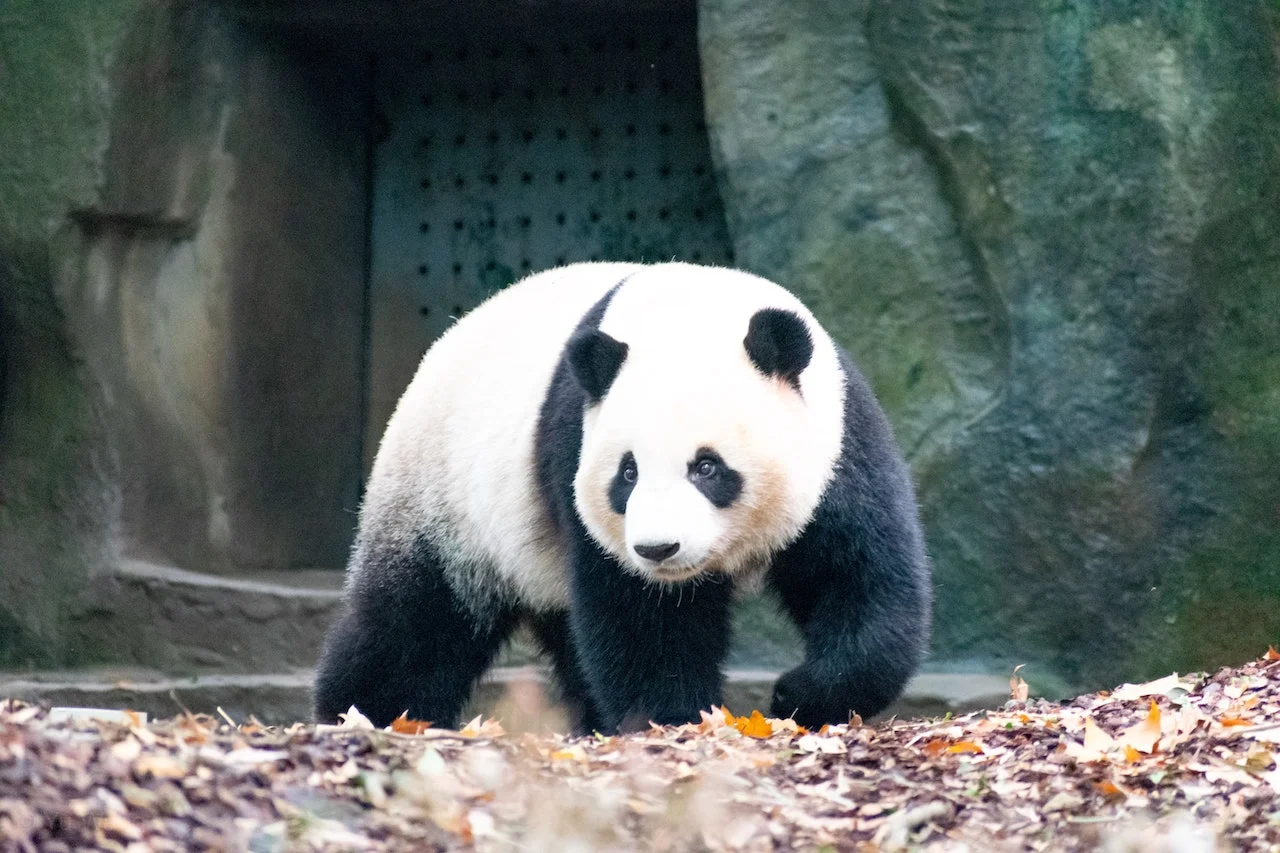
Giant pandas no longer considered endangered by China

The number of giant pandas in the wild is now 1,800, according to Chinese officials who credited conservation work over the years as the reason for their population rise.
Decades of conservation efforts have finally paid off for giant pandas, which are no longer considered to be an endangered species in China.
Cui Shuhong, director of the department of natural ecological protection with the Ministry of Ecology and Environment, made the announcement at a press conference Wednesday, noting the species will be reclassified as vulnerable.
SEE ALSO: Glimmer of hope in 2021 for these vulnerable species in Canada
The number of giant pandas in the wild is now 1,800, according to Chinese officials who credited conservation work over the years as the reason for their population rise.
Although they were removed from the endangered list by the International Union for Conservation of Nature (IUCN) in 2016, Chinese officials chose not to follow suit initially.
"China has established a relatively complete nature reserves system," Shuhong said Wednesday at the press conference. "Large areas of natural ecosystems have been systematically and completely protected, and wildlife habitats have been effectively improved."
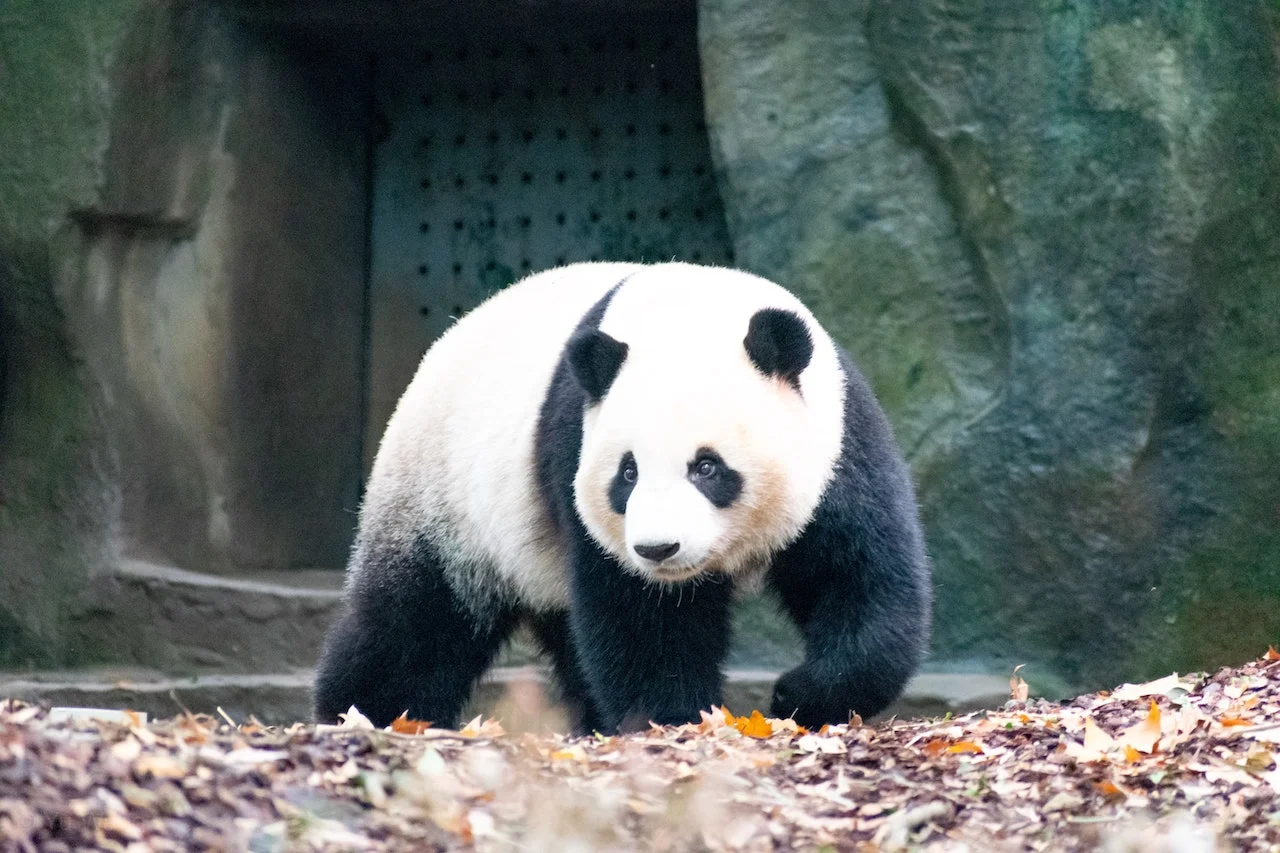
(Yu Wang/Unsplash)
China has spent 50 years attempting to revive the population of its renowned animals, making lounging panda reserves across multiple mountain ranges in its effort to prevent them from going extinct.
Officials built specially designed nature reserves in locations where bamboo, their main food source, is abundant. China announced plans in 2017 for a 27,132-square-kilometre reserve, about three times bigger than Yellowstone National Park.
The animals are known in the country as an umbrella species -- a designation used because experts suspect measures to protect them would also help shield other species, as well as the ecosystem.
But the conservation efforts have had unintended consequences, according to a study released in 2020 from China-U.S. researchers. It revealed the decline of several carnivorous populations in recent decades, possibly putting the larger ecosystem in peril.
Giant pandas are known for their difficulty to breed, as females can only become pregnant for 24-72 hours every year.
Thumbnail courtesy of Yu Wang/Unsplash.
Nathan Howes can be followed on Twitter: @HowesNathan.