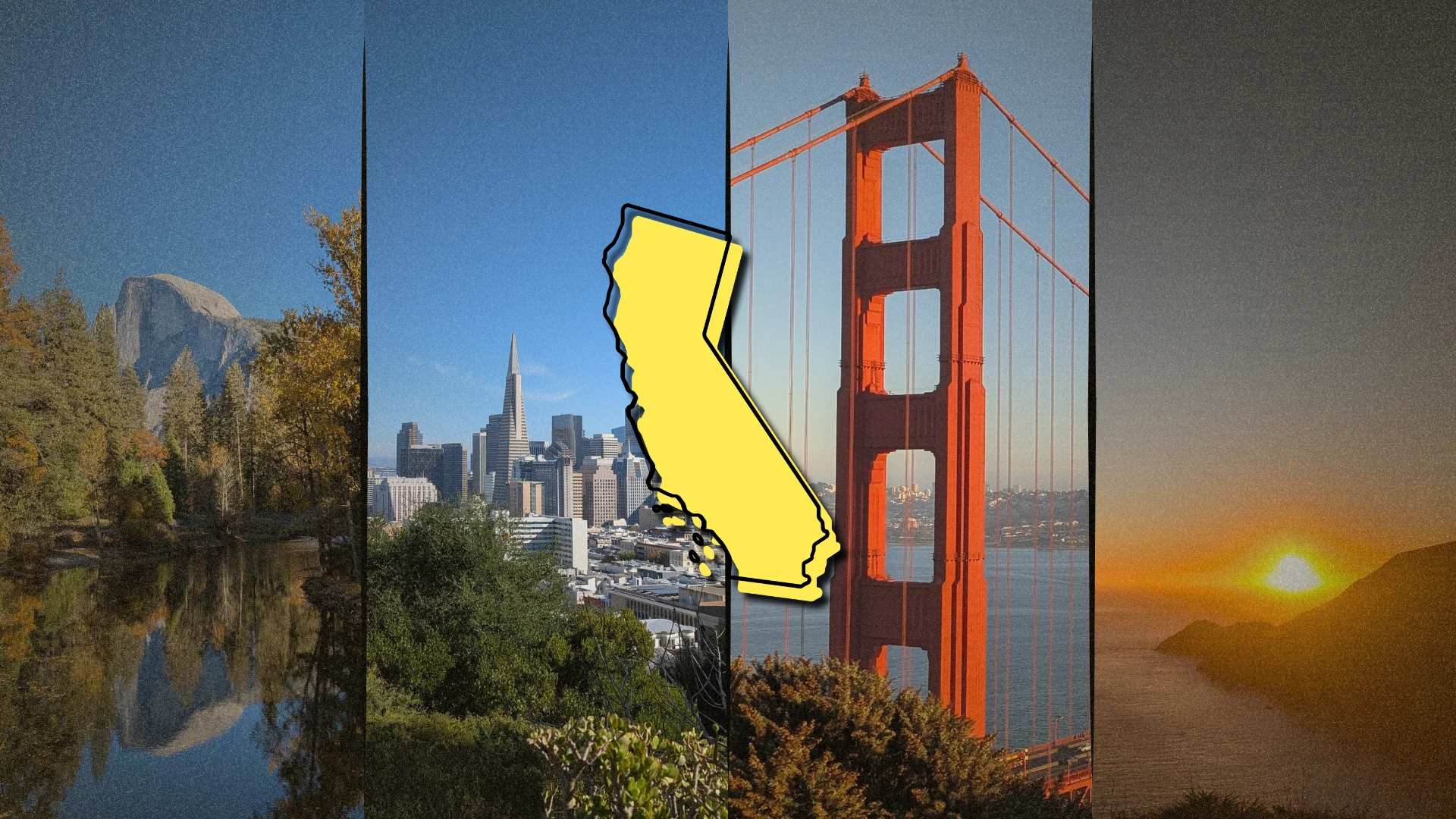
San Francisco is a city of fog, history, and unforgettable sights

More than 7 million people live in one of the most gorgeous regions in North America
San Francisco is a dazzling hub on the Pacific coast that’s served as a gateway to North America for centuries.
But for all the millions of folks who pass through its Golden Gate every year, San Francisco itself is a destination more than worth a long visit in its own right.
DON'T MISS: How to turn your long weekend into a vacation
San Francisco began as a Spanish mission in the 1700s
Spanish settlers established a fortress known as the Presidio of San Francisco in 1776. Americans rushing west to cash in on the gold rush in the mid-1800s quickly grew this modest settlement into a formidable city by the turn of the century.
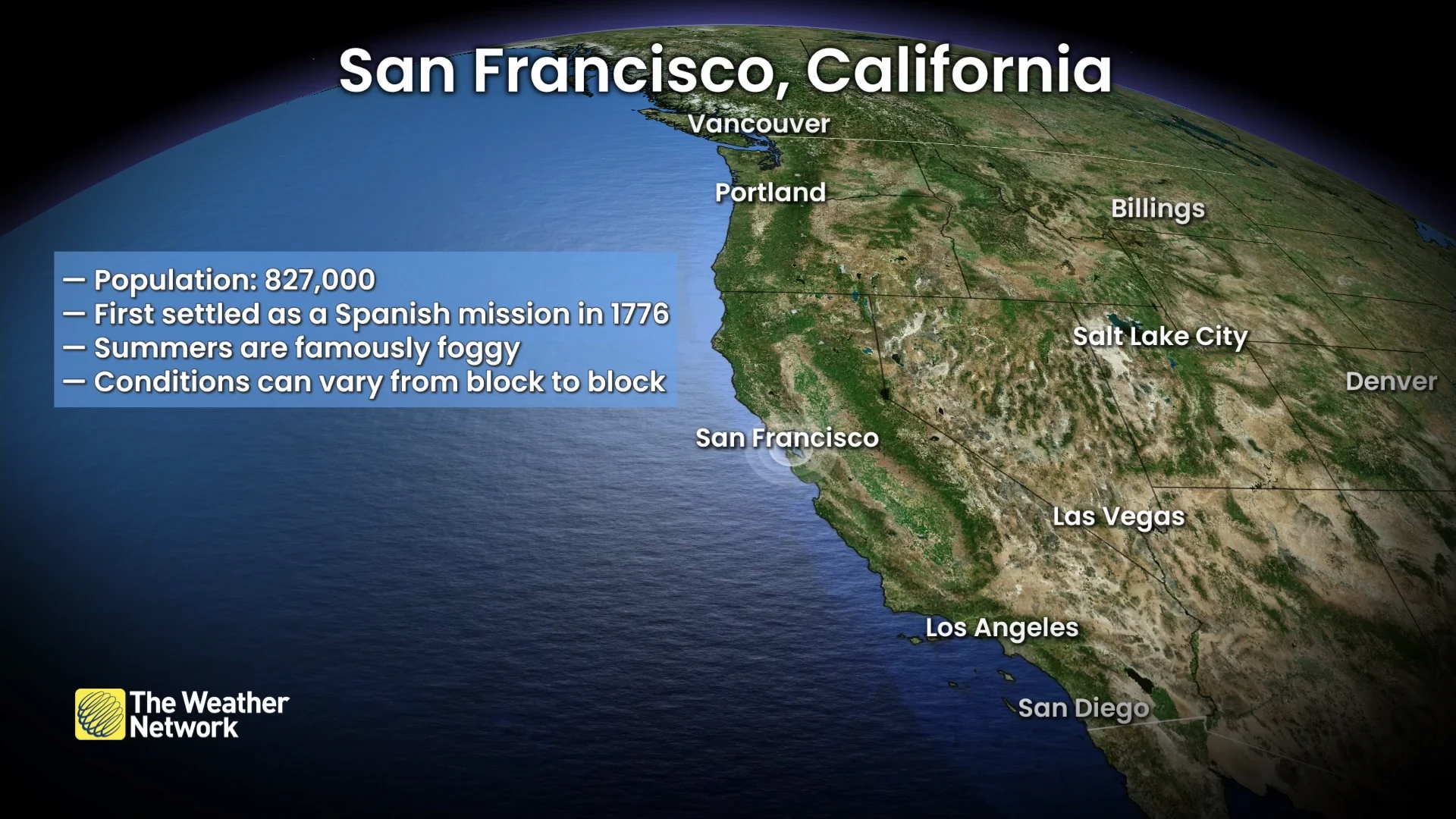
Rebuilt from the ashes of the devastating earthquake and subsequent fire of 1906, the Bay Area today is home to more than 7 million people, making it one of the largest metro areas in the U.S.
Thousands of Canadians head to the Bay Area every year for business and pleasure.
San Francisco is the second-most popular direct international airline destination from Vancouver. Depending on the season, several airlines also offer direct flights to San Francisco from Calgary, Edmonton, Toronto, and Montreal.
A city so foggy that they gave it a name
San Francisco’s unique geography influences the city’s climate. Cool waters of the Pacific Ocean and the Bay itself serve to moderate temperatures throughout the year, with comfortably warm temperatures in the summer and a damp chill in the air during the winter.

MUST SEE: Six annoying ways weather forces airlines to cancel your flight
The downtown core averages a daytime high temperature of about 23°C during summer’s peak in July and August, with typical overnight lows dipping into the single digits through the heart of winter.
Heat waves can strike the area from time to time. Downtown San Francisco’s hottest temperature on record was a 41.1°C reading on Sep. 1, 2017. The coldest morning on record only reached -2.8°C in mid-December 1932.
RELATED: Tule Fog can blanket California in a thick cloud for days
Daytime temperatures can vary several degrees from one block to the next due to the city’s very hilly terrain, as well as each neighbourhood’s proximity to the water.
WATCH: This all-white rainbow was spotted in the fog over San Francisco
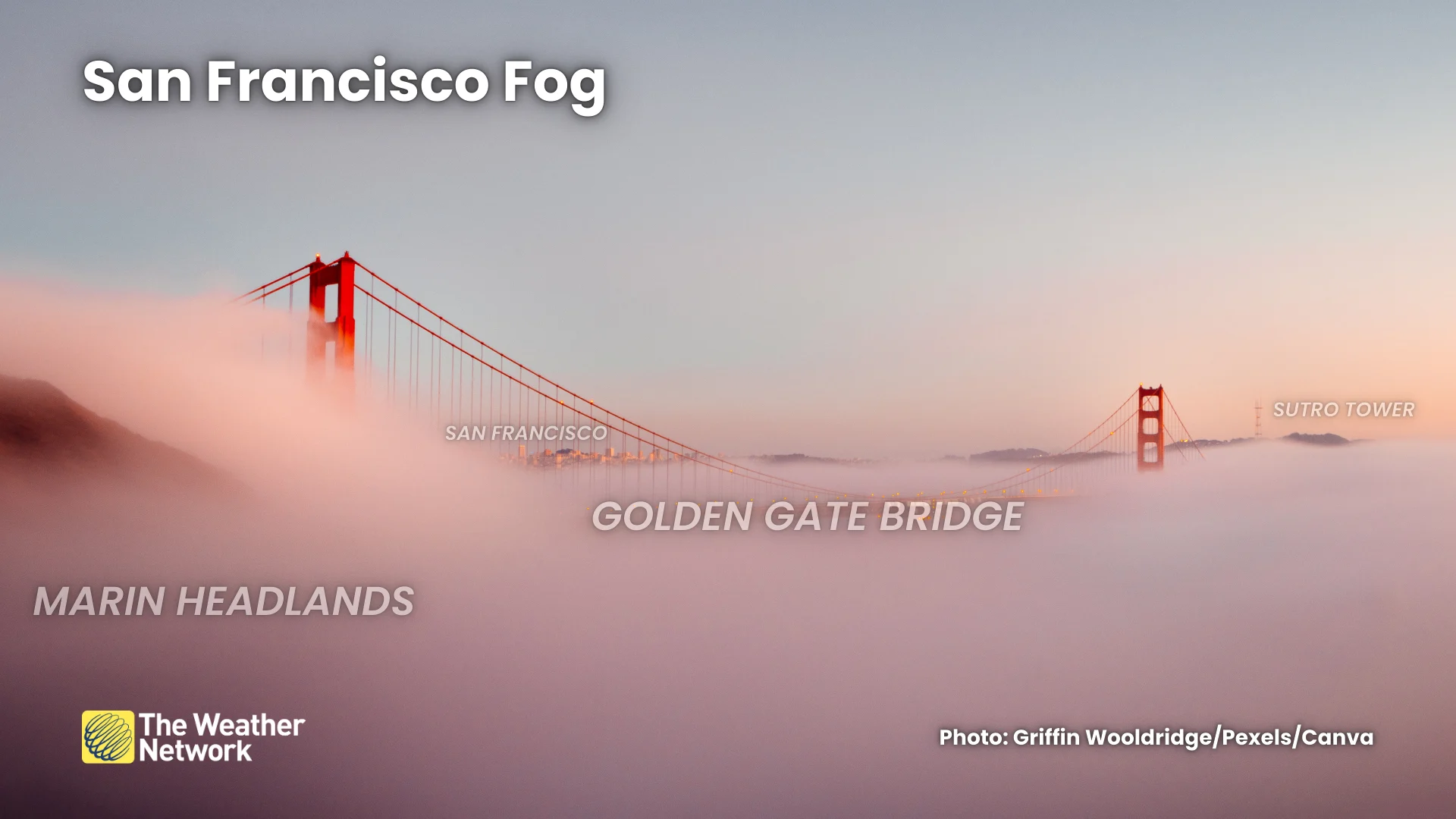
Warm air moving over cold water is a recipe for fog, which is plentiful across San Francisco Bay during the summer months. Residents even playfully named this phenomenon Karl the Fog. The scene looks particularly stunning when the towers of the Golden Gate Bridge poke above fog deck.
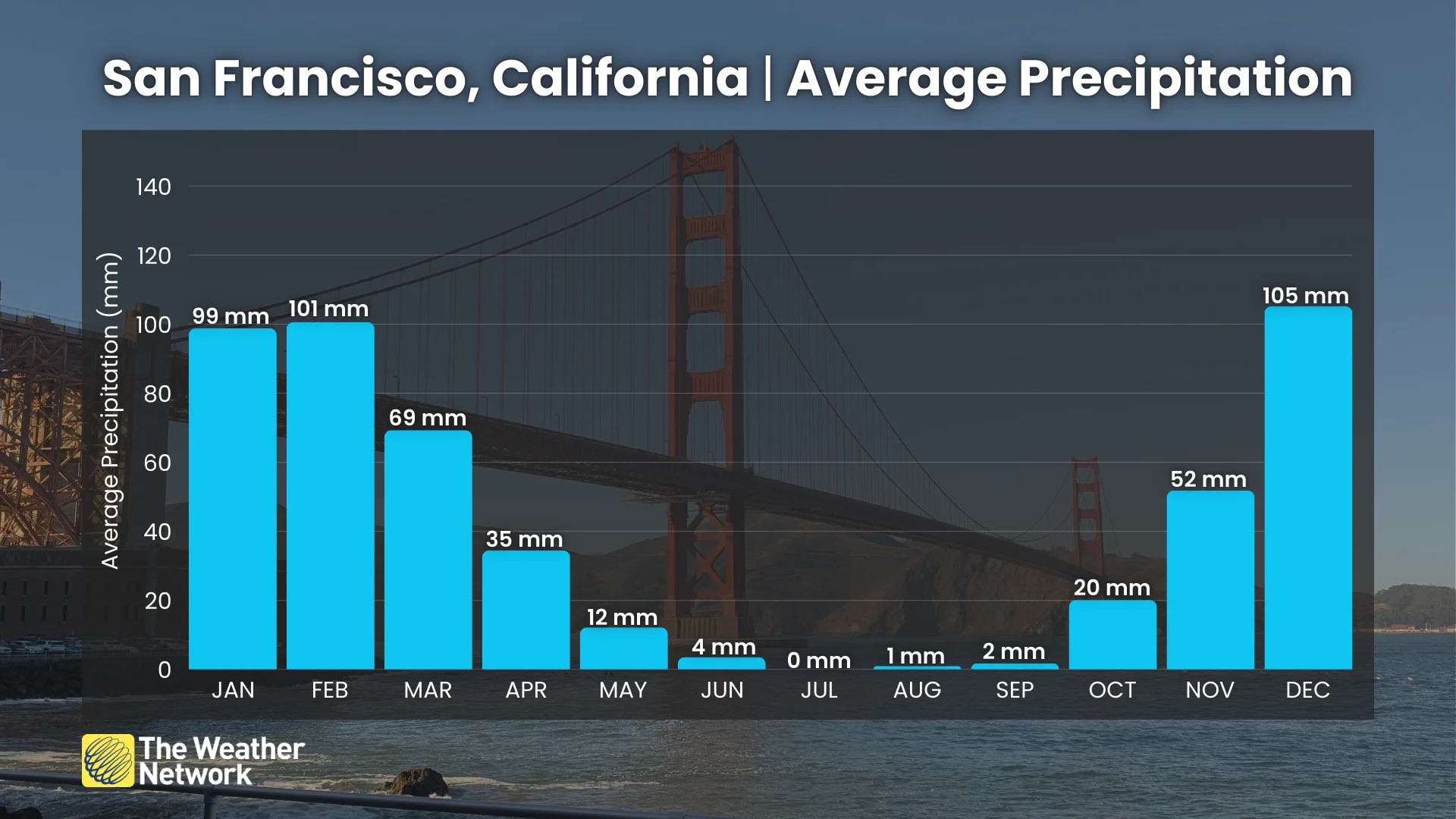
Annual rainfall is the true seasonal variable across the Bay Area. San Francisco endures pronounced wet and dry seasons throughout the year.
The city averages about 500 mm of rain in a typical year, much of which arrives when atmospheric rivers wash into the California coastline.
Most of that rain falls between October and March, with the region averaging hardly any rain at all between the late spring and early autumn.
Enough landmarks to fill even the most ambitious itinerary
San Francisco is a treat for those who love history, arts, and downright gorgeous vistas.
Head to the top of Coit Tower if you want a moving view of downtown and the surrounding Bay Area, as well as sights like Alcatraz and the Golden Gate.
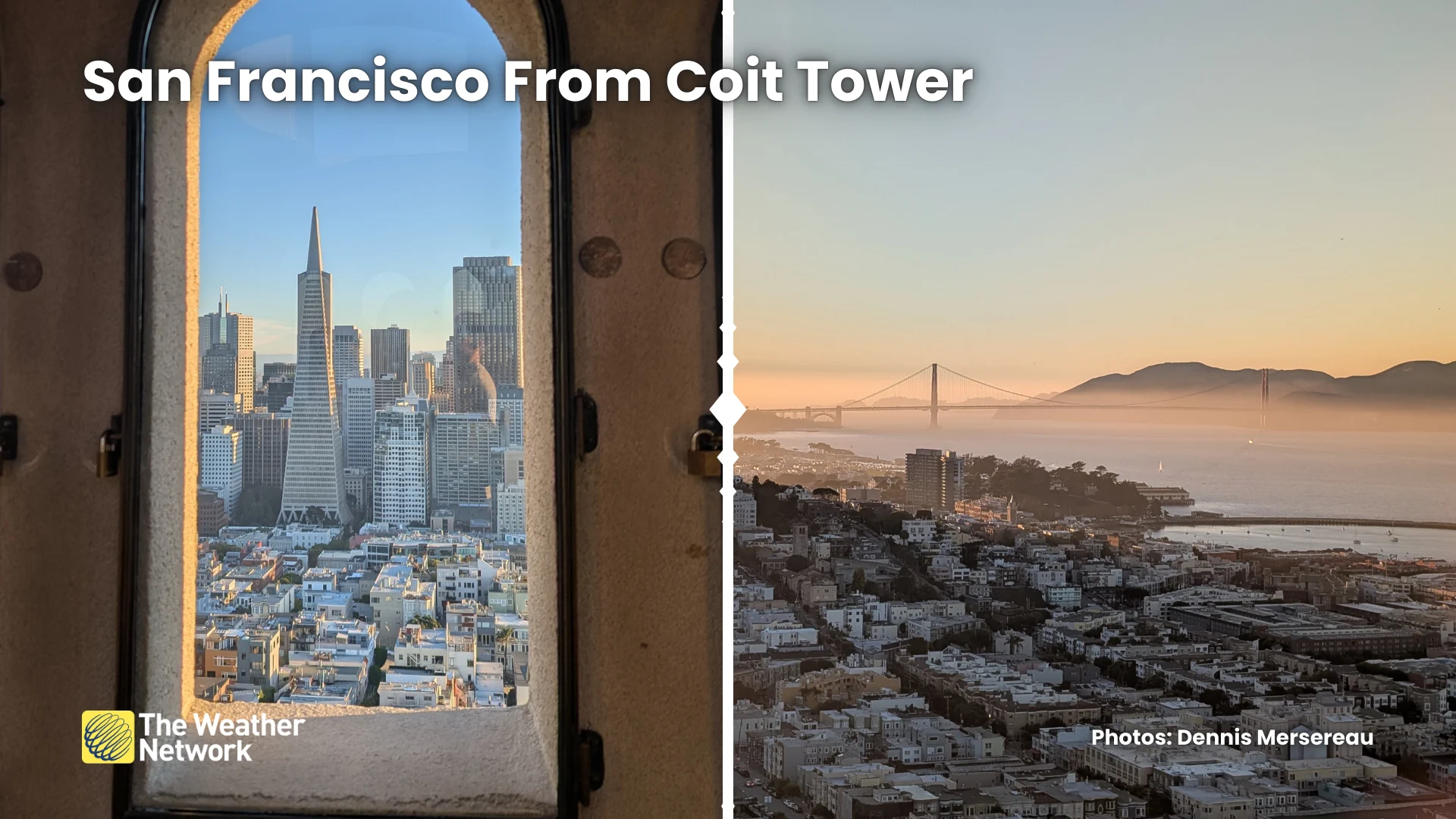
The Golden Gate Bridge is a must-see on any trip to the Bay Area. Opened in 1937, this iconic structure is one of the most recognizable landmarks in the world.
Plenty of vantage points on either end of the bridge offer stunning views, especially at sunset. Visitors are even welcome to walk across the 2.75 km bridge if they wish.
Any trip to San Francisco isn’t complete until you’ve toured Muir Woods National Monument, which is just a few minutes north of the city across the Golden Gate Bridge.
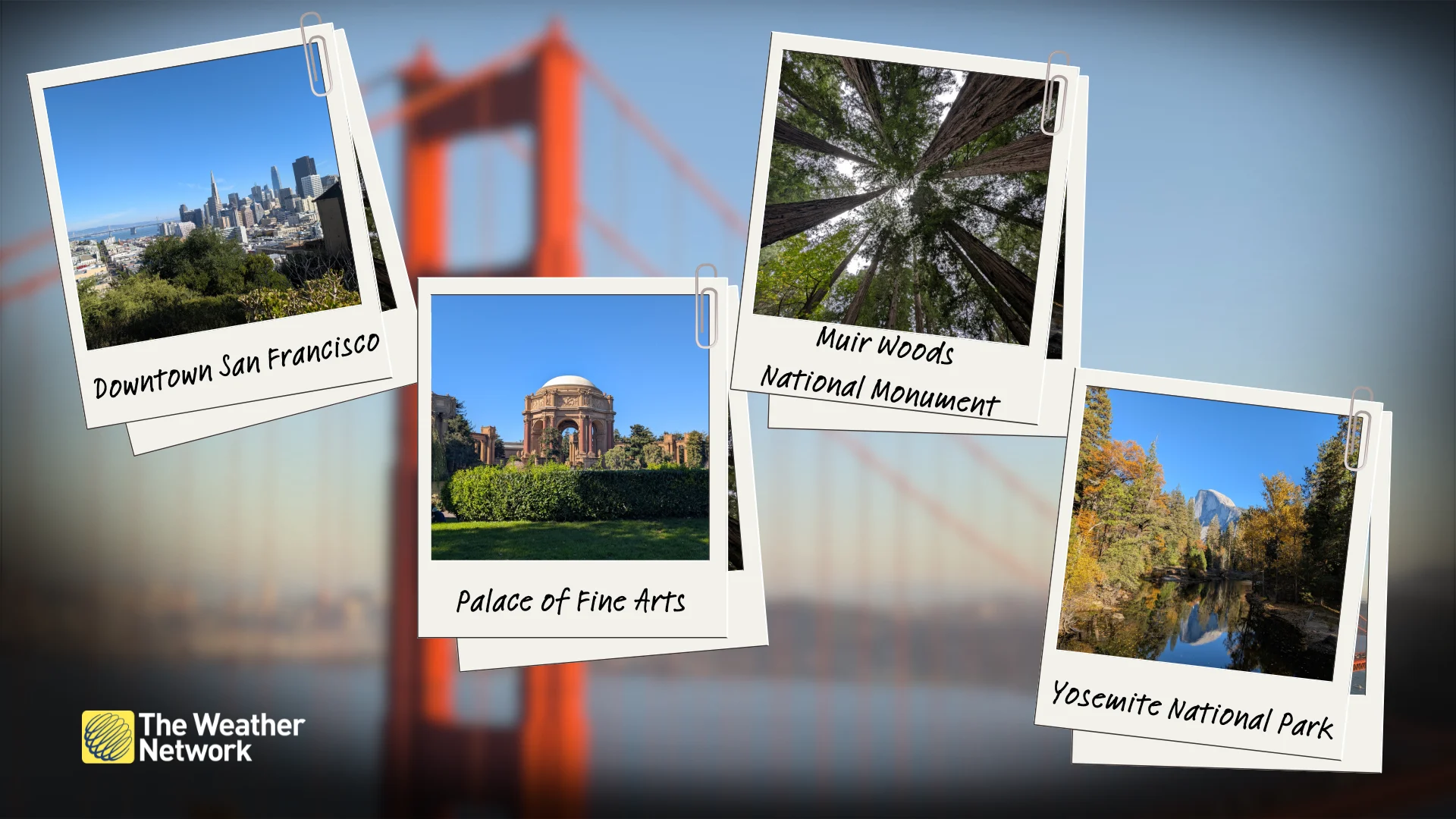
Many of the towering redwoods within Muir Woods are more than 500 years old, predating the colonization of both Canada and the U.S.
While you’re across the bridge, science lovers would appreciate a stop by the Bay Model in nearby Sausalito. It’s a working, warehouse-size model of the entire Bay Area that engineers use to study water movement.
Intrepid travellers are only a four-hour drive from Yosemite National Park. Sights like Half Dome, El Capitan, and one of the continent’s largest waterfalls make Yosemite a gem in a state rich with natural wonders.