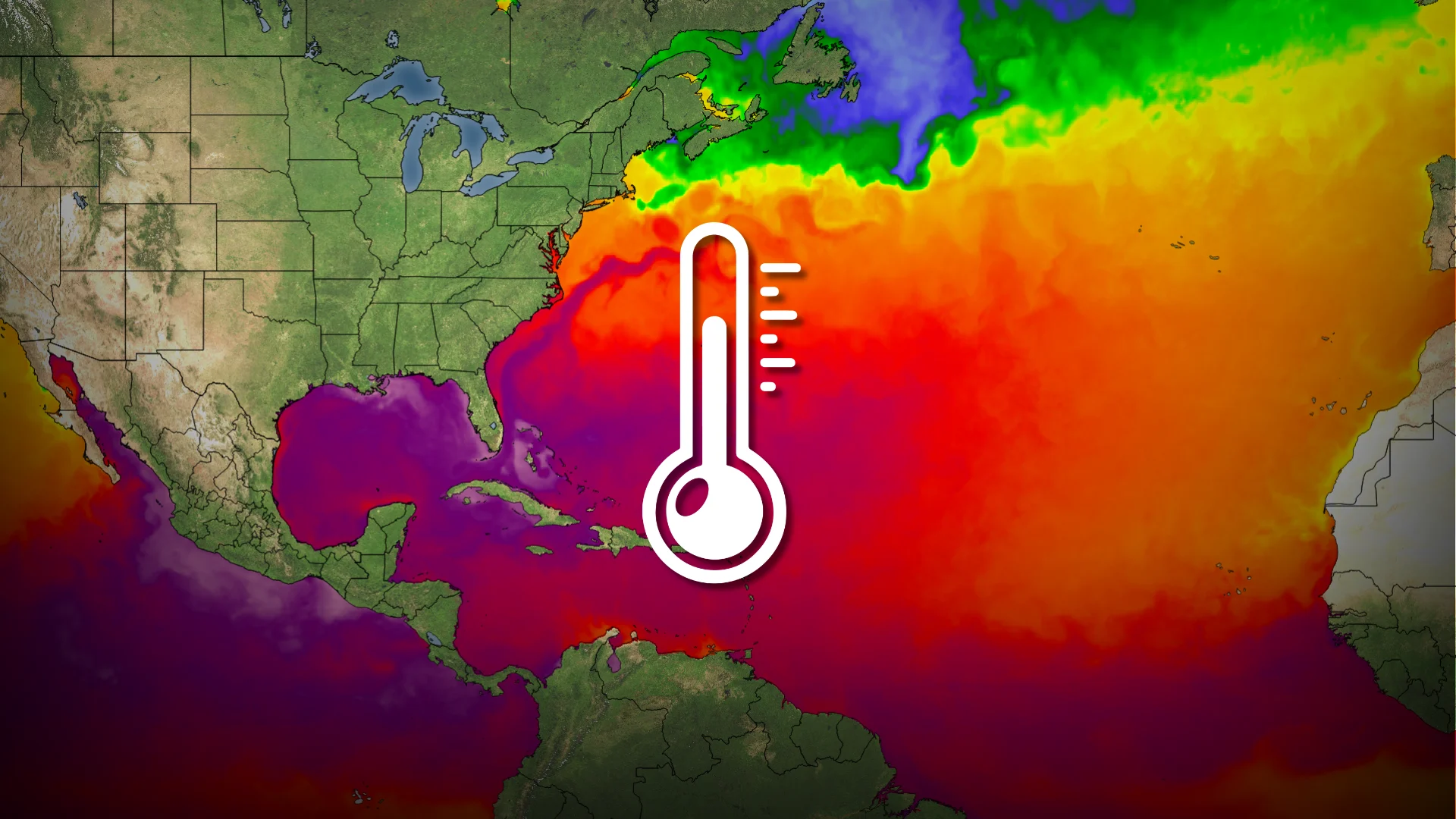
World’s oceans hit hottest June on record as marine heat waves intensify

Record ocean temperatures are driving marine heat waves and raising concerns about rising weather extremes
The world's oceans just experienced the hottest June on record and scientists believe the heat building beneath the surface may indicate more climate extremes ahead.
Global average sea surface temperatures reached 20.98°C in June, breaking previous records set in 2023 and 2024, according to data released by the Copernicus Marine Service, the European Union's ocean monitoring program.
The record is the latest warning sign in an already exceptionally warm year for the world's oceans.
Scientists believe the concern extends beyond a single record-breaking month. Oceans absorb approximately 90 per cent of the excess heat trapped by greenhouse gas emissions, making them one of the most reliable indicators of how quickly the climate is warming.
DON'T MISS: How the weather could be influencing your music taste
Heat building below the surface
Copernicus reported that the first half of 2026 was characterized by persistent ocean warmth and expanding marine heat waves.
Marine heat waves, which are prolonged periods of unusually high ocean temperatures, affected roughly 82 per cent of the global ocean in the first six months of the year, the second-largest extent on record after 2024.
That is significant as warmer oceans do not remain isolated at sea.
Hotter waters release more moisture into the atmosphere, increasing the likelihood of stronger storms, heavy rainfall and flooding. They also have a significant impact on marine ecosystems, particularly coral reefs, where prolonged heat can cause widespread bleaching and die-offs.
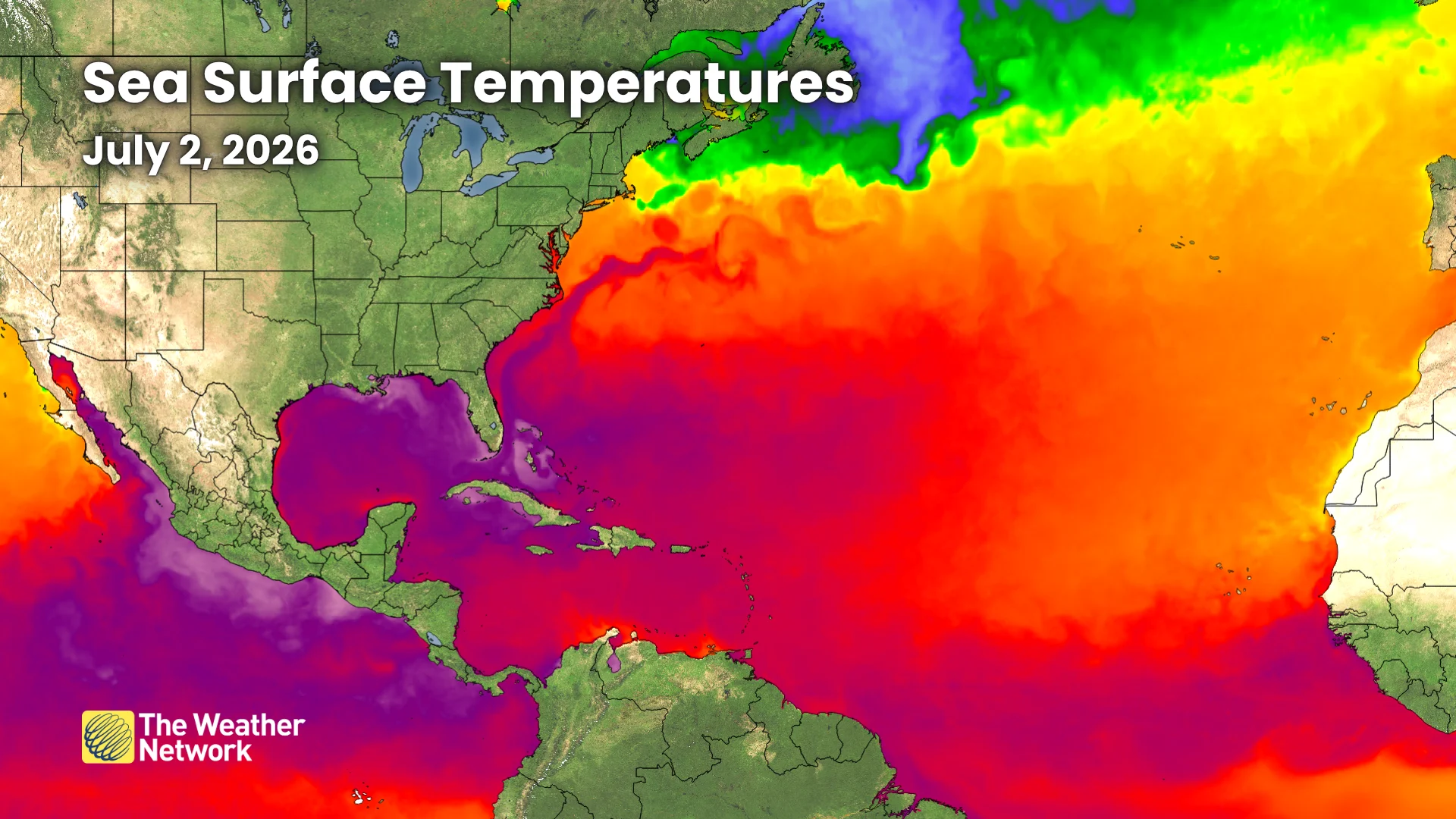
Scientists are monitoring the early stages of El Niño, a climate pattern caused by unusually warm Pacific waters that can increase global temperatures.
“With ocean temperatures at these levels and El Niño on the horizon, we are likely to see more temperature records fall in the coming months,” Carlo Buontempo, director of the Copernicus Climate Change Service, said in a statement.
CHECK OUT: 5 astronomical events happening after we're gone
Regional hot spots raise alarms
The Mediterranean Sea had its warmest June on record at 24.3°C, with marine heat waves affecting nearly the entire basin in the first half of the year.
June temperatures in the tropical Pacific reached record highs, potentially strengthening El Niño conditions by 2026.
Taken together, the regional data indicate a larger trend, ocean heat is not only persistent, but also becoming more sustained over longer periods of time.

That persistence has real-world implications. Warmer oceans can exacerbate storms, increase the risk of heavy rainfall and flooding and put additional strain on marine ecosystems that are already under threat from long-term warming.
Scientists warn that with summer still in full swing in many parts of the world, more records could be broken before the season ends.
