Cosmic FOMO: 5 astronomical events happening after we’re gone

Some of the universe’s biggest changes are already underway, even if no one alive today will see the outcome
In astronomy, the word "soon" is marked by a large asterisk.
What appears urgent on Earth—days, years, even decades, is barely reflected on the universe's clock. Some of the most significant changes in space can occur over thousands, millions, or even billions of years.
However, astronomers are confident that many of these events will happen, even if almost no one alive today will be present to witness the finale.
From a massive star on the verge of a spectacular death to planets silently transforming themselves, here are some of the long-term cosmic changes scientists predict will happen, whether we see them or not.
CHECK OUT: How the weather could be influencing your music taste
1. Betelgeuse nearing the end of its life
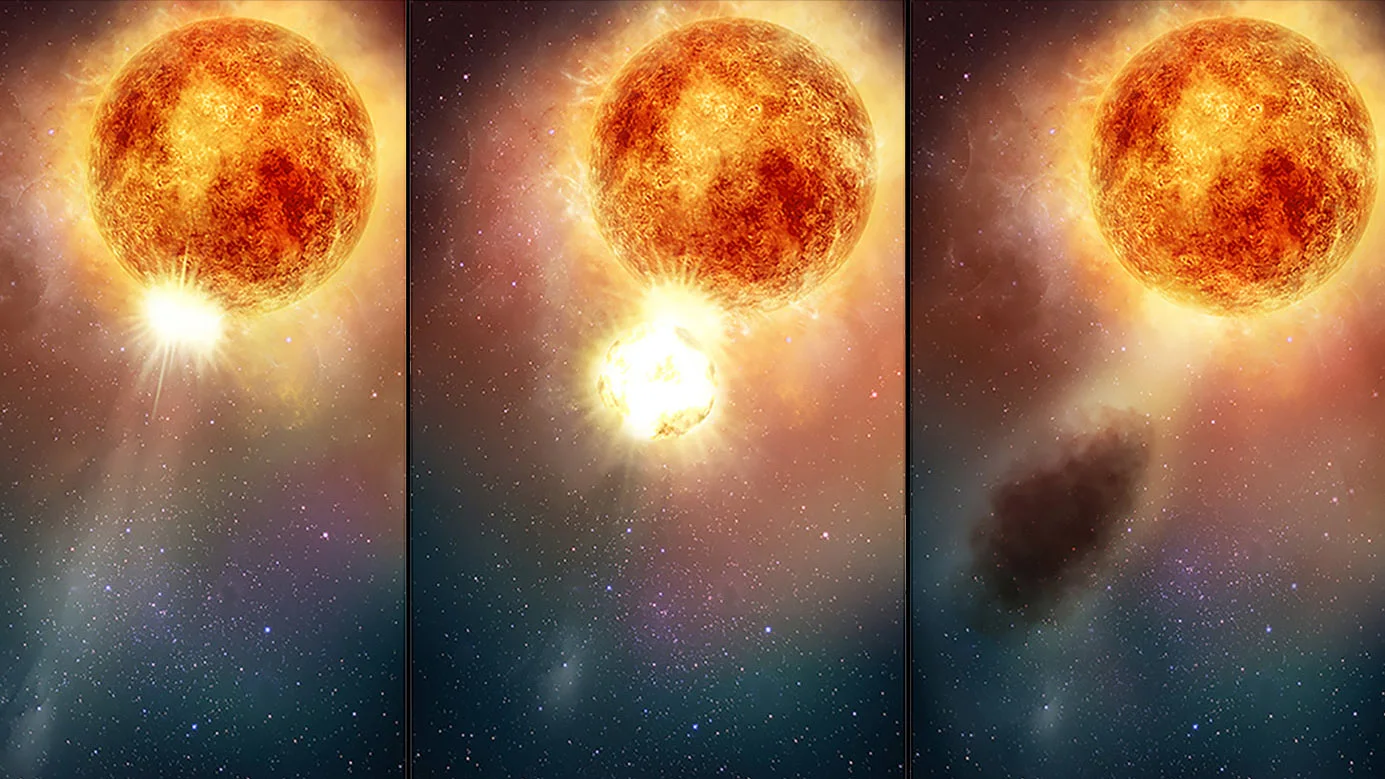
Betelgeuse, a red supergiant star located in the constellation Orion, has emerged as one of the night sky's most watched objects. Massive, unstable and approaching the end of its life, it is projected to explode as a supernova.
That explosion could occur tomorrow, or tens of thousands of years from now.
Despite the uncertainty, Betelgeuse provides scientists with an extraordinary chance to study a massive star in its final stages.
"We've seen many supernovae and their aftermaths, but Betelgeuse provides us with a rare opportunity to study the behaviour of a massive star prior to that catastrophic event," said Scott Sutherland, a meteorologist and science writer for The Weather Network. "What we learn about it could even help us solve persistent mysteries about our own Sun."
If Betelgeuse exploded, it would most likely shine brighter than the full moon for several weeks or months. Even without the fireworks, observing its gradual decline is scientifically priceless.
RELATED: Eyes to the sky in February to spot a new Six Planet Parade
2. Asteroid Apophis moves from fear to confidence
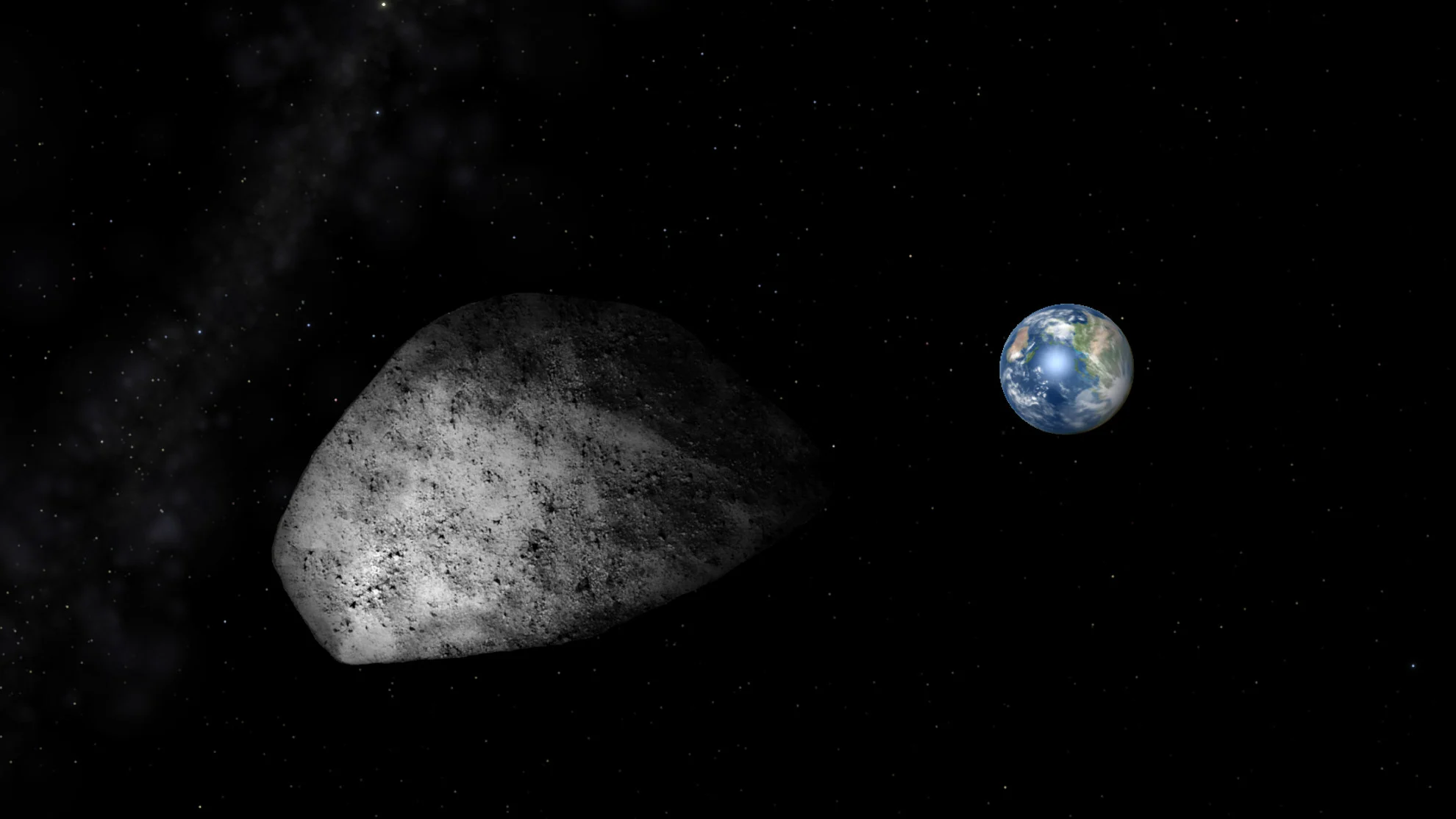
When asteroid Apophis was discovered in 2004, it briefly caused concern. Early calculations indicated a small chance of colliding with Earth in the future, prompting intense monitoring.
However, that concern dissipated quickly.
After years of observation, astronomers ruled out any impact threat, making Apophis a success story rather than a threat.
“In the case of Apophis, it was initially considered a potential threat to life on Earth, but through an extensive observation campaign, it was proven to actually be harmless,” Sutherland said.
Today, Apophis is used to demonstrate how scientists can identify, track and rule out possible asteroid threats before they become a concern.
“Astronomers and space agencies can use this as an example of how we can identify asteroids that may pose a real danger to us in the future,” Sutherland added.
The lesson isn't about fear; it's about trusting in long-term predictions.
SEE: How to prevent ice dams and roof leaks
3. Saturn’s rings slowly disappearing
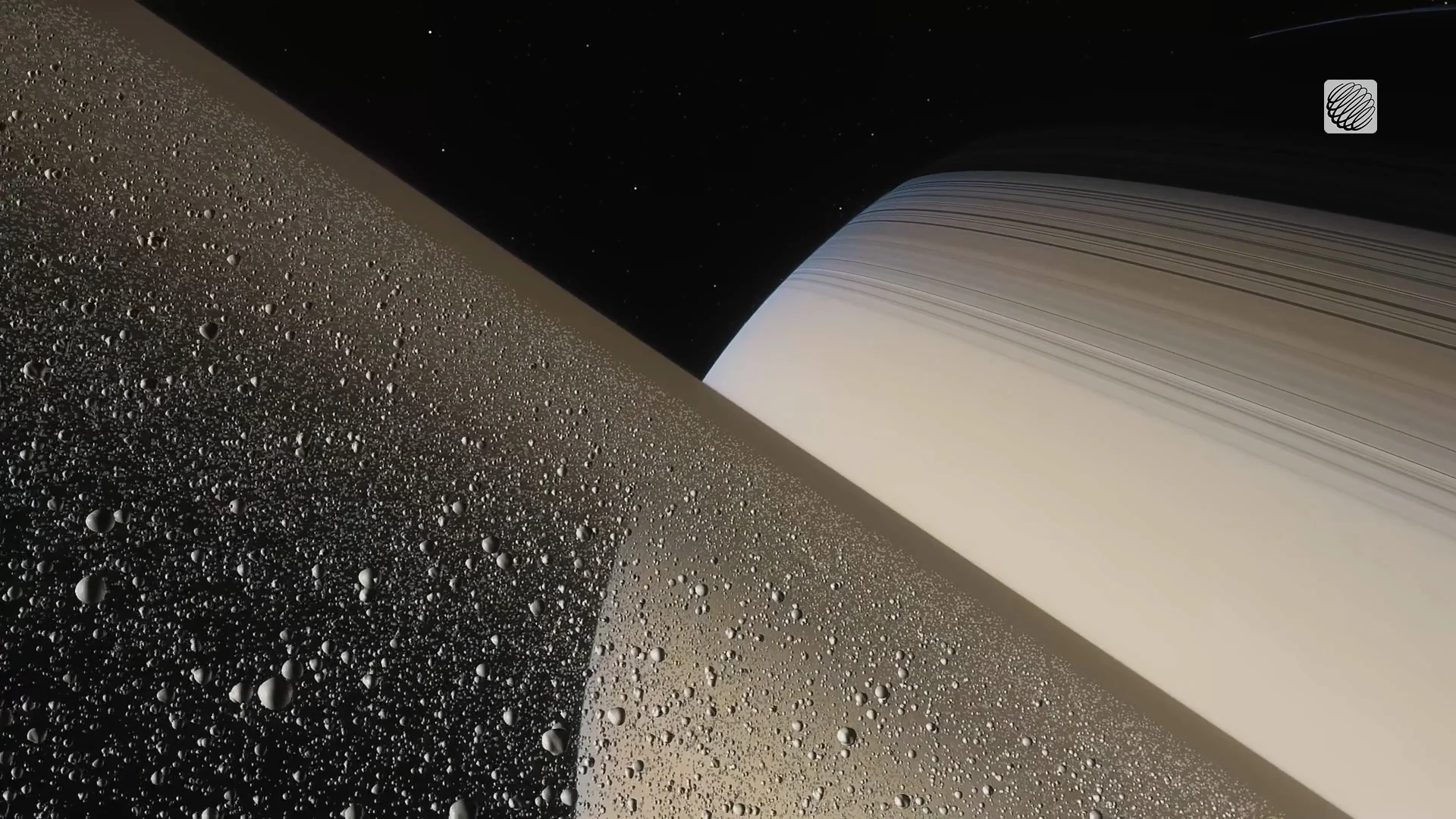
Saturn's rings may appear to be permanent, but they are anything but.
Gravity and solar radiation are gradually pulling the icy particles inward, causing the planet's iconic rings to fade.
What makes that loss remarkable is how quickly humanity arrived in time to bear witness to them.
“Of all of these long-term changes to our solar system, the disappearance of Saturn’s rings is the one I find the most fascinating,” Sutherland said. “It’s just amazing that the timing worked out perfectly for us to see and study them with telescopes and spacecraft.”
Had the moon that broke apart and created the rings done so a few hundred million years earlier or later, Earth might not have seen them at all.
It serves as a reminder that even the most well-known features of the universe are merely temporary.
DON'T MISS: The threat of earthquakes is very real in Canada. Are you prepared?
4. The Moon is drifting farther from Earth
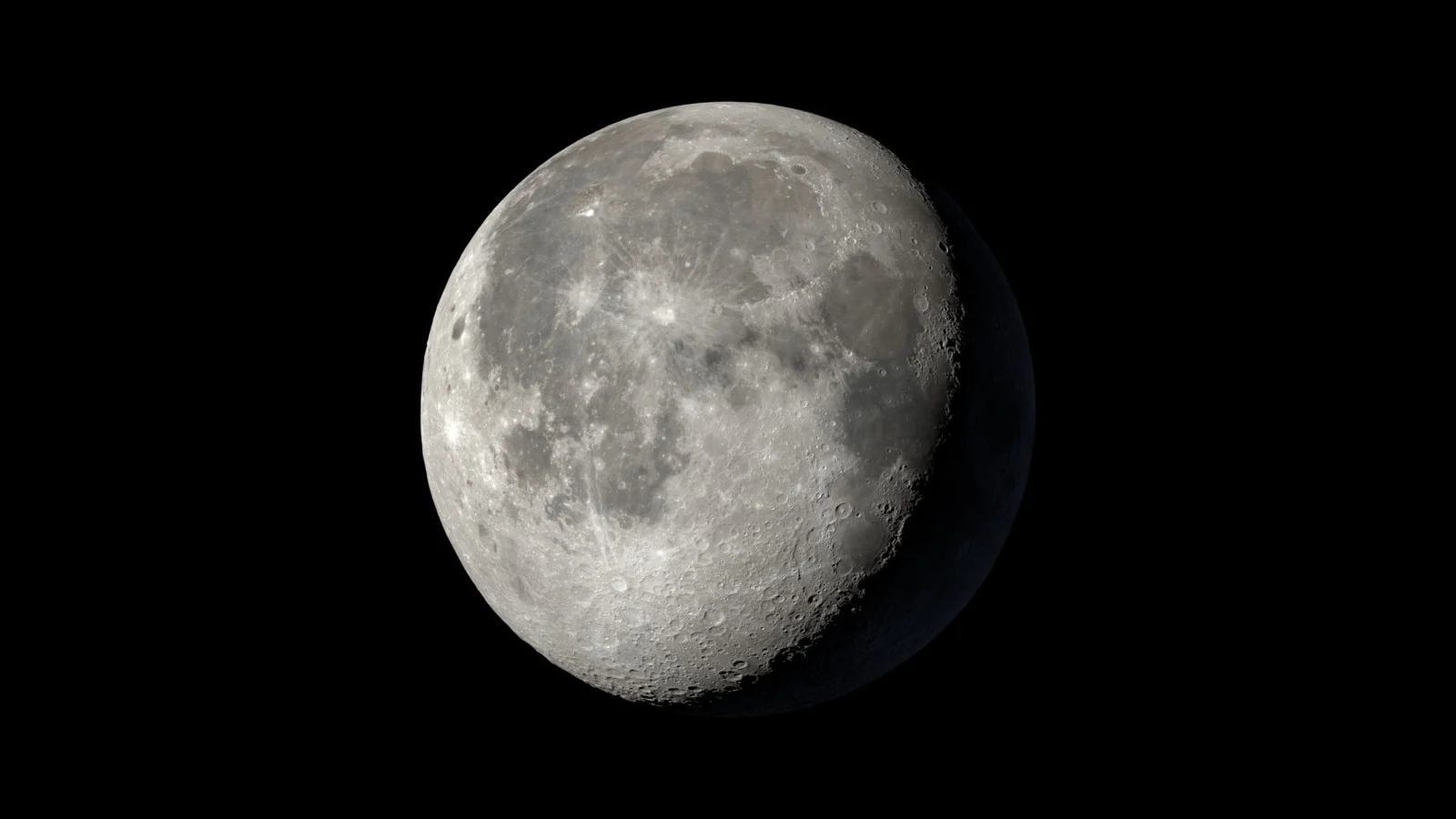
The Moon is not staying put.
It moves about 3.8 centimetres away from Earth each year, which is imperceptible to humans but profoundly significant to scientists.
By measuring that gradual drift, astronomers can trace the Moon's history backwards, revealing that it was once much closer to Earth.
“Go back far enough and we find that it was actually part of our planet at one point,” Sutherland said, pointing to the widely accepted Theia hypothesis, which suggests a Mars-sized object collided with Earth and formed the Moon.
This gradual change has practical consequences today. Calculations of the Moon's distance enable scientists to foresee the exact path of total solar eclipses, with a difference of only a few kilometres determining whether an eclipse is total or partial.
SEE ALSO: Iceland just lost its mosquito-free status. Here's why
5. Mars could one day develop rings
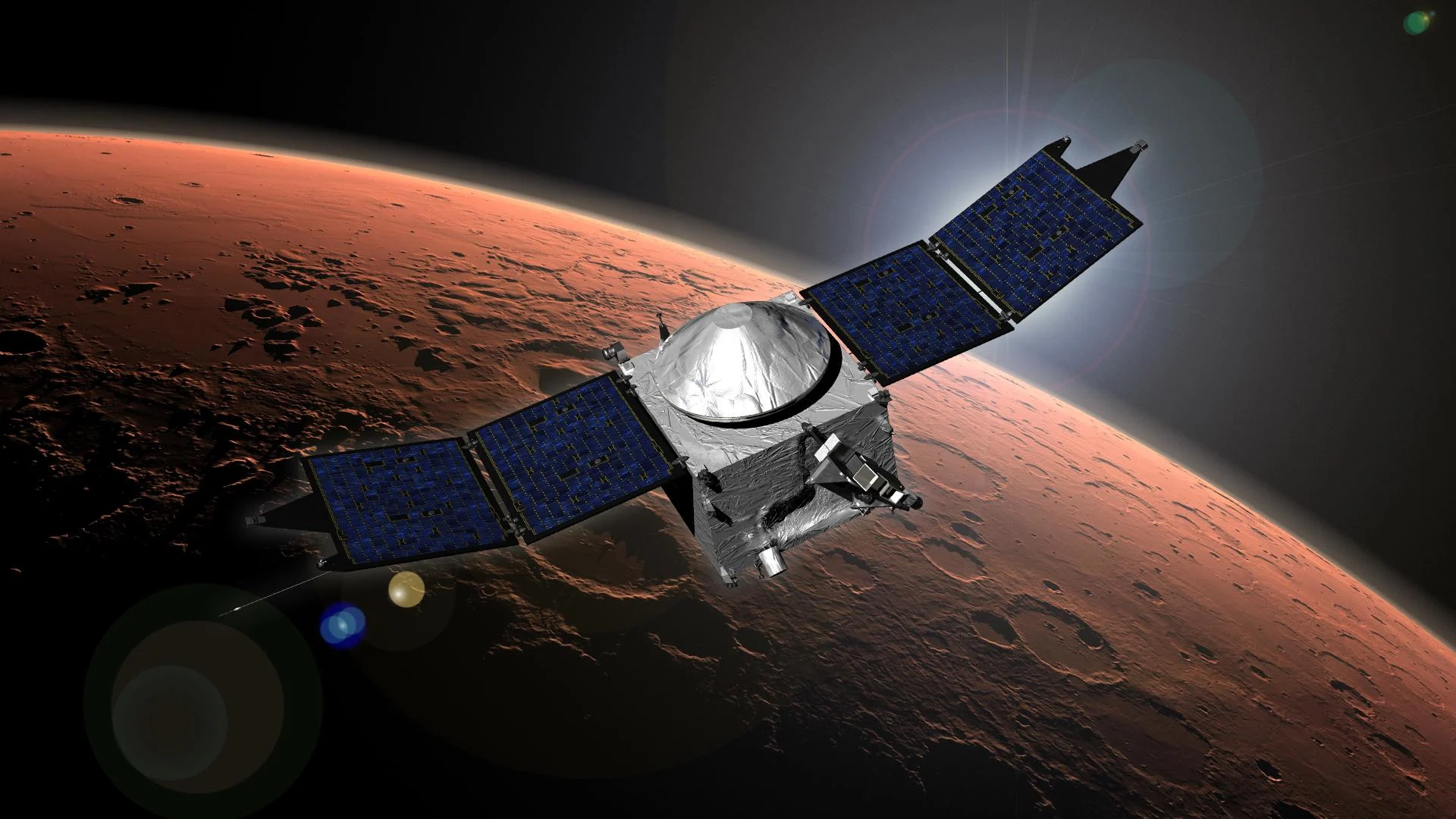
Saturn is not the only planet capable of forming rings.
Scientists believe this process could be similar to what happened around Saturn, though on a much smaller scale.
It's another example of how planetary systems continue to change, even if the process takes longer than civilizations.
Why “soon” means something different in space
The universe's vast age explains why these events can appear abstract.
“If the 13.8-billion-year time span since the Big Bang was represented by just one calendar year, the Earth and Moon wouldn’t form until mid-September,” Sutherland said.
“Humanity would only show up on Dec. 31, at around 11:52 p.m. and the last 500 years of history would be the very last second of the year,” he added.
Many of these developments are already underway, even if the end result is far beyond a human lifetime.
LOOK: Snowstorm from space: Ontario's stunning post-snowfall reveal
Predicting the distant future
Despite humanity's relatively short history, scientists have grown remarkably adept at predicting how the universe will behave.
“The universe has helped that along by being very consistent in how it functions,” Sutherland said. “That consistency has given us the ability to figure out what these objects have done in the past and what they will do in the future.”
Scientists who continue to observe, measure and keep records of the universe are not only learning for today; they are also leaving knowledge for future generations who may witness the endings we can only imagine.
The universe may move slowly, but it for sure keeps its promises.