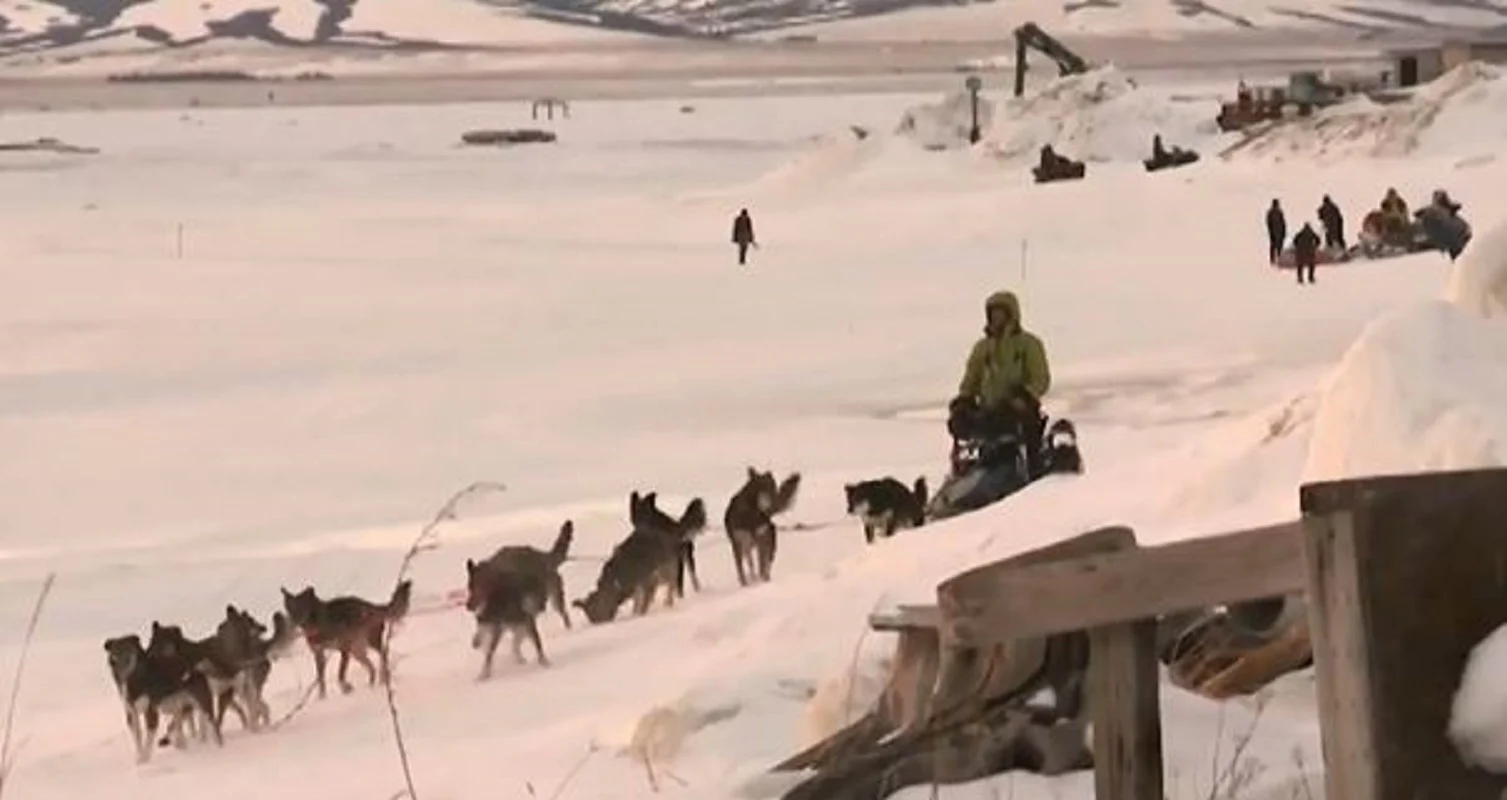
Too much snow may hinder the Iditarod sled dog race in Alaska

Dogs and their mushers may have to trek through five feet of snowpack at various points of the race
While a sled dog race should have some snow, too much of it can be just as bad as not enough.
The annual Iditarod race, which treks across Alaska starting Saturday, has an "epic amount of snow," according to Mark Nordman, the race marshal. Numerous areas along the route, from Anchorage to Nome, are covered by more than five feet of snowpack.
SEE ALSO: Residents brace for big melt after their homes encased in ice
But the current excessive snow amounts aren't shocking. Alaska is experiencing its coldest winter in 21 years, according to the National Oceanic and Atmospheric Administration (NOAA). Anchorage, where the race begins, just had its sixth snowiest February on record.
Most of the snowpack has remained because of cold temperatures staying below the freezing mark in the last two weeks. Even though Iditarod involves snow, too much of it can actually be difficult for the mushers and their dogs.
Nordman told CNN that a surplus of snow on the ground can slow down the race at certain times. "There is snow in the forecast in the next two days so we will see what happens, but the trail is really good to Finger Lake," Nordman said. The distance from Willow to Finger Lake covers the first 180 kilometres of the race.
The event kicks off with a ceremony Saturday in Anchorage, the restart will take place Sunday in Willow and then continue along the northern route to Nome.
LACK OF SNOW AN ISSUE IN PREVIOUS EVENTS
There has also been a few races in recent years that had a lack of snow. Three of the last five years are in Alaska's top 20 Februaries with the least snowfall.
Normally, the teams finish in approximately nine to 11 days, but the quickest time the race has been completed was in eight days, three hours and 40 minutes. This occurred in 2017, when there wasn't too much snow.
This year's race will have the opposite feel, as even more snow is forecast for areas along the route. While the majority of areas will get between 15-25 cm of snow during the race, some could receive higher amounts, as well as reduced visibility along other sections.
Source: CNN
Thumbnail courtesy of CNN.