How the Gulf War caused black rain in Turkey
The pollutants from Kuwaiti oil fires travelled to Turkey and caused black rain.
This Day In Weather History is a daily podcast by Chris Mei from The Weather Network, featuring stories about people, communities and events and how weather impacted them.
--
On Monday, Feb. 25, 1991, black rain fell on Turkey’s southeastern provinces of Adana, Hatay, and Sanliurfa. The black, oily rain fell for approximately 10 hours. It stained people's clothes and blackened their skin. The black rain was a byproduct of the Gulf War.
Click here to subscribe to This Day in Weather History
Southeast Turkey shares a border with Iraq. Iraq shares a border with Kuwait. From Aug. 2, 1990 to Feb. 28, 1991, the United States led coalition forces in a war against Iraq, which had just invaded Kuwait over oil disputes. A wild oversimplification of the Gulf War so we can get back to the black rain.
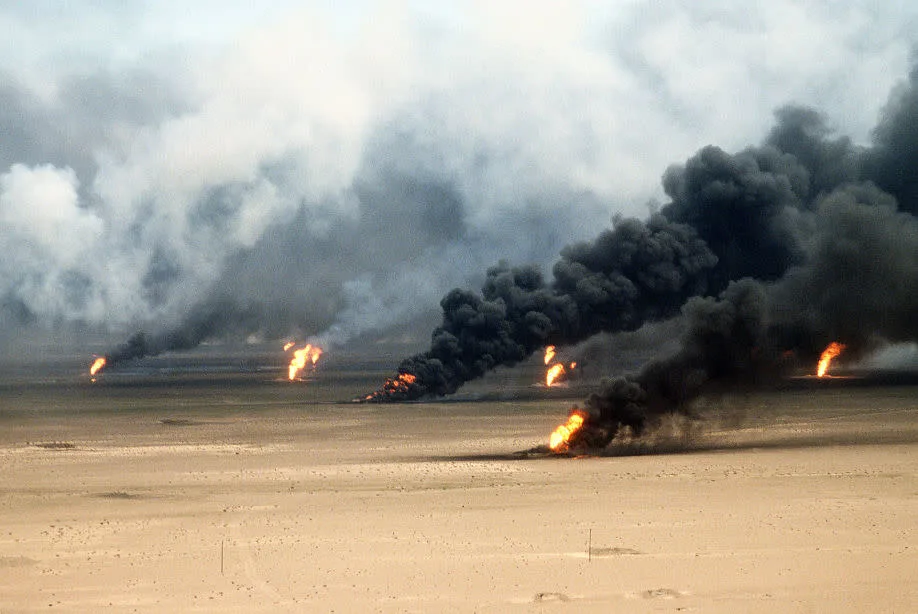
Iraqi troops blew up more than 500 oil wells in Kuwait. This caused the skies to blacken as burning petroleum overwhelmed the area.
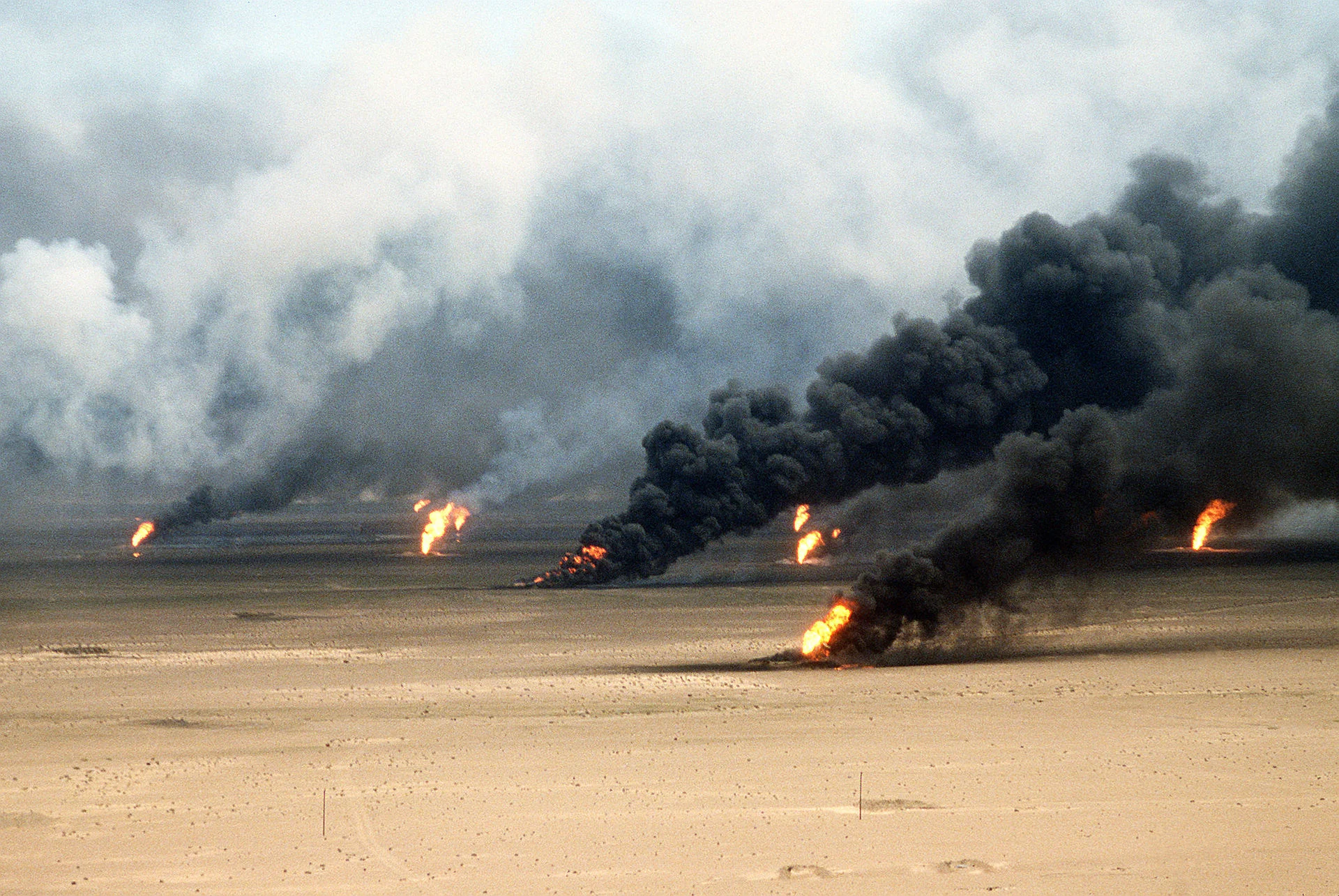
Oil well fires outside Kuwait City in 1991. Courtesy of Wikipedia
The burnt petroleum was composed of sulphur, nitrogen oxide, and hydrocarbons. The blackened clouds travelled to Turkey and rained on some of the population.
The black rain, known as toxic rain, also fell on Western Iran.
The toxic rain made its way into Turkey's ecosystem and took approximately 15–20 years to clear itself out of the atmosphere.
To learn about the day black rain fell on Turkey, listen to today's episode of "This Day In Weather History."
Subscribe to 'This Day in Weather History': Apple Podcasts | Amazon Alexa | Google Assistant | Spotify | Google Podcasts | iHeartRadio | Overcast'
Thumbnail courtesy of Wikipedia