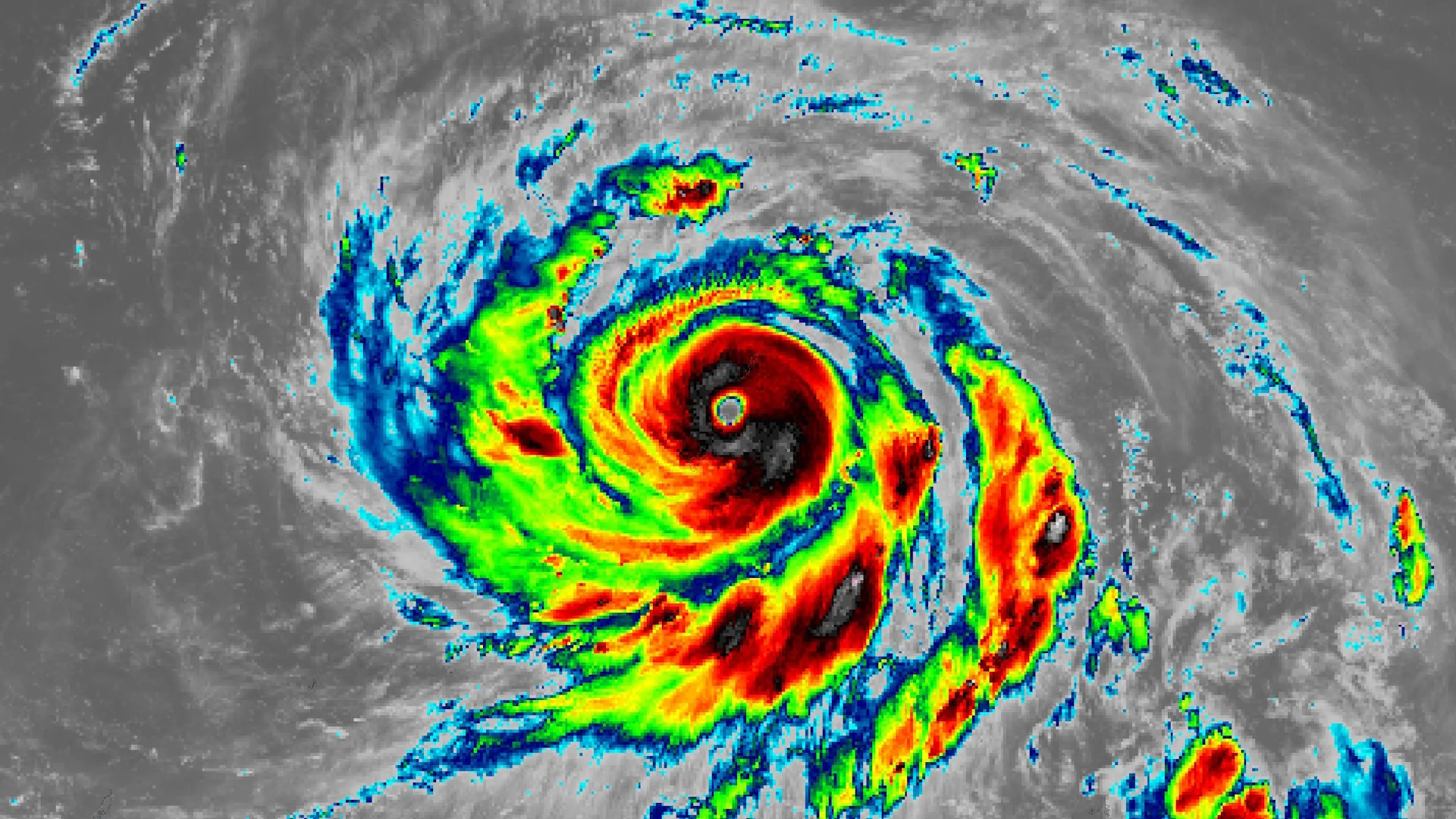
Super Typhoon Bavi slams islands with 285 km/h winds

Super Typhoon Bavi is one of the strongest typhoons to ever make landfall in the western Pacific basin
Super Typhoon Bavi struck the tiny island of Rota early Monday morning local time with maximum sustained winds of 285 km/h, making it one of the strongest typhoons on record to directly affect land.
DON’T MISS: What’s the difference between hurricanes, typhoons, and cyclones?
Forecasters issued an extreme wind warning for Rota early Monday morning as the typhoon’s intense core approached the region during the pre-dawn hours.
“This is an extremely dangerous and life-threatening situation! Take cover now!,” the U.S. National Weather Service said in the alert. The agency added: “Venturing outside can result in death from flying projectiles. Unreinforced structures will be destroyed.”
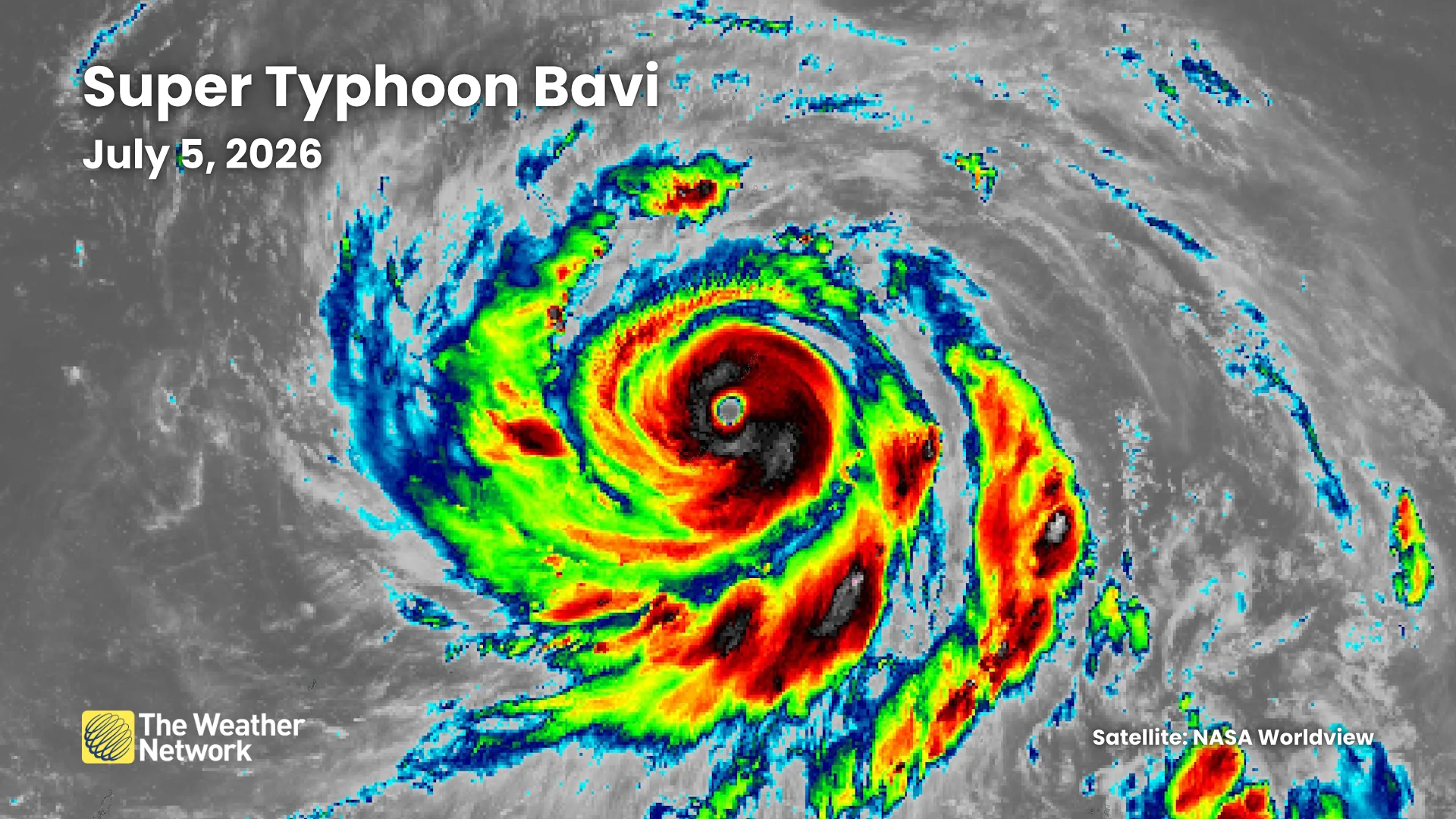
Rota experienced the destructive winds of the super typhoon’s inner eyewall, and the clear eye completely enveloped the island for about one hour. The storm didn’t make an official landfall, though, as the very centre of the eye missed the island by just a few kilometres.
Lack of an official landfall is just a technicality for the residents of Rota, who experienced an extended period of extreme conditions during the eyewall’s passage. Winds gusted as high as 160 km/h at Guam's international airport, about 100 km south of the super typhoon's centre.
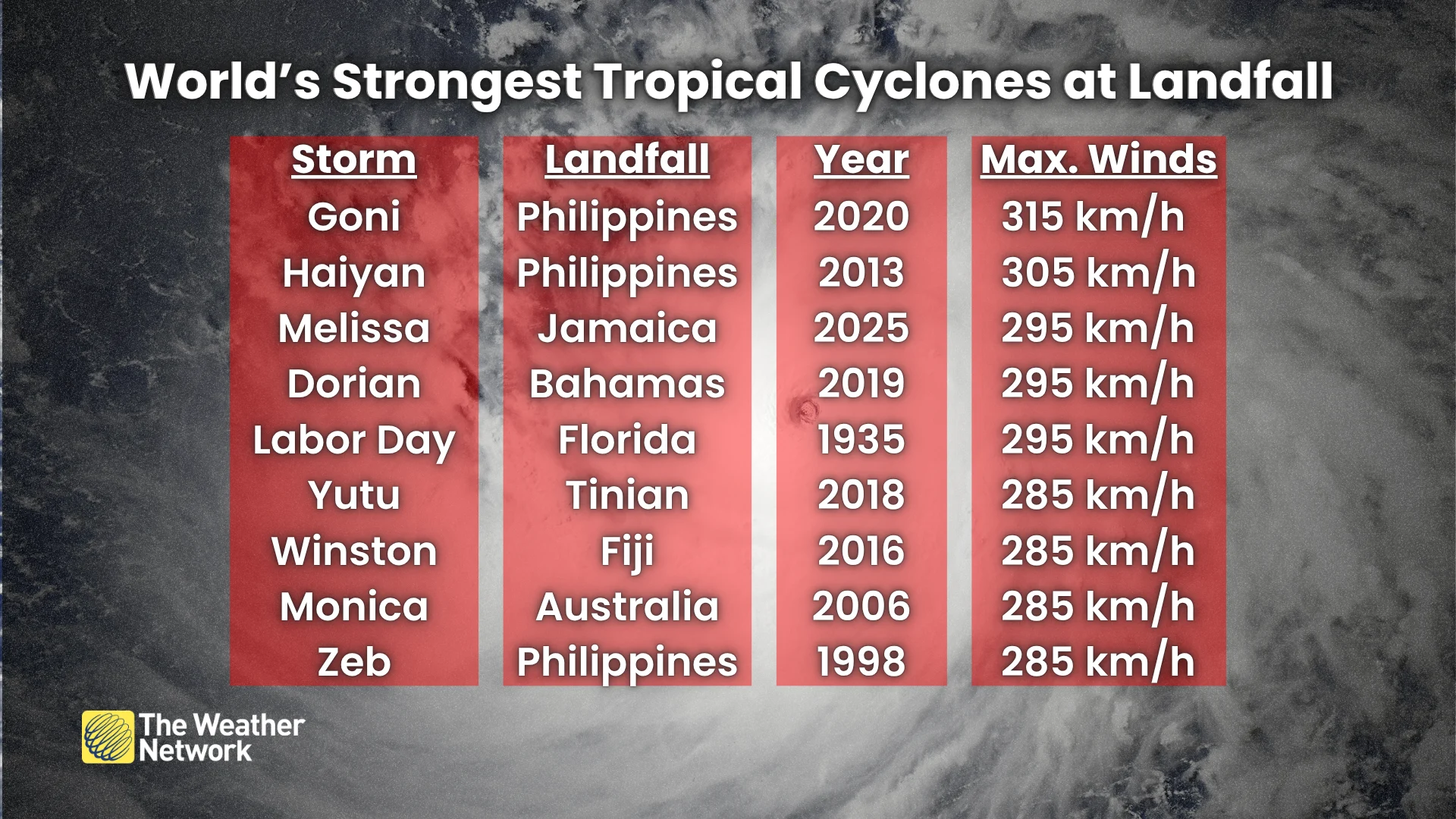
Only a handful of tropical cyclones anywhere in the world have made landfall with maximum sustained winds of 285 km/h or stronger, including 2013’s Super Typhoon Haiyan and the 1935 Labor Day Hurricane.
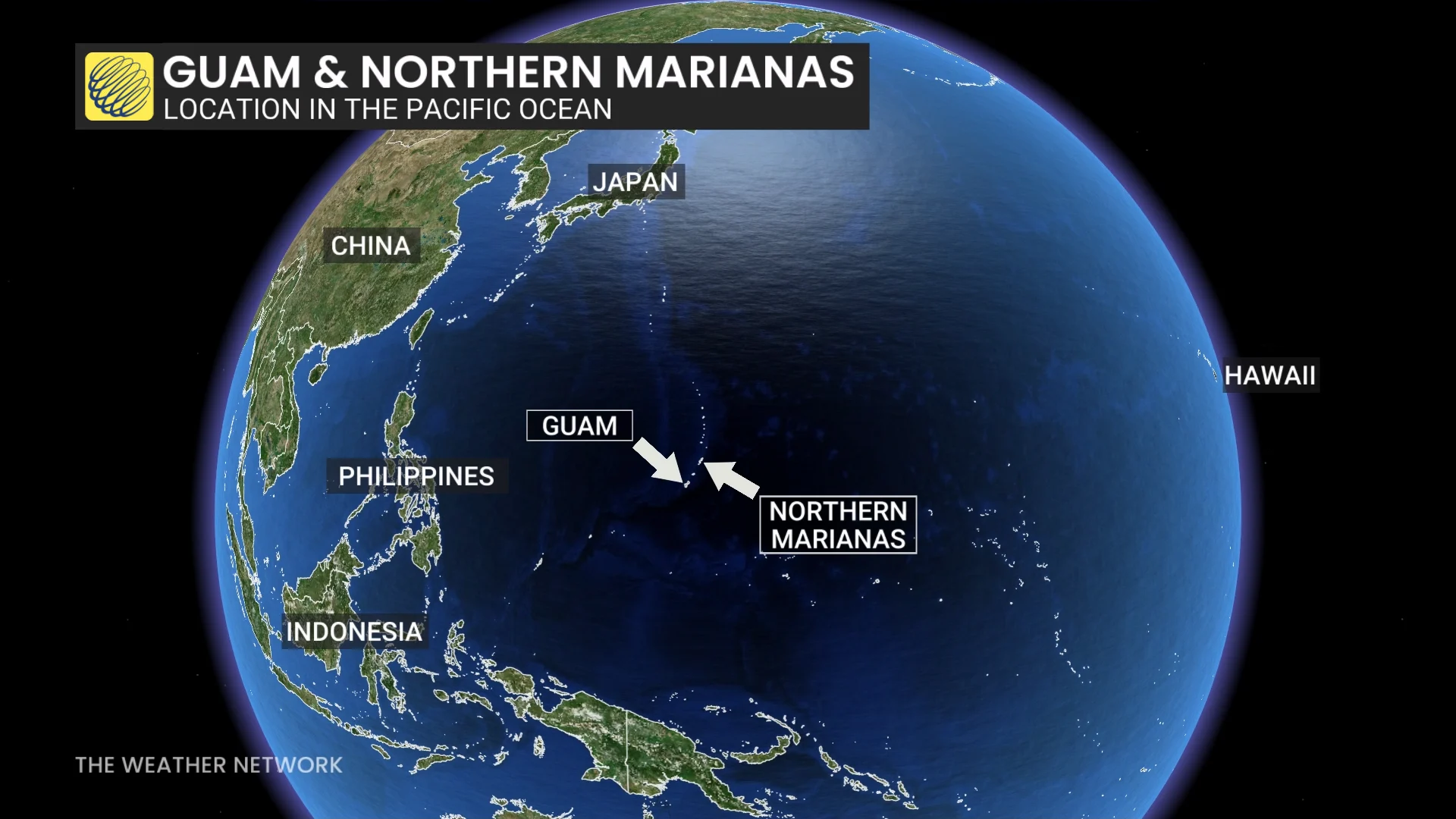
Rota is part of the Northern Mariana Islands, a territory of the United States. Along with neighbouring Guam, the islands are home to a little more than 210,000 people. Rota is the least populous with only around 1,800 residents. The region is 14 hours ahead of Eastern Time.
Bavi is the second super typhoon to threaten the Northern Mariana Islands this year. Super Typhoon Sinlaku caused widespread damage across the region this past April. Several other damaging typhoons have struck the islands in the past couple of years, including Mawar in 2023 and Yutu in 2018.
Header image courtesy of NASA Worldview.