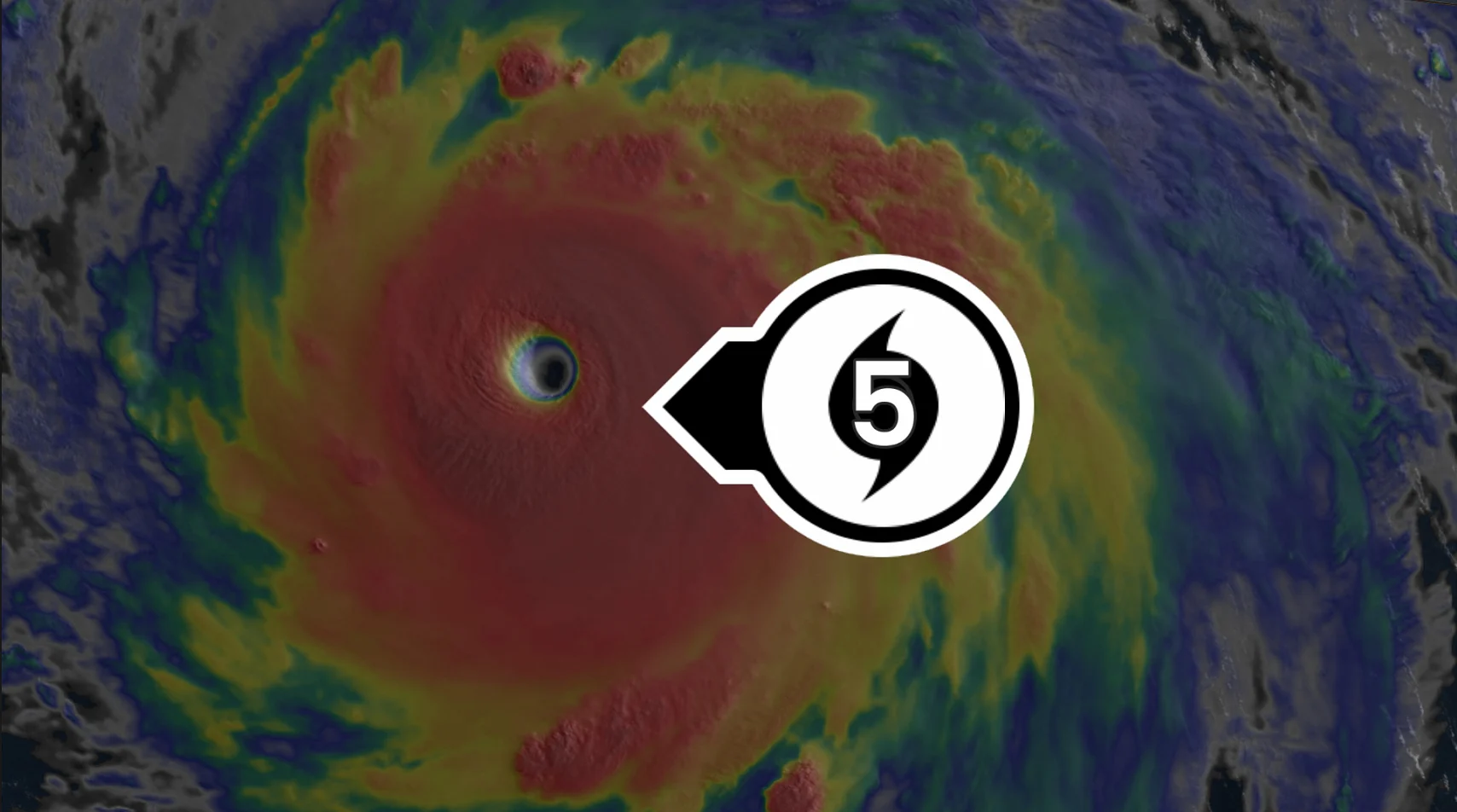
Hurricane Genevieve explodes into season's first East Pacific Category 5 storm

The storm will remain offshore, but coastal areas could still feel its impact through dangerous surf and rip currents
Hurricane Genevieve quickly strengthened into a Category 5 hurricane Monday morning, becoming the strongest storm in the East Pacific since Hurricane Kristy in 2024.
The storm churned over the Pacific Ocean, packing maximum sustained winds of 260 km/h and a core pressure of 925 millibars. Genevieve is expected to stay well offshore, tracking parallel to the Baja Peninsula rather than making landfall.
Despite averting a direct hit, the powerful hurricane will nevertheless have an impact on coastal areas. Dangerous rip currents are forecast along the Baja peninsula, particularly early this week, as the storm's enormous seas approach neighbouring waters.
READ: What is swimmer's itch, and how to avoid it this summer
Genevieve joins an active Pacific hurricane season
Genevieve is the fourth Category 5 storm reported in 2026, after Tropical Cyclone Horacio, Super Typhoon Sinlaku and Super Typhoon Bavi.
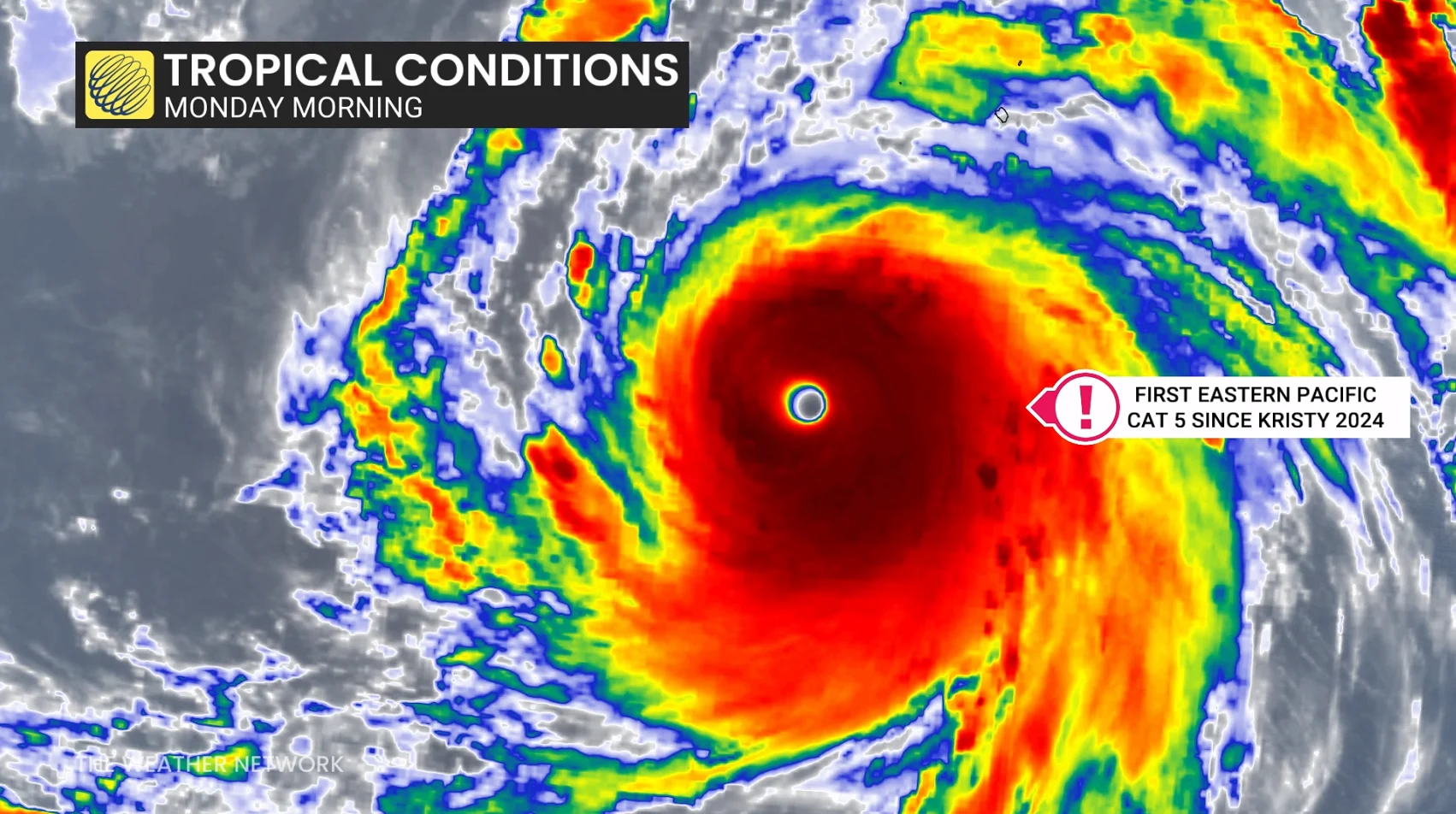
The hurricane's peak power is unlikely to last. As Genevieve advances north, it will encounter cooler waters and lose access to the extremely high ocean temperatures that fueled its fast intensification.
Meanwhile, another Pacific system continues to attract interest. Hurricane Fausto is headed for Hawaii, although it is expected to pass north of the islands, with strong gusts and severe rip currents along exposed shores.
DON'T MISS: Hair suddenly standing straight up? Take cover immediately
El Niño could fuel a busier Pacific season
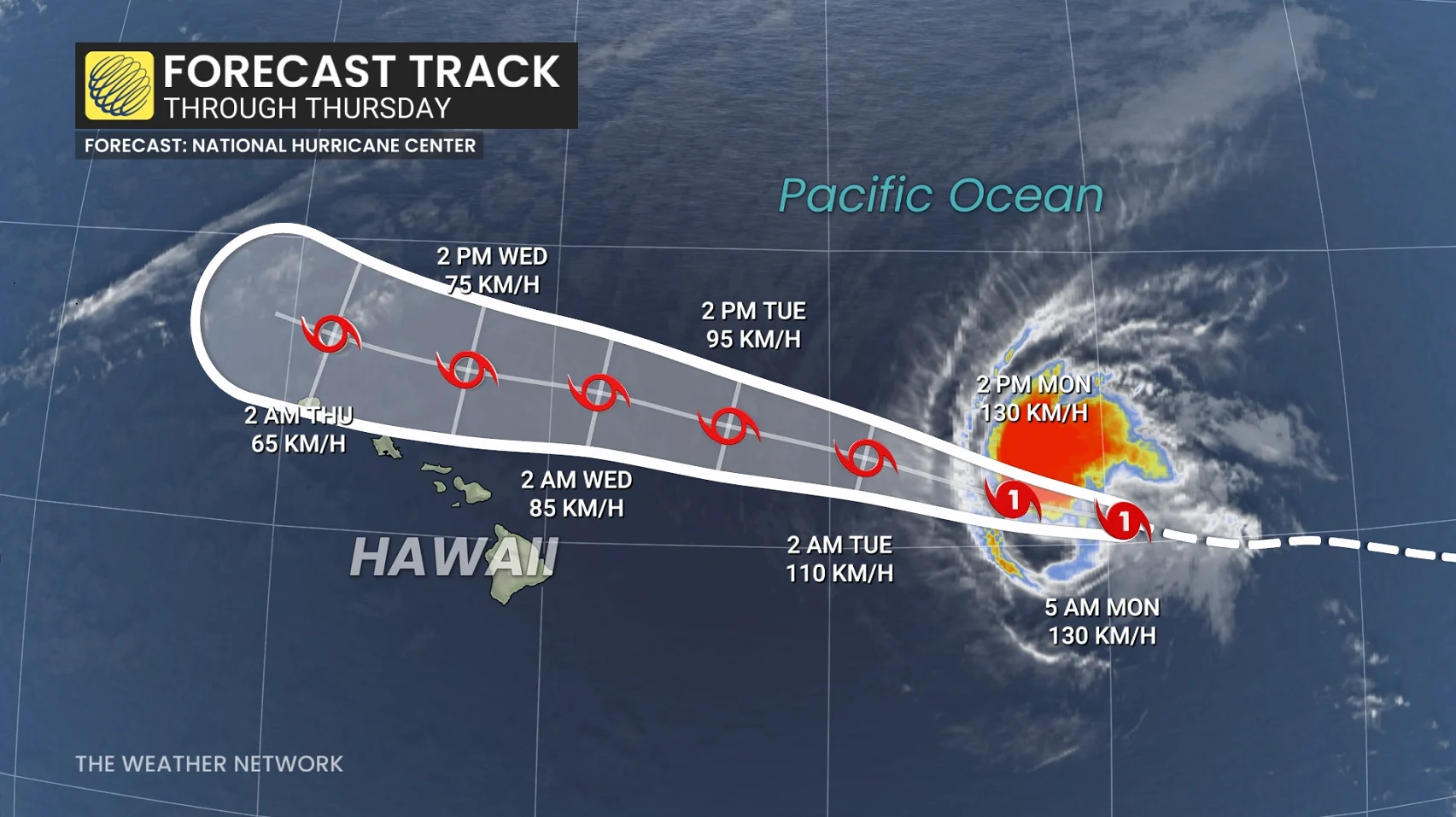
The East Pacific has had six named storms this season, with Fausto being the basin's first hurricane before Genevieve reached Category 5 power.
In comparison, the Atlantic has had two named storms: Arthur and Bertha, which made landfall in the Gulf states last week.
El Niño conditions are expected to strengthen, leading to increased storm activity in the East Pacific throughout the season.
Stay with The Weather Network for the latest updates