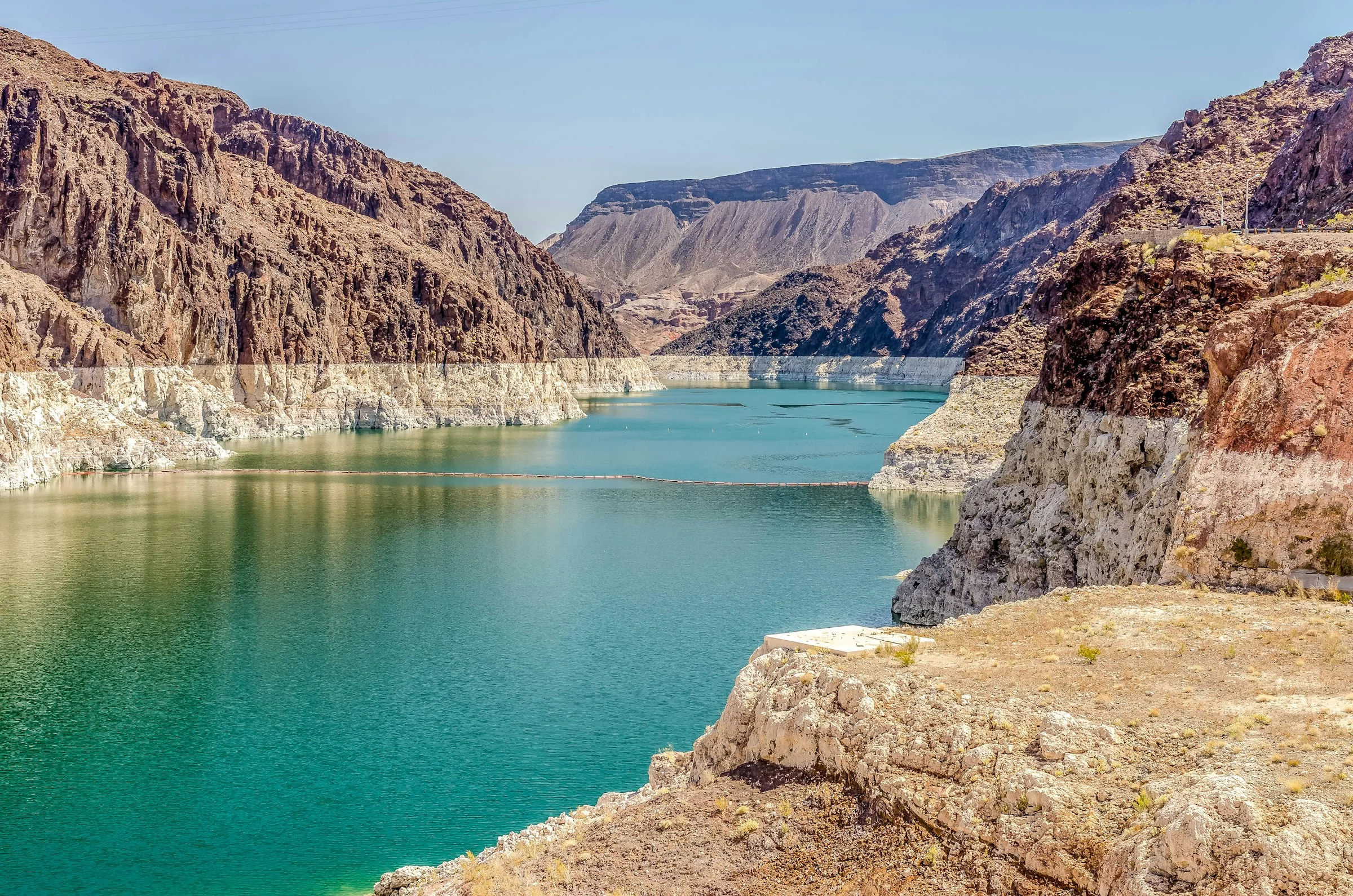
Huge conservation success replenishes water for 40 million people

A years-long conservation effort has resulted in significant gains to Lake Mead’s water levels
A recent bit of good news from the western United States is a welcome bright spot in the region’s long-running efforts to conserve precious water resources amid a growing population and an expanding agricultural industry.
Water levels in Lake Mead, the country's largest reservoir, have risen nearly 5 metres in the past two years after a sustained conservation effort in the state of California.
DON’T MISS: Droughts can be tough reminders of importance of water conservation
The Colorado River Board of California announced the achievement in a press release earlier this month.
Lake Mead has added 1.2 million acre-feet of water over the past two years, the agency reported. That’s the equivalent of nearly 1.5 million megalitres of water added to the lake since the beginning of conservation efforts.
This influx of additional water has added about 16 feet (4.8 metres) back to Lake Mead’s water levels, rising from 1,043 feet (318 metres) in Nov. 2022 to 1,061 feet (323 metres) by Nov. 2024.
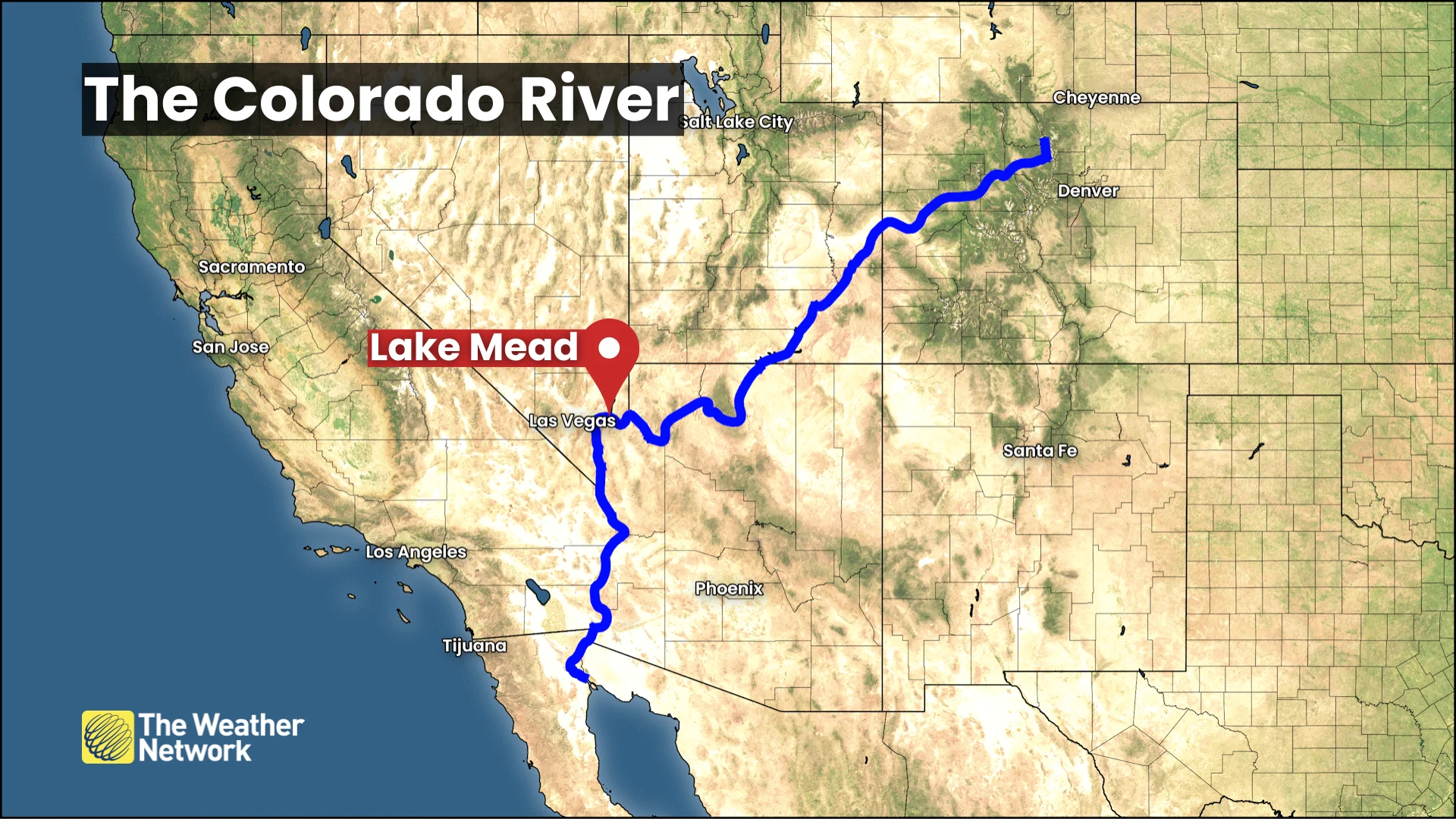
Lake Mead is a large reservoir east of Las Vegas, Nevada, created by the famous Hoover Dam. Under normal circumstances, the lake’s full pool level is around 1,219 feet (372 metres). The body of water hasn’t experienced a full pool since August 1983.
Agencies and municipalities across California achieved the feat through the “on-farm conservation programs, temporary and seasonal land-fallowing programs, curtailment of replenishment water for groundwater basins, turf replacement programs, and urban water efficiency efforts,” the report said.
MUST SEE: Why reusing household water to combat drought can be tricky in Canada
The Colorado River is a tremendous source of freshwater in the western U.S. The river provides water to more than 40 million people in the U.S. and northwestern Mexico, and it generates hydroelectric power for customers in seven states. As a result of its importance, water usage on the Colorado is strictly regulated.
Persistent drought conditions and increasing population across the western U.S. have taxed water resources to their breaking point throughout the region.
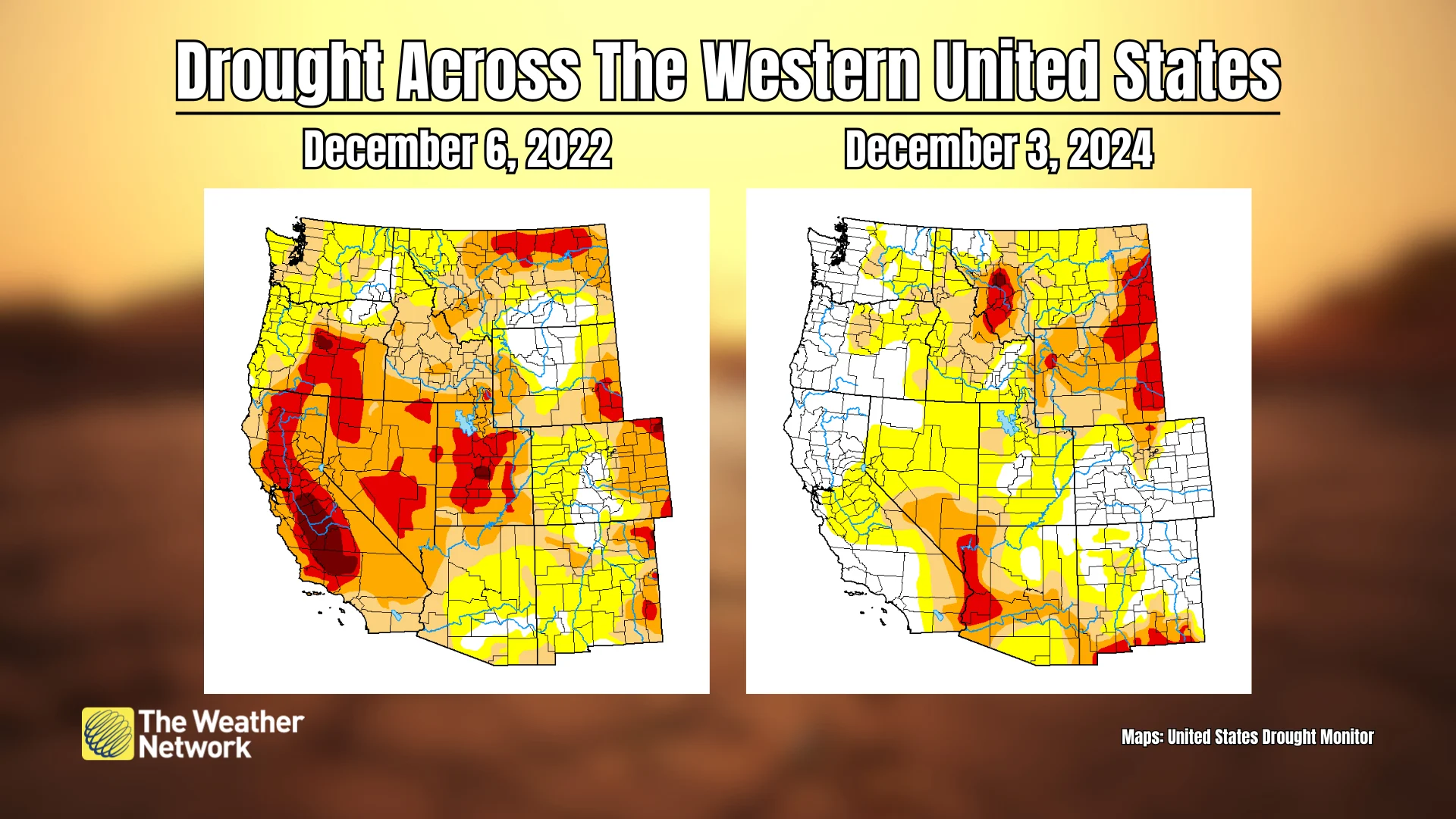
Nearly two-thirds of the western U.S. found itself in a severe drought or worse in December 2022. The most arid conditions covered California’s Central Valley, with pockets of severe to extreme drought dotting the Colorado River basin.
We’ve seen significant drought improvement across the western U.S. over the past two years. Regular bouts of seasonal rains have cut California’s drought almost entirely, while severe to extreme drought still covers a swath of the Colorado River from Lake Mead south to the border with Mexico.
Lake Mead isn’t the only body of water that’s suffered from recent drought and water overusage. Pool levels in Utah’s Lake Powell came perilously close to falling too low to generate electricity back in the spring of 2022.
Header image courtesy of Unsplash.