Heat waves are deadlier than previously thought, study finds

A recent study discovered that extreme heat places greater stress on the human body than previously thought
Lower temperatures than previously thought are required to place potentially lethal stress on the human body during extreme heat waves, a recent study found.
A new physiological model that accounts for age and sun exposure shows that heat waves are deadlier even at cooler and less humid conditions. The finding is important to improving heat safety in a world where heat waves are growing more common.
DON'T MISS: Why extreme heat is one of the world’s deadliest weather disasters
Extreme heat is a deadly global hazard
Extreme heat is a major threat to populations around the world. Heat kills by raising our core temperatures beyond a sustainable level.
Aside from the humidex and heat index, meteorologists also use the wet-bulb temperature to assess the danger posed by very hot conditions.
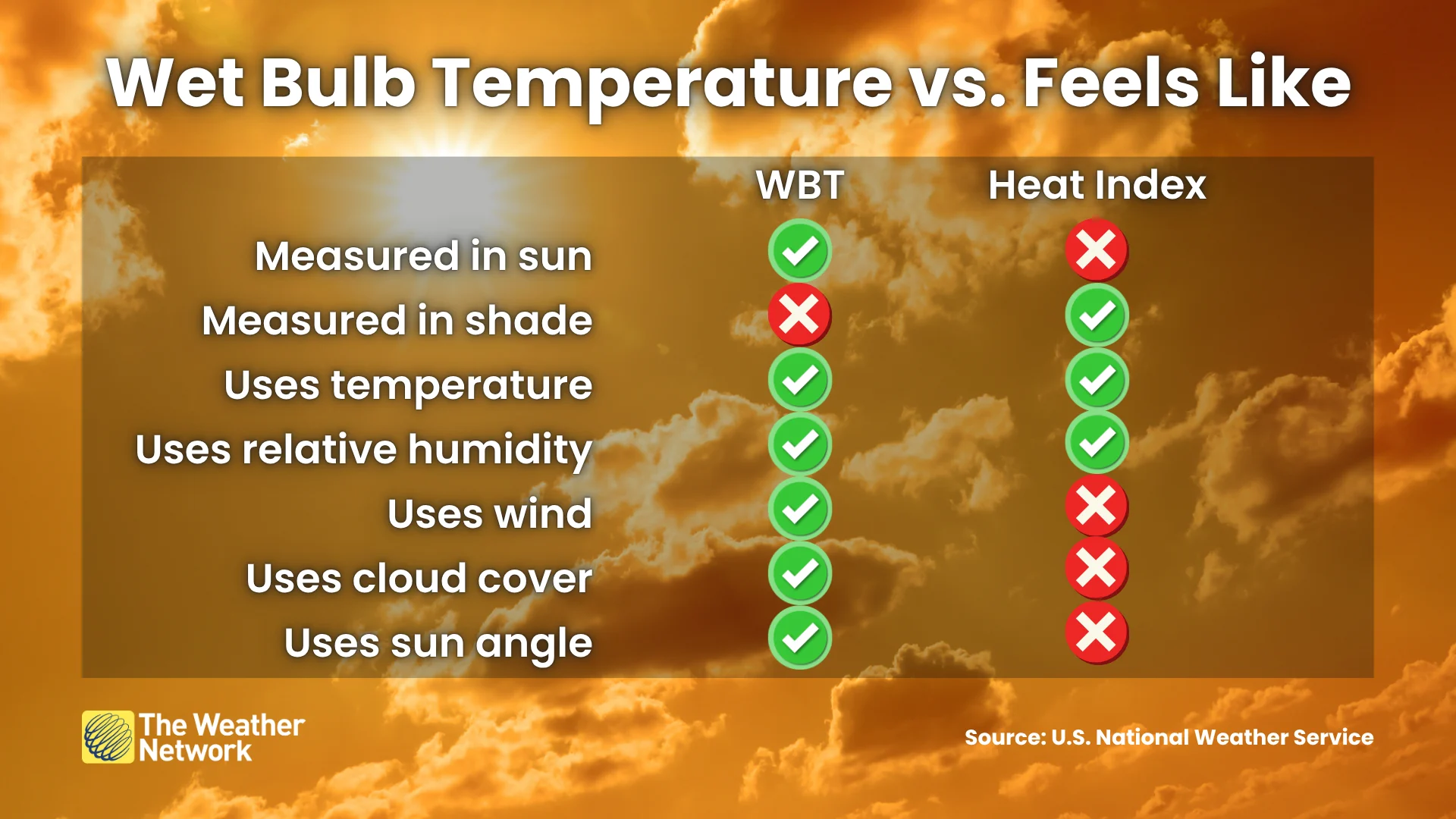
The wet-bulb temperature is the value achieved solely through the evaporation of water. Evaporation is a cooling process; it’s how sweat helps regulate our body temperature on a hot day.
Muggy heat precludes the ability for sweat to evaporate efficiently, causing our body temperature to rise dangerously high without intervention.
Six hours of exposure to a wet-bulb temperature of 35°C has long been held as the upper limit of human survivability without access to shade or air conditioning.
Study finds that the true threshold is likely much lower
A recent study from Australian researchers found that heat waves can exact a tragic toll even at lower temperatures and humidity levels.
The team utilized a new physiology-based model to assess heat stress, taking into account variables not factored in by other models, such as age and sunshine exposure.
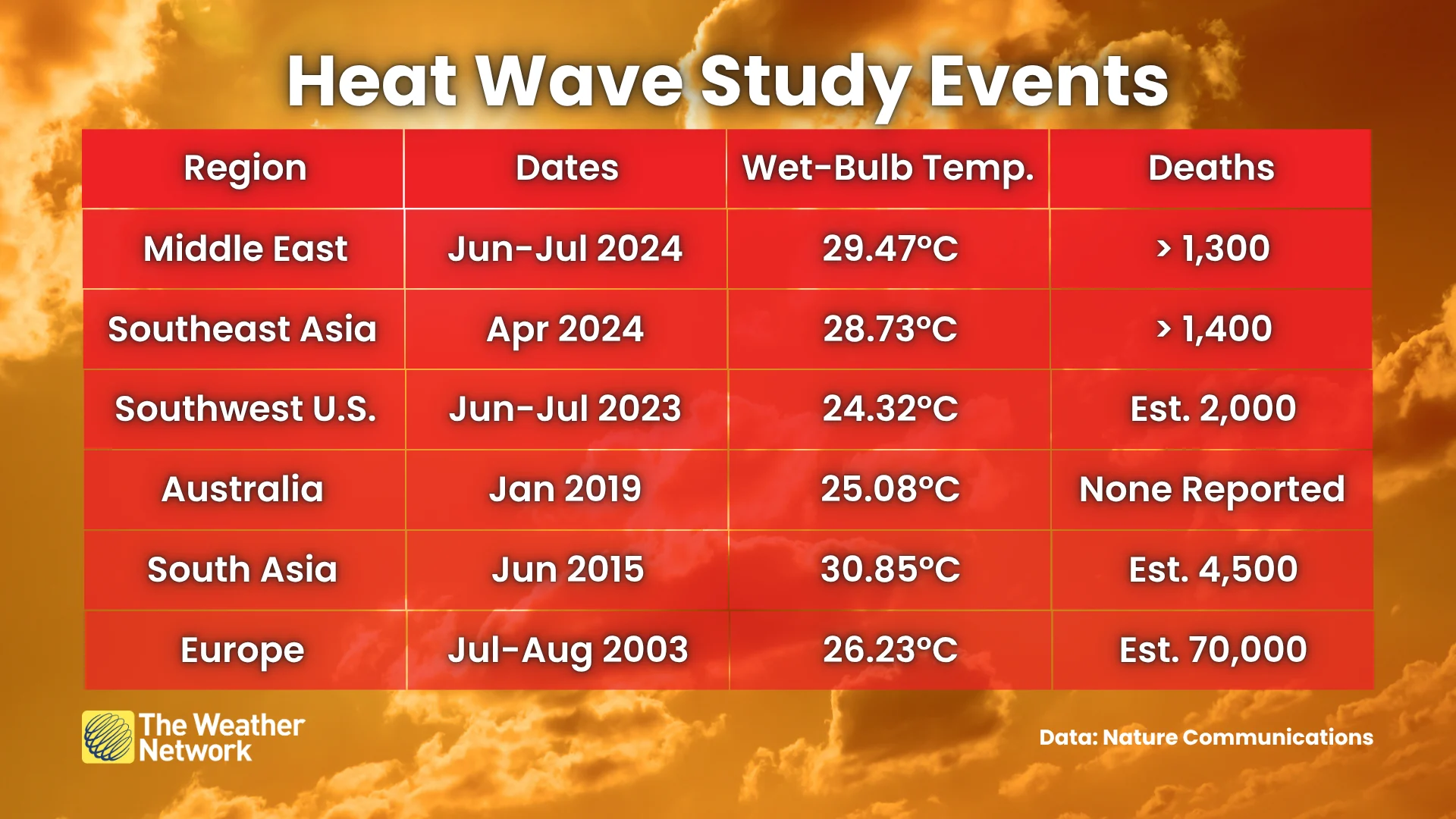
An analysis of seven major heat events around the world found that wet-bulb temperatures were much lower than the 35°C threshold, yet almost every one still exacted hundreds to thousands of fatalities.
According to the researchers’ findings, not only is the survivability threshold lower than previously thought, but extreme heat without elevated humidity can be just as deadly as humid heat.
The two driving factors are age and exposure to solar radiation. Folks at or above the age of 65 are at greater risk of succumbing to extreme heat, as are people who spend extended periods of time outdoors in direct sunshine.
Access to relief like shade and air conditioning dramatically reduces mortality during heat waves, they said, but there are often mitigating factors.
Air conditioning can be hard to find or non-existent in low-income communities around the world. Large gatherings, such as the annual Hajj, can expose hundreds of thousands of people to direct heat, humidity, and sunshine without much if any relief.
Know the signs of heat-related illnesses
Heat exhaustion is like a warning sign from your body that you’re overdoing it in extreme temperatures. Symptoms include a cold sweat, wobbly legs, or a spell of dizziness.
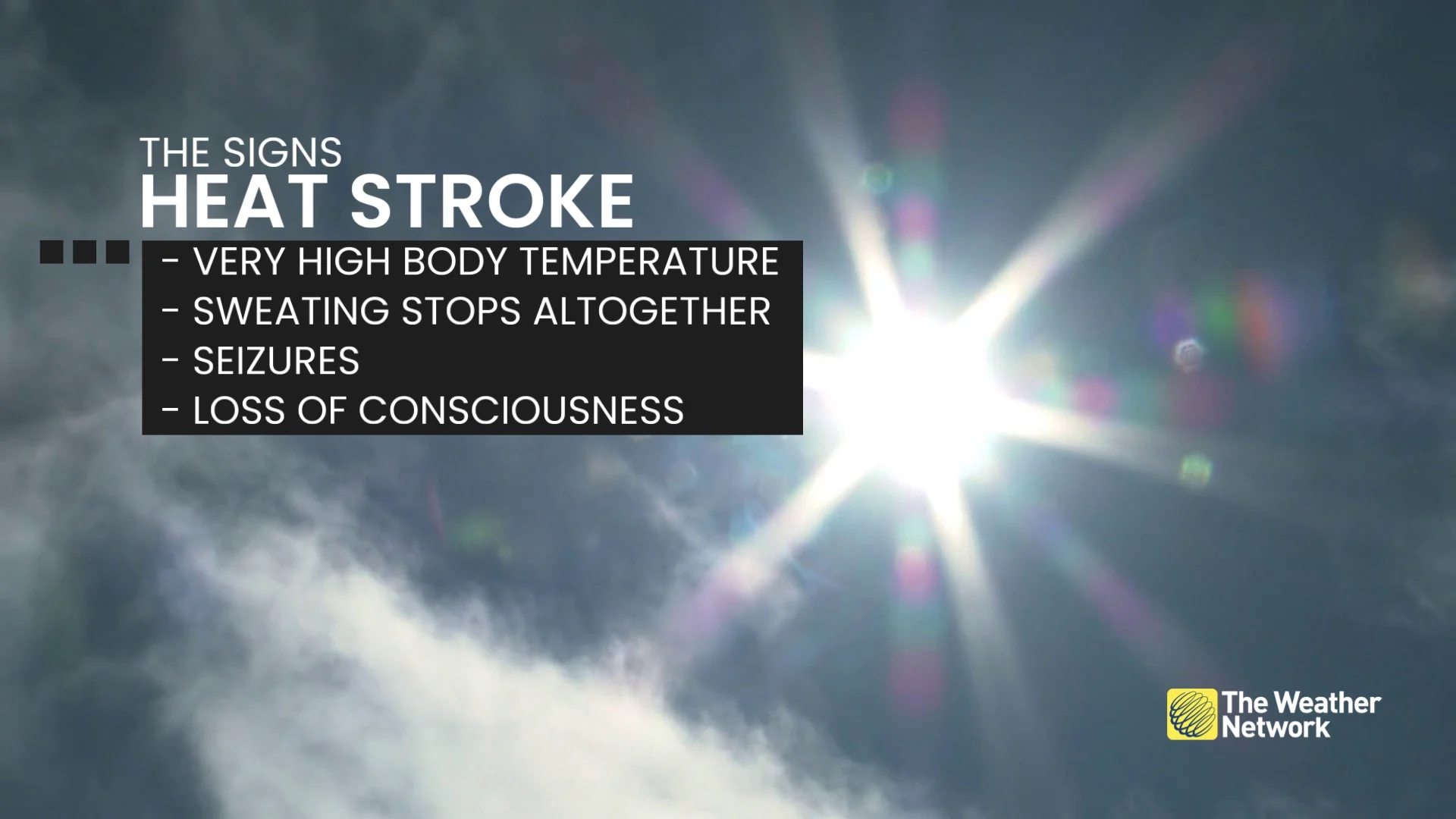
Heat exhaustion can quickly progress to heat stroke, which is a life-threatening condition where your internal body temperature has risen dangerously high.
Some symptoms of heat stroke include no longer sweating, seizures, and a loss of consciousness. Untreated heat stroke can lead to organ failure and eventually death.
Header image created using graphics and imagery from Canva.