
Plane crashes in Florida during severe weather, killing nine occupants

A Learjet 60 crashed in a Florida neighbourhood after encountering severe thunderstorms, resulting in the deaths of all nine occupants.
An exact cause of a plane crash in Florida on Sunday is still being investigated, but the flight did encounter severe weather before it went down.
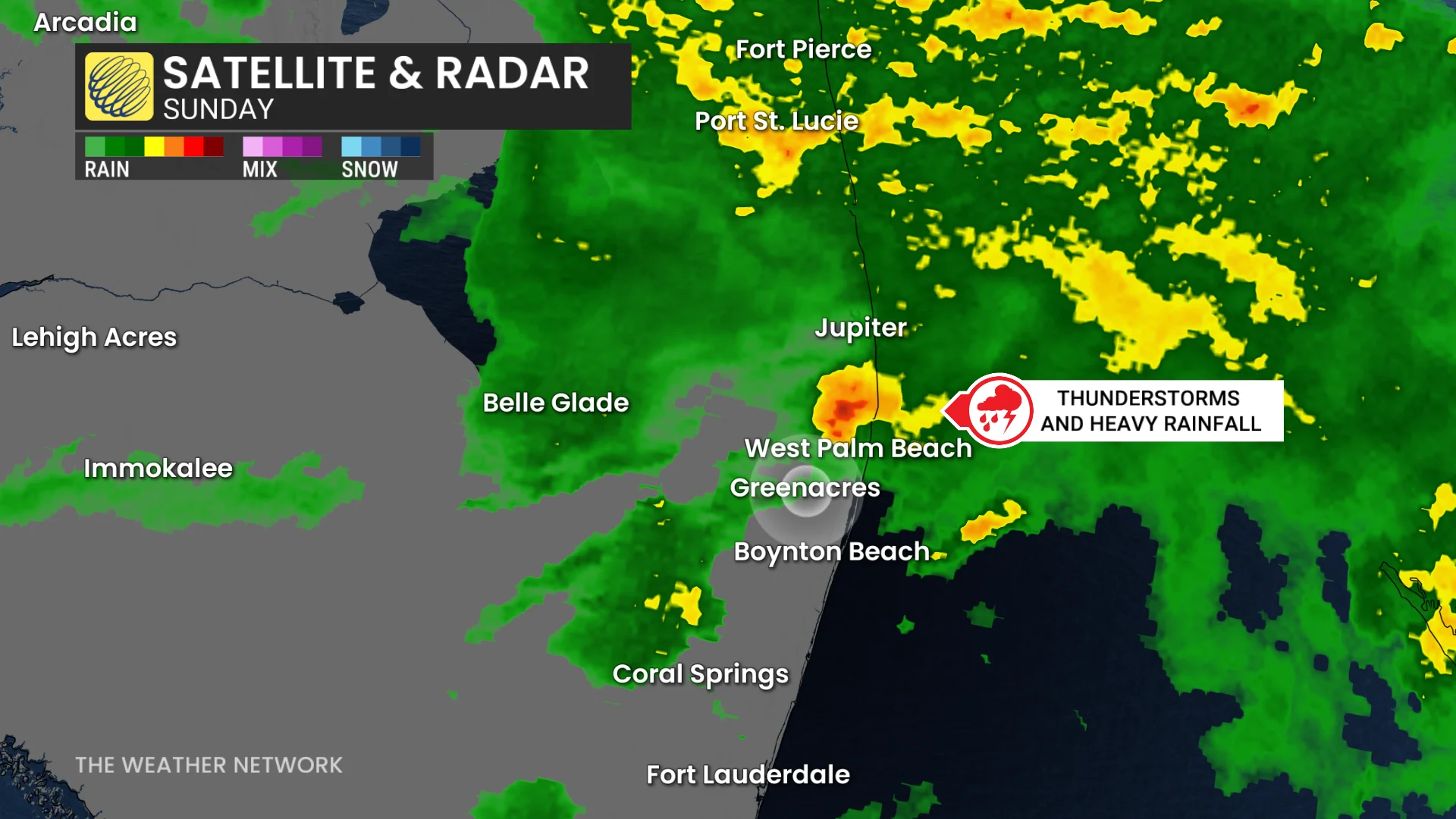
A Learjet 60 plane crashed on Sunday near Greenacres, in Palm Beach County, Fla., reportedly killing all nine passengers aboard, with the nearby area covered in fire and debris.
It was reported that severe thunderstorms popped up over southern Florida on Sunday, impacting air travel. At the time, the plane with nine passengers crashed just before 1 p.m., occurring when thunderstorm cells were sprouting up across the region, local media reported.
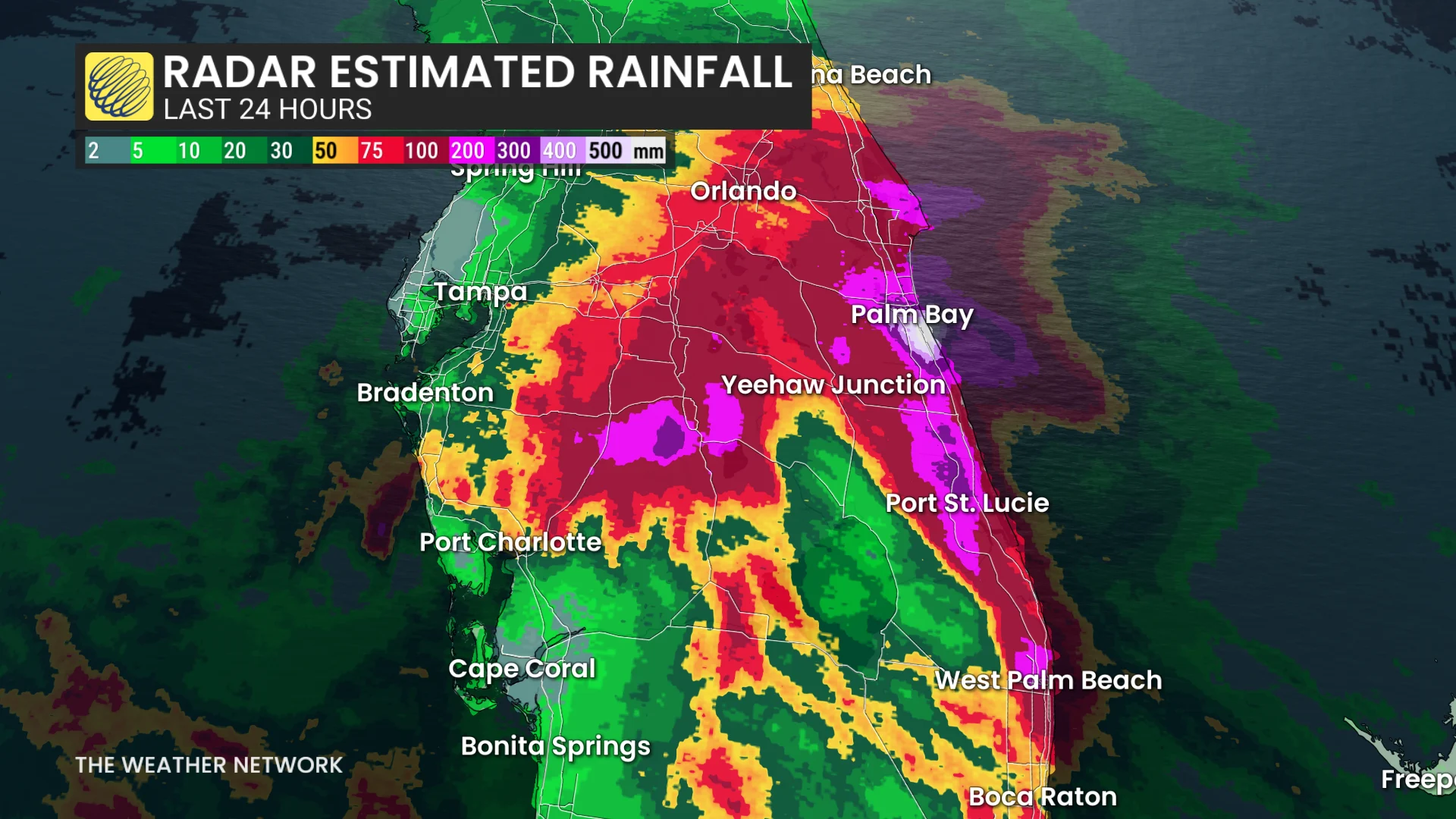
In fact, a slow-moving, upper low that stalled over southern Florida brought reports of hundreds of millimetres of rainfall over many locales, including more than 500 mm in Micco, Fla.
According to U.S. media outlets, Sunday featured long-lived thunderstorms, ehanced by warm, humid, easterly breezes at the surface jockeying with westerly winds higher in the atmosphere.
Elliot Johnson, a veteran pilot, told The Palm Beach Post that aviators can typically dodge thunderstorms by flying around them or changing the elevation to soar above them.
Aside from radar and satellite technology for navigation support, pilots also regularly communicate what they are enduring so other planes can avoid rough air.
“Thunderstorms are bad, period,” said Johnson. “Hopefully, you can see them, and to the extent you can, you want to stay in clear air.”
Icing on the tail?
After video of the crash surfaced on social media, many who watched the clip theorized that the plane's tail may have had icing on it.
The plane appears to have grown into a rapidly growing thunderstorm at an altitude of 35,000 feet. As a result, there is a possible icing scenario with warmer air rising in the thunderstorm. That creates the potential of supercooled water droplets being present, increasing the icing risk for the plane.
Temperatures at the flight level were around -45 C.
If that was the case, it potentially could have contributed to a "tailplane stall" that has the ability to force the airplane to take a nosedive at a 90-degree angle, uncontrollably, according to the local media.
However, that is just speculation at this time.
Turbulence was also present, as heard through the air traffic control recording. The first officer had asked to take the plane to an altitude of 37,000 feet, at which time the mayday call occurred.
The Federal Aviation Administration and the National Transportation Safety Board is currently investigating the cause of Sunday’s deadly crash.
“It’s 100 per cent possible to get icing in Florida,” said Johnson, generally speaking, and not in direct relation to, or speculation on, the Learjet 60 crash.
With files from Tyler Hamilton, a meteorologist at The Weather Network.