Cold, damp weather delaying growing season for N.L. farms, nurseries

A cold, wet start to June is playing havoc with the summer growing season across much of Newfoundland and Labrador.
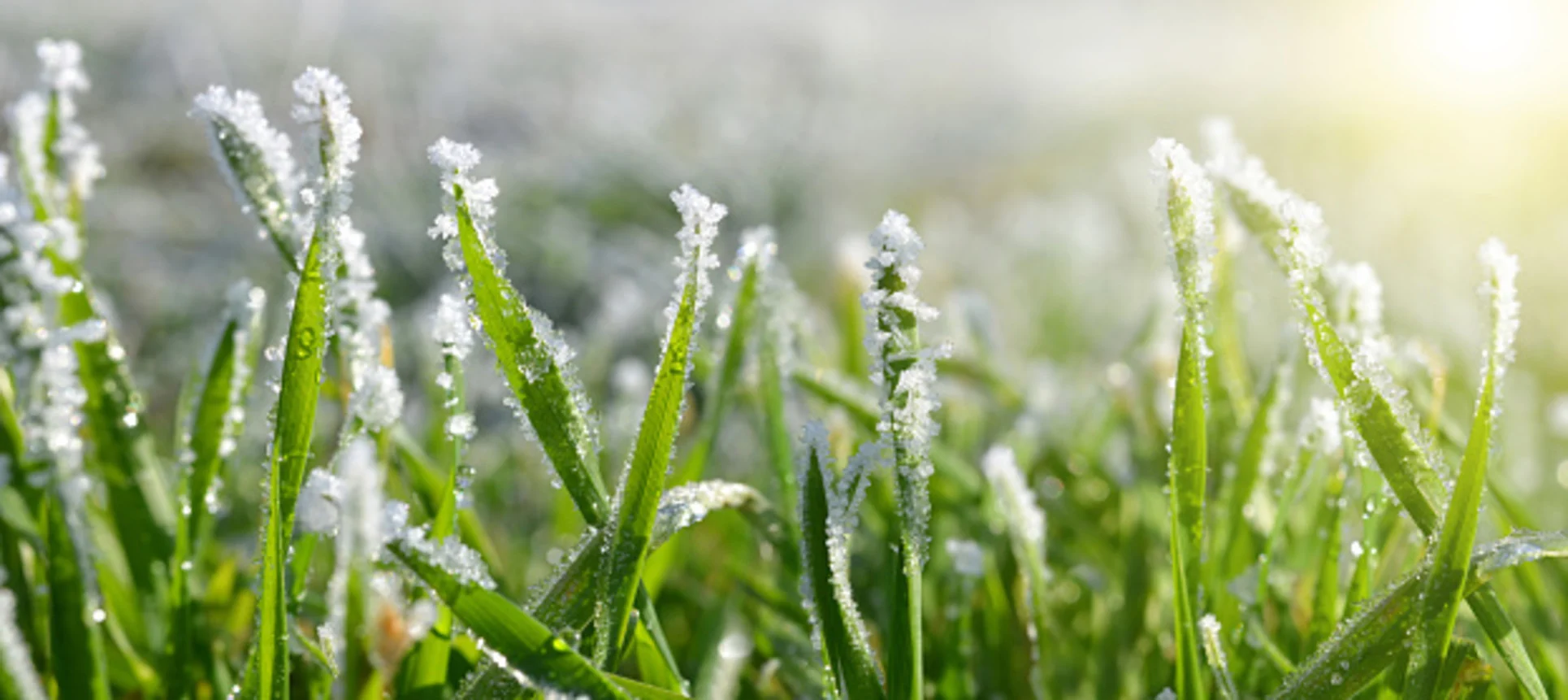
Temperatures have remained low for most of the island this week, with frost warnings in central and western Newfoundland on Tuesday night.
While the rain may have slowed, it has still meant growing season is a little behind schedule, say local nursery and farm owners.
"It's been difficult," says Lindsey Berg, co-owner of Faith Greenhouses and Garden Centre in Lewisporte. "The UV index has been around one. And, of course, if you're [knowledgeable] to growing, you can't do much without the sun. It's been cold. It's been rainy, it's been windy, and it can take a toll on plants for sure."

Lindsey Berg, co-owner of Faith Greenhouses and Garden Centre, says business in her Lewisporte operation is backed up a couple weeks due to the cold weather in early June. (Troy Turner/CBC)
Berg says a lot of her customers will take their lead from the weather, and things get busier with the temperatures rise. She is hoping to see her busy season extend a few weeks at the end of the summer to make up for the slow start.
"I would say that since we are a few weeks behind in the growing period, it's going to push back and we will have a later year this year going into the fall," she said. "It's just that bitter coldness, so once that passes, we're going to see a lot of sun. We'll see precipitation, of course, but I think we're going to have a nice, beautiful, sunny summer."
Kent Fudge, the owner of Mountain View Farm in Wooddale, near Grand Falls-Windsor, is also predicting a hot summer.
"Even though it's cold and damp right now, I think a lot of the part of the cold is because of the ice offshore. But I think it's going to be another dry summer. I'm trying to go for wetter fields so that the stuff doesn't dry up, but I can be making a mistake — we could get too much rain."
Fudge has more than 200 acres of vegetable and forage production at the operation. He says the cold and damp conditions of late have put work behind more than a week.
"The plants are not growing like they should be," he said. "Some of the [seeds] are not even up to the ground yet, and it should have been — usually by this time of year. There's been some fields that are supposed to be planted with potatoes right now, but they're just too wet to get on to."
Growing up, Fudge's father, also a farmer, used to say that a day lost in the spring translates to a longer loss of farming in fall.
"That one day that you're late putting something in … it takes a little longer to germinate. So you're almost put a week behind in the fall."
Excess rain early in the season can lead to fungus in some crops, which then needs to be treated, he said. Spraying is not something Fudge says he likes to do.
When the sun lifted over his farm this week, for the first time in weeks, he said it was a welcome sight.
"When it's a nice day you put in [work] daylight to dark," he said. "You just put in as much time as you can. And besides that, you're just hoping for the best."
Mountain View avails of the province's vegetable transplant program, which helps immensely, he said, especially during unfavourable conditions.
The Department of Fisheries, Forestry and Agriculture offers what it calls "low-cost vegetable transplants" to participating farmers to help increase the production.

Mountain View Farm avails of the province’s vegetable transplant program, which owner Kent Fudge, right, says helps a lot when weather conditions are unfavourable. Trays of the transplanted crops are dropped into water before being planted. (Troy Turner/CBC)
They're grown at the Centre for Agriculture and Forestry Development in Wooddale.
In 2022, the province provided 4.3 million vegetable transplants. This year there will be about five million.
"It'll put our crops ahead a little bit," Fudge said. "We've taken a lot of advantage of that over the last three or four years. It's increased our production per acre, say, by 40 per cent increase on some crops."
Adam Lee, the centre's superintendent of operations and acting nursery manager, says more than half of those transplanted crops are already in the hands of farmers across the province and the rest will be distributed next week.
"We have these climate control greenhouses and we have the ability to grow these transplants for the farmers." he said. "So even though they might be missing out on this quick jump on the season, we're going to help them out here with high-quality transplants that right now currently are about at five to six weeks old."

In 2022, the Centre for Agriculture and Forestry Development in provided 4.3 million vegetable transplants. This year there will be about five million. (Troy Turner/CBC)
The crops include cabbage, rutabaga, broccoli, cauliflower, onion, kale, lettuce, leek and asparagus.
Lee says most farming is pushed back because of the colder temperatures of late.
"It can stress out the plant to a certain degree," he said. "But the biggest thing is that it slows growth and it pushes the season ahead even just a little bit more. And in Newfoundland, any day, any opportunity you can get it a little bit earlier, is all the difference in the world.
"Typically, our season comes to a pretty quick abrupt end by the time you get into October, late October into November. Once that hurricane season comes, that's pretty much the end of our season anyway. So having this little bit of a slower start to the season is going to shorten it up a little bit."
RELATED: How to really defrost your windshield
This article was written for the CBC. Header image: File photo/Getty.