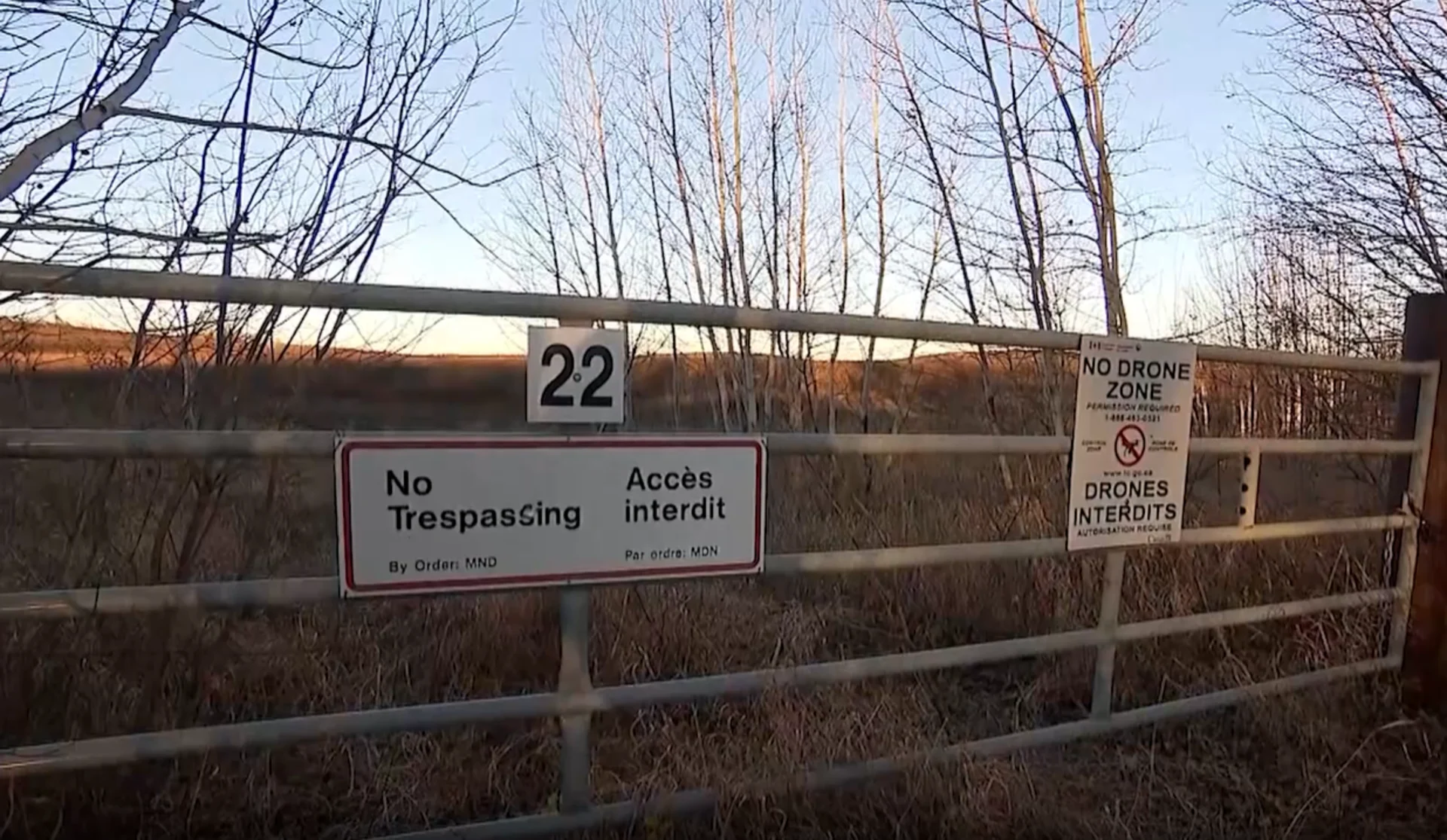
Canadian officials say high winds intensified tragic fire at CFB Wainwright

Canadian Armed Forces (CAF) officials have confirmed that strong winds played a significant factor in the disaster that occurred at CFB Wainwright in Alberta on Oct. 17.
A fatal grass fire started at the military base Saturday afternoon during a live training exercise.
It has now been confirmed to have taken the lives of four Canadian soldiers. 39 more are in hospitals across Alberta, with 19 in critical condition.
A CAF spokesperson said the fire was burning for several hours in a training area, but a sudden change in wind intensity and direction spread it towards training soldiers with deadly speed.
“Uncommonly strong winds caused the fire to spread rapidly and shift direction towards the range administrative area,” Maj.-Gen. Wade Rutland said Sunday. “The fire was a kilometre away when the wind shifted. It is not normal for a fire to move a kilometre in 30 to 60 seconds.”
Rutland is the commander of the 1st Canadian Division and the “higher headquarters” of the unit training at CFB Wainwright.
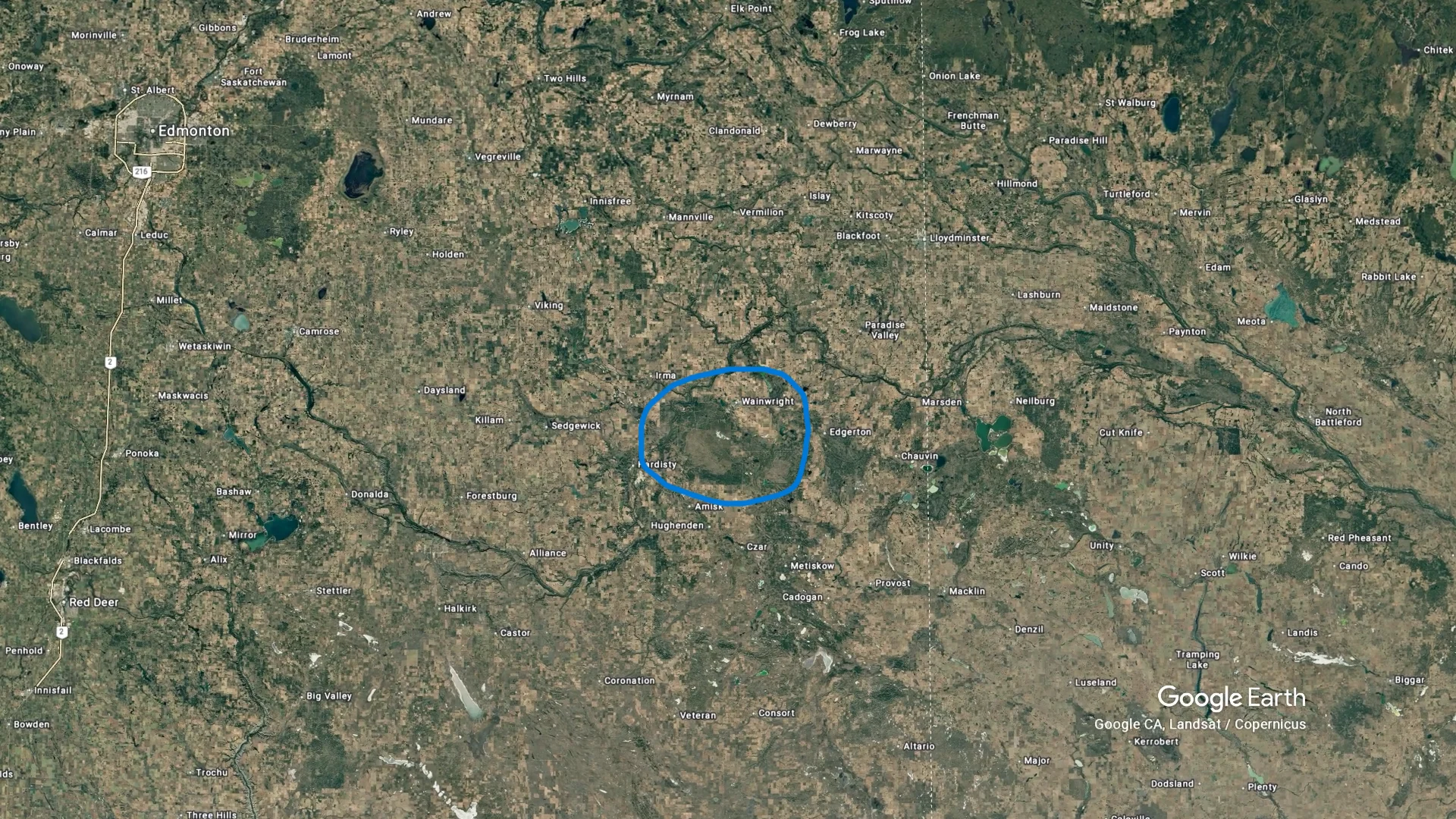
CFB Wainwright is about 200 km southeast of Edmonton. (Google Earth)
Speaking at a press conference at CFB Wainwright Sunday, Rutland said a “high intensity, live munitions” training exercise was being conducted at the base Saturday afternoon.
He explained a grass fire had been burning for several hours within a training area but was not initially considered a threat. An official cause for the fire is still unknown, but Rutland said it may have been caused by “any or none” of the “grenade launchers, grenades, small arms ammunition” being used in the exercise.
Rutland said that at around 4 p.m. MT wind gusts picked up and shifted, and swiftly pushed the fire towards an area in which around 84 soldiers from “Charlie Company” of the 3rd Battalion of the Princess Patricia’s Canadian Light Infantry were training.
“The weather for the majority of the day was well within standard procedures,” said Rutland. “This was uncommon, rapid, and I certainly hadn’t seen anything like it. We train in all types of conditions, so soldiers on the ground, the leaders and the base will collaborate on whether training needs to cease.”
An investigation has been launched by the Canadian Armed Forces National Investigation Service, the 1st Military Police Regiment Incident Response Team and the Royal Canadian Mounted Police.
Rutland said he expects the investigation to take at least a month.
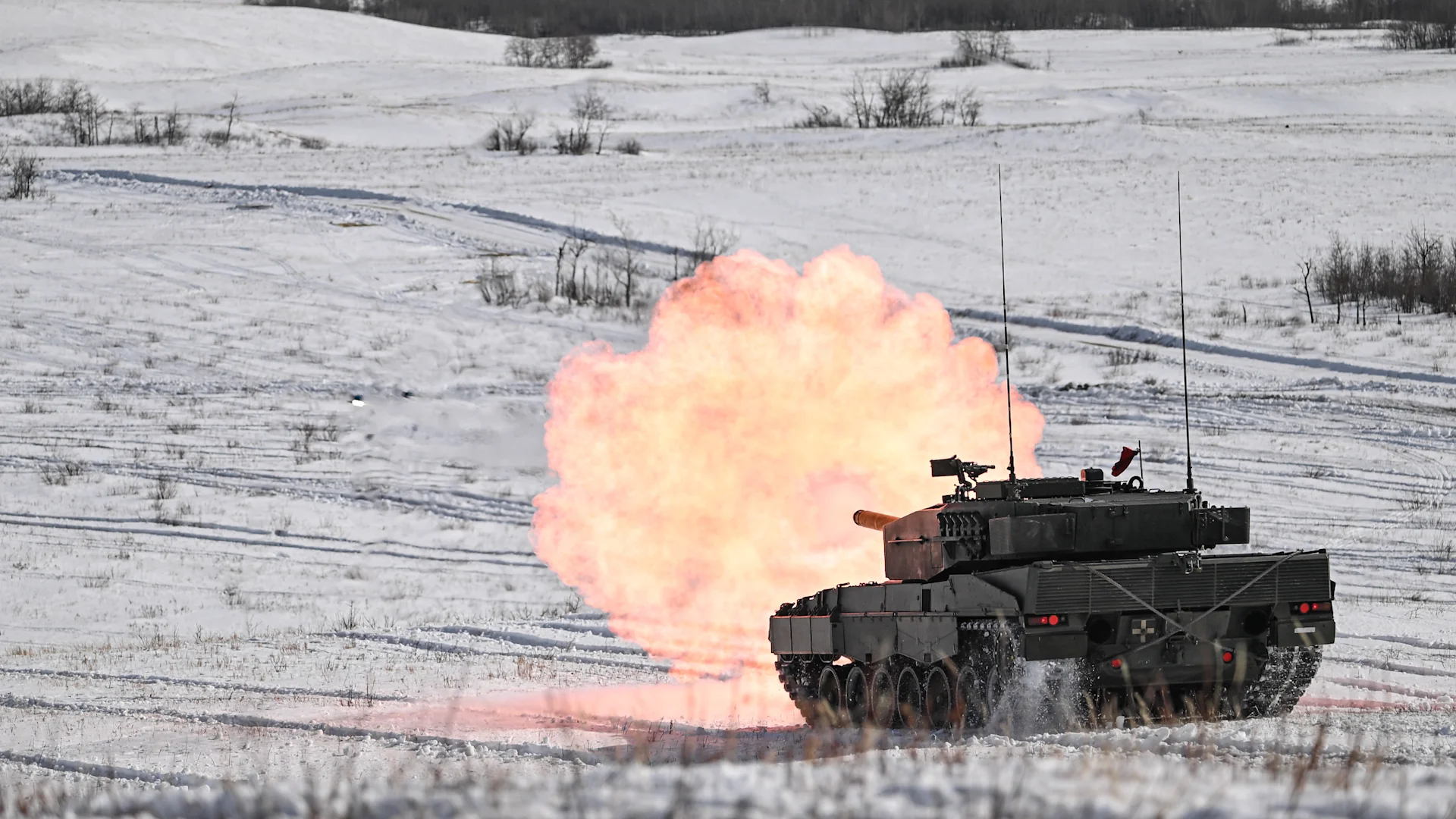
This file photo shows a live training exercise on March 3, 2023. (Canadian Armed Forces)
Environment and Climate Change Canada issued several wind-related warnings for the Wainwright region Saturday.
A yellow-level warning was issued for communities in Alberta, including Wainwright, at roughly 2:15 p.m MT, warning of gusts up to 90 km/h, difficult driving conditions and damage to roofs, fences, branches and soft shelters.
Just before 4 p.m. MT, a gust of 53 knots, or roughly 98 km/h, was recorded from the WNW at Lloydminster airport, about 77 km east of Wainwright.
Despite rumours swirling on social media, Rutland said Sunday that preliminary investigations have found no evidence that oil and gas infrastructure was impacted by or contributed to the fire.
“You may have heard reports of explosions. Certainly we do not believe this to be a result of any oil and gas infrastructure or outside interference,” Rutland said.
The fallen soldiers have been named as Sargeant Morgan Wong, Private Shaun Farrell, Private Aidan Goulding and Private Hayden Lykkemark, who were all based in Edmonton serving with Princess Patricia’s Canadian Light Infantry.
Canadian Prime Minister Mark Carney also commented on the tragedy Sunday, calling Canada a “nation in mourning” and directing flags to be flown at half-mast at federal buildings across the country.