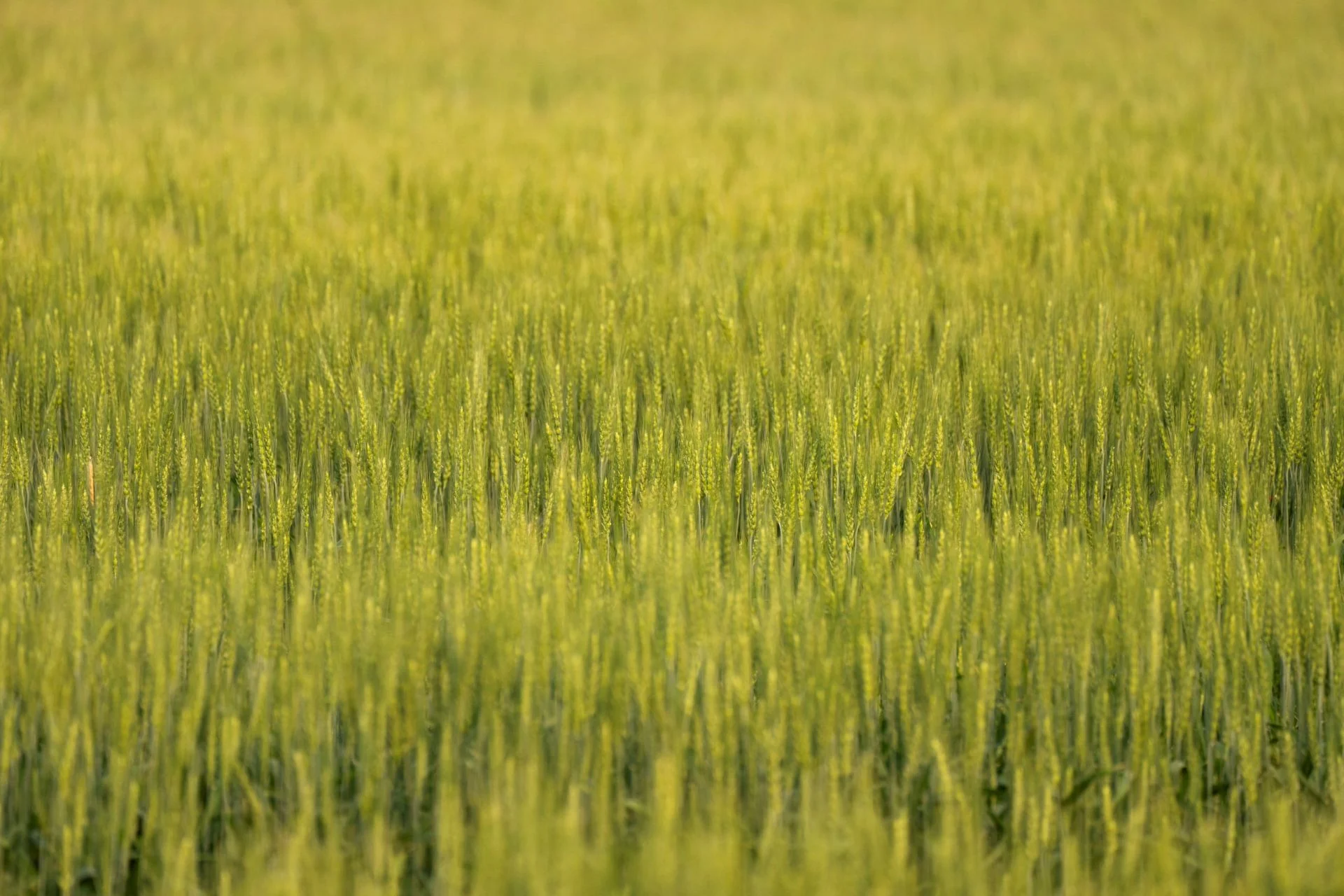
Canadian farmers struggle with rain-delayed harvest; quality hurt
By Ed White
WINNIPEG, Manitoba, Sept 15 (Reuters) - Farmers are struggling to harvest Canada's crops as regular rains come at the wrong time for the world's biggest exporter of canola and major wheat producer.
Worries are growing that what could have been a best-ever crop for many Western Canadian farmers is getting knocked down in quality, potentially lowering farmers' income prospects and leaving the world's markets with less top-quality crop.
"It was all number one (in quality), but the odds are pretty darned good that we'll be lucky to get a two," said farmer Rob Stone of Davidson, Saskatchewan, who has struggled with saturated fields and wet cereal crops since the end of August.
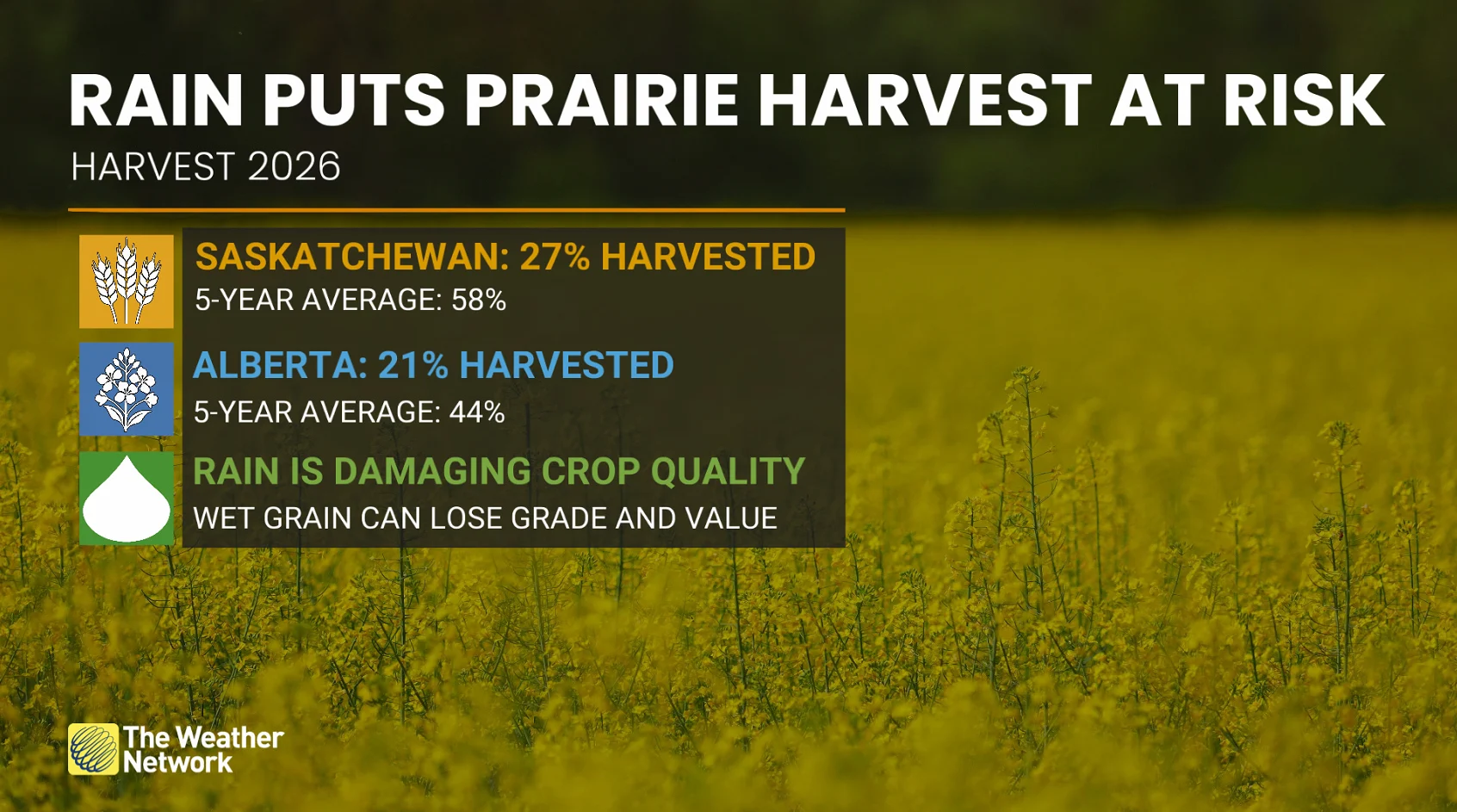
Stone estimated a downgrade from grade one to two or three will cut his crop's price by 30 cents to a dollar per bushel, which could easily add up to a loss of more than C$100,000 ($71,906.23) on his farm.
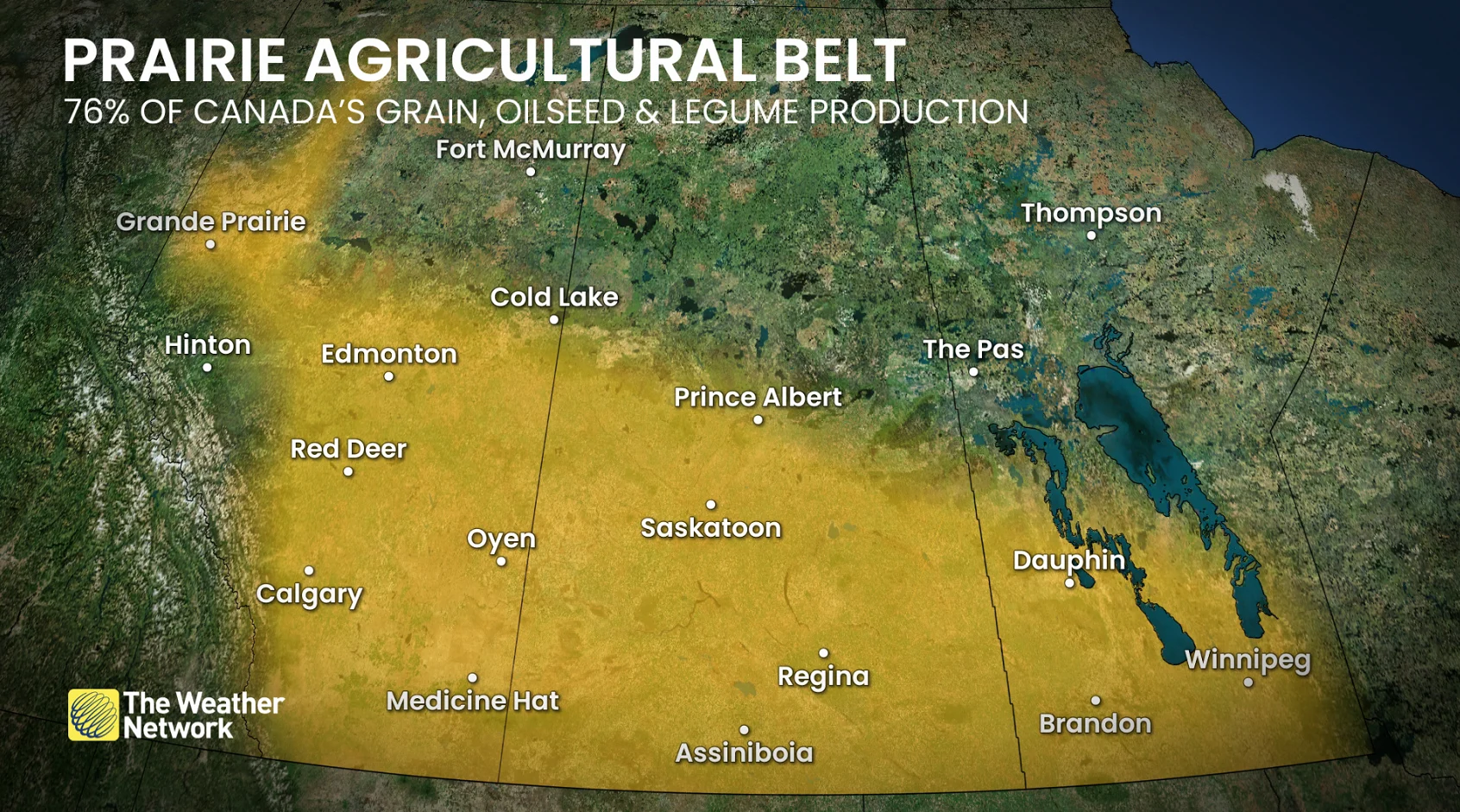
Usually by the second week of September his wheat harvest would have been concluded and he would be advanced on his canola. This year he had done less than a quarter of his 4,300 acres (1,740 hectares) of wheat and 3,000 of canola by Friday. That is a common plight from Alberta to Manitoba, which is where most of Canada's spring wheat, canola, durum and pulse crops are grown.
Statistics Canada is scheduled to issue its first crop production estimates on Wednesday, but analysts note that damage from the rains occurred after the agency's analysis was conducted.
In the central prairie province of Saskatchewan, agriculture department authorities reported that by September 7, only 27% of the crop had been harvested, compared with a five-year average of 58%. In Alberta, by September 8, the harvest was about 21% finished, compared with a five-year average of 43.5%.
There is still plenty of time for Canadian farmers to bring in the crop, with snow and frozen soils not usually expected until late November. However, every day left in the damp field threatens the quality of wheat and durum crops, which is critical for millers and other processors who depend on a healthy Canadian supply and on which farmers' prices are based.
Cereal grains can see both their color and some of their weight washed away by rain-soaking, some kernels can sprout and mold and fungus can spread inside, hidden from view.
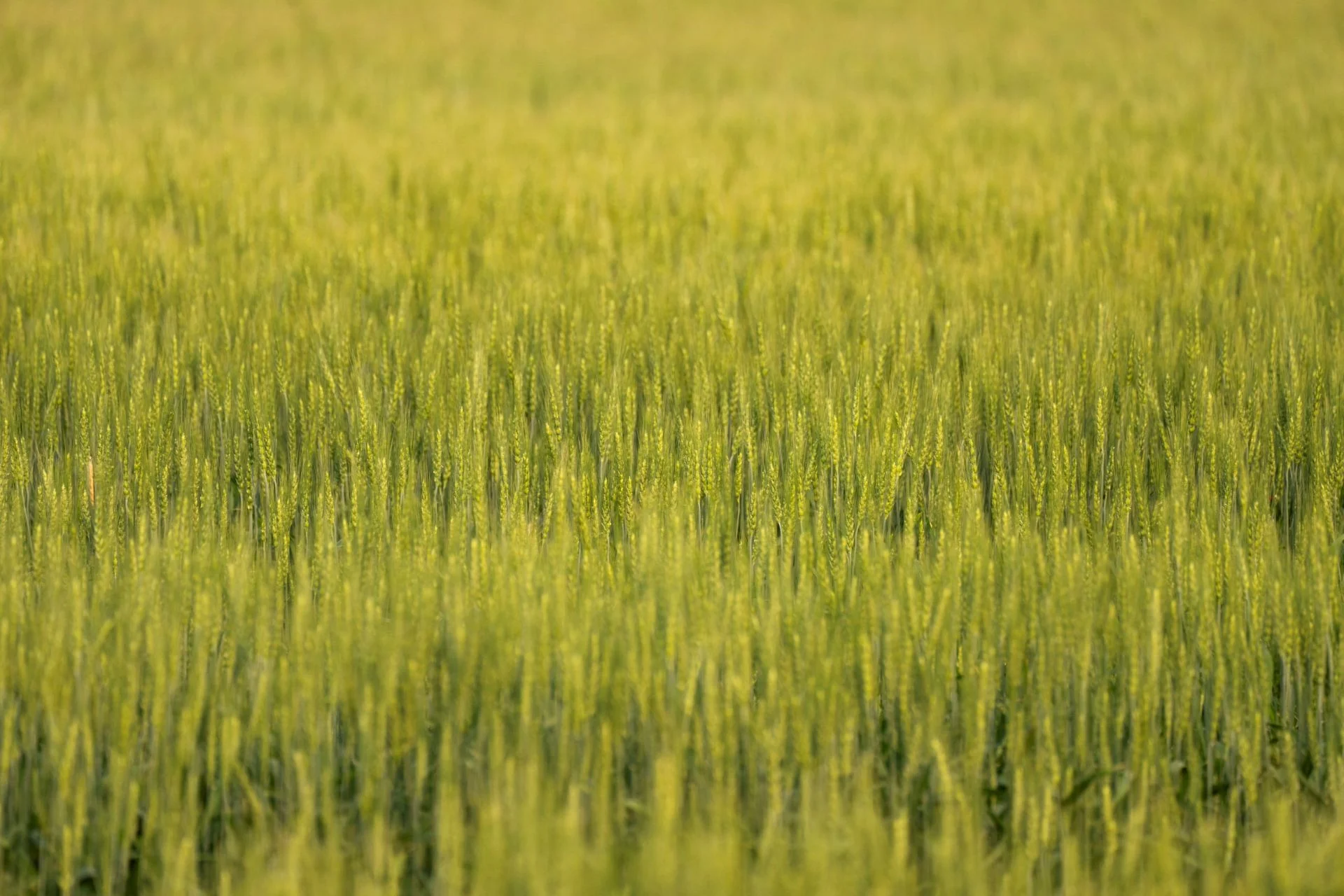
A wheat crop in a farmer’s field near Beiseker, Alberta, Canada, July 31, 2026. REUTERS/Todd Korol
"It's not something you can always see with the naked eye," said University of Saskatchewan wheat breeder Adam Carter.
Farmers were already worried that a warm and humid July was going to see crops infected with various diseases, now that earlier damage might be paired with late infections. Crops across Canada looked generally healthy and large heading into the harvest, so the challenge now is to just bring in what's still there.
"You accept bad weather when you're a farmer, but it sucks to see it on so many acres," Stone said.
Thumbnail courtesy of REUTERS/Todd Korol.
($1 = 1.3907 Canadian dollars)
(Reporting by Ed White; Editing by Thomas Derpinghaus)