Beware: August is prime-time for hurricanes, even with El Niño

A slow start to the hurricane season doesn’t mean coastal communities are out of the woods. In fact, history shows that notion is far from reality
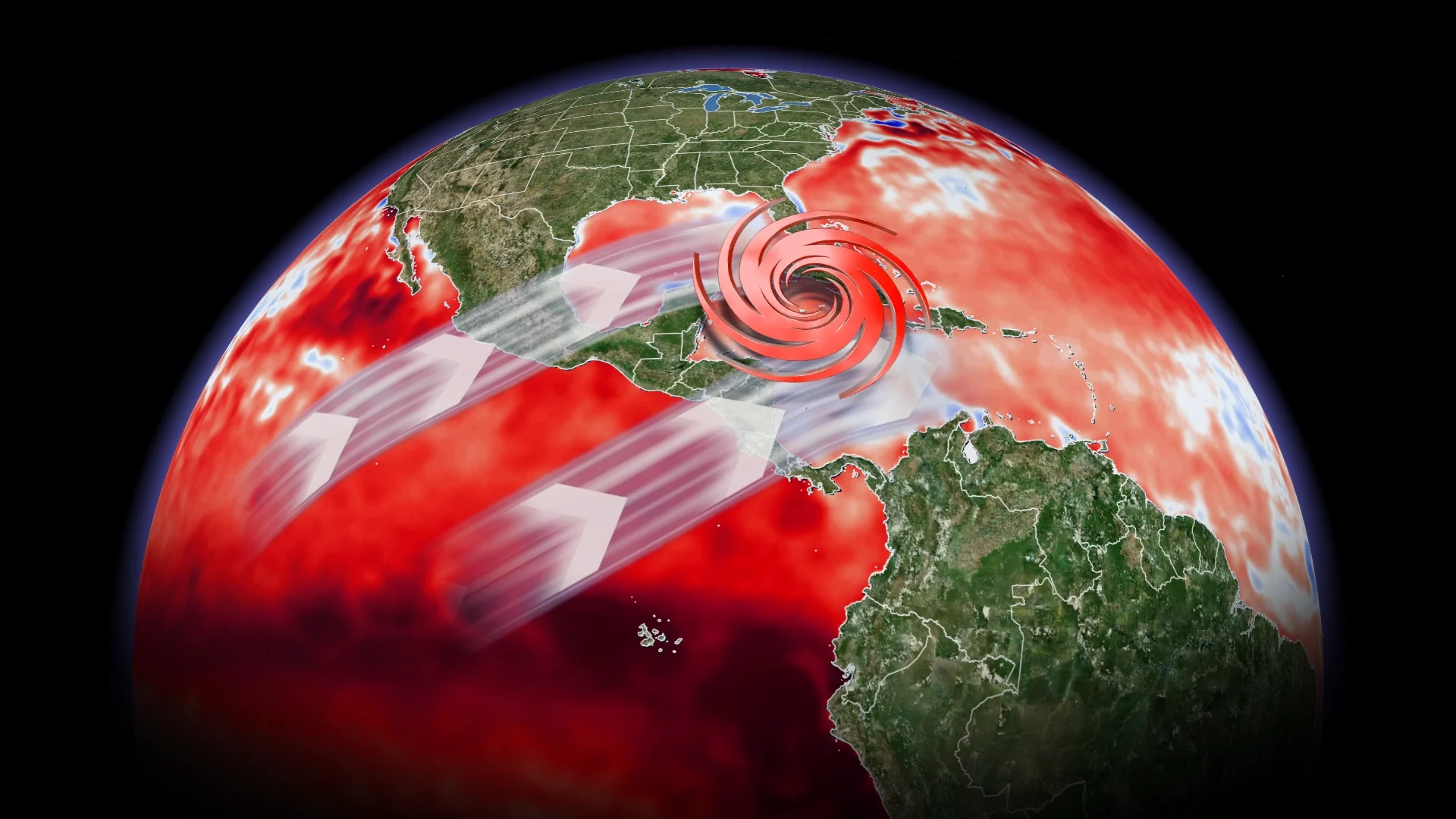
Hurricane season is largely dormant across the Atlantic Ocean so far this summer as El Niño continues to intensify.
The lack of tropical activity in the Atlantic is a hallmark of a season dominated by abnormally warm waters in the neighbouring Pacific Ocean. But don’t let your guard down yet.
Hurricane season’s peak is still a month and a half away, and years with strong El Niños have a history of producing powerful and historic Atlantic hurricanes.
DON’T MISS: Rapid El Niño may force the slowest hurricane season in years
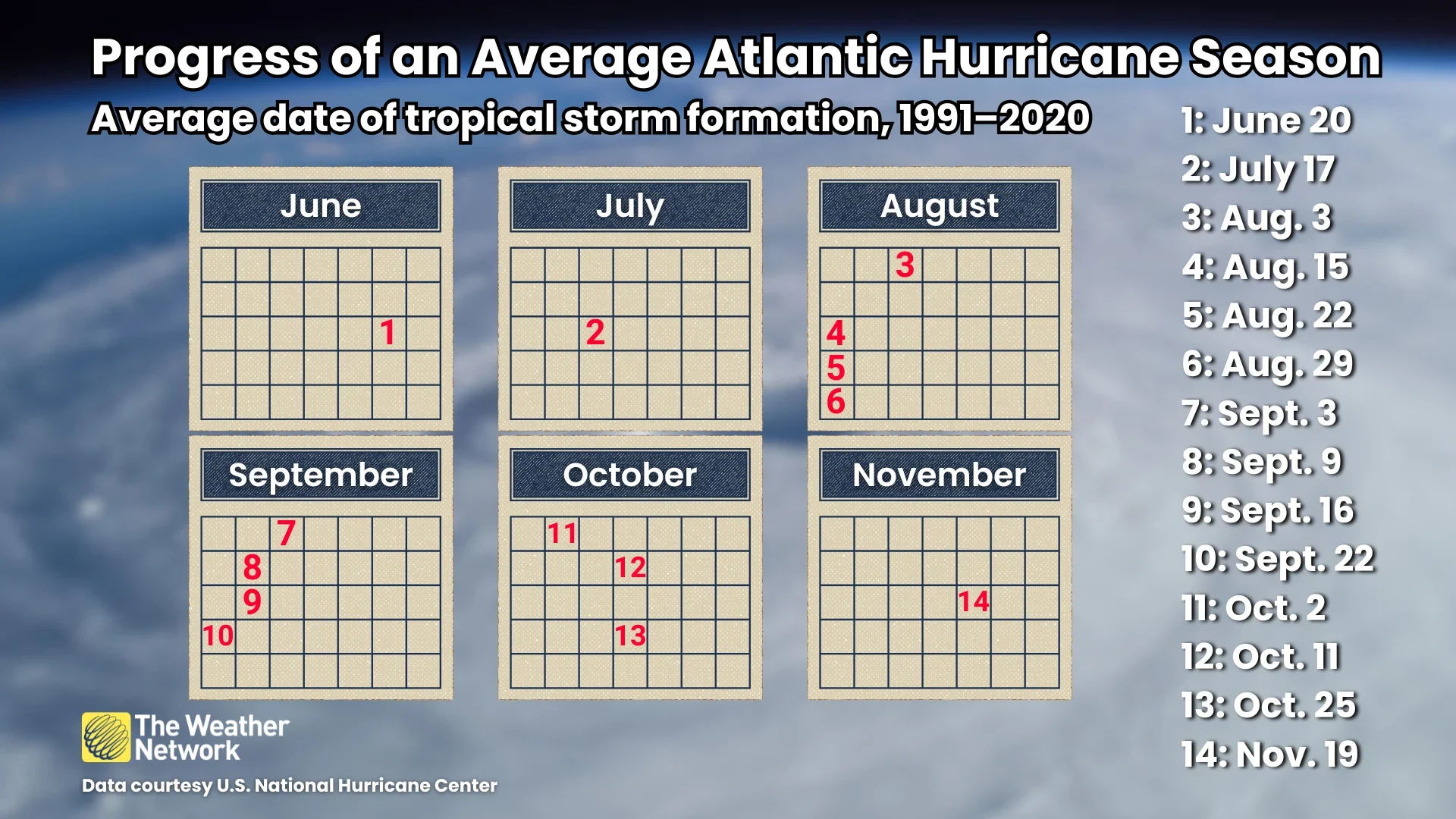
A typical August sees Atlantic storm activity ramp up quickly
During a normal hurricane season, atmospheric conditions and sea surface temperatures grow very favourable for tropical development across the Atlantic once we reach the month of August.
Disturbances rolling off the western shores of Africa often seed the development of new systems in the Main Development Region (MDR), a stretch of the tropical Atlantic between Africa and the Lesser Antilles where storms often take root and grow.
Occasionally, these long-track storms can rapidly intensify once they reach the steamy waters of the Caribbean Sea and the Gulf of Mexico.
El Niño a major driver behind this year’s quiet season
The warm waters of our growing Pacific El Niño event are helping to subdue the tropics across the Atlantic basin.
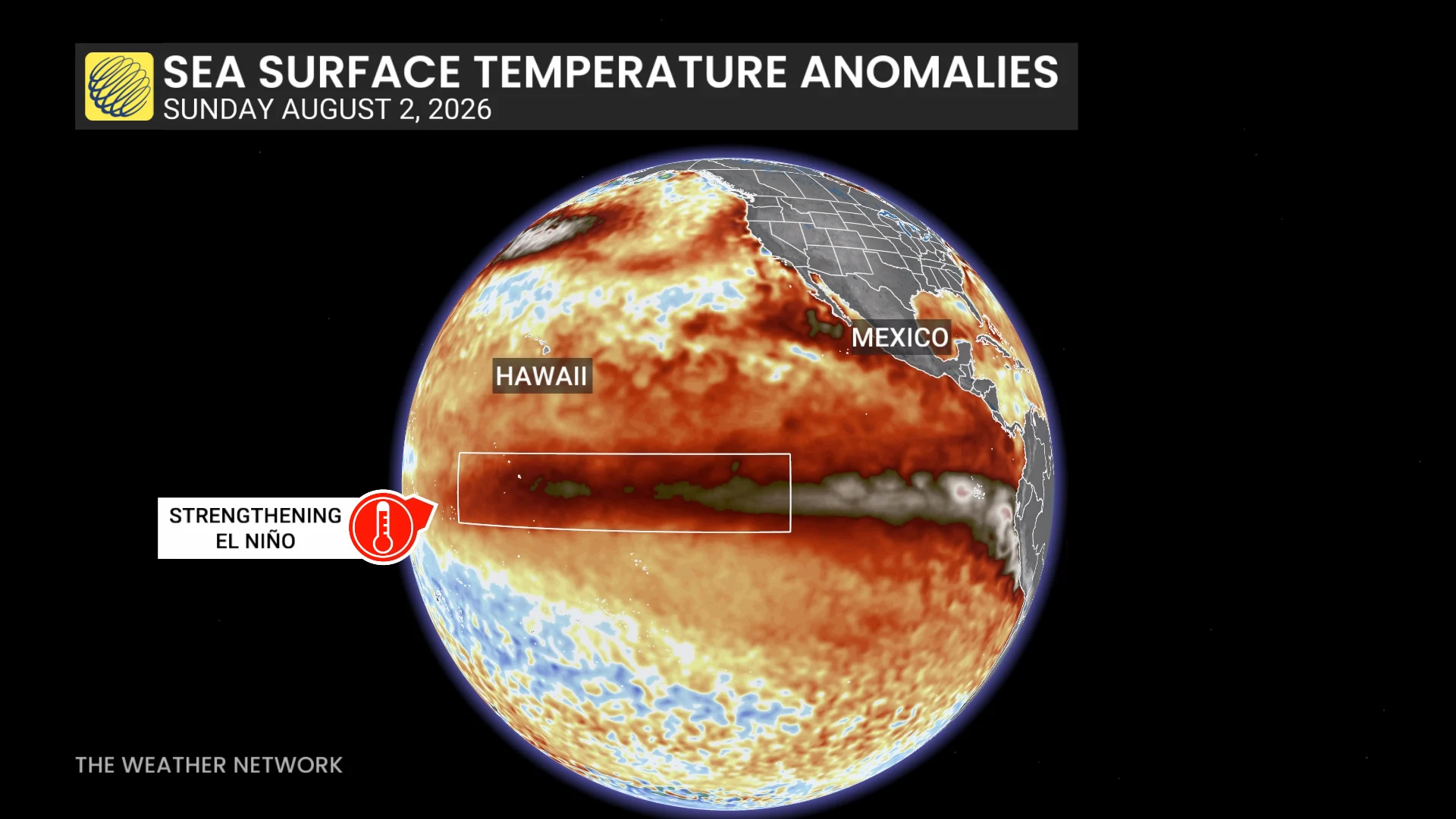
El Niño increases the amount of wind shear blowing east across the Gulf of Mexico and Caribbean Sea, which disrupts tropical systems before they have a chance to organize.
As a result of that influence and other factors such as increased dust from the Sahara Desert, we’ve only seen two relatively weak named storms in the Atlantic through the beginning of August. Little to no additional activity is expected in the near term.
A quiet season can still prove destructive
Despite the slow start, we can’t let our guards down yet.
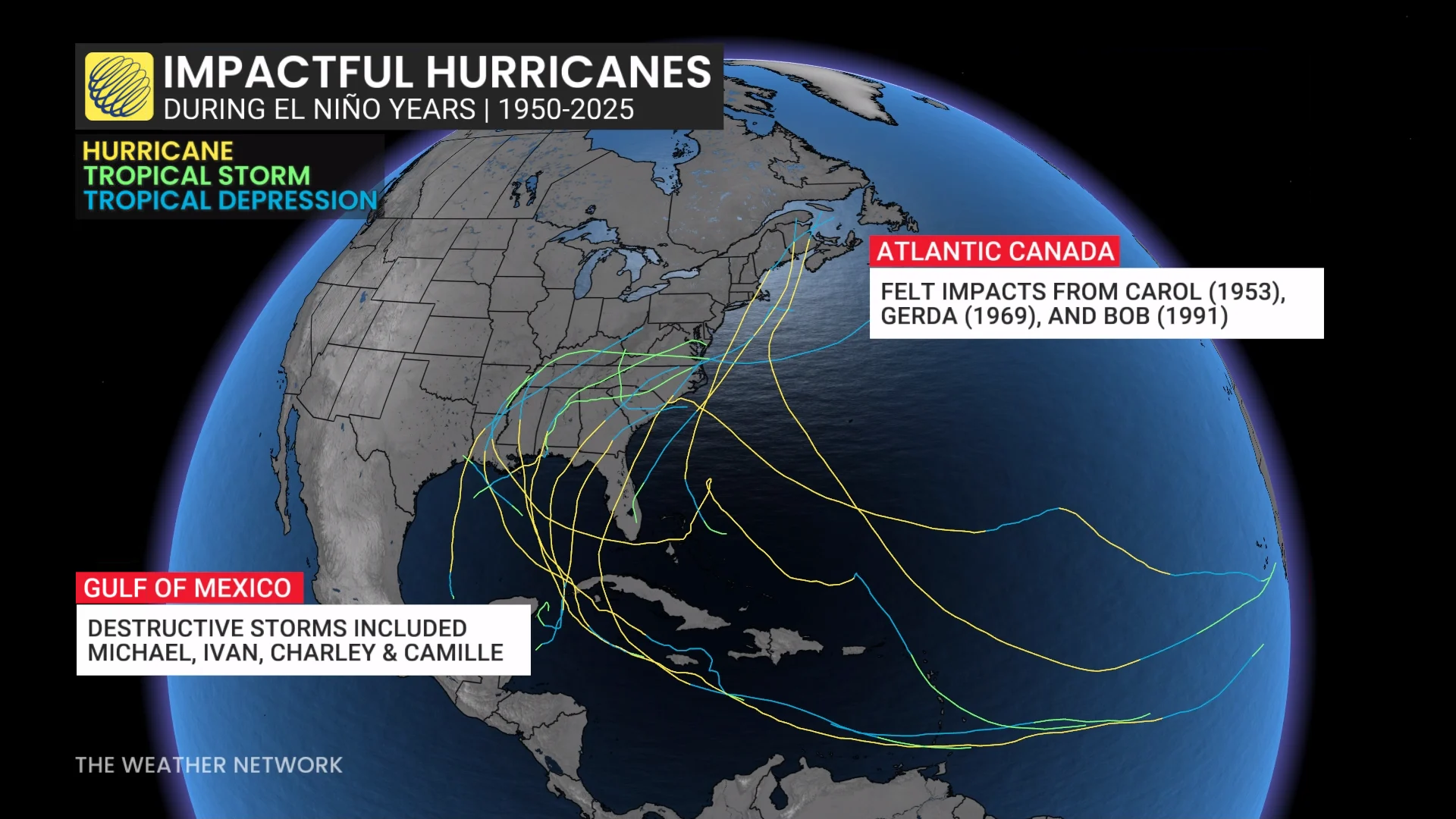
Some of history’s most destructive hurricanes occurred during quiet seasons, including years dominated by strong El Niño conditions.
RELATED: How do Atlantic hurricanes get their names?
Hurricane Camille (1969) and Hurricane Michael (2018) were both catastrophic Category 5 storms when they roared into the northern Gulf Coast. Each storm formed during a season dominated by El Niño’s influence.
An extremely quiet season, the first named system in 1992 didn’t form until late August. That storm was Hurricane Andrew, which devastated parts of southern Florida with maximum winds of 265 km/h.
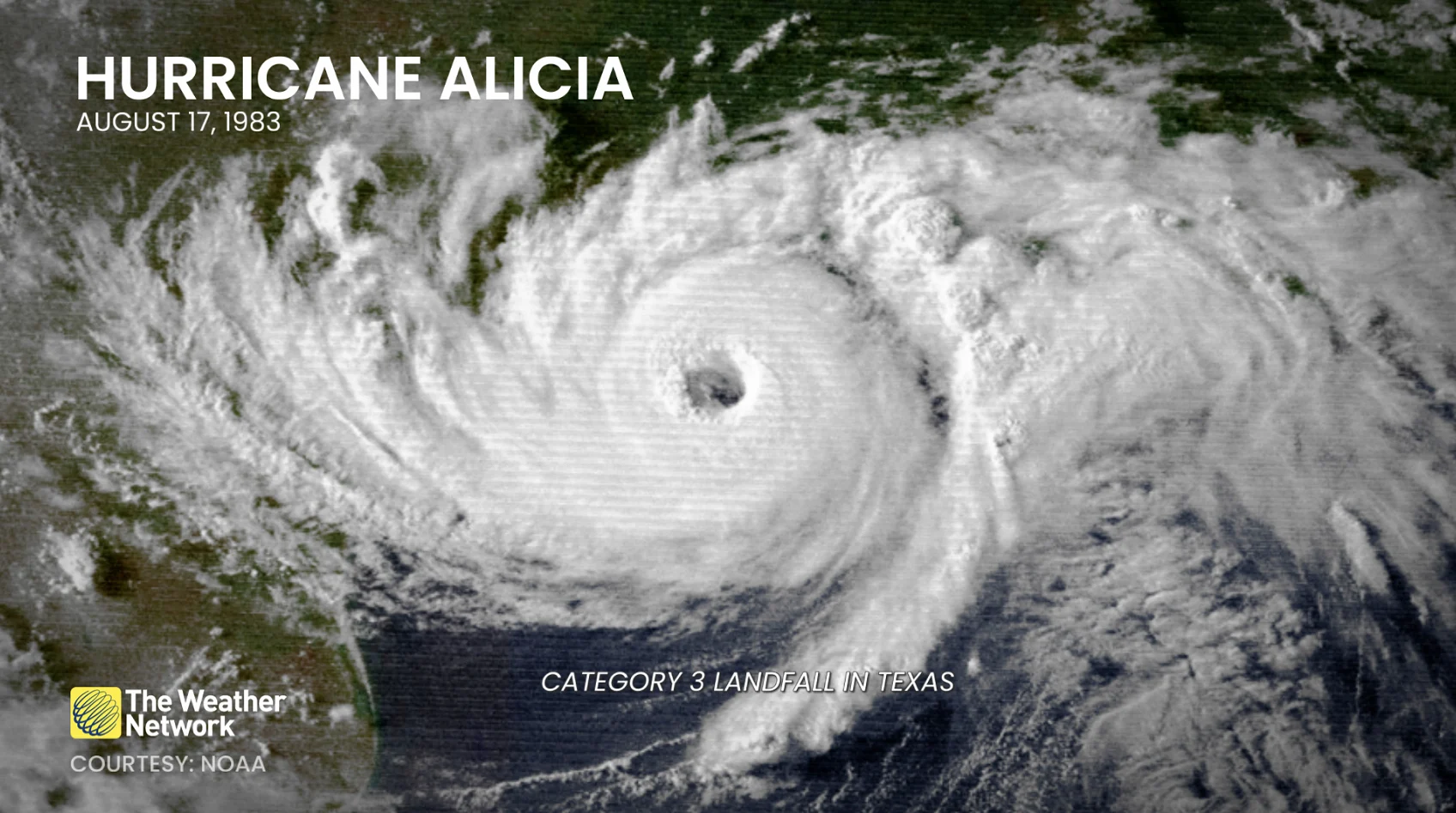
The quietest Atlantic hurricane season in the satellite era was 1983, which featured just four named storms. One of those storms was Hurricane Alicia, which caused billions of dollars in damage when it slammed into the Houston/Galveston area with Category 3 winds.