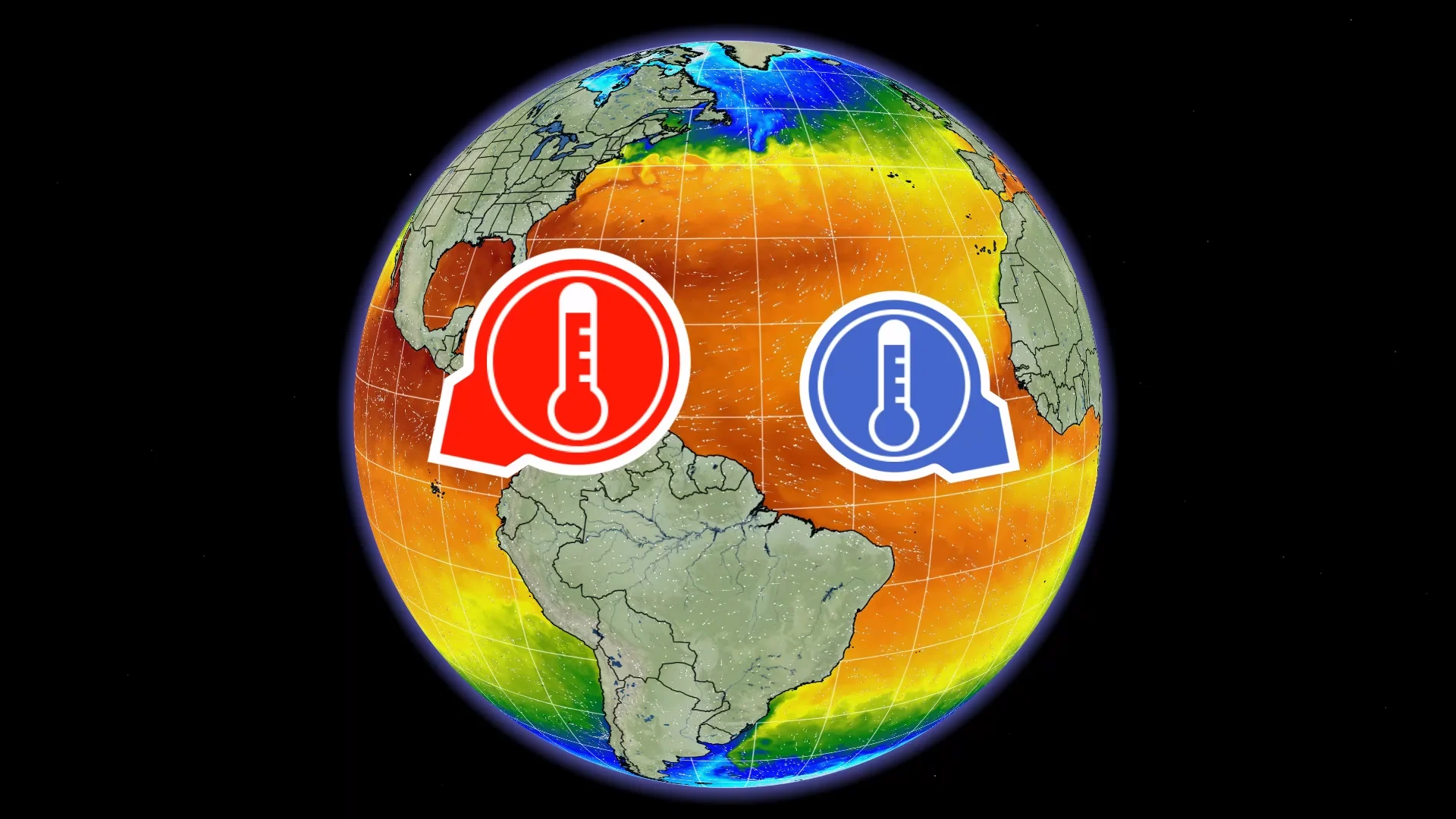
As El Niño strengthens, is an ‘Atlantic Niña’ developing?

Sea surface temperatures are heading in opposite directions between the Pacific and Atlantic basins
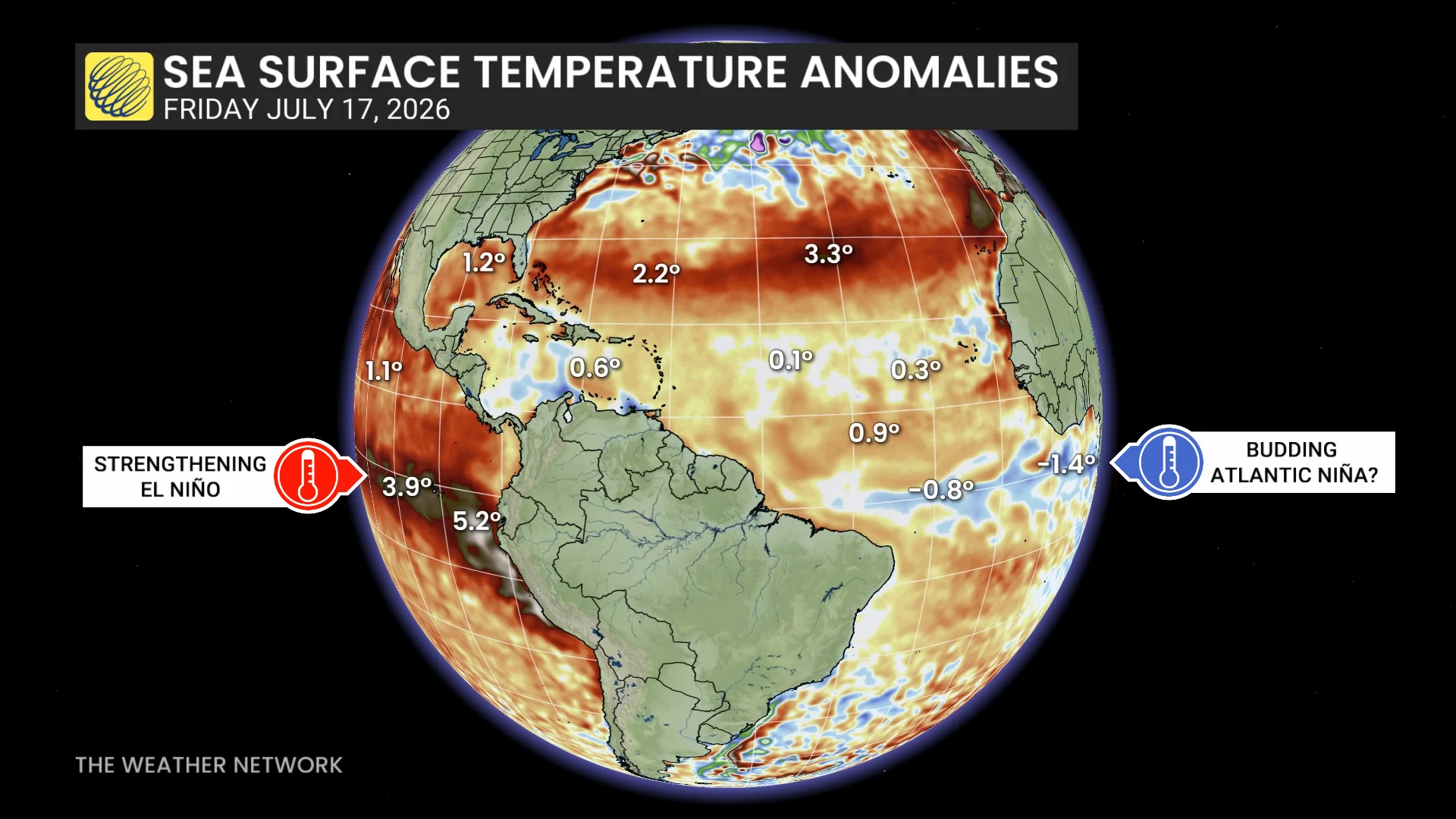
All eyes are on the Pacific where a rapidly strengthening El Niño is building across the region. But strange things are happening in the Atlantic basin, as well.
Water temperatures between South America and Africa are running about 1.0°C below seasonal for the middle of July. Could this be the start of an Atlantic Niña?
DON'T MISS: The Super El Niño that contributed to tens of millions of deaths
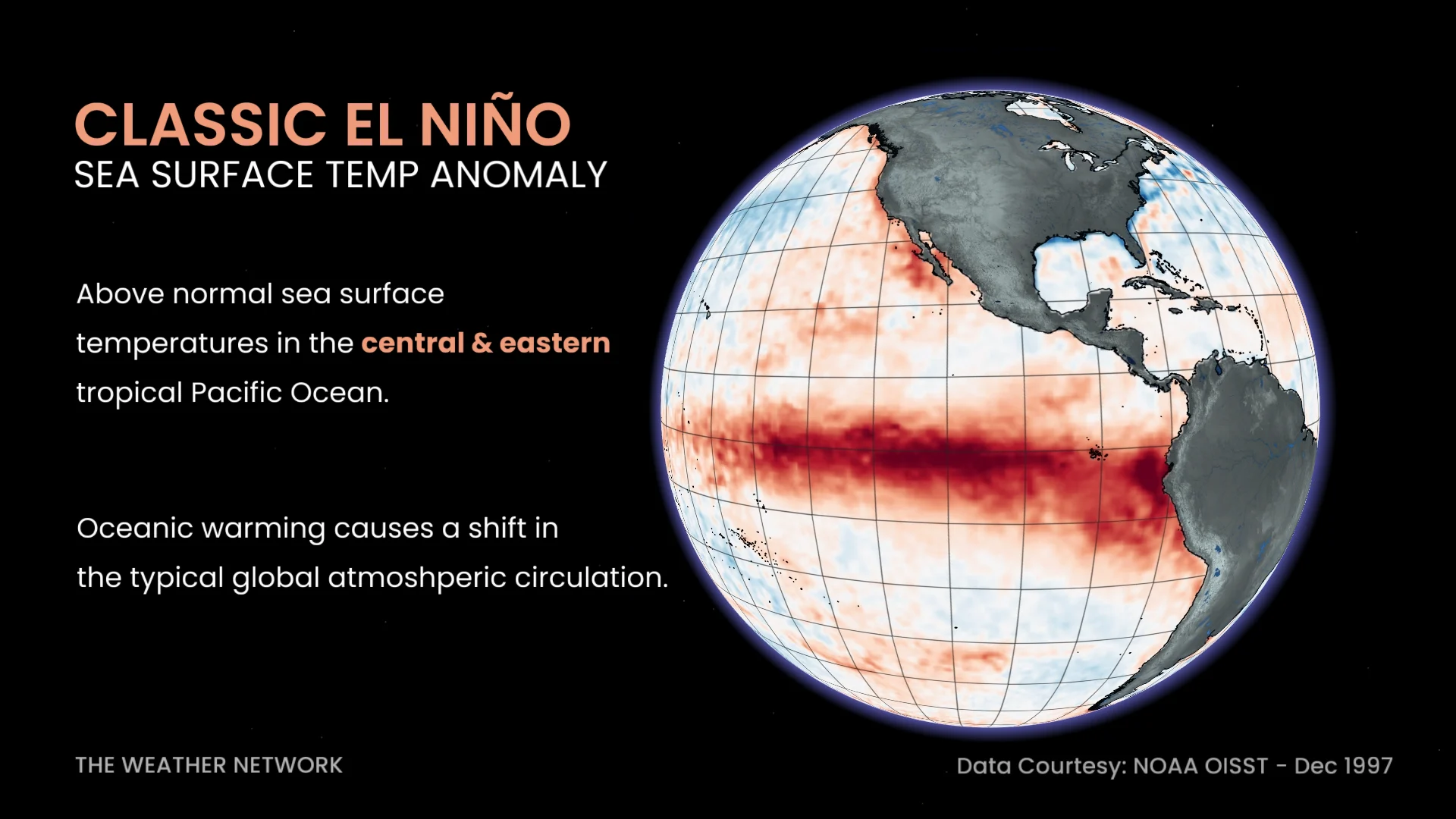
Our atmosphere is closely linked with our oceans. Wind shifts can influence water temperatures, and water temperatures can drive global weather patterns.
The most famous of these relationships is ENSO, which results in El Niño and La Niña events in the eastern Pacific Ocean.
El Niño lives in the headlines these days as the pattern rapidly strengthens in the eastern Pacific Ocean. Sea surface temperature anomalies in a key region of this basin have already exceeded 2.0°C, which is the threshold for a very strong event often dubbed a “Super El Niño.”
RELATED: Experts are changing how we measure El Niño and La Niña
But the Pacific doesn’t hold a monopoly on a connection between ocean and atmosphere.
Atlantic water temperatures around the equator between South America and Africa go through seasonal cycles, warming through the winter and cooling during the summer.
“This summer cooling is because of winds that act on the ocean surface,” explained experts with NOAA's Climate.gov back in August 2024. The team added: “This process, known as equatorial upwelling, forms a tongue of relatively cold water along the equatorial Atlantic during the summer months.”
We’ve seen these sea surface temperatures grow cooler than usual in recent weeks, with anomalies as much as 1.0°C below seasonal developing in that swath of the equatorial Atlantic. If the cooler-than-normal waters stick around, the event could qualify as an Atlantic Niña--think of it like the cousin of El Niño and La Niña over in the neighbouring Pacific.
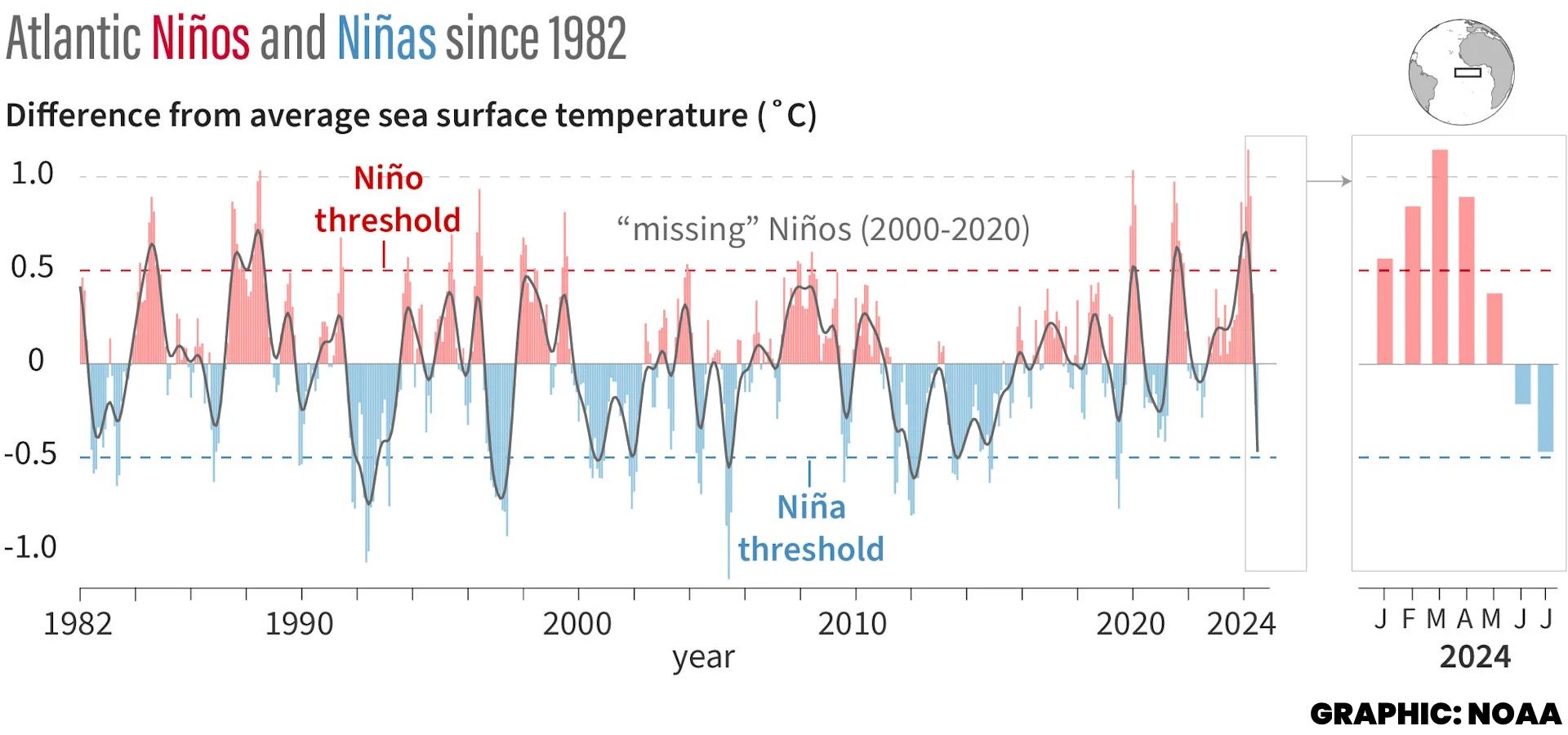
Atlantic Niñas and Niños happen with some regularity. Data from NOAA shows that there were at least five Atlantic Niño and five Atlantic Niña events between 1982 and 2024.
These events don’t have quite the same forceful impact as their Pacific counterparts, but they can affect rainfall patterns in Africa and suppress storm development for portions of the tropical Atlantic Ocean.
Such a difference would fall in line with the latest outlook from Colorado State University calling for the quietest hurricane season in more than a decade amid the Pacific's growing El Niño.