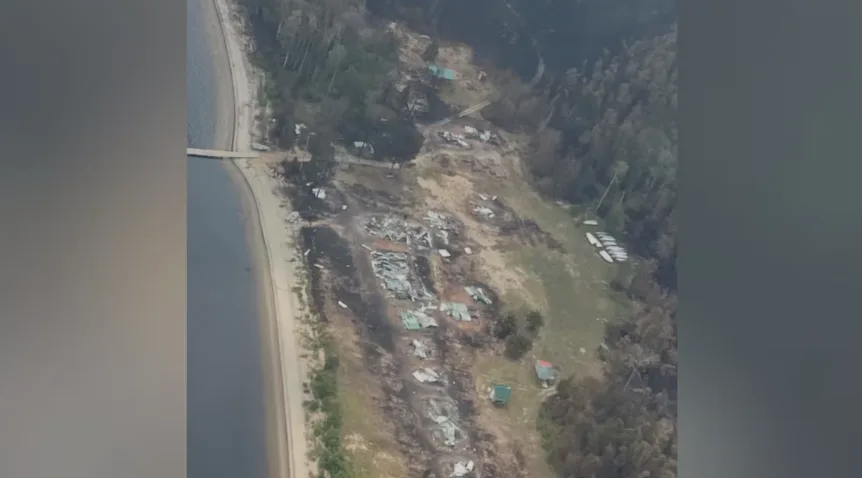
2nd First Nation community in Ontario ravaged by wildfire in less than a week

Less than a week after Namaygoosisagagun First Nation, north of Thunder Bay, Ont., burned down, another First Nation community in the region has also been ravaged by wildfire.
Whitewater Lake First Nation is about 70 kilometres north of Armstrong and 250 kilometres north of Thunder Bay. The Anishinaabe community is considered a non-status First Nation, but it belongs to the Windigo First Nations Council.
The community largely consists of seasonal camps and is only accessible six months a year by floatplane. There are no full-time residents living there.
DON'T MISS: The Weather Network's wildfire hub
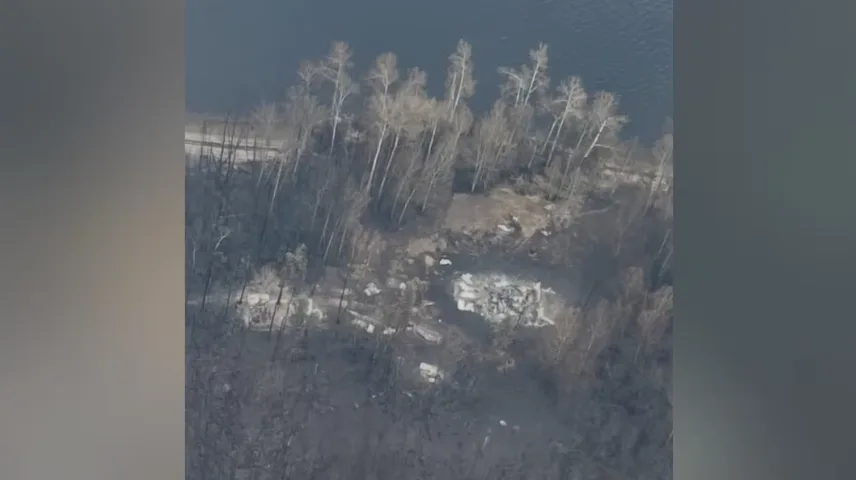
Chief Pauline Drake said much of the community's homes, personal belongings and vital infrastructure have been lost, as nearly 200 wildfires continue to rage across the province.
"It was full of beaches, sand beaches, good fishing, good hunting — the wildlife was beautiful. We had eagles that were always there," Drake told CBC News on Sunday. "I don't know how the wildlife is now. That's very concerning because they were part of our upbringing there."
SEE ALSO: 'It's moving quickly': Update on northern Ontario wildfires, evacuations
Chief Pauline Drake of Whitewater Lake First Nation in northwestern Ontario says the community has a rich history for local families and visitors alike. (Submitted by Whitewater Lake First Nation)
Drake said the damage occurred on Wednesday but that she didn’t see photos of it until Saturday.
"It's hitting everybody right now — it's real," she said.
"These wildfires have not only impacted our First Nation communities but also the tourist outfitters, all the camp owners, the private ones, all our friends and allies all across Ontario and Canada."
RELATED: From flames to forecasts: How wildfire smoke affects your weather
Alvin Fiddler is grand chief of Nishnawbe Aski Nation (NAN), a political-territorial organization that represents 49 First Nations across Treaty 9 and Treaty 5 territory.
He said he's heartbroken to hear about Whitewater Lake’s loss.
"We will do everything we can to support them in rebuilding their community," Fiddler said.
WATCH: "We were driving through flames to get out": Wildfires ravage NW Ontario
Drake said the situation has made her feel helpless at times, but she's grateful to all the firefighters who are working tirelessly to protect the region.
"Forest fires — it's Mother Nature's way, right? You cannot stop it. It doesn't discriminate against anybody," she said.
With more than 1,800 wildfire evacuees across the province, Fiddler is advocating for a more co-ordinated approach from the provincial and federal governments to manage evacuations and support those who have been displaced.
SEE ALSO: CN workers in viral video of wildfire train cab got out safely, railway says
During a visit to Thunder Bay on Saturday, Ontario Premier Doug Ford said his government will "do and spend whatever it takes to protect people from these devastating wildfires."
In Ottawa, Prime Minister Mark Carney said that "this is one of the most intense wildfire seasons in Canadian history due to extreme heat waves and record-breaking dry conditions."
"Canada is mobilizing more than 5,000 firefighters and nearly 300 waterbombers, helicopters, and evacuation aircraft to contain, control, and mitigate the fires,” Carney said in a Facebook post on Sunday. "It's an enormous, complex effort that ultimately depends on dedicated and brave individuals who work relentlessly to keep Canadians safe."
This article, written by Sarah Law, was originally published for CBC News.