Your fall vehicle checklist before winter hits

5 things to do now so you’re ready to go, not waiting for a tow
Winter is coming, and now is the time to get your vehicle ready.
1. Check your tires
If you're counting on all-season tires to carry you through the entire year, it may be time to rethink that.
“It's a bit of a misconception, mainly because of the name. All-season tires really only work for three seasons of the year. Once it gets below 7°C, they have less grip on the pavement,” explained D'Andre Urquhart, Service Advisor at OK Tire.
The difference comes down to the rubber and tread design. All-season tires have fewer and shallower sipes, which means less traction and reduced braking performance in snowy conditions.
Once temperatures are consistently around 7°C or lower, it's time to switch to dedicated winter tires.

D'Andre Urquhart assists customer at OK Tire. (The Weather Network)
RELATED: Cold weather and tires: Three things to check for before it's too late
2. Don't forget tire pressure
Cold weather affects more than just your traction. It can also lower your tire pressure.
For every 5 to 6°C drop in temperature, your tires can lose pressure, which can impact handling, fuel efficiency, and tire wear.
A good habit is checking your tire pressure every two weeks during the winter and always before heading out on a long road trip.
WATCH BELOW: This is a reminder to check your tires as temperatures drop, here's how
RELATED: When should you switch to winter tires? Provincial breakdown, here
3. Test your battery before winter
Nobody wants to discover a dead battery on the coldest morning of the year.
While many people blame winter for battery problems, it's actually summer heat that often causes the damage. High temperatures can weaken your battery over time, making it more likely to struggle once cold weather arrives.
“Mainly what you're looking for is 14 volts on the battery. If it's below 12, you may have trouble starting the car.”
Fall is the ideal time to have your battery tested and replace it if needed.
While you're at it, take a look underneath your vehicle, too. Rustproofing around wheel wells and the undercarriage can help protect against the salt and grime that builds up during winter driving.
4. Check your fluids and wipers
Start with your coolant, which helps regulate engine temperature and keeps your vehicle running properly in freezing conditions.
It's also a good time to inspect your brake and steering fluids, top up your winter washer fluid, and take a close look at your wiper blades.
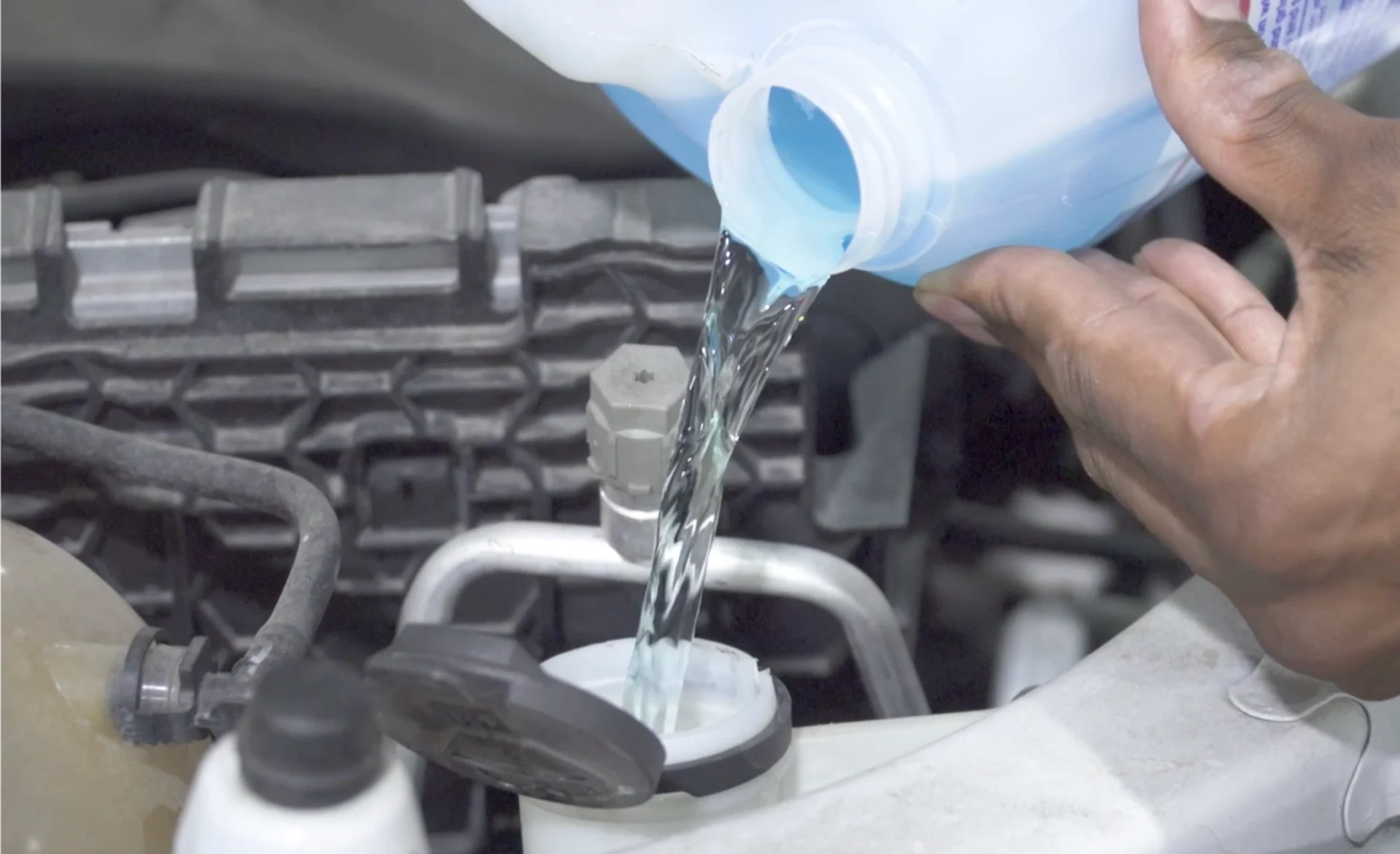
Ensure your windshield washer fluid is topped off as the temperatures begin to dip. (The Weather Network)
DON'T MISS: How to make your own windshield washer fluid
“Most of the time, you're going to hear it. You'll hear a squeak or a scratch.”
If your wipers are making noise or leaving streaks behind, it's likely time for a new set.
5. Pack an emergency kit
An emergency kit is one of the easiest ways to prepare for unexpected winter weather.
“An emergency kit is something every Canadian should have. Start with a warm blanket or extra clothing, and a scraper to get ice off the windshield,” explained Urquhart.
Other essentials include:
Flashlight with fresh batteries
Jumper cables
First-aid kit
Water and snacks
Salt or kitty litter for extra traction
Warning markers to make your vehicle visible if you get stuck
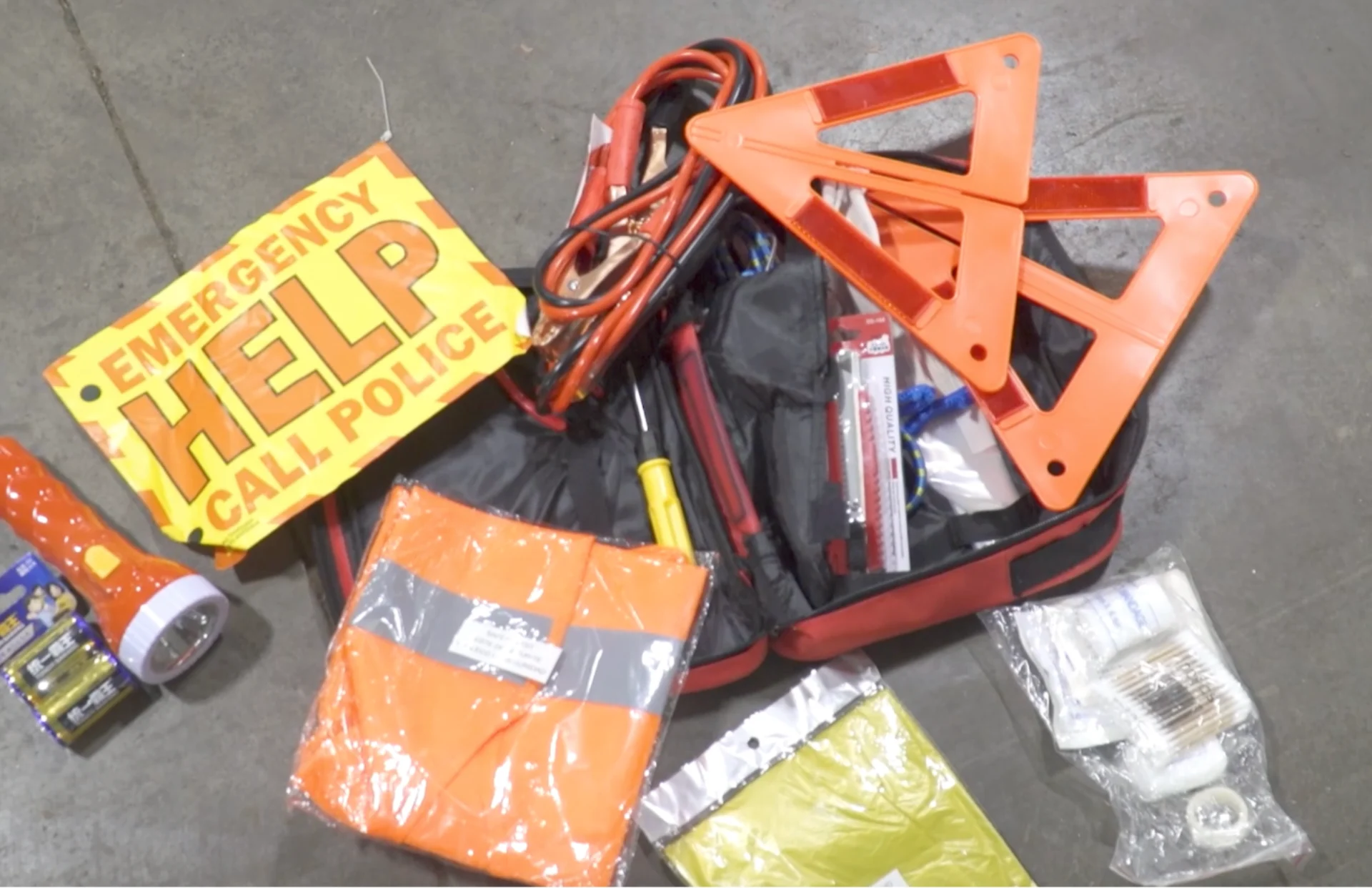
Every driver should have an emergency kit in their vehicle, no matter the time of year. (The Weather Network)
A little preparation now can help keep you moving when winter weather arrives. With these tips, you’ll be ready to go… not waiting for a tow!
WATCH BELOW: This TikTok hack could help defrost your windshield faster
Header image courtesy of Getty Images