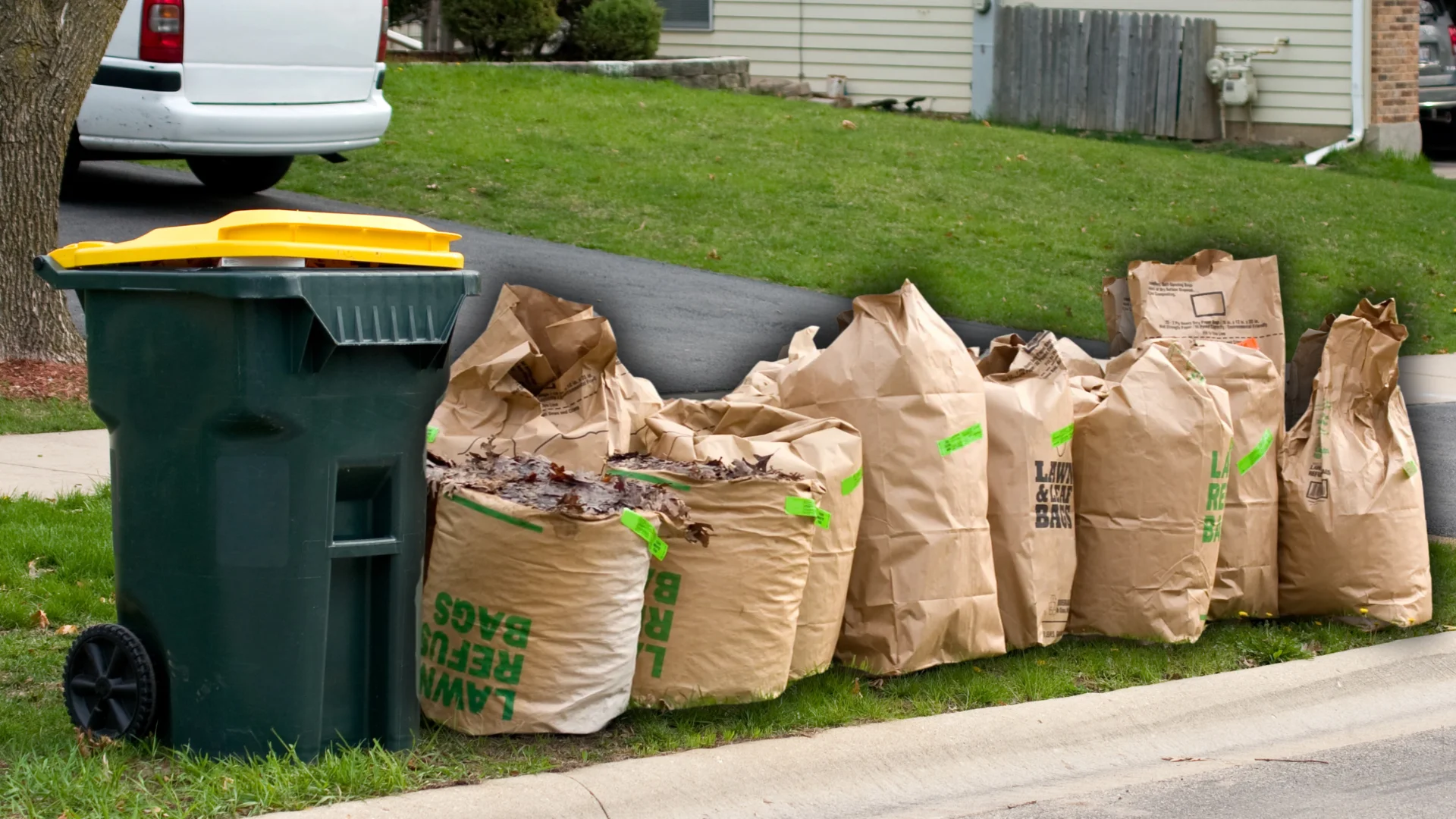
Where does your leaf litter go after it’s been collected?

Many cities and municipalities across Canada collect leaf litter and yard waste to turn into compost that can be used in gardens and remediation projects.
Is it fall or spring? Do you live on a property with a yard? Then you probably understand the struggle of cleaning leaf litter and yard waste during the changing seasons.
Many municipalities across the country have organic waste programs dedicated to diverting organic materials from landfills, including leaf litter and yard waste. But have you ever wondered what happens to those hundreds of bags along the curb after they’ve been collected?
SEE ALSO: Not so fast: Here's why you shouldn't rake leaves in the fall
The leaves and other yard waste are actually treated separately from the organics and kitchen waste you’d typically throw in the green bin.
Not every municipality will treat their compost the exact same way, but the overall process is pretty universal, with two phases: aerobic digestion and curing.
How does your yard waste get turned into garden compost?
After your yard waste is collected, it will often be taken straight to an outdoor composting facility run either by the municipality itself or by a private company contracted to process the waste.
Once brought to the outdoor composting facility, though, the leaves and other organic matter, including the paper bags you put them out in, are dumped into long lines called windrows.
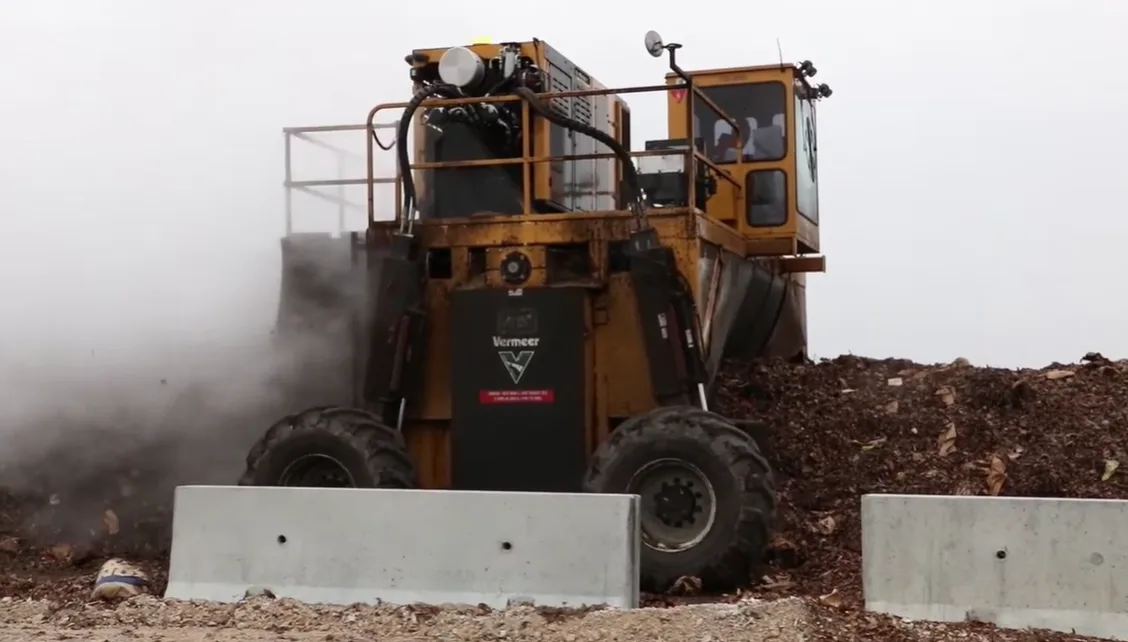
Yard waste is piled into windrows and regularly turned over during the aerobic digestion phase. (City of Winnipeg)
In these windrows, naturally occurring microorganisms, such as small insects, break down the matter, a process also called aerobic digestion. This process also produces heat as a byproduct, which speeds up the natural decomposition even more.
DON'T MISS: Here are the best (and worst) times to prune your trees this year
The windrows are turned over every couple of weeks using heavy machinery specially designed to fit over the long piles. This aerates the pile and evenly redistributes the organic matter for better decomposition.
After several weeks, once the aerobic digestion phase is complete, the temperatures in the piles will begin to drop as the decomposition process slows and less heat is produced as a byproduct. At the lower temperatures, beneficial bacteria and fungi begin to break down the tougher plant tissues and add new nutrients to the finished product—this is the curing phase.
Once curing is complete, the compost is run through a screening process that sorts it into either a fine, garden-ready material, or a bulky mulch material. Many municipalities will offer the finished compost to residents for free or will use it for rejuvenation or remediation projects.
Thumbnail image from Canva file photos.