The equinox myth: Day and night aren’t actually equal

Understanding the difference between the equinox and the equilux reveals some fascinating quirks in how we experience daylight across Canada, including why we receive more than 12 hours of sunlight on the first day of spring.
A subtle but fascinating astronomical milestone has just occurred a few days ahead of the spring equinox, and it helps explain why we’re already seeing more daylight than you might expect.
As we approach the spring equinox, it’s easy to assume this is the moment when day and night are perfectly equal.
But that’s not quite the case.
There’s an important distinction between the equinox and the equilux. Understanding it reveals some fascinating quirks in how we experience daylight across Canada.
What is the equilux?
The equilux is the date when day and night are closest to equal, about 12 hours each.
In Canada, this typically happens a few days before the spring equinox and a few days after the fall equinox.
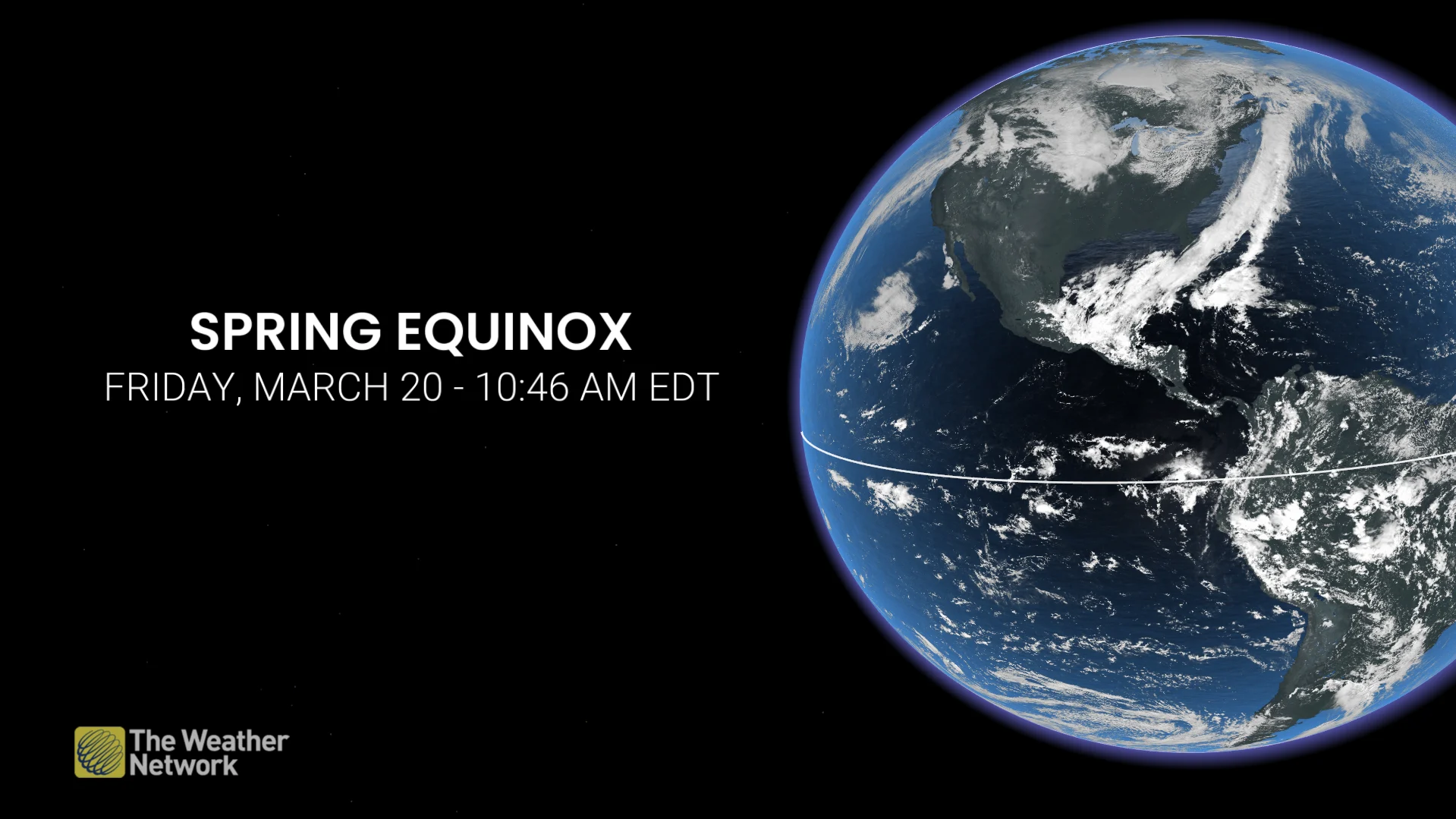
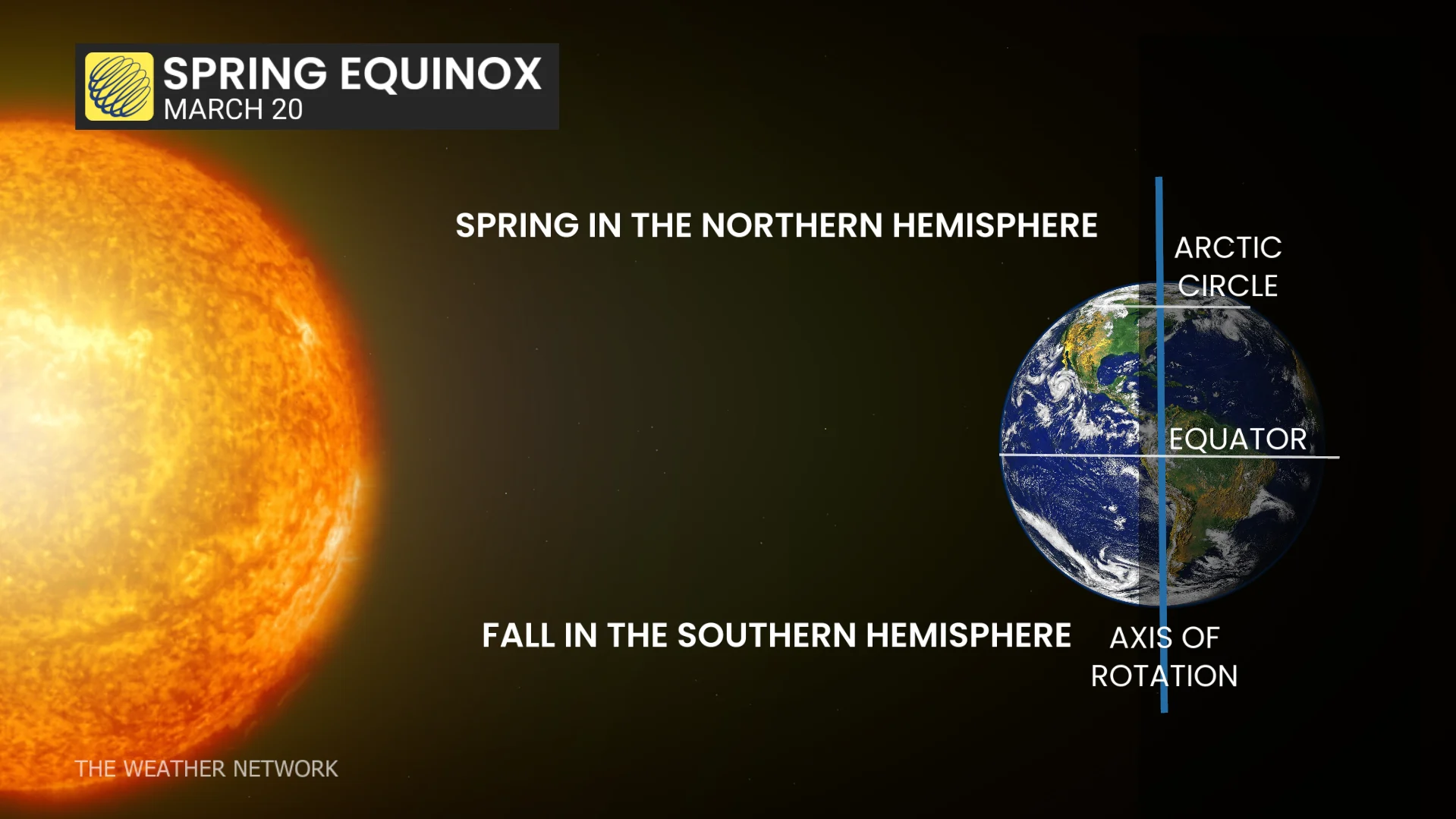
The equinox itself (March 20 this year) is when the sun is directly above the equator, dividing sunlight evenly between the Northern Hemisphere and the Southern Hemisphere, but that’s misleading. it’s not perfectly balancing the amount of daylight we observe at the surface.
Why aren't they the same?
The difference comes down to three key factors:
How we define daylight
How light bends in the atmosphere
How quickly is the day length changing this time of year
A matter of atmospheric refraction
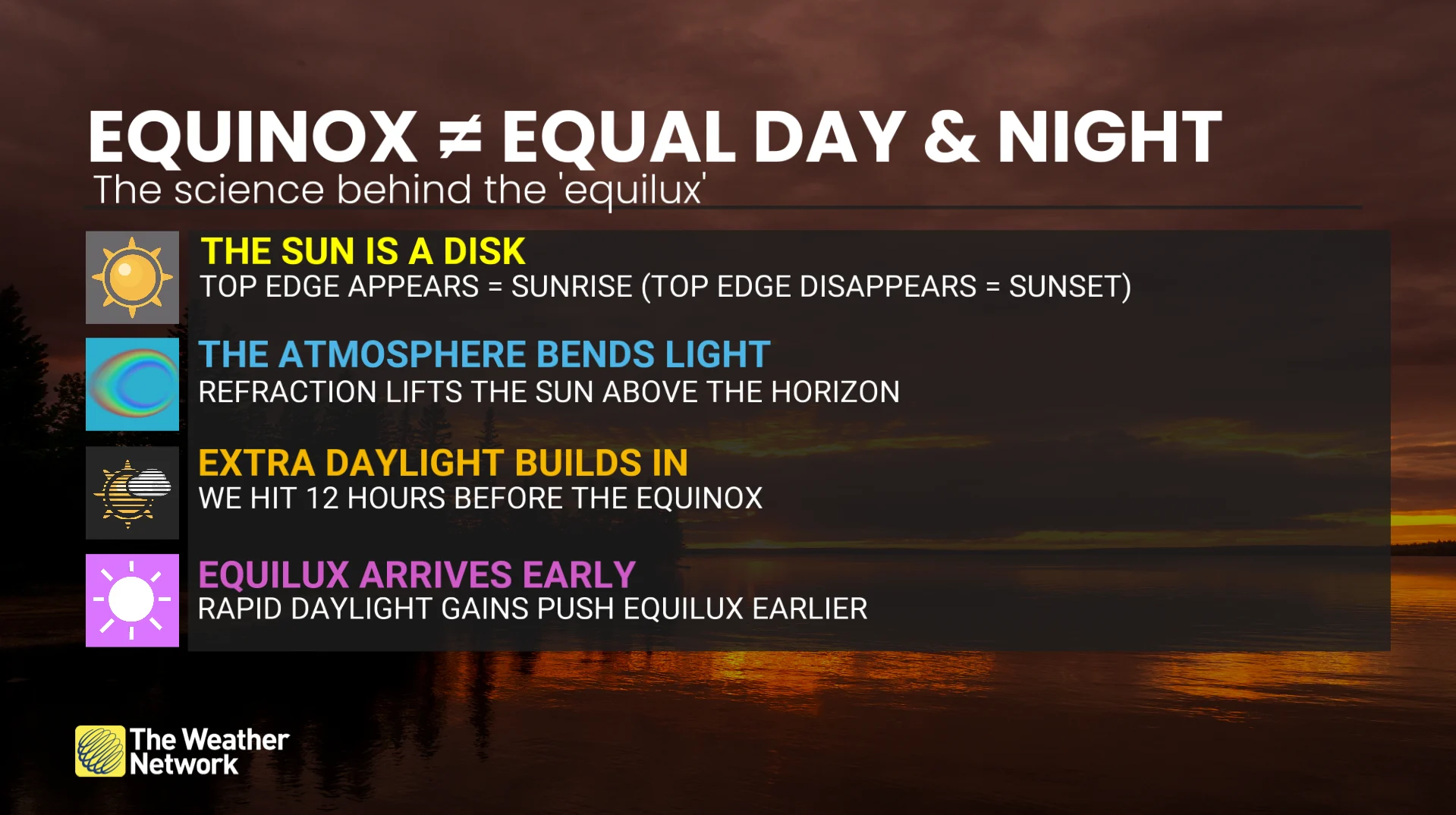
When the sun is near the horizon, its light bends as it passes through layers of Earth’s atmosphere, a process known as refraction.
This bending causes the sun to appear slightly higher in the sky than it actually is, even when it is still physically below the horizon.
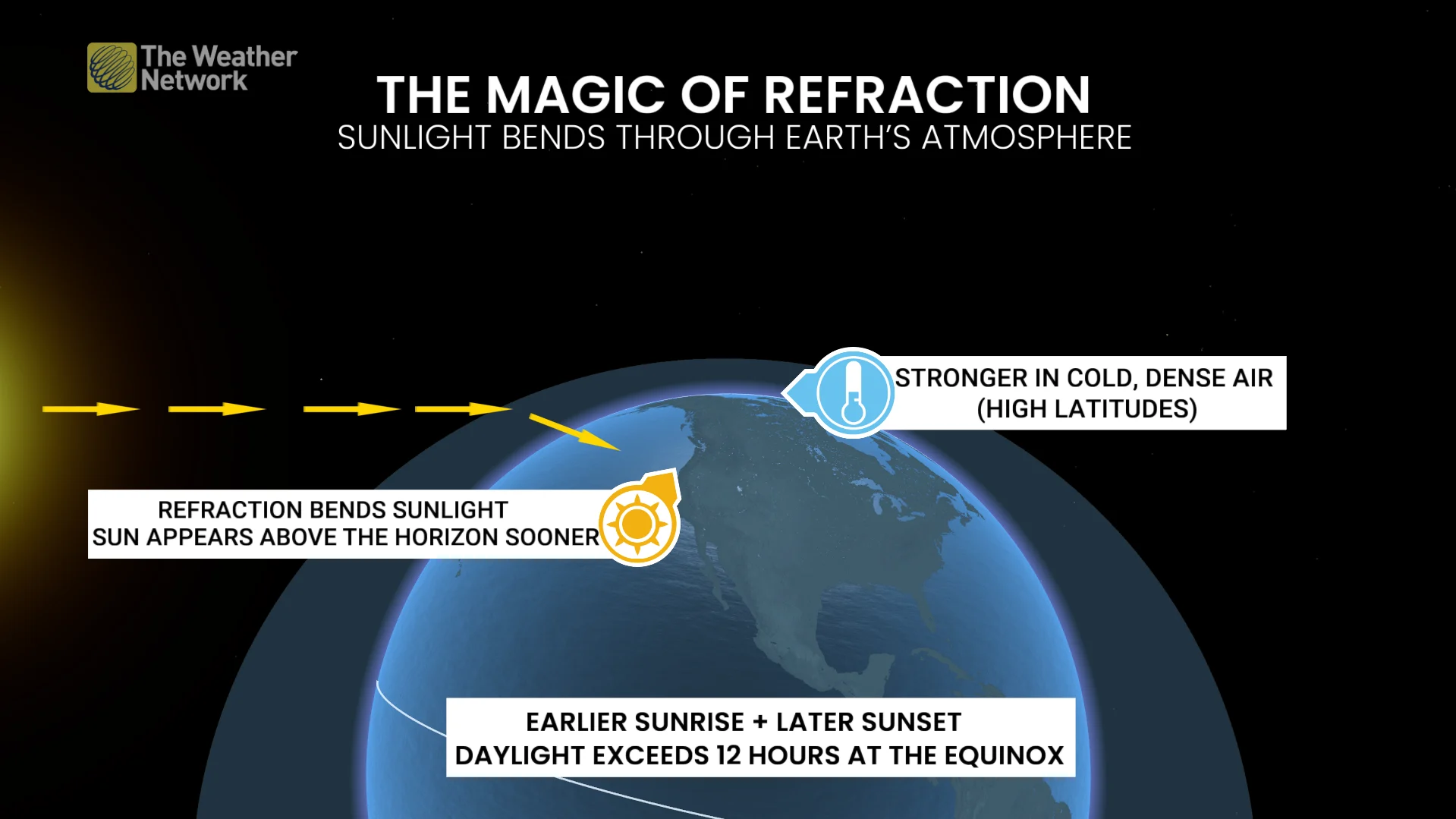
At the same time, the sun isn’t a point (spoiler: it’s a disk). Sunrise begins when the top edge becomes visible, and sunset ends when the top edge disappears.
Together, these effects mean:
Sunrise happens a few minutes earlier
Sunset happens a few minutes later
Result: we gain several extra minutes of daylight.
Why does the timing shift earlier?
Another key piece of the puzzle is how rapidly daylight is increasing around the equinox.
Across Canada, day length is growing by several minutes each day in March:
About 2–4 minutes per day in Southern Canada
Roughly 6–8 minutes per day in Northern Canada
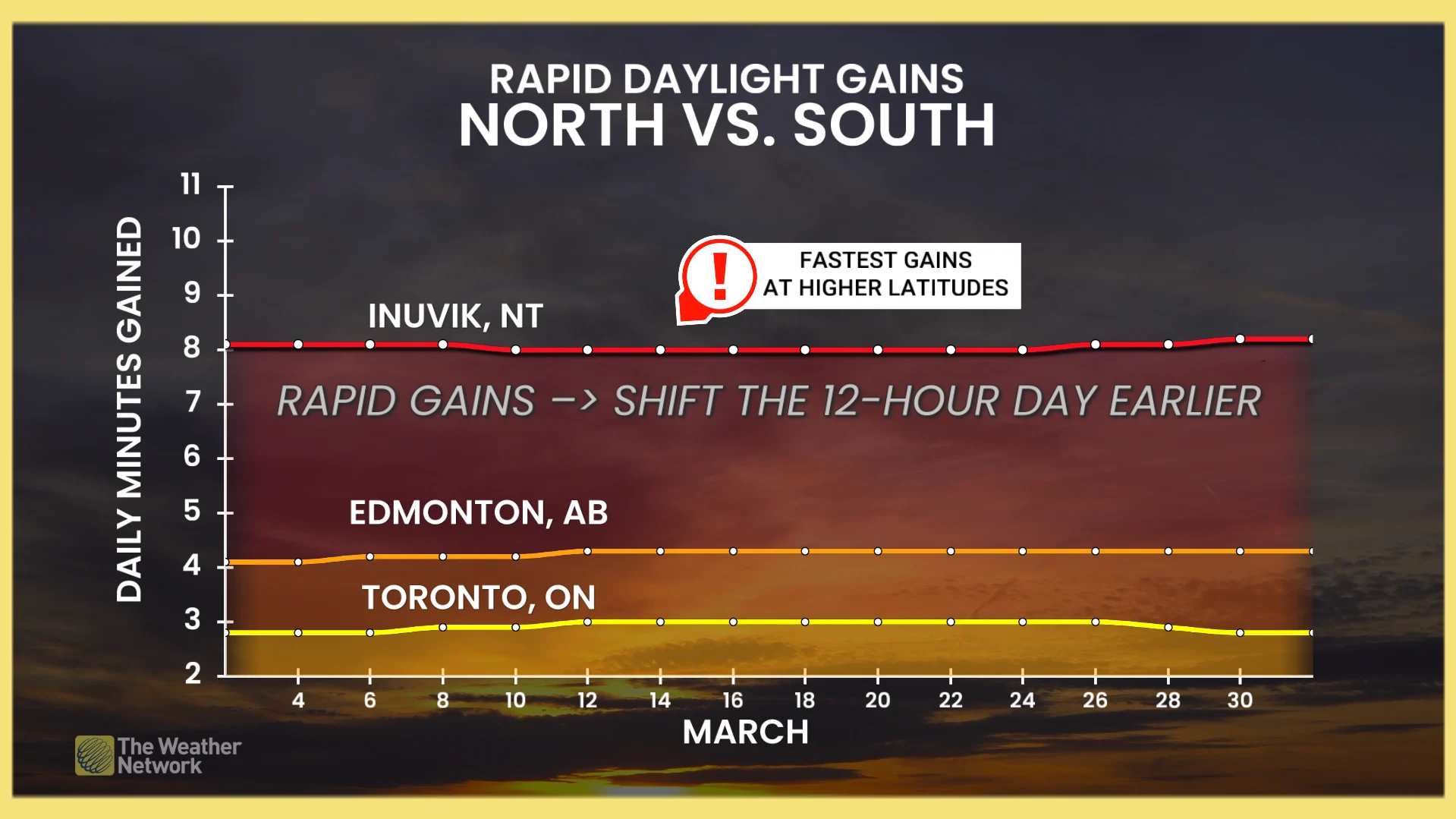
Because of this rapid increase, we actually pass the 12-hour mark before the equinox.
The weather wild card
The apparent length of daylight is subtly altered by our very own atmospheric conditions: Higher pressure, colder temperatures, and even increased humidity enhance refraction, bending sunlight further and extending the duration of daylight by several minutes.
A frigid morning in the Prairies would refract light more intensely than a mild day in Toronto.
When does the equilux happen in Canada?
The equilux occurs slightly earlier in southern Canada and a bit later in northern regions, reflecting differences in how quickly daylight is increasing.
2026 timing: March 17: Windsor, Toronto, Ottawa, Halifax March 18: Vancouver, Calgary, Edmonton, Winnipeg, Montreal, Yellowknife, Iqaluit
Equinox versus equilux: What Canadians see
By the time we reach the equinox on March 20, daylight already exceeds 12 hours across the country!
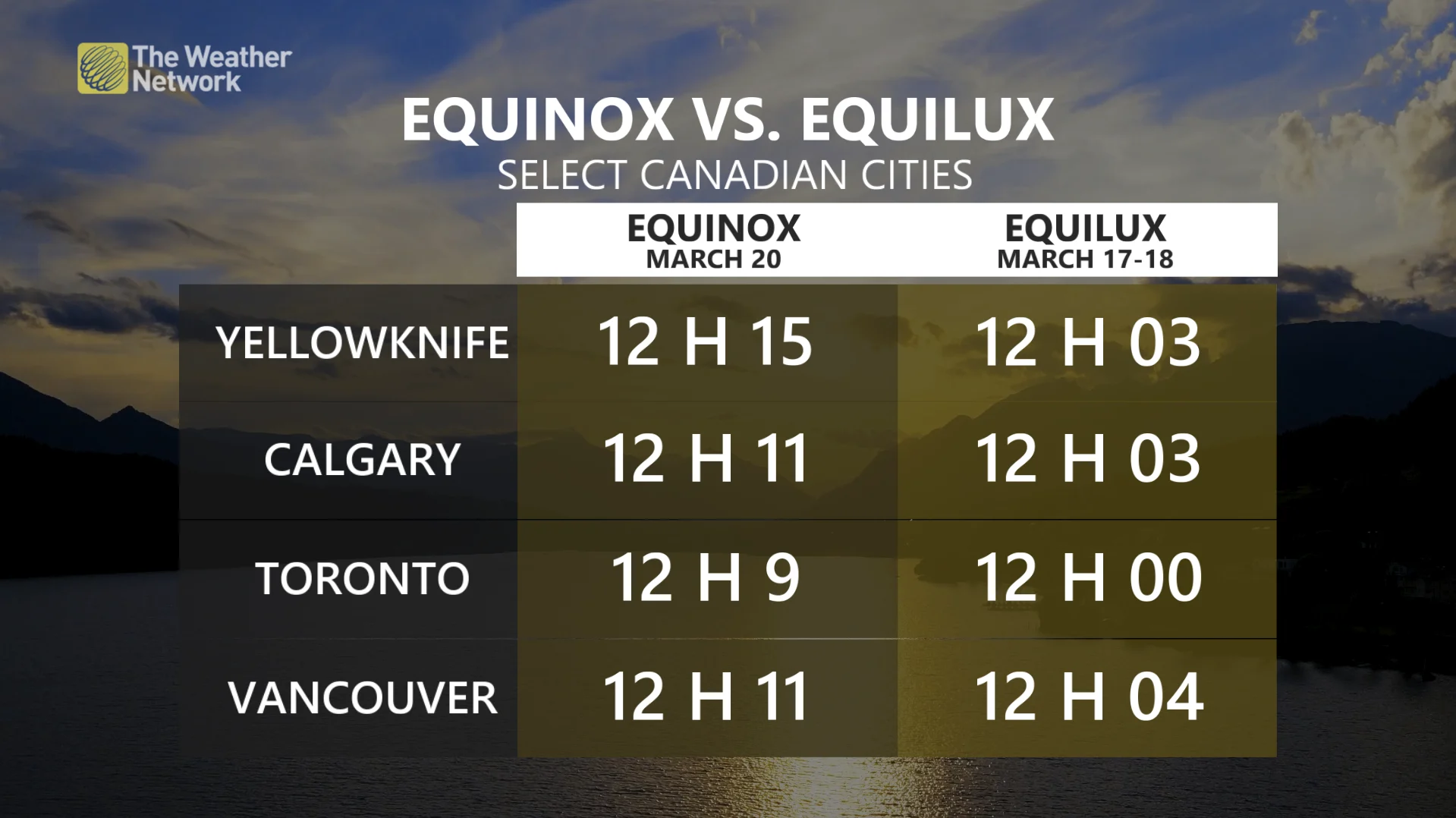
Toronto: Approximately 12 hours 9 minutes
Calgary/Vancouver: Approximately 12 hours 11 minutes
Yellowknife: Approximately 12 hours 15 minutes
At the equilux, most locations hover very close to 12 hours of daylight, though not always exactly 12 hours due to rounding and atmospheric effects.
A subtle latitude effect
The difference between the equilux and equinox actually narrows at higher latitudes.
This is because the sun travels at a shallower angle, which adds more bonus daylight due to atmospheric bending and solar geometry.
But, day length is changing so rapidly in the North (up to eight minutes per day) that the 12-hour mark is reached much more quickly.
Together, these factors compress the gap between the two dates, bringing the equilux closer to the equinox in northern communities.
Bottom line
The equinox and equilux are closely related, but not the same.
Thanks to the way sunlight bends in the atmosphere, the sun’s apparent size, and the rapid increase in daylight this time of year, we end up with more than 12 hours of daylight by the equinox, and ultimately reach that milestone up to a few days earlier.
How will you spend your bonus daylight, Canada?