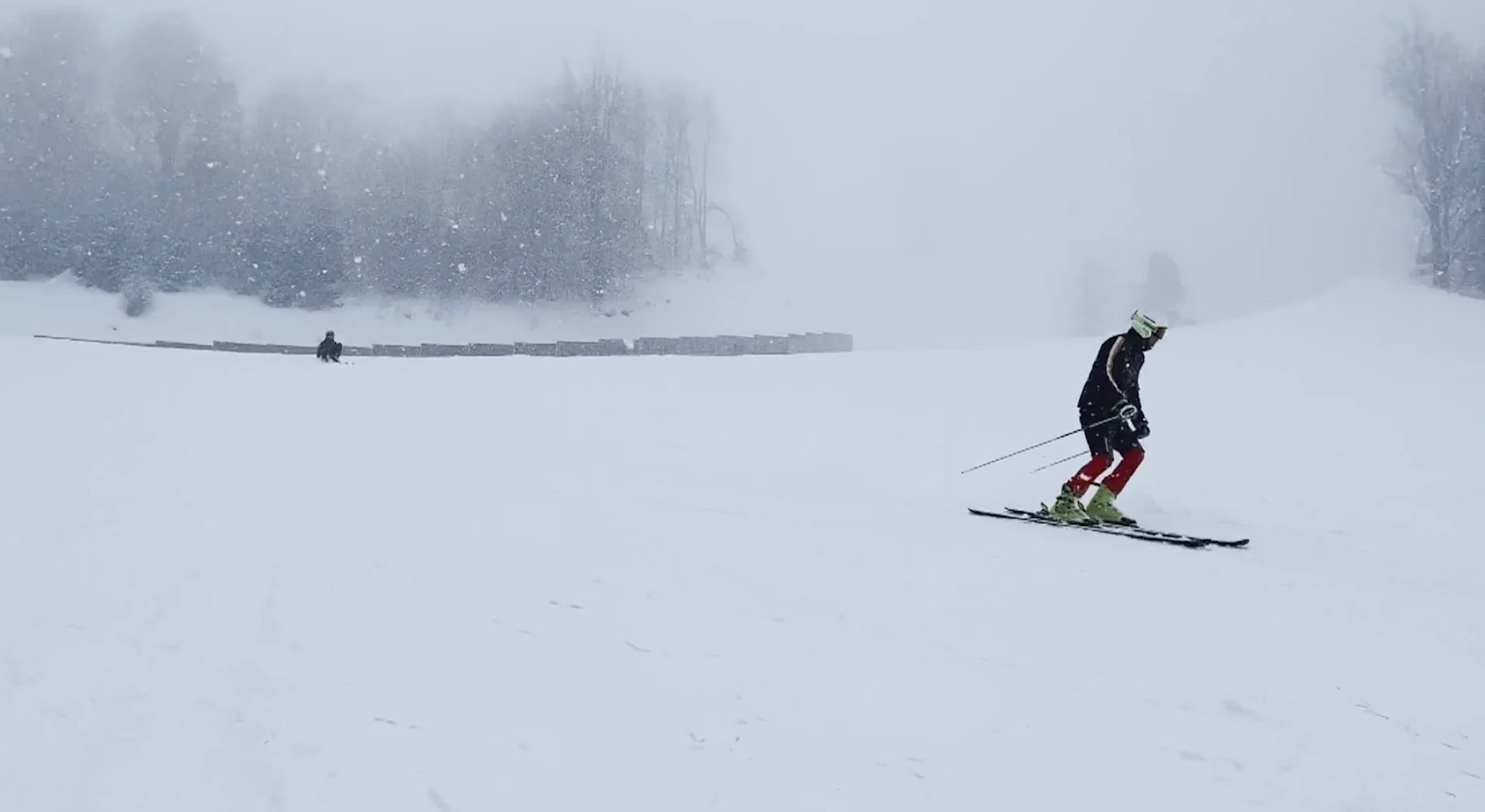
Powder, crust, slush or ice? How to adapt your skiing to the weather

Ever wondered how different weather creates various snow conditions on the slopes? Join us as we break down the science behind powder, crust, slush, and ice, and learn expert tips on how to adjust your technique for a perfect ski day, no matter the forecast.
It's no surprise that weather and skiing go hand in hand, but you might be surprised to know that the science behind the snow that's either falling or being made plays a big part in how you hit the slopes.
Due to the unique positioning of snow belts, southern Ontario experiences various types of precipitation that you may encounter on the ski hills throughout the season.
To learn more, I headed to Mount St. Louis Moonstone—a proud member of the Ontario Snow Resorts Association—in Coldwater, Ont., to learn more about the types of snow and how they can impact your time on the slopes this winter.
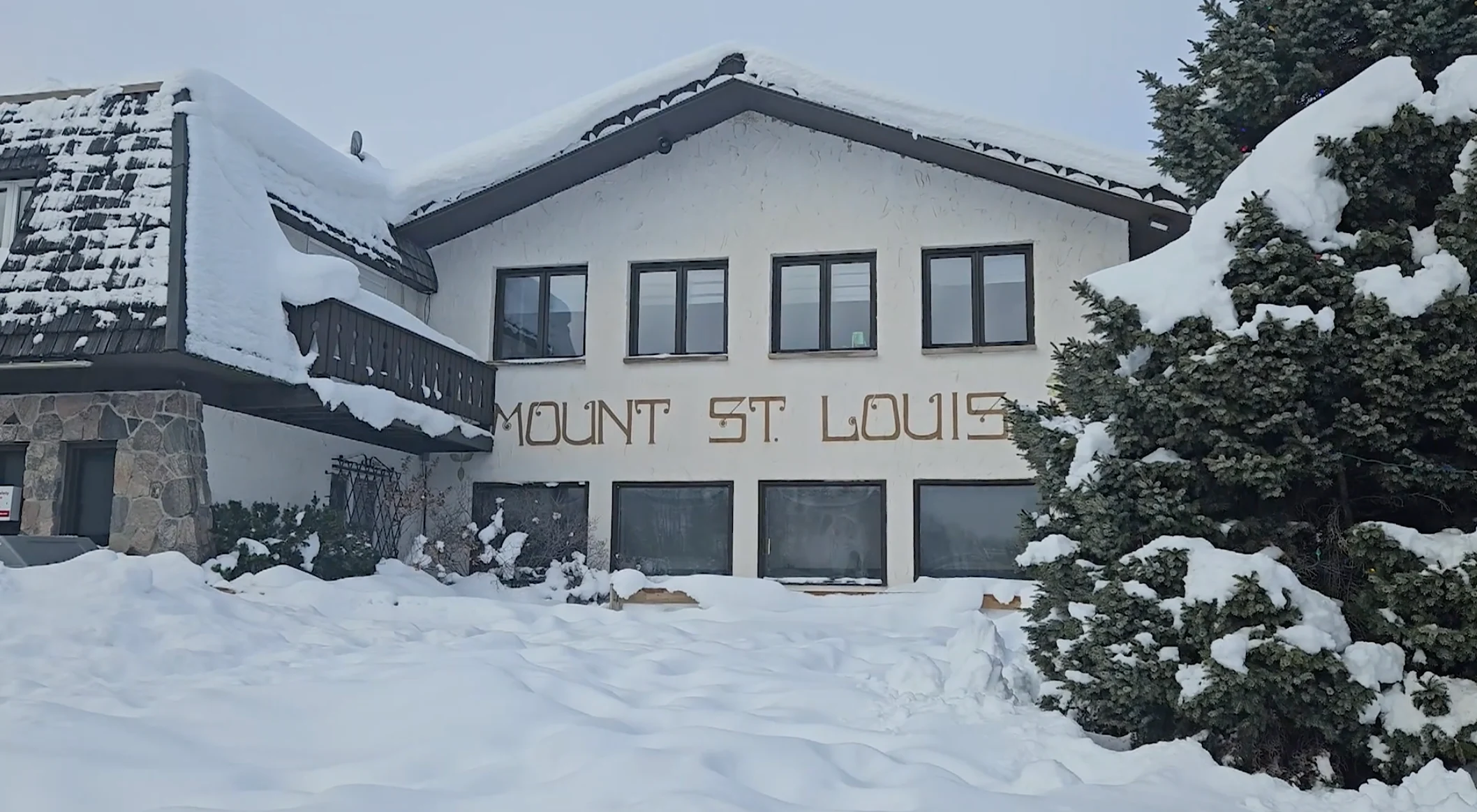
Mount St. Louis Moonstone is a ski resort located north of Barrie in southern Ontario. (The Weather Network)
Powder snow: Everyone’s favourite
Powder snow is light and fluffy, and it forms in temperatures well below freezing, sometimes the coldest temperatures winter has to offer.
“When powder skiing, my centre of balance tends to go a little bit more centred,” shared Nicholas Huter, Moonstone Chalet Manager. “I am leaning a little bit less forward in my boots. You're just going to sink in the snow in those powdery conditions, so a little bit more gradual turns.”
Crust: For those with a need for speed
On warm winter days and cold winter nights, snow can melt, refreeze, melt, and refreeze, forming a layer of crust.
“You can really lay it over on edge in those firmer conditions, which is really nice if you're not as advanced,” explained Huter. “Just kind of lean a little bit more forward; your boots can get a bit more aggressive, but you have to be prepared that it's going to be a little bit faster.”
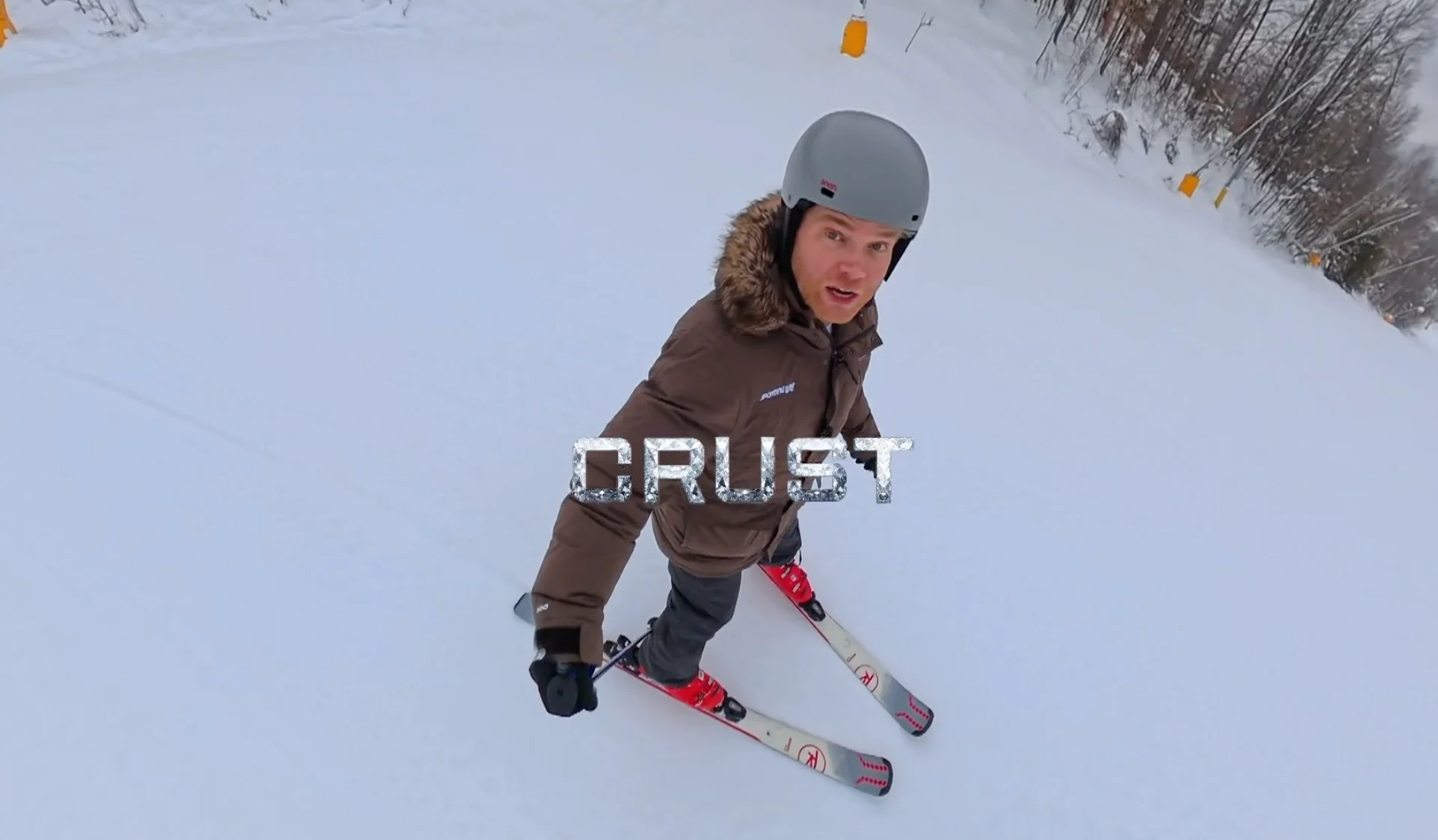
Prepare to go a bit quicker when crust has developed on the slopes. (The Weather Network)
Slush: Watch for bumps
Slush is snow that forms in above-freezing temperatures. It gets very wet and compacts on itself.
“You can take an approach [similar to] the powdery snow, because it's so soft,” said Huter. “If you try to carve and get over on edge, you are going to sink through that surface a bit, so do a little bit more of a gradual turn and be prepared, because as that snow gets skied out throughout the day, it's going to create bumps.”
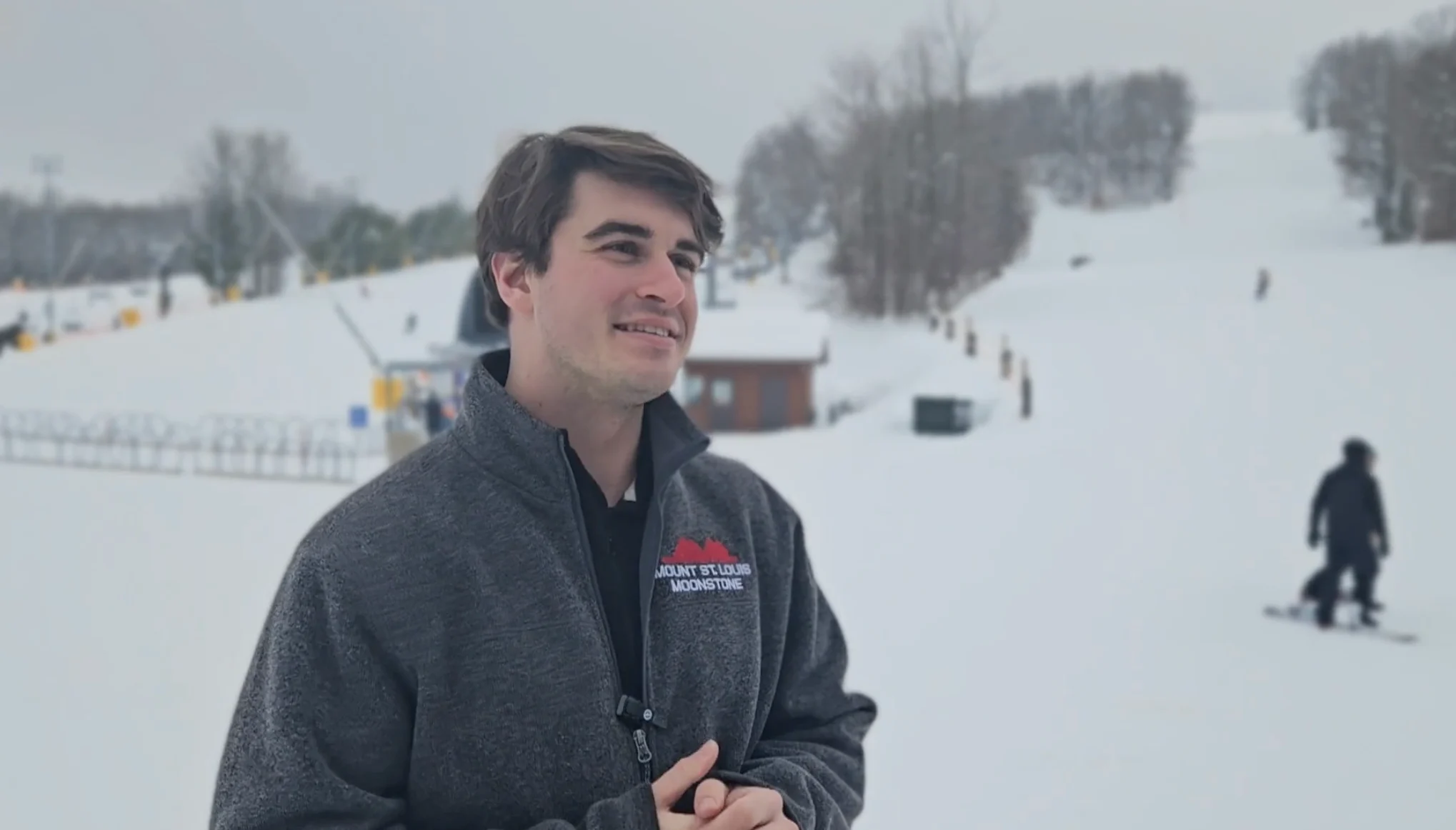
Huter says they strive to maintain the best and safest conditions, no matter what Mother Nature brings. (Pictured: Nicholas Huter)
Ice: Unsafest of all
When snow completely melts, it can refreeze quickly and form ice that's not really safe to ski on, no matter the conditions.
Huter says they’re always looking to keep conditions as best and as safe as they can to combat anything Mother Nature throws their way.