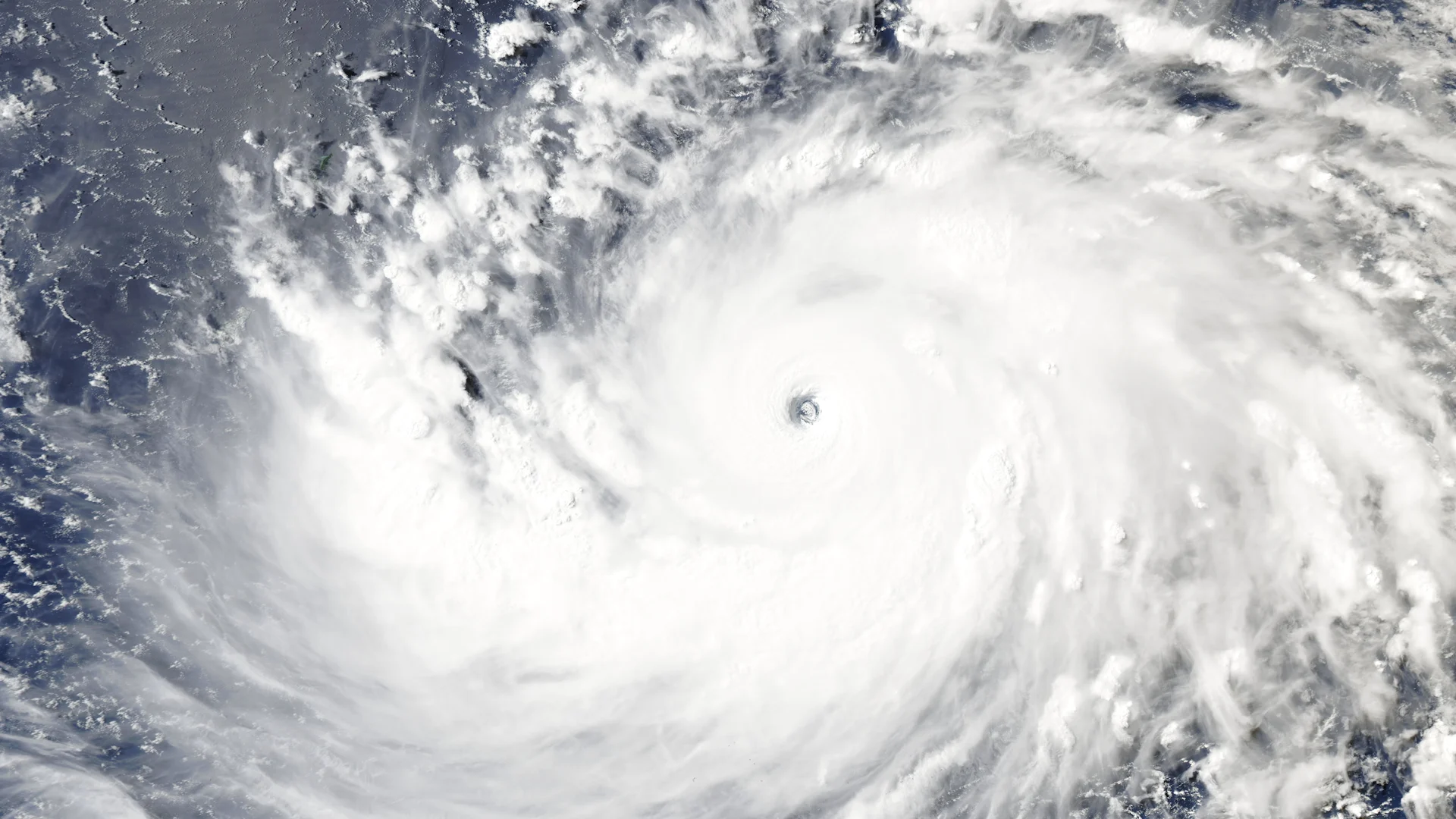
Super Typhoon Bavi is one of Earth’s strongest storms in 2026

Bavi is the equivalent of a Category 5 storm as it moves toward the Northern Mariana Islands this weekend
Super Typhoon Bavi remains the strongest storm on Earth this weekend as it churns through the western Pacific Ocean.
Residents of several islands are on high alert as the intense typhoon approaches the region with destructive winds, flooding rain, and a dangerous storm surge.
DON’T MISS: What’s the difference between hurricanes, typhoons, and cyclones?
Bavi rapidly intensified into the equivalent of a scale-topping Category 5 storm on Friday, making it the western Pacific's second super typhoon of 2026.
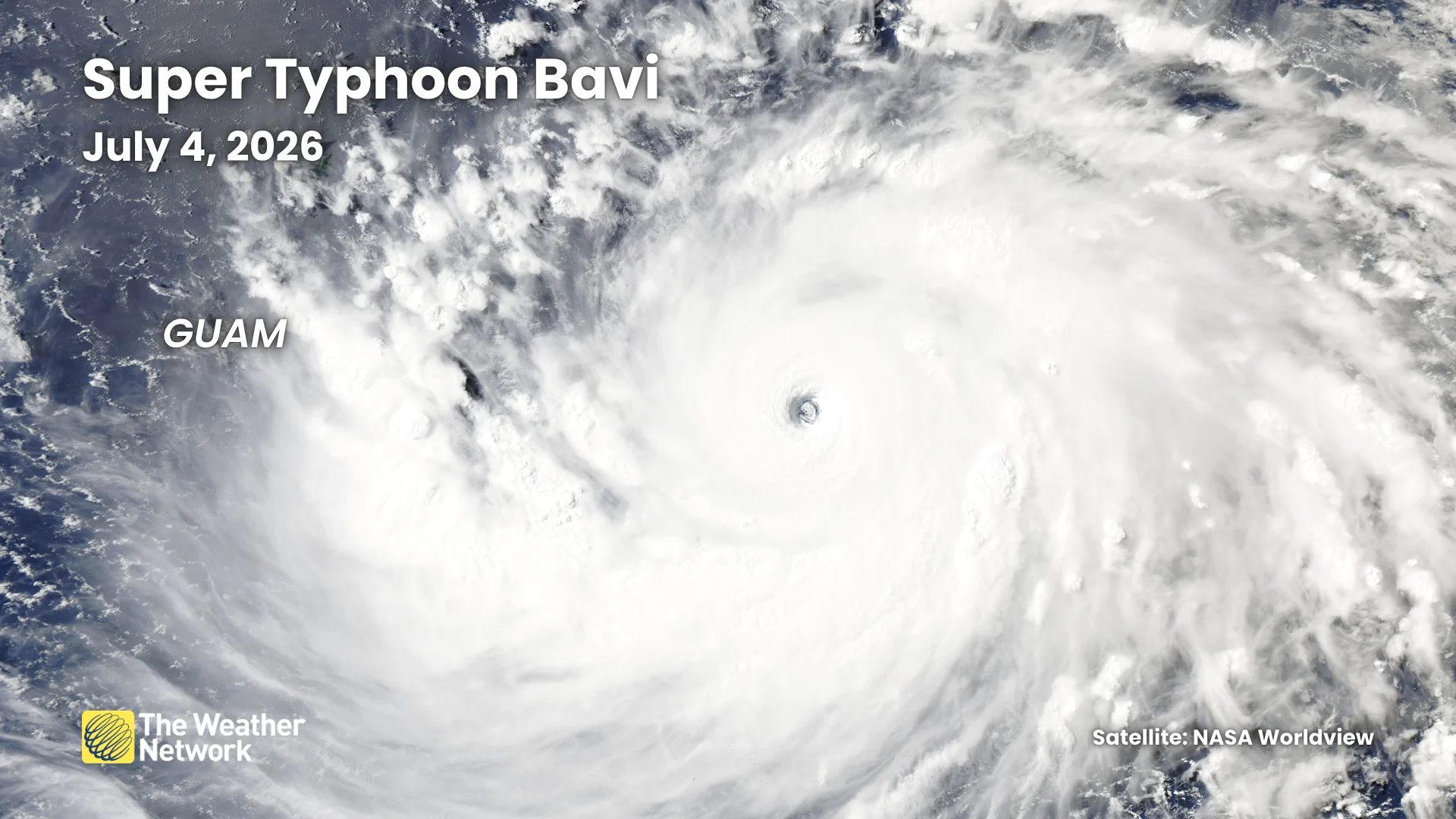
The Joint Typhoon Warning Center (JTWC) reported on Saturday afternoon that Super Typhoon Bavi packed maximum sustained winds of 260 km/h and a minimum central pressure of 919 mb.
Bavi’s intensity may fluctuate over the next day as it undergoes eyewall replacement cycles, but “the environment continues to be highly favorable for maintaining a high-end storm,” according to the JTWC.
The Northern Mariana Islands and Guam will feel the effects of the storm by the end of the weekend. These territories of the United States are collectively home to more than 200,000 people.

Based on its current track, the very worst conditions are likely to pass north of Guam and strike the Northern Marianas on Monday local time, with Rota (population 1,500) taking the brunt of Bavi’s powerful winds.
Forecasters expect the typhoon to grow in size as it heads west into next week, maintaining the equivalent strength of a major hurricane on approach to Taiwan during the latter half of the week.
Several powerful typhoons have affected these islands in recent years. Super Typhoon Yutu brought widespread destruction when it directly struck the Northern Marianas in 2018. Typhoon Mawar caused further damage to the region in 2023.
Super Typhoon Bavi is the world’s third Category 5 equivalent storm so far this year. The first was Tropical Cyclone Horacio in the southern Indian Ocean in February, followed by Super Typhoon Sinlaku in April.
Header image courtesy of NASA Worldview.