Record-breaking and dangerously hot temperatures hit Ontario

A historical heat wave is gripping Ontario, with several new all-time records in jeopardy
Ontario is experiencing its second significant heat event of the summer, shattering long-standing temperature records. Monday marked a historically hot day, with Armstrong, Ontario, recording a temperature of 40.7°C. This sets a new all-time high for the community, highlighting the dangerous intensity of this heat event.
Even a relatively healthy individual can succumb to heat-related illnesses without proper precautions.

RELATED: Dense wildfire smoke set to impact Ontario by Wednesday
Toronto's hottest day ever on Tuesday?
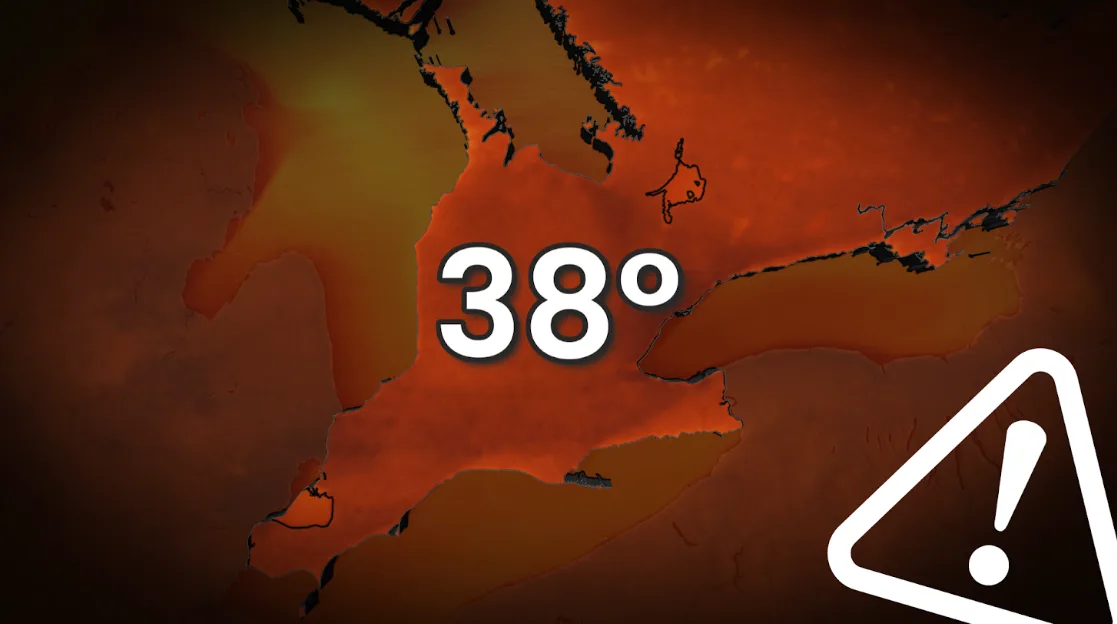
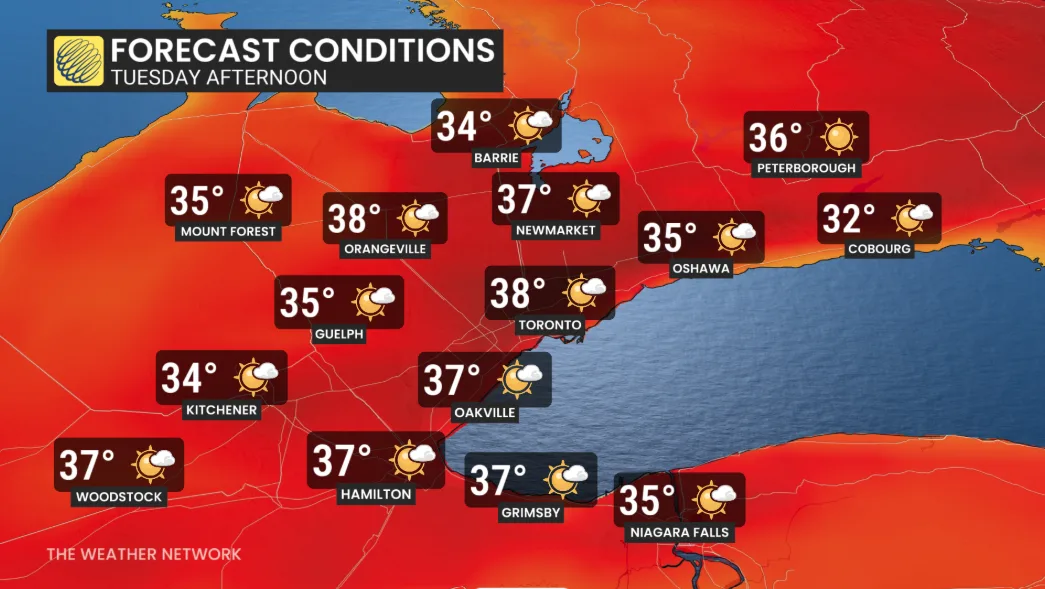
The Greater Toronto Area (GTA) is set to experience exceptional heat on Tuesday, with some forecasts suggesting highs between 37°C and 40°C! If Toronto hits the projected 38°C, it would mark the city's hottest temperature of the year so far, surpassing the 36°C recorded on July 1.
Since weather records began at Toronto's Pearson Airport in 1937, the temperature has exceeded 37°C only six times before. The airport has topped 38°C just once, reaching its all-time record of 38.3°C on August 25, 1948.
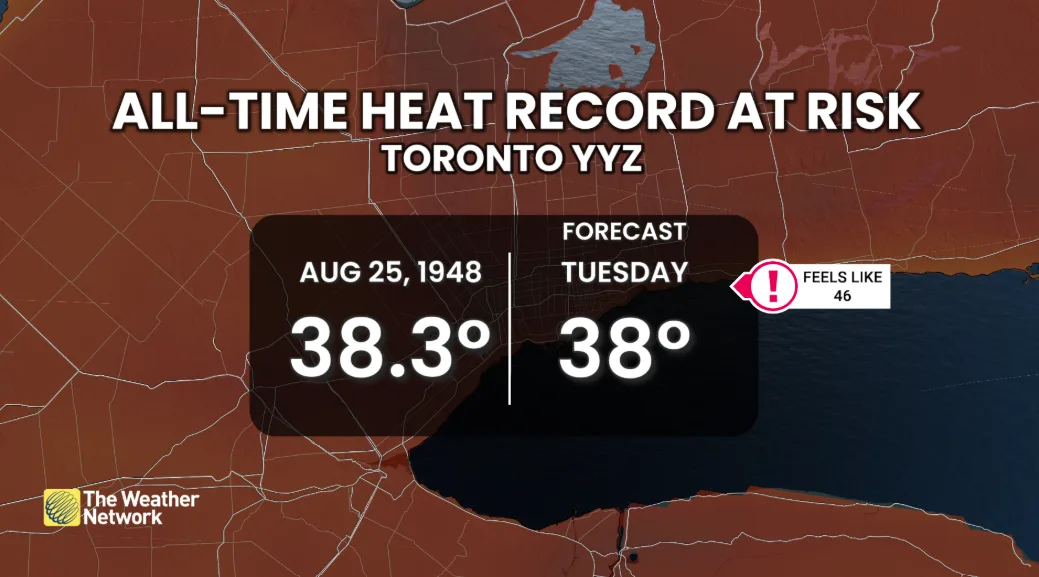
Muggy conditions will create uncomfortable outdoor environments, and those at risk for heat-related illnesses should limit time outside and stay hydrated.
Tuesday's forecast humidex
Toronto: 46
London: 46
Windsor: 46
Kingston: 41
Ottawa: 45
Parry Sound: 38
Hottest temperatures felt in 90 years in northwestern Ontario
On Sunday, temperatures felt like the low 40s across northwestern Ontario as the heat and humidity continued to ramp up. Over twenty weather stations across the province recorded daytime temperatures above the 30-degree mark.
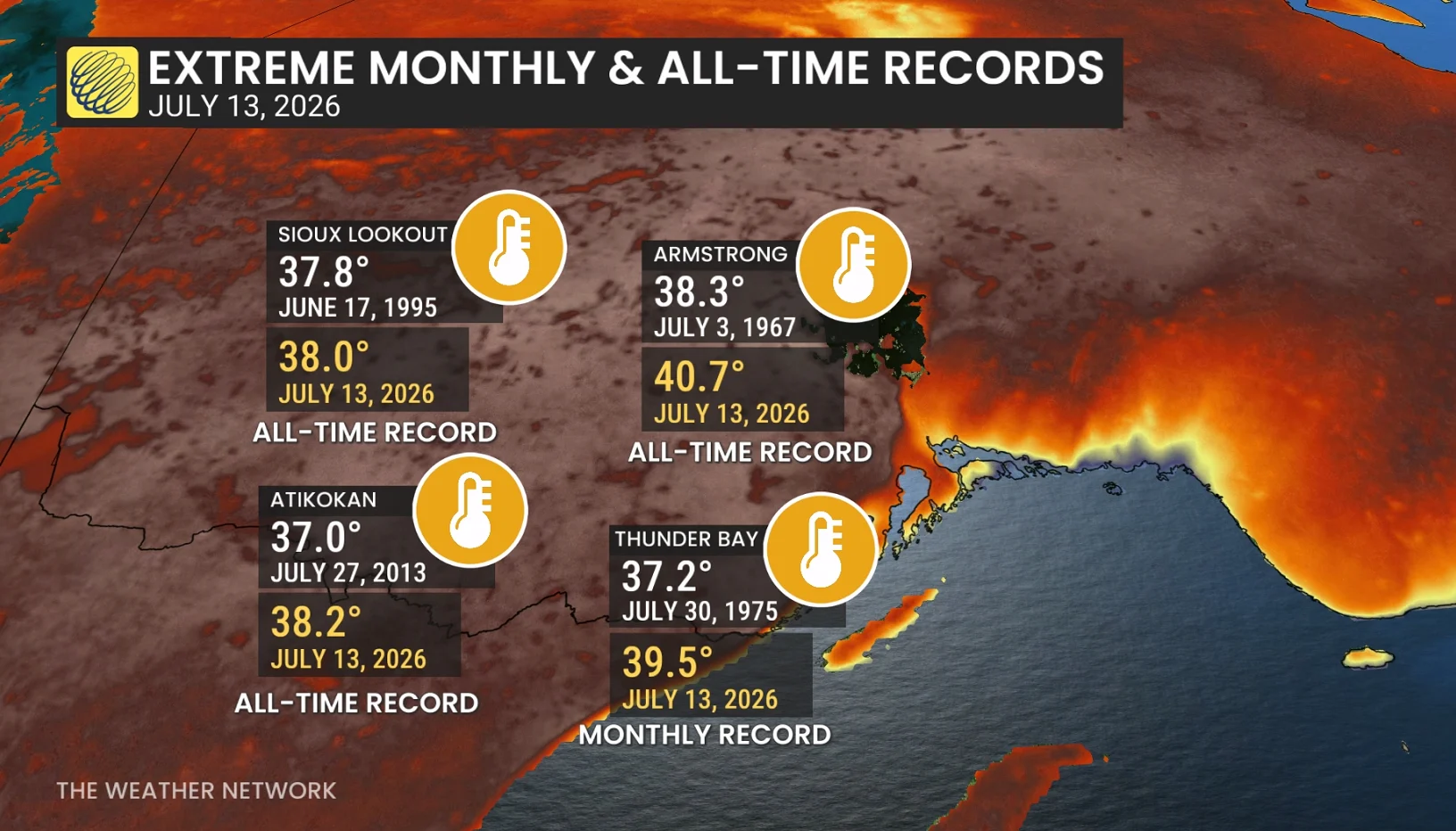
In fact, Sioux Lookout, located north of Dryden, briefly held Canada's record for highest daytime temperature so far in 2026 on Sunday after reaching 38°C. That title was quickly stolen, however, by Armstrong, northwest of Lake Nipigon, after temperatures reached the blistering high of 40.7°C on Monday afternoon.
DON’T MISS: Why extreme heat is one of the world’s deadliest weather disasters
That is the hottest temperature recorded in Ontario since the 1936 heat wave, in the famous Dust Bowl era 90 years ago.
The 1936 heat wave did see even hotter temperatures, though that Armstrong couldn't quite reach. On July 11–12, 1936, Atikokan recorded a daytime high of 42.2°C. About an hour west, Fort Frances followed with the same reading the very next day on July 13, 1936.
Thunder Bay also set its own city record on Monday after reaching a daytime high of 39.5°C, becoming the hottest July day of all-time. The previous record was set on July 30, 1975, when temperatures reached 37.2°C. It is, however, not the hottest temperature ever recorded in the city. That record was set back on Aug. 7, 1983 when temperatures reached 40.3°C.
A cold front is forecast to move into southern Ontario late Tuesday, bringing Wednesday's temperatures back down toward the 30-degree mark with humidex values staying in the low-to-mid 30s.
WATCH: Heavy wildfire smoke to blanket southern Ontario
Heat safety is vital
Extreme heat claims more lives around the world than any other type of severe weather.
Everyone is susceptible to heat-related illnesses without taking proper precautions, such as frequent breaks, adequate hydration, and air conditioning.
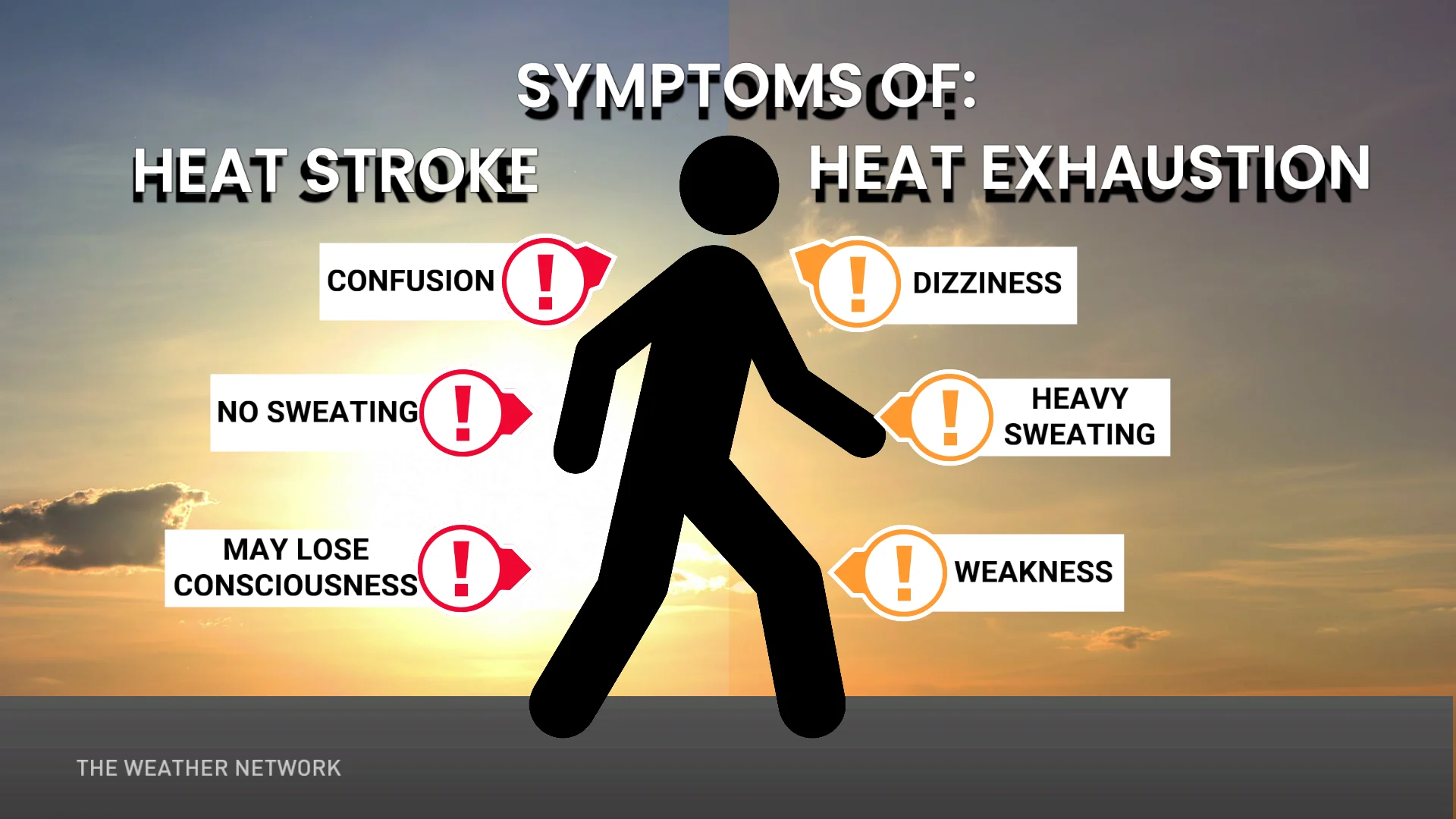
The compounding stress of hot days followed by muggy nights can be especially hard on vulnerable populations like the elderly, those with chronic health conditions, and folks who live without access to air conditioning. Keep in mind that certain medications can lower your body’s heat tolerance.