
Heavy snow and ice return to parts of Ontario after brief, but major warm-up

Ontario's major warm-up could come with some icy risks come Saturday
For the winter weary, this week will offer a brief, but welcomed reprieve from winter temperatures during a January thaw that could see temperatures rise into the mid-to-upper single digits across the south by Friday. These milder conditions, however, will be accompanied by widespread rain and gusty winds heading into the weekend.
Colder weather returns Saturday night into Sunday with gusty winds and lake-effect snow or flurries mainly targeting areas downwind of the Great Lakes. There is a chance of freezing rain, as well, but the ice risk is likely to bypass the Greater Toronto Area (GTA).
DON'T MISS: January outlook: Winter hits pause in Canada before striking back
Milder temperatures are expected again for early next week, but further cold weather and more consistent wintry conditions are anticipated during the latter half of January.
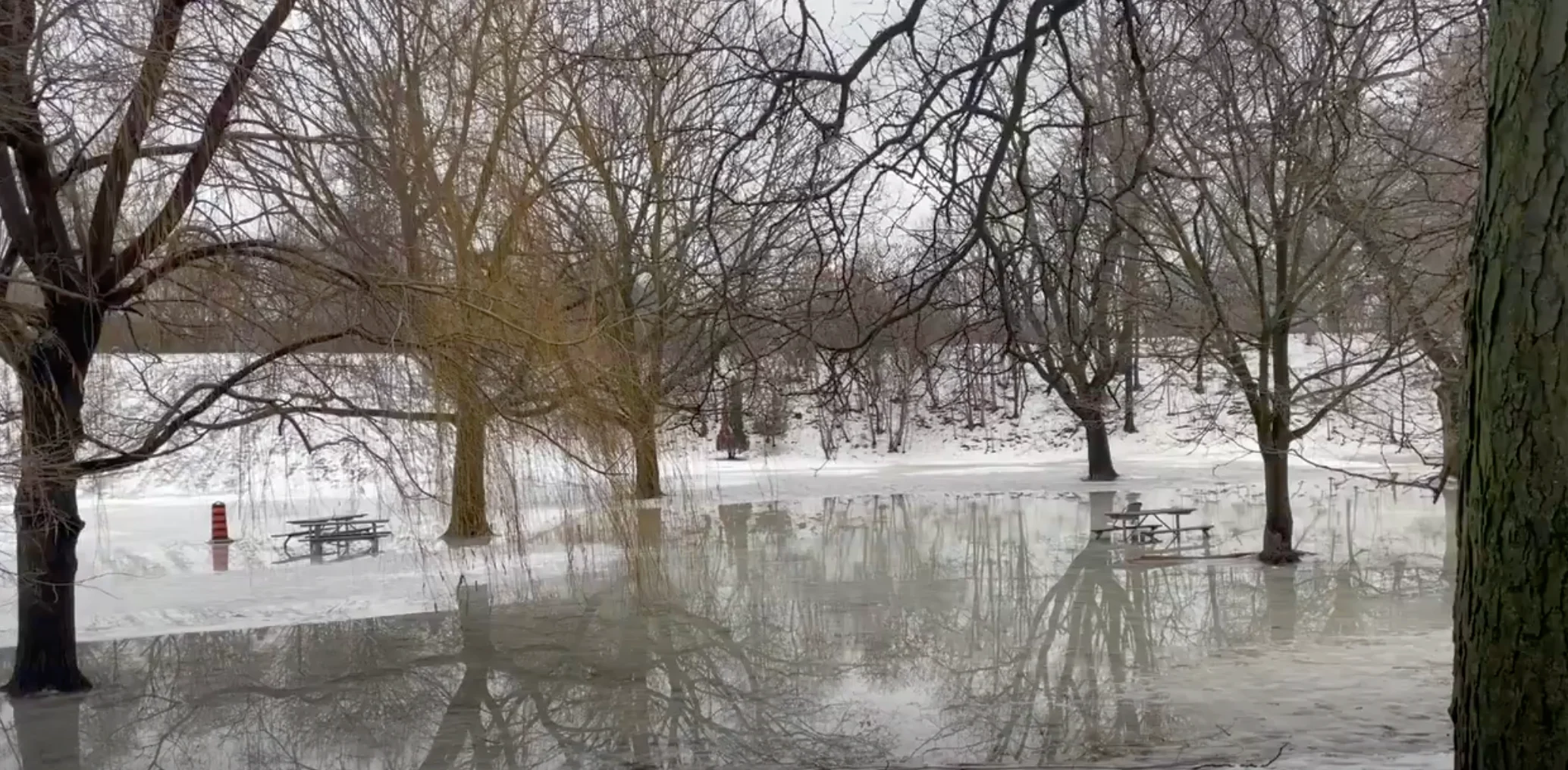
Snowmelt at Trinity Bellwoods Park, Toronto, Ont. on Jan 7, 2025. (Lauren O'Neil/The Weather Network)
Be sure to stay updated for the latest details on the changing conditions, and potential weather alerts that may be issued in your area.
First system brings mild, but wet weather on Friday
An active storm track is set to bring a mix of wet and wintry weather to Ontario late this week and into the weekend. Subtropical moisture will arrive early Friday, driving a temperature surge and widespread rain showers, with snowfall expected along the northern edges of the system.
The surge of warmth brings instability from the south, sparking a thunderstorm risk early Thursday morning as storms may persist from their development in the U.S. Midwest on Wednesday.

Temperatures in parts of southwestern Ontario could rise into the double-digits on Friday. Windsor has not seen January temperatures over 14°C since 2013.
SEE ALSO: Toronto may see a January double-digit high on Friday
Southern Ontario can expect 5-15 mm of rainfall, while regions east of Georgian Bay could see 15-30 mm.
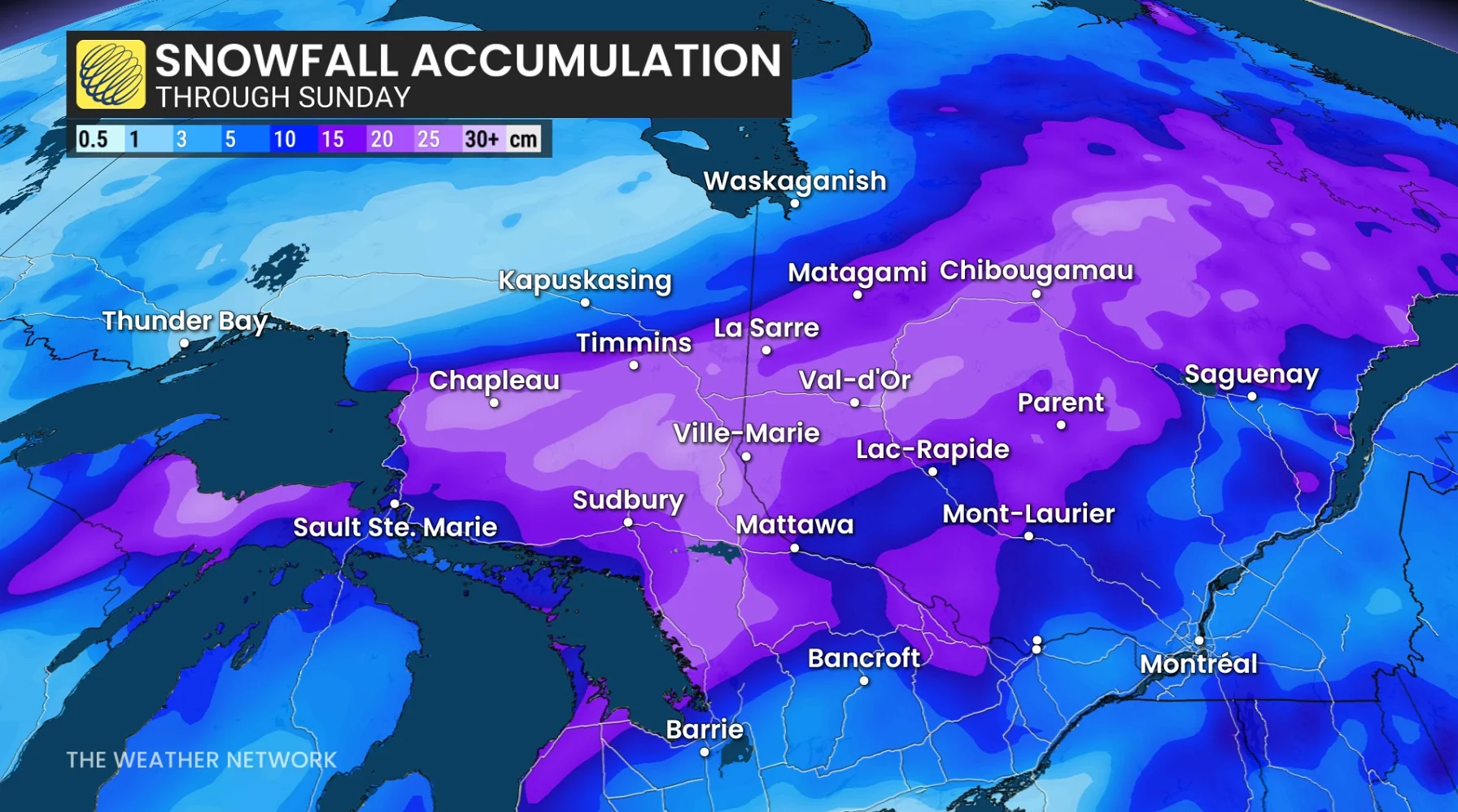
Northeastern Ontario, including areas like Timmins, is forecast to see 5-15 cm of snowfall as cold air interacts with the system. Residents in these areas should prepare for potentially hazardous road conditions.

More potent system arrives Saturday with snow and ice threat
A strengthening Texas low will move across Ontario on Saturday, bringing significant moisture and varying weather impacts across the province. This system will deliver another round of rain to parts of southern Ontario, while high pressure from the north keeps temperatures below freezing, resulting in widespread snowfall for northern regions.

Central Ontario is expected to see 10-20 cm of snow, though locations within this heavy snow band will be refined closer to the event.
Colder surface air also brings a freezing rain threat to parts of southern and eastern Ontario through the afternoon and evening hours. While not all models indicate significant freezing rain, they consistently show the GTA and Ottawa avoiding the risk.
WATCH: Barrie moves 21 Olympic pools' worth of snow this winter
As the system moves east late Saturday into Sunday, winds are likely to become blustery, causing blowing snow and reduced visibility in some areas.
Southern Ontario could see a quick burst of snow flurries as temperatures drop Saturday night into Sunday morning.
Potential flooding and ice safety concerns with this week's thaw
Snowbanks and snow depths in southern Ontario’s snowbelt regions are expected to diminish significantly as mild temperatures and rain arrive this week. The combination of snowmelt and rainfall could create localized flooding, particularly in areas where storm drains are blocked by snow. Residents should monitor for potential ice jams along rivers, which could exacerbate water levels, as well.
DON'T MISS: Many snowbanks in peril: Why a January thaw is a cause for concern
The warming trend may also lead to unsafe ice conditions on lakes and ponds. The rising temperatures could weaken ice cover and reduce its thickness, posing a risk for those venturing onto frozen water bodies.
The active storm track over the Great Lakes is set to continue into next week, bringing additional chances for snow and potentially messy weather.
RELATED: Is it safe? How thick does ice need to be to walk or skate on?
WATCH: January cold hits pause before winter stages a comeback in Canada
Stay with The Weather Network for the latest updates across Ontario.