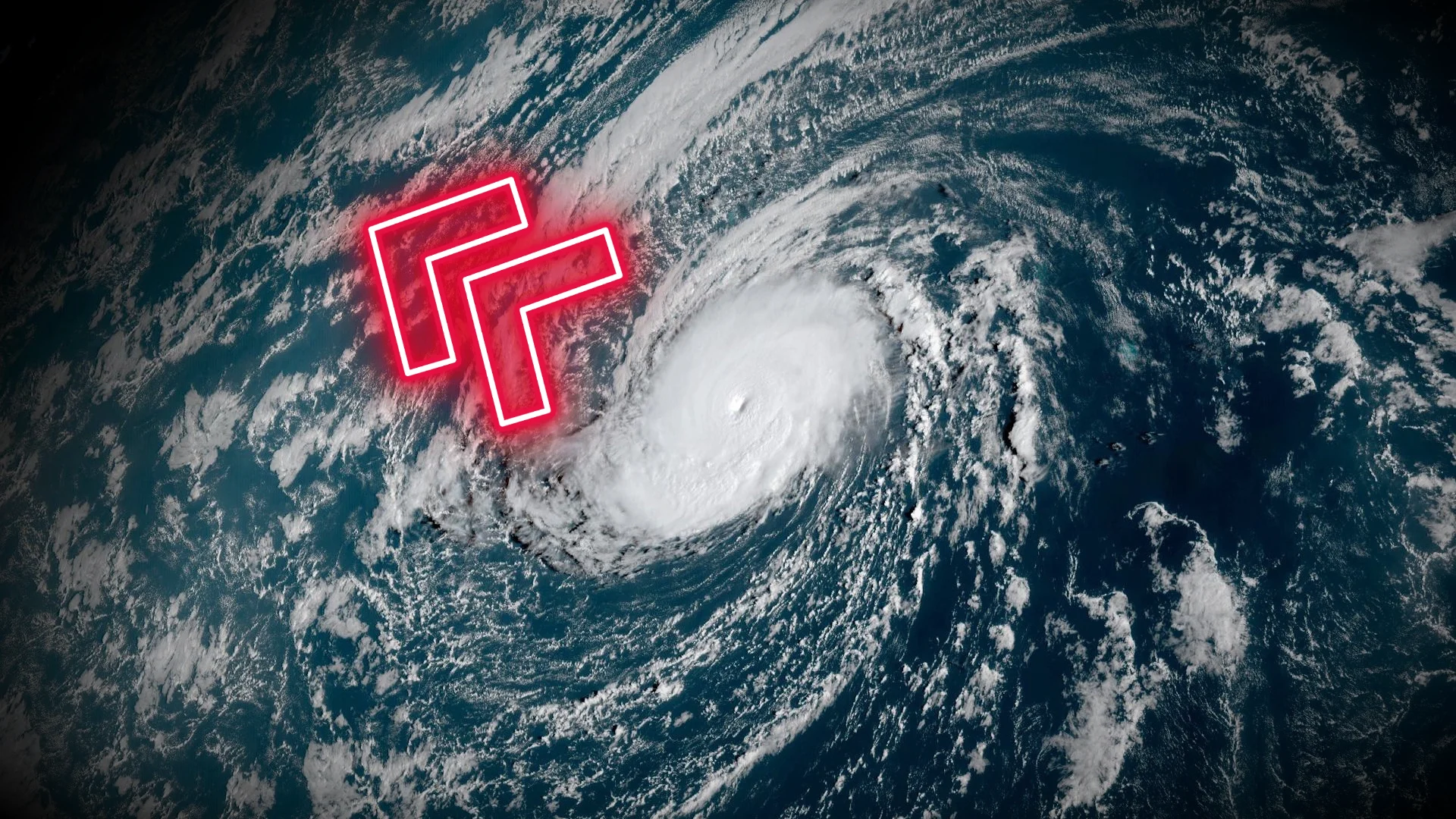
A rare feat, Hurricane Nolo will soon transition into a typhoon

The system is entering its third week of life as it churns across the Pacific Ocean
Hurricane Nolo is the storm that just won’t quit.
The powerful storm found new life this weekend, and it’s on its way to a relatively rare transition from a hurricane to a typhoon by Sunday.
DON’T MISS: What’s the difference between hurricanes, typhoons, and cyclones?
The hurricane that just keeps going
Hurricane Nolo is in its third week of life this weekend as it spins across the Pacific Ocean. This level of longevity is rare for any storm, let alone one with such an unusual trajectory.
The storm grew into a Category 4 as it brought heavy rain and blustery conditions to parts of Hawaii last weekend. Parts of the Big Island saw more than 350 mm of rain from the storm, which caused additional flooding across areas still recovering from Hurricane Lala earlier this summer.
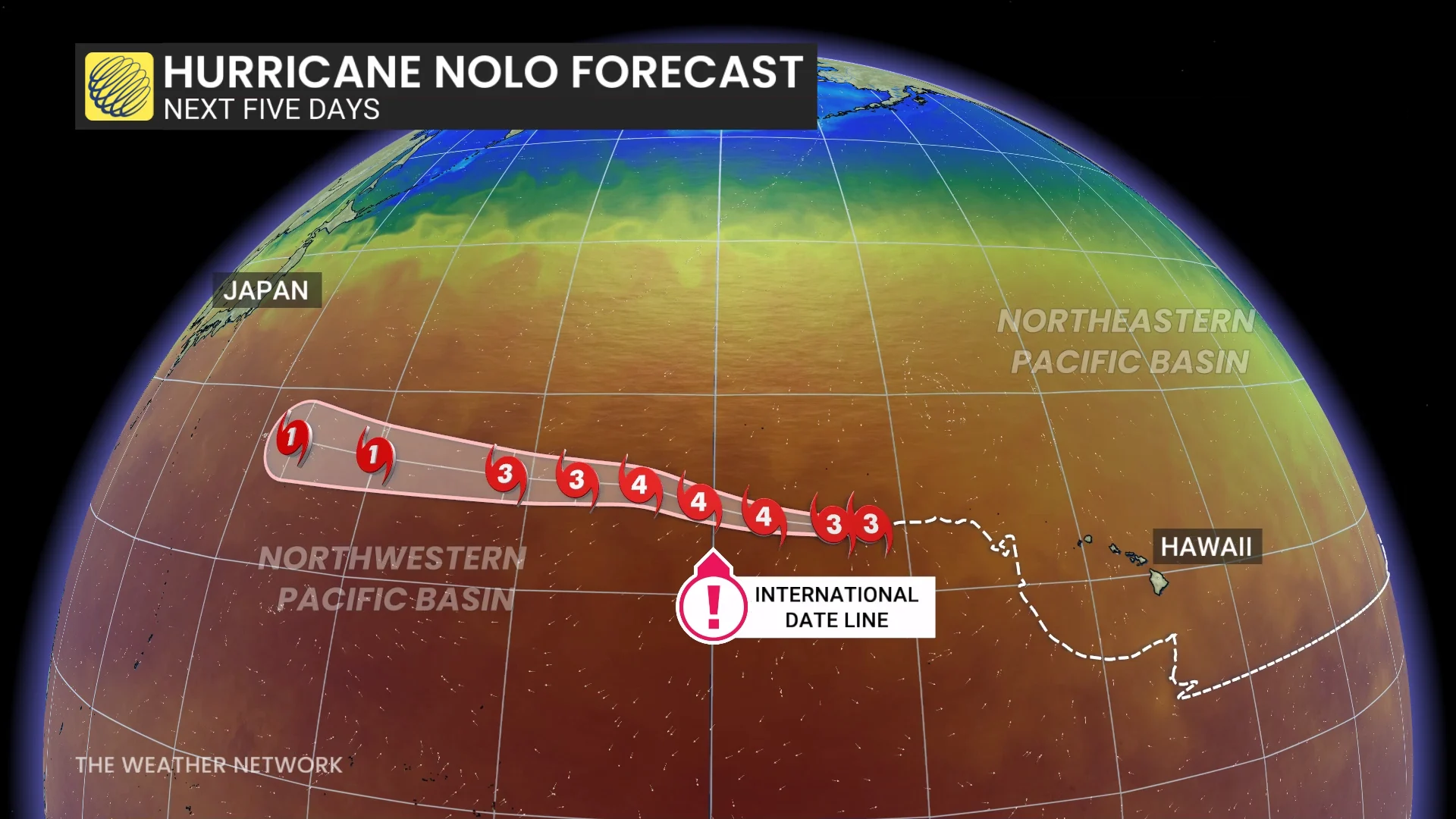
After weakening to a tropical storm this past week, Nolo caught a second wind and quickly intensified back to a major hurricane on Saturday. The storm is expected to strengthen further over the next few days as it heads west.
Nolo set to become a typhoon
On its current path, Hurricane Nolo will soon cross the International Date Line and become Typhoon Nolo from that point on.
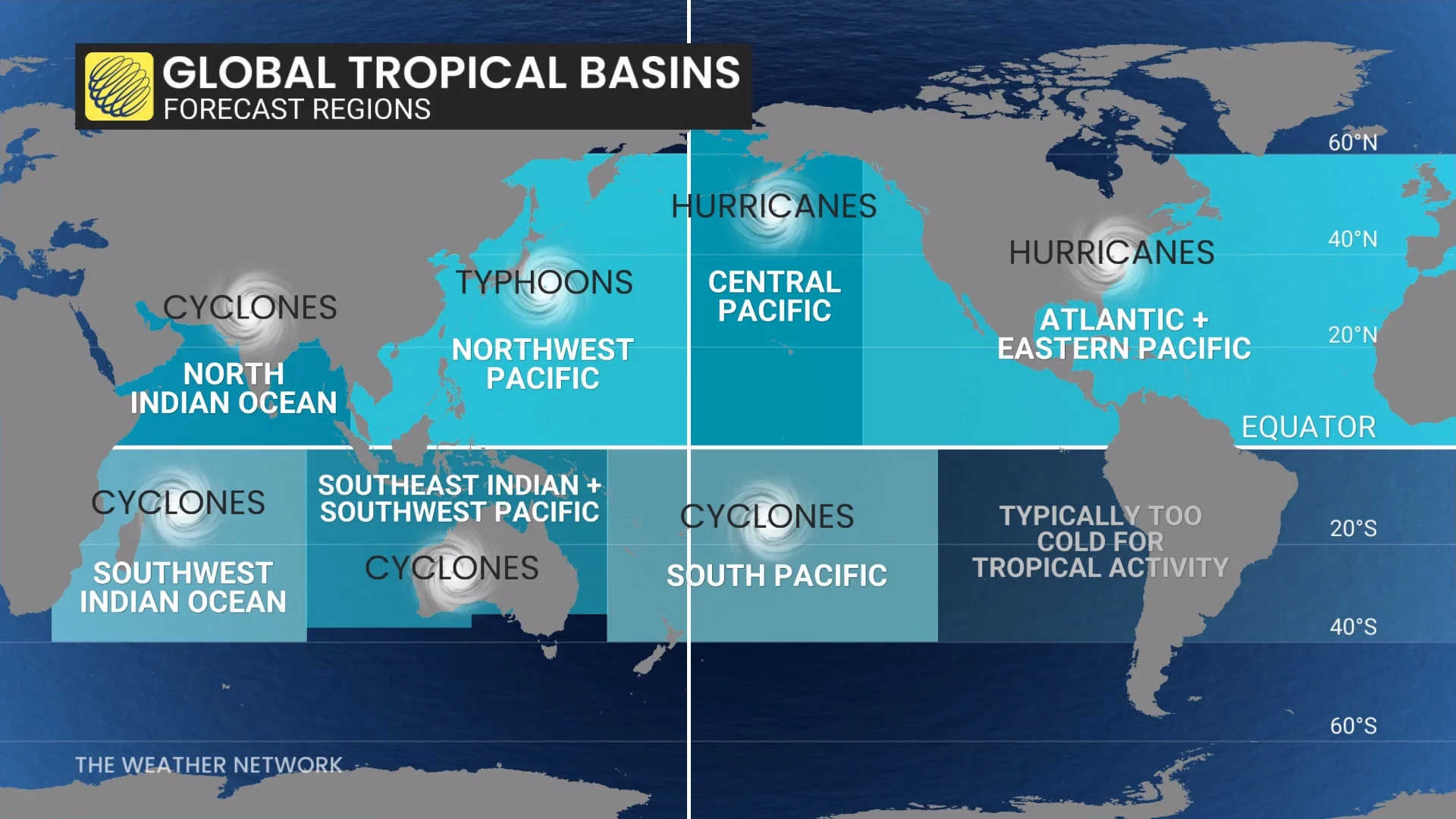
Tropical cyclones in the central Pacific Ocean move west and cross 180° longitude every couple of years. This line marks the official boundary between the northeastern and northwestern Pacific basins.
Nothing changes about the storm itself once it crosses this imaginary line, of course. But the bureaucracy of weather forecasting changes the storm’s designation from “hurricane” to “typhoon.”
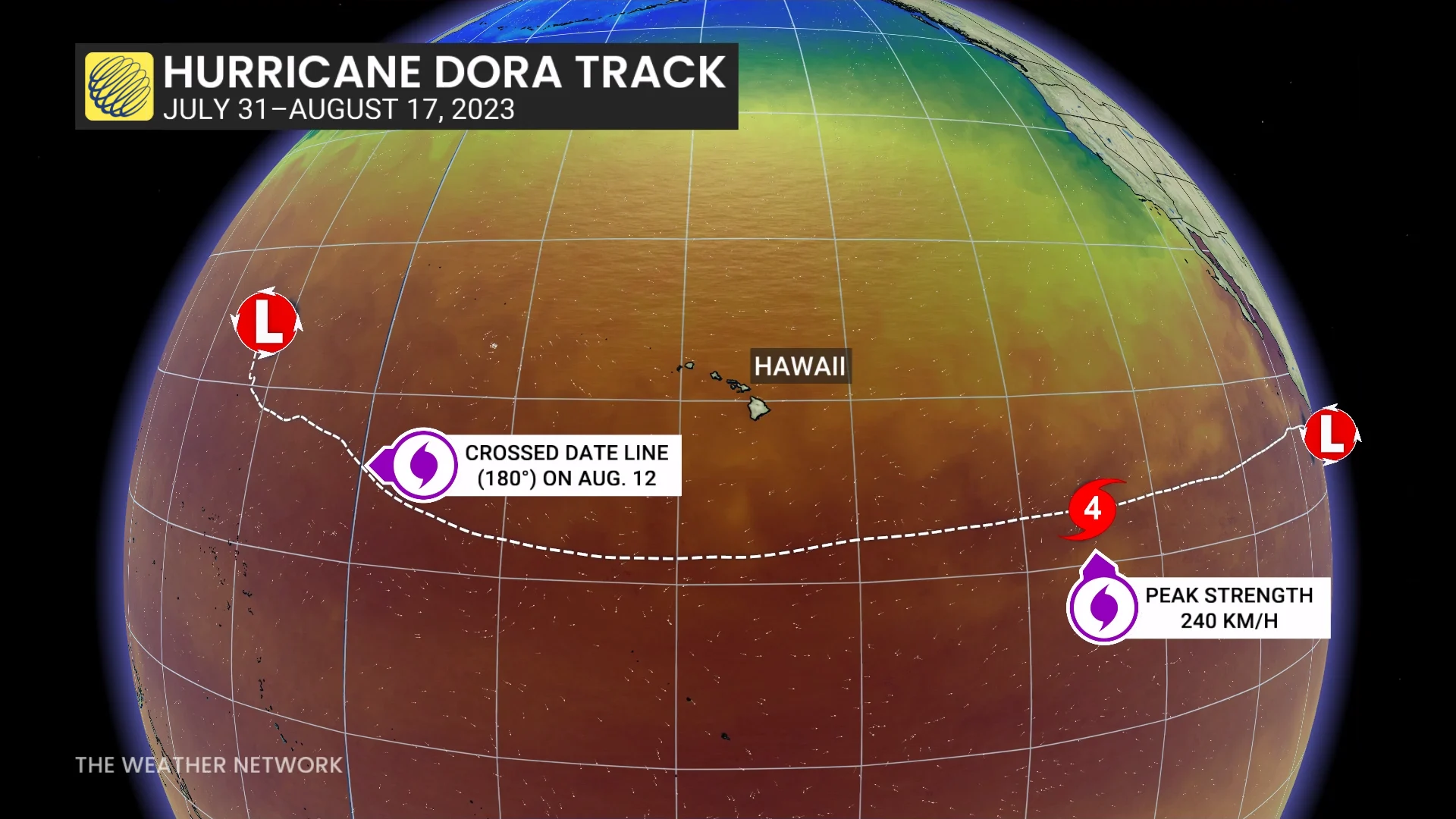
It’s been three years since we’ve seen a hurricane transition into a typhoon.
Hurricane Dora formed off the coast of Mexico in late-July 2023, intensifying into a Category 4 storm as it passed far south of Hawaii. The system continued over the International Date Line and eventually fizzled out east of Japan.