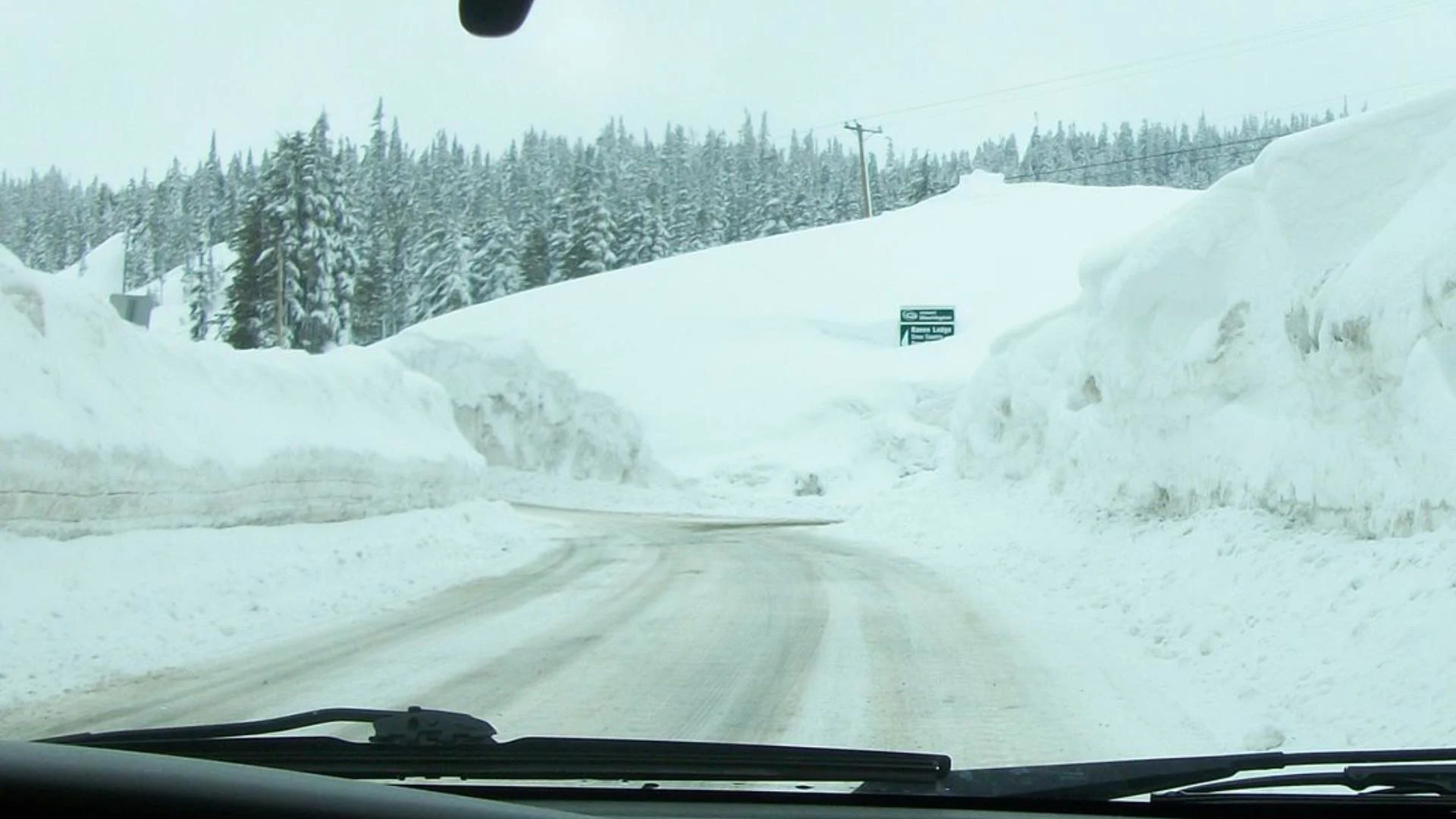
10 years later: The intense La Niña that buried a Canadian ski resort

A ski resort on Vancouver Island faced over seven metres of snow during a powerful La Niña in early 2011
Let's look back at one of the largest snowbases in Canadian history that was fueled by a powerful La Niña, which NASA’s Jet Propulsion Laboratory says is the strongest that has occurred in the 21st century.
A powerful La Niña roared to life at the end of 2010 and its impacts spilled well past the Pacific Ocean’s equatorial waters and arrived right on time for the peak of the Pacific Northwest’s skiing season.
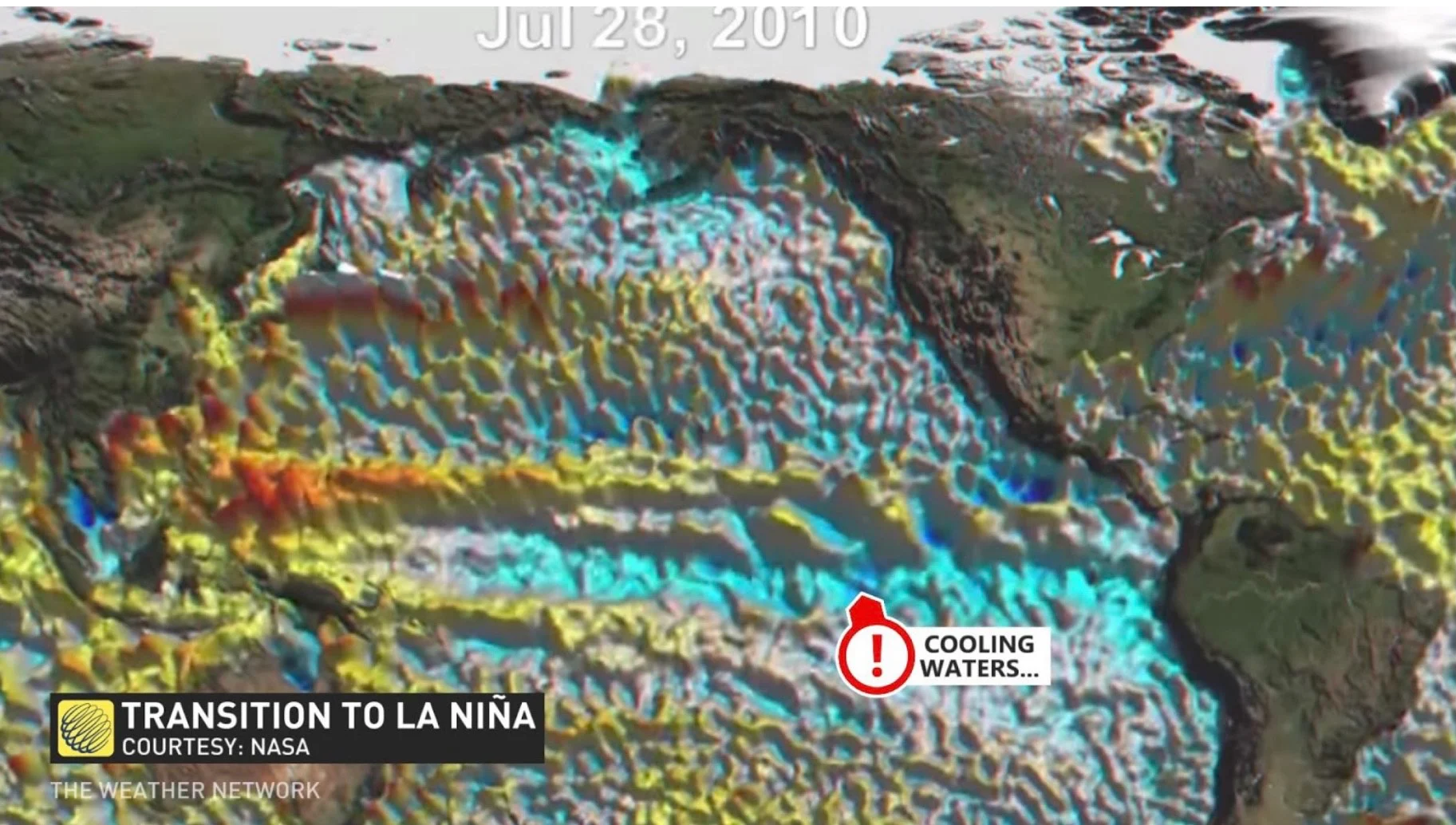
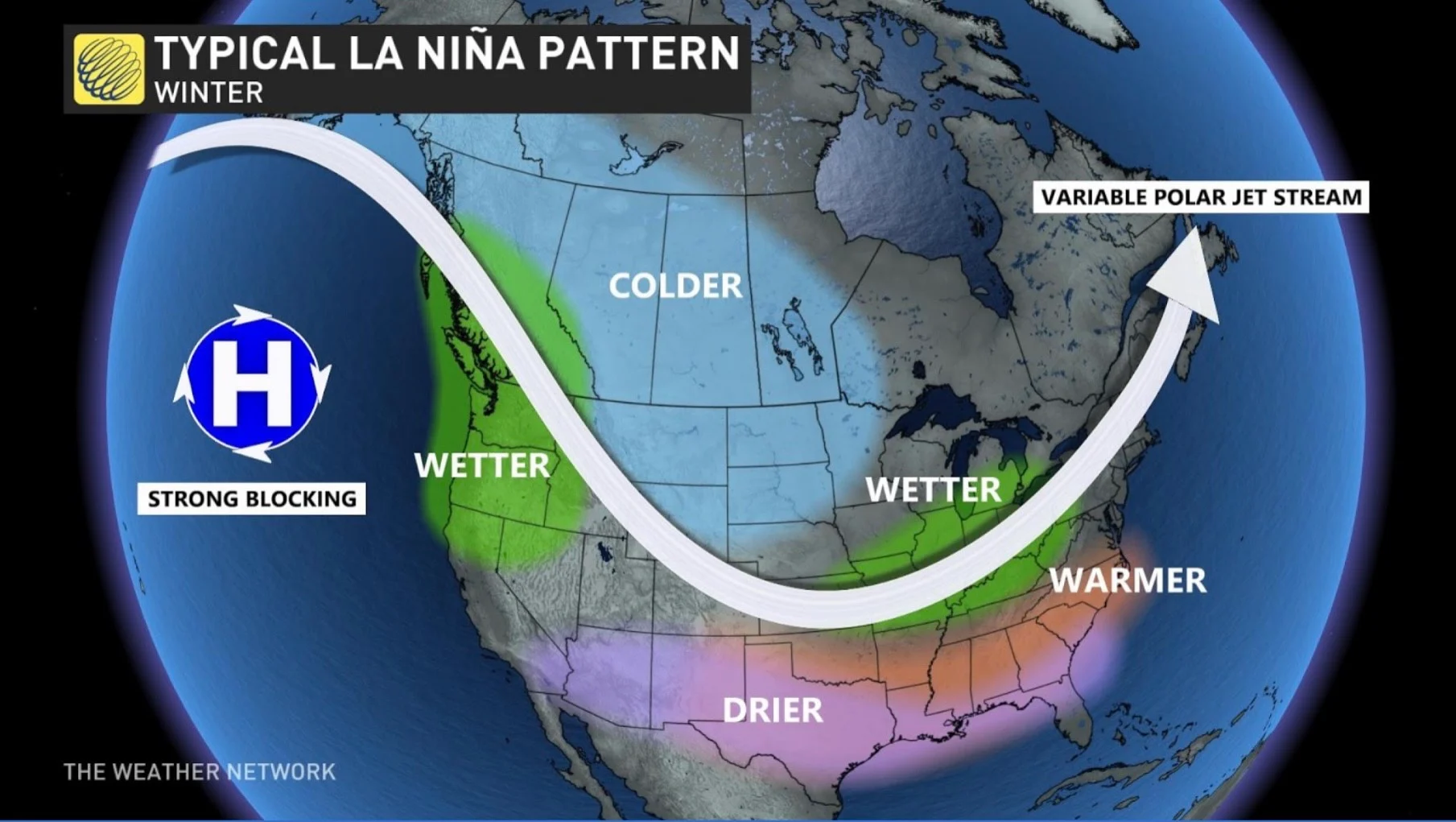
La Niña’s cold water dominated the weather patterns in the Pacific Northwest. The atmosphere during a La Niña often configures itself to allow more frequent Arctic air intrusions with lower freezing levels in the alpine. An active Pacific jet stream from the northwest aimed towards the British Columbia coast often delivers extreme snowfall. During strong La Niñas, 20-30 per cent above normal snowfall has been observed in southwestern British Columbia
The correlation between bouts of heavy snow in the alpine often rings true during La Niña conditions, but the near-continuous storm track broke snowpack records for Vancouver Island.
By mid-March 2011, Mount Washington Alpine Resort on Vancouver Island was buried in over 700 cm of snow. For reference, as of March 14th, 2021, there's currently 365 cm accumulated as a snowbase.
With La Niña peaking in the fall of 2010, the mountain had a record-breaking 500 cm snowpack by late-December due to the continuous onslaught of Pacific storms. That's over the height of one adult giraffe in December snowfall alone!
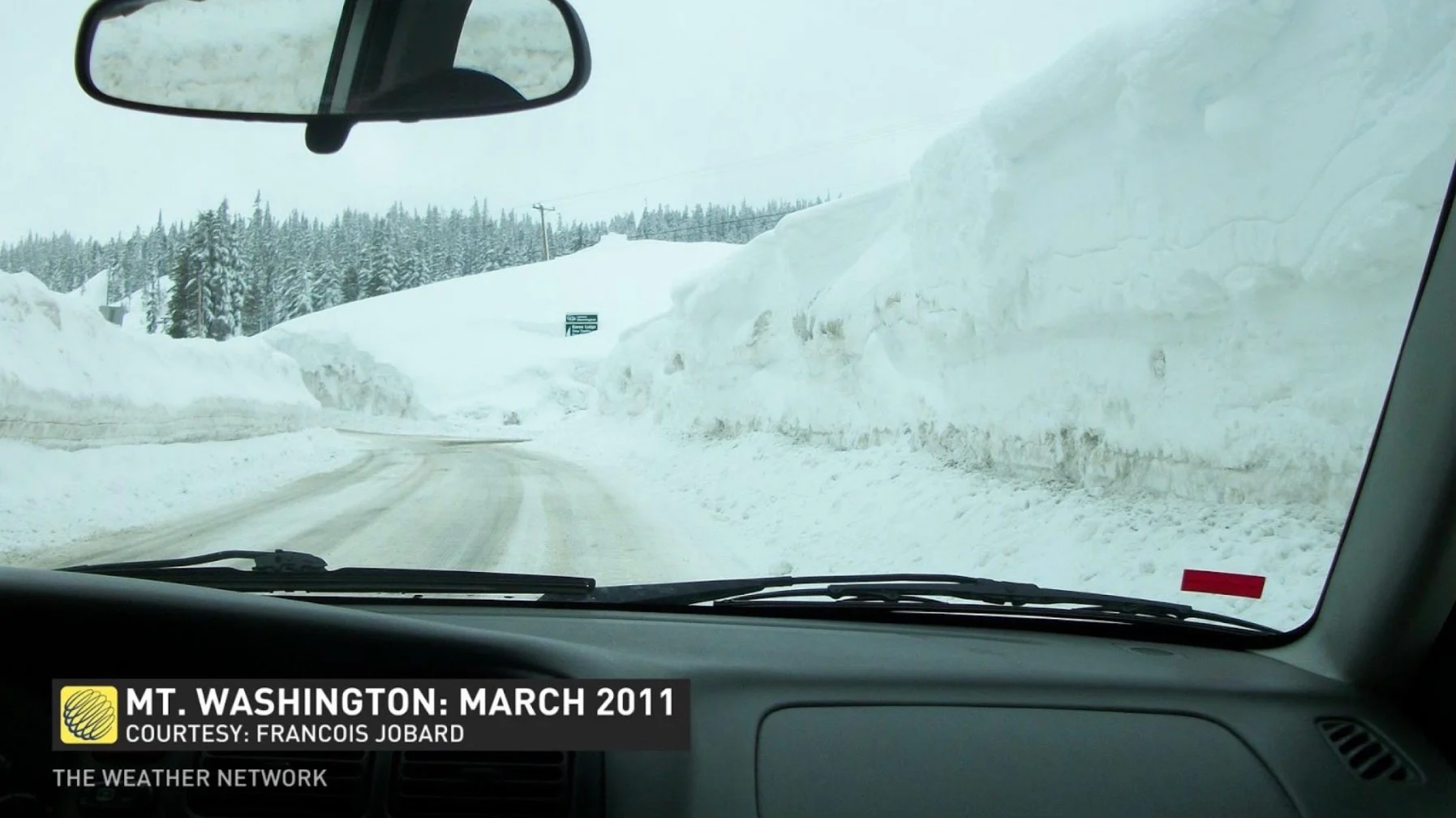
In just over one week near the end of December 2010, almost 400 cm of snowfall occurred with an incomprehensible 150 cm falling in just 12 hours. By March 2011, it looked like a scene straight out of Frappe Snowland on Mario Kart.
The usual towering chairlifts above the ground shrunk to be mere centimetres above the snow. Crews worked tirelessly during this historical snow season to keep the chairlifts operating above the ever-growing snowdrifts.
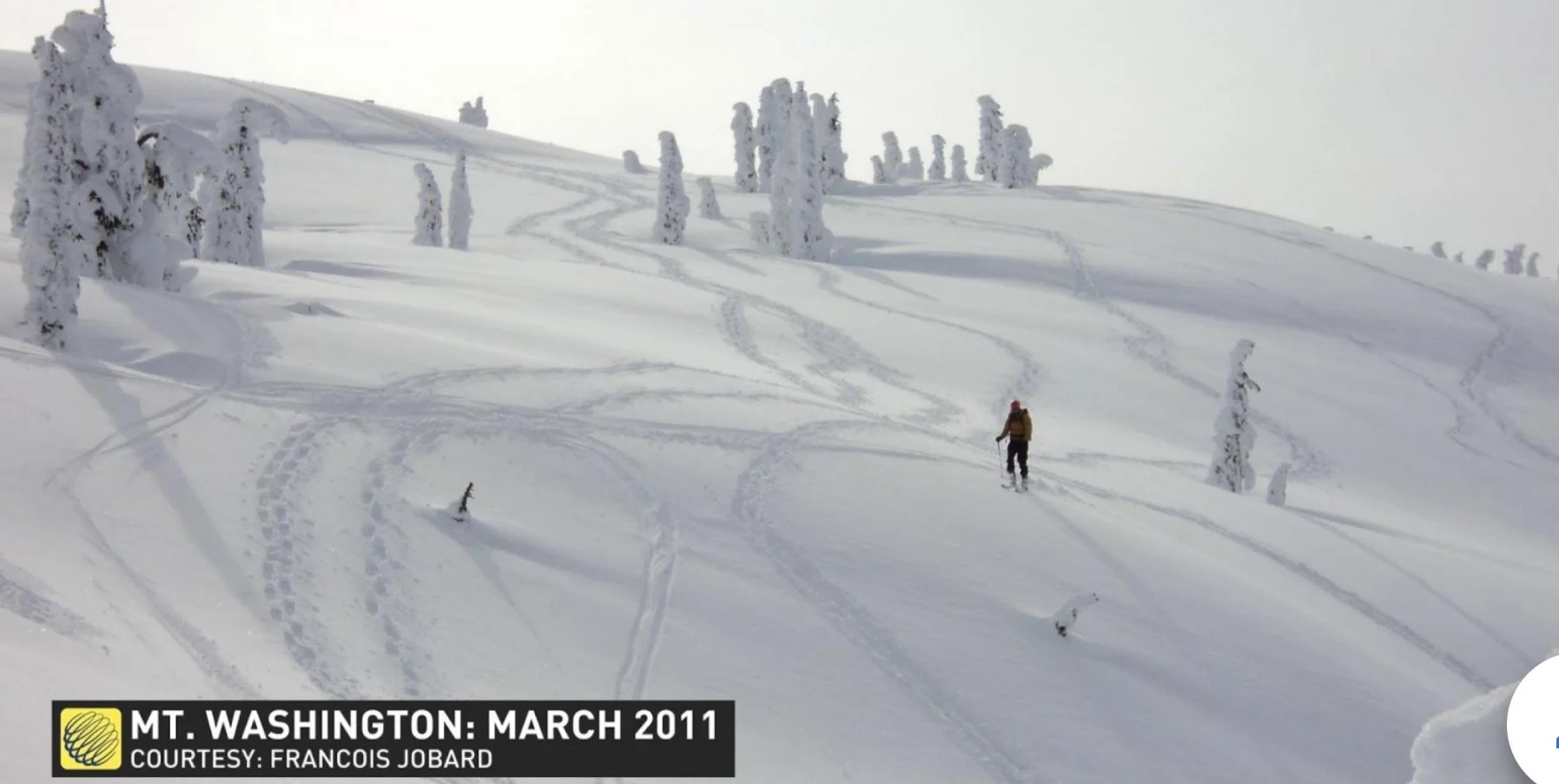
As you might imagine, a snowpack of this magnitude took a little extra time to completely melt. This allowed for some rare summer skiing in June and it was an unusual treat for those that celebrated Father's Day on the slopes.
Thumbnail credit: Francois Jobard