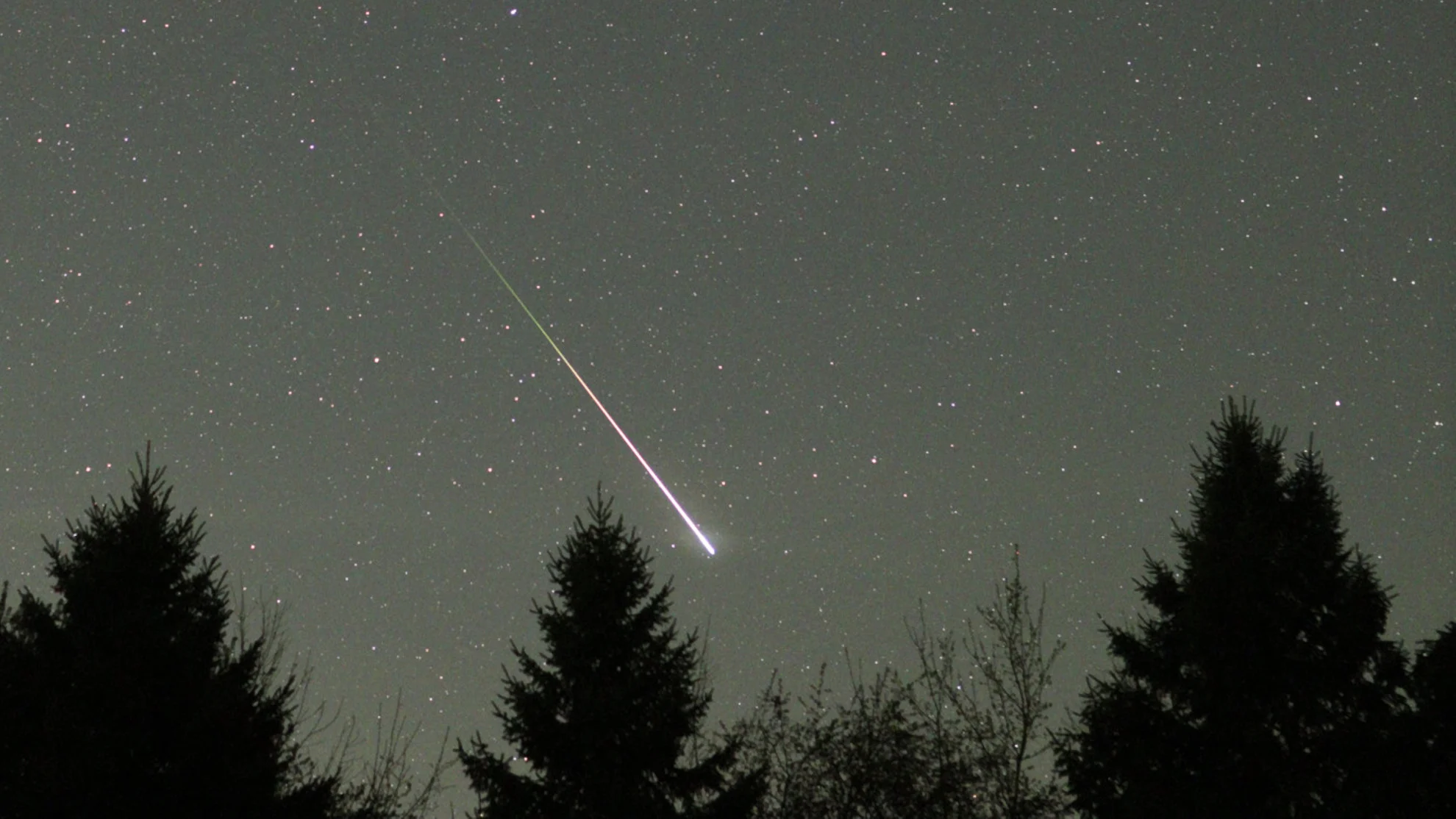
Amazing fireballs captured during the Lyrids, the oldest meteor shower on record

There's still time to spy more of these bright meteors flashing through the sky.
Over the past week or so, witnesses have been submitting amazing images and videos of fireballs that may be tied to the annual Lyrid meteor shower, and there's likely still more to come!
The Lyrid meteor shower is a celestial event that occurs between the middle and end of April, each year. Brought to us by an ancient comet, discovered 165 years ago, named C/1861 G1 (Thatcher), humans have been observing the meteor shower itself for far, far longer. The oldest records of it go back to over 2,700 years ago!
Perhaps the most spectacular sight to see from the Lyrids is the numerous fireball meteors that it sends blazing across our skies.
While there's typically only a few sightings in the first week or so of the shower, that doesn't mean that they get missed. The two examples below were caught by cameras within the first couple of days of the Lyrids.
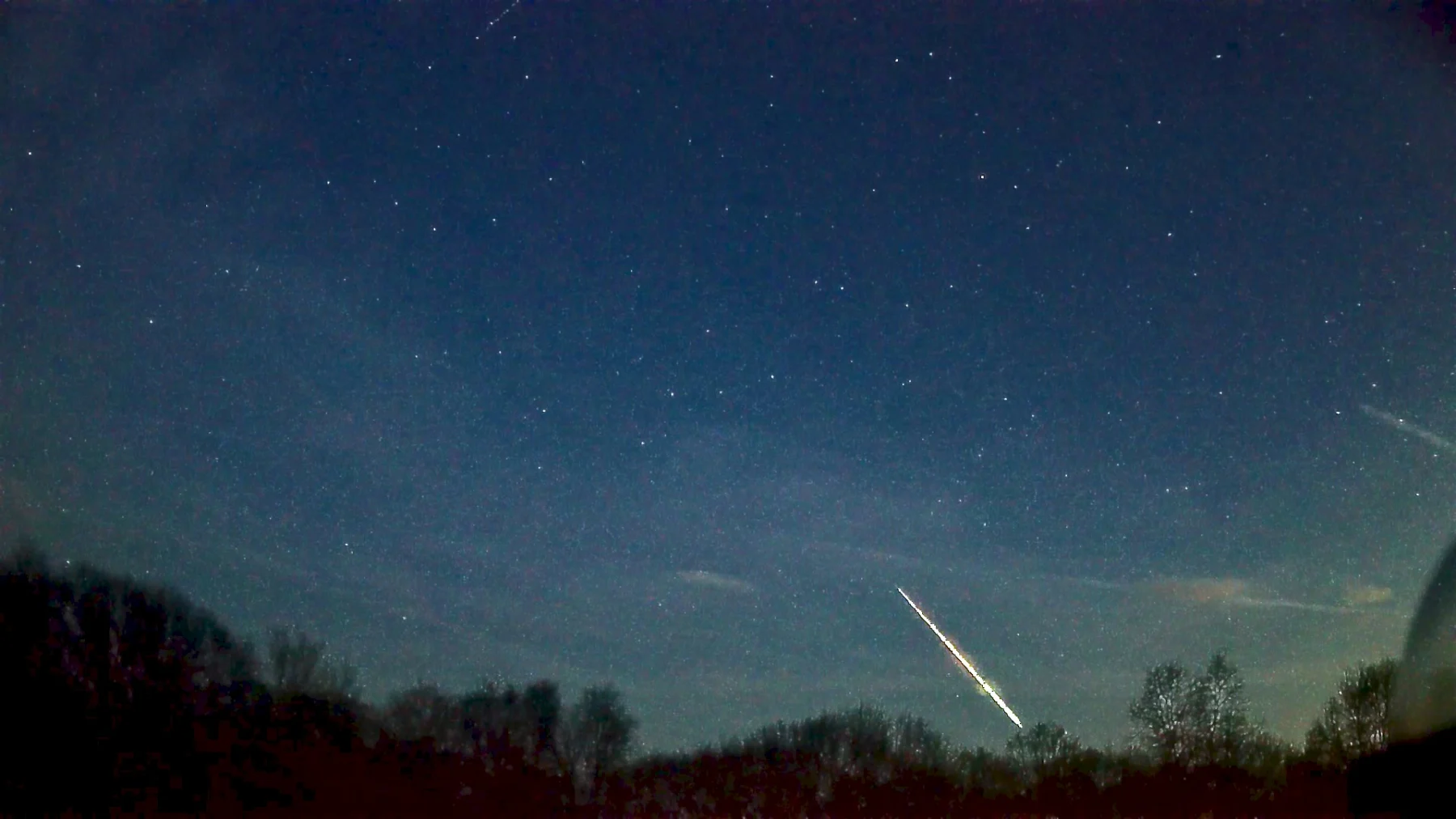
A bright meteor fireball (lower right of centre) is captured on a camera above North Branford, Connecticut, on April 14, 2026. (Mark Kirschner/AMS)
DON'T MISS: With so many bright fireball meteors lately, what's going on?
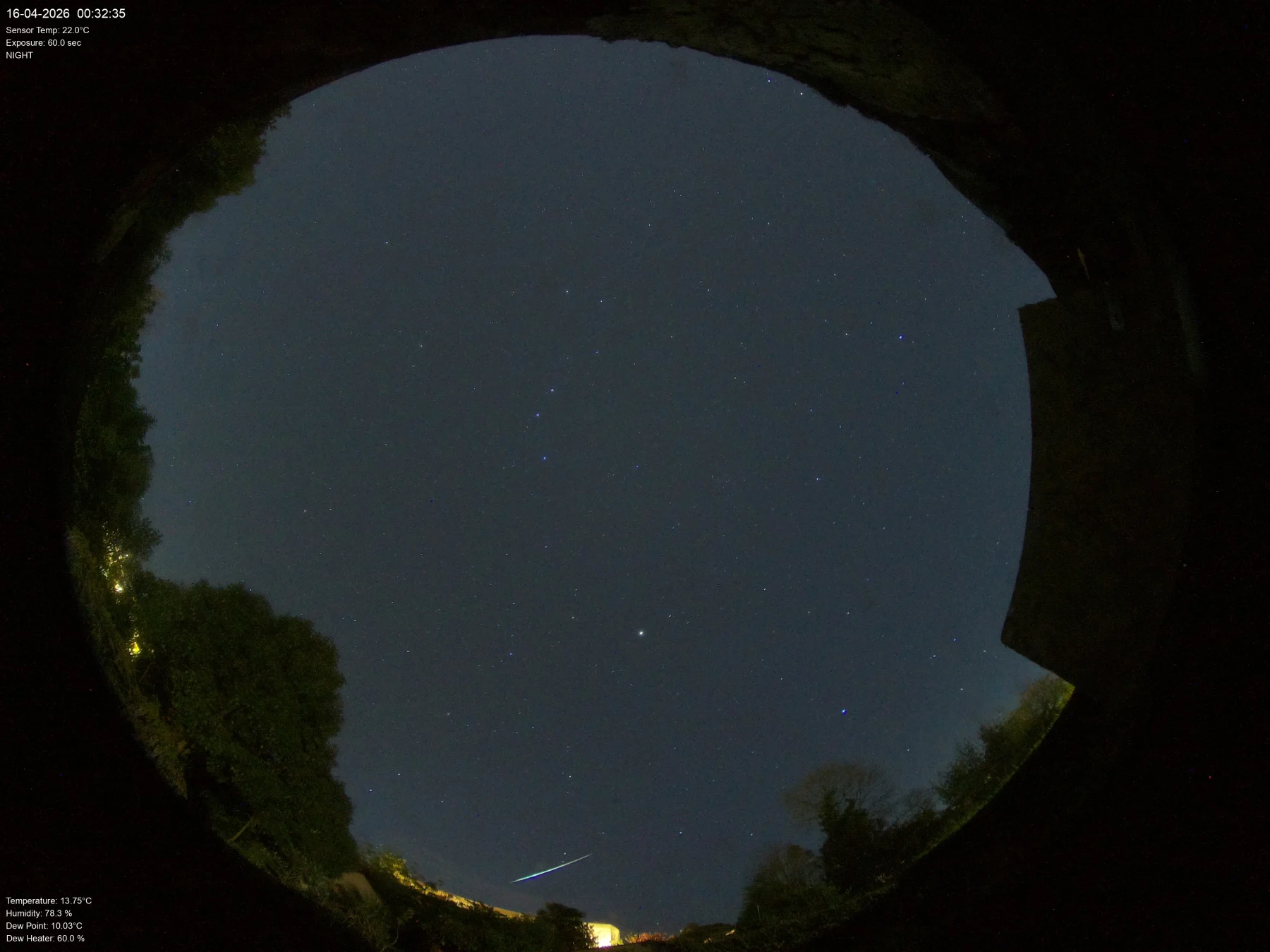
An all-sky camera in Montauban, France, captured this image of a multicoloured meteor fireball to the south, on April 16, 2026. (Grégory K., courtesy the AMS website)
And these sightings really start to add up around the Lyrids' April 22-23 peak!
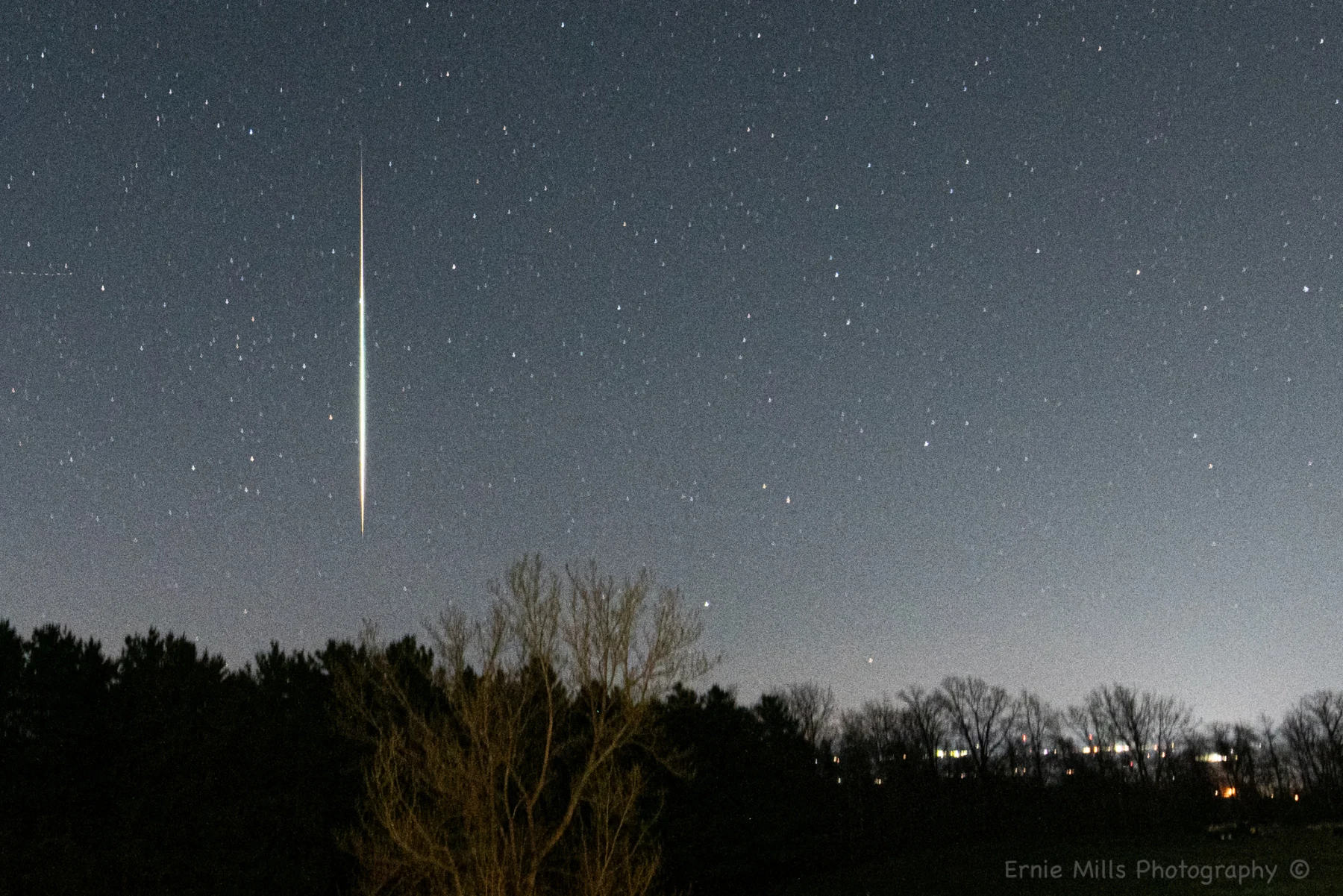
Captured from Chittenango, NY, near Syracuse, this exceptional fireball pierces straight through the local light pollution in this image captured on April 20, 2026. (Ernie Mills, courtesy the AMS website)
Watch below: Mark Kirschner, who captured the April 14 fireball, above, also caught this video of another bright meteor on the night of the 20th.
READ MORE: How to get the most out of meteor showers and other night sky events
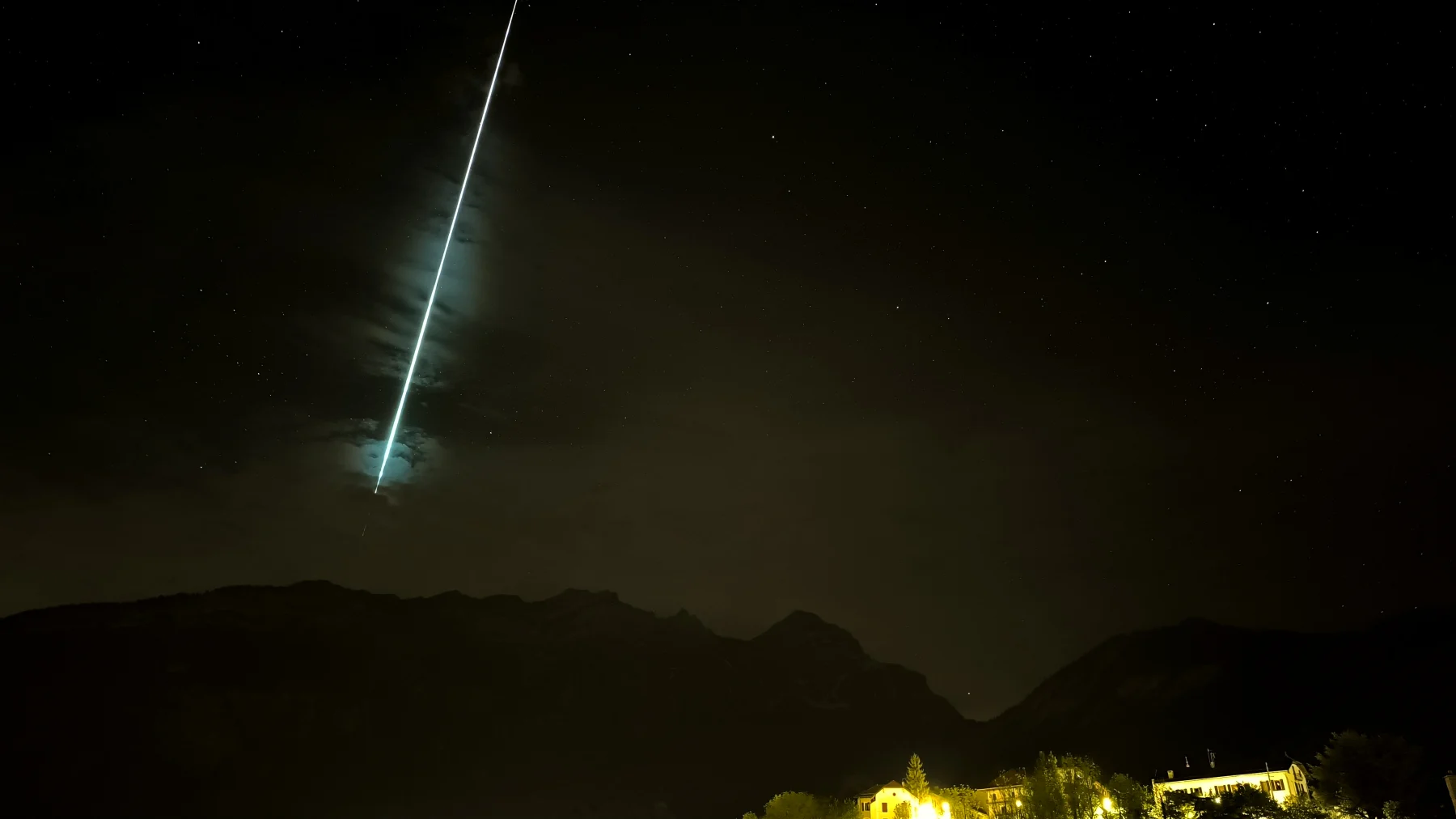
This spectacularly long fireball was captured from Ugine, France, on April 21, 2026. (Michel C., courtesy the AMS website)

This beautiful fireball was captured near Waseca, Minnesota, on April 22, 2026, at 2:24 a.m. CDT. (Eric S., courtesy the AMS website)
Note: Although these fireballs occurred during the Lyrids, our planet also sweeps up around 10 metric tons of random space dust and meteoroids every night. So, although the timing is right for these to represent bits of Comet Thatcher blazing across the sky, it is possible that one or more are unrelated to this meteor shower.
Keep watching!
Even though we're now past the Lyrids peak, there's still another week to go for this meteor shower!
That means we'll see fewer and fewer meteors throughout the night — maybe down to around 10 per hour for the 23rd and 24th, then reduced to more like 5 per hour the few nights after that, and to just a couple per hour to finish off the month of April.
Meanwhile, for those observing in the hours before morning twilight, also keep a lookout for meteors streaming out of the constellation Aquarius. The eta Aquariid meteor shower, which originates from Comet Halley, began around April 19, and will reach its peak on the morning of May 6.
For more fireball events, or to report a fireball sighting of your own, head to the American Meteor Society website.