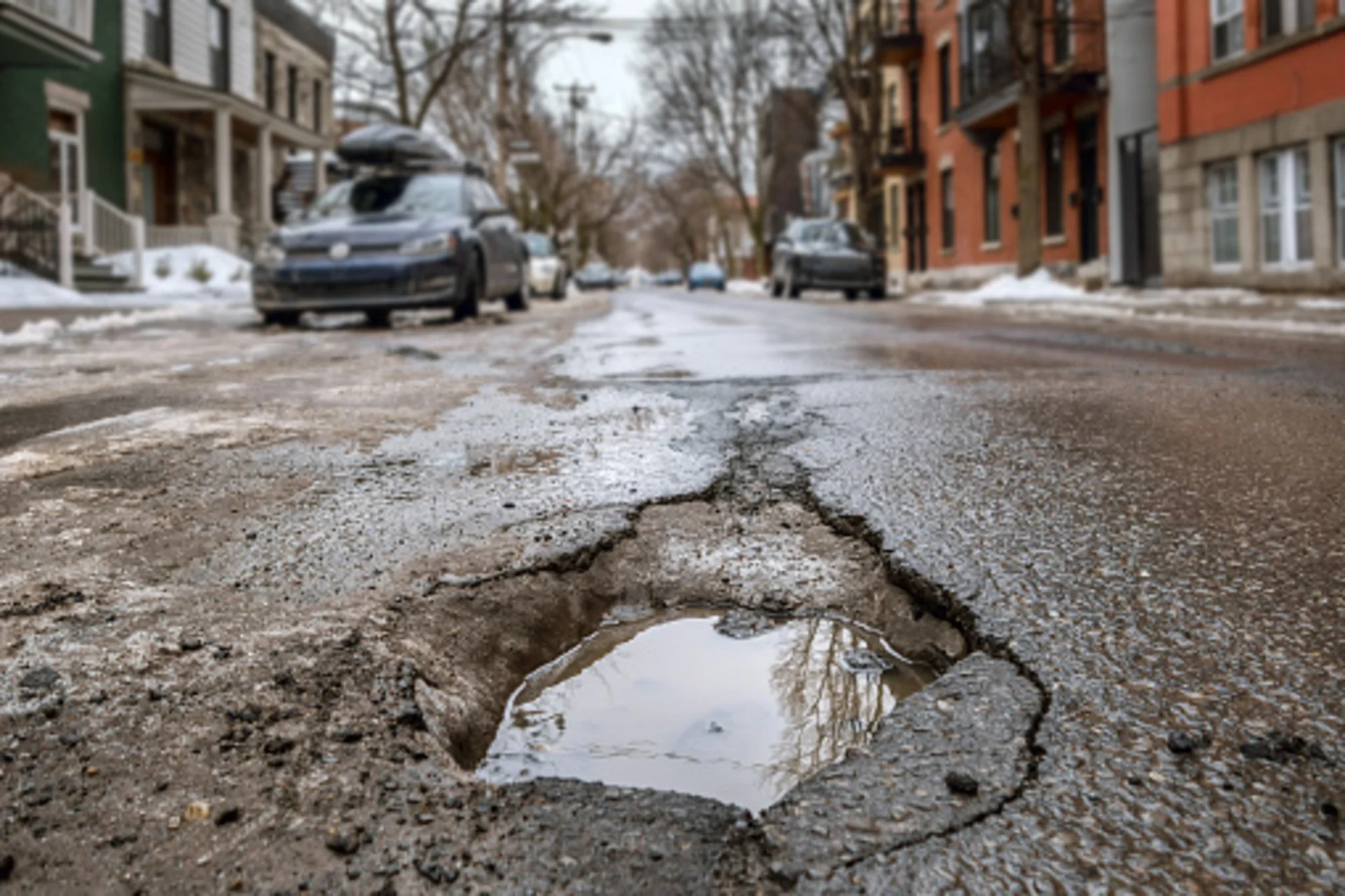
Mind the bumps: Pothole season has arrived

At this time of year, the freeze-thaw cycle can wreak havoc on our roads, causing more potholes to form
It's that time of year in Canada: car trap season.
You're driving along in a car when you feel an unmistakable jolt. You've hit a pothole.
It's a common occurrence across Canada in the winter and spring, due to numerous freeze-thaw cycles.

The freeze-thaw cycle. (Cheryl Santa Maria/Canva)
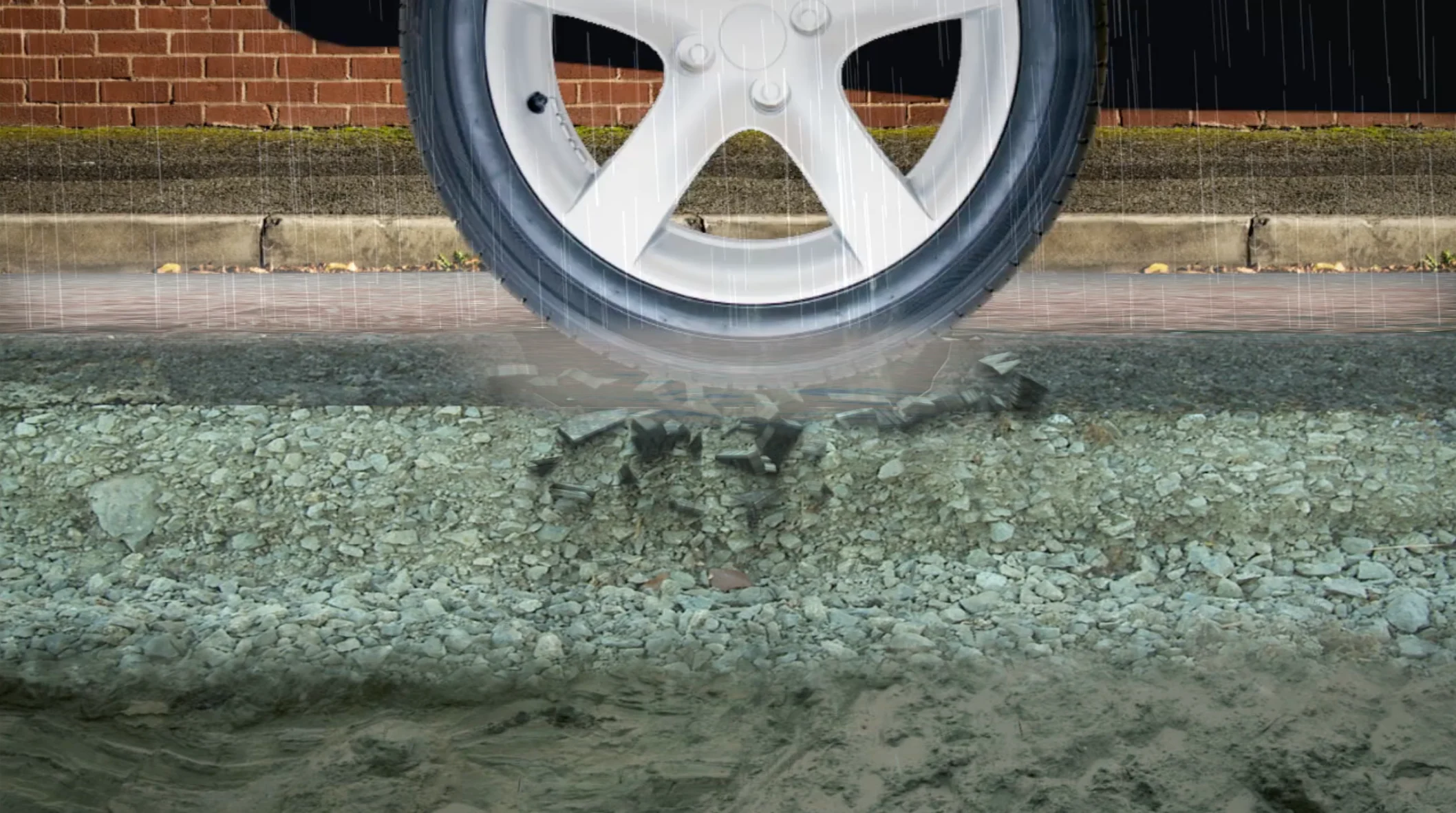
When water freezes, it expands and takes up more space, causing the pavement around it to expand while causing holes and cracks beneath the surface.
When the ice melts, the pavement contracts, and water gets trapped inside the holes, weakening the integrity of the road.
It eventually gives way in the form of a pothole after enough heavy cars and trucks have driven over vulnerable spots.
So you've hit a bump, and now your car has sustained damage
As cautious as you're being, some potholes are unavoidable.
If your car sustains damages from a pothole, the first step is to make sure you're a safe distance from oncoming traffic before exiting your vehicle and assessing the damage. If the car is inoperable, call for roadside assistance.
Don't forget to check your city or town's website to see if it will cover the repairs.
DON'T MISS: Winter is over, but spring means vital vehicle maintenance
If you have potholes in your area, contact city officials and be patient, because winter and spring weather can delay road repair, as well.
Potholes need to be fairly dry to be patched up, and freezing temperatures can make the process difficult because asphalt needs to be hot to when it's applied to the road.
To learn more about how potholes develop, watch the video above.
(Header image courtesy of MarcBruxelle via Getty Images)