Sleep and weather myths: Can our meteorologists separate fact from fiction?

Our team knows everything about the weather, but can our meteorologists spot a fact or a myth when it comes to seasonal changes and our sleep? Here are their responses
Our team knows everything about the weather, but can they spot a fact or a myth when it comes to seasonal changes and our sleep?
Editor's note: We asked a select few on The Weather Network team: Meteorologists Nadine Hinds-Powell, Nicole Kardic and Chris Murphy. A certified sleep coach also chimed in with expert responses.
No.1: Sleeping hot is only a summer problem.
Hinds-Powell: False.
Kardic: No!
That is false. Sleeping hot is a year-round problem. A recent study from Endy confirmed that 53 per cent of Canadians are waking up too warm on a weekly basis.

(Andrii Lysenko/Getty Images)
Talia Shapero, a certified sleep coach, said 29 per cent of study respondents indicated overheating is happening every night.
"Make sure to crack open a window [and] lower your thermostat to help your body cool down," said Shapero.
No. 2: A warm shower before bed helps your body cool down.
Hinds-Powell: True
Kardic: Yes
Murphy: True-ish!

(Getty Images)
"Fact! This may sound counterintuitive, but having a warm shower or bath one to two hours before bedtime can actually help increase blood flow towards [the] skin, helping your body get rid of heat faster as you transition to sleep," said Shapero.
No.3: Cold weather automatically means you will have a better sleep?
Kardic: Yes!
Hinds-Powell: False
Murphy: True!
"This is a myth! It's not all about temperature. That's one factor. We want to be thinking about humidity, airflow and your microclimate. So, that includes anything that is immediately surrounding your body. Your bedding, your mattress, your sleep-wear. Even in cold weather these things can trap heat," said Shapero.

(Getty Images)
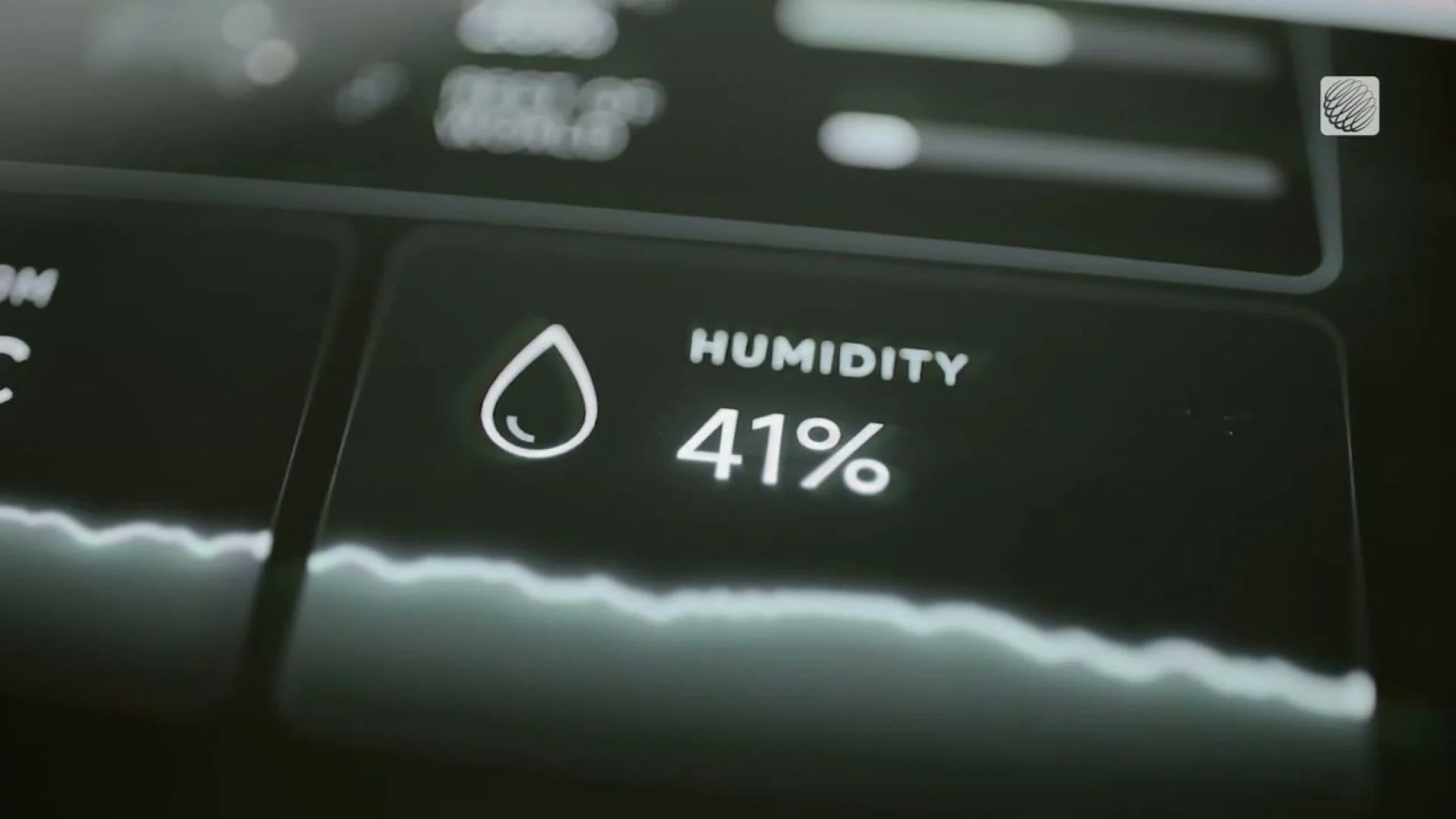
No.4: Humidity affects how hot you get while you sleep! It's not just the temperature.
Murphy: True
Hinds-Powell: True
Kardic: I don't know
This one is true! When the air is humid, our sweat does not evaporate as effectively--leaving you too warm and possibly waking up more.
"Having a dehumidifier or cranking up the aircon may help remove some of that humidity from your bedroom," said Shapero.
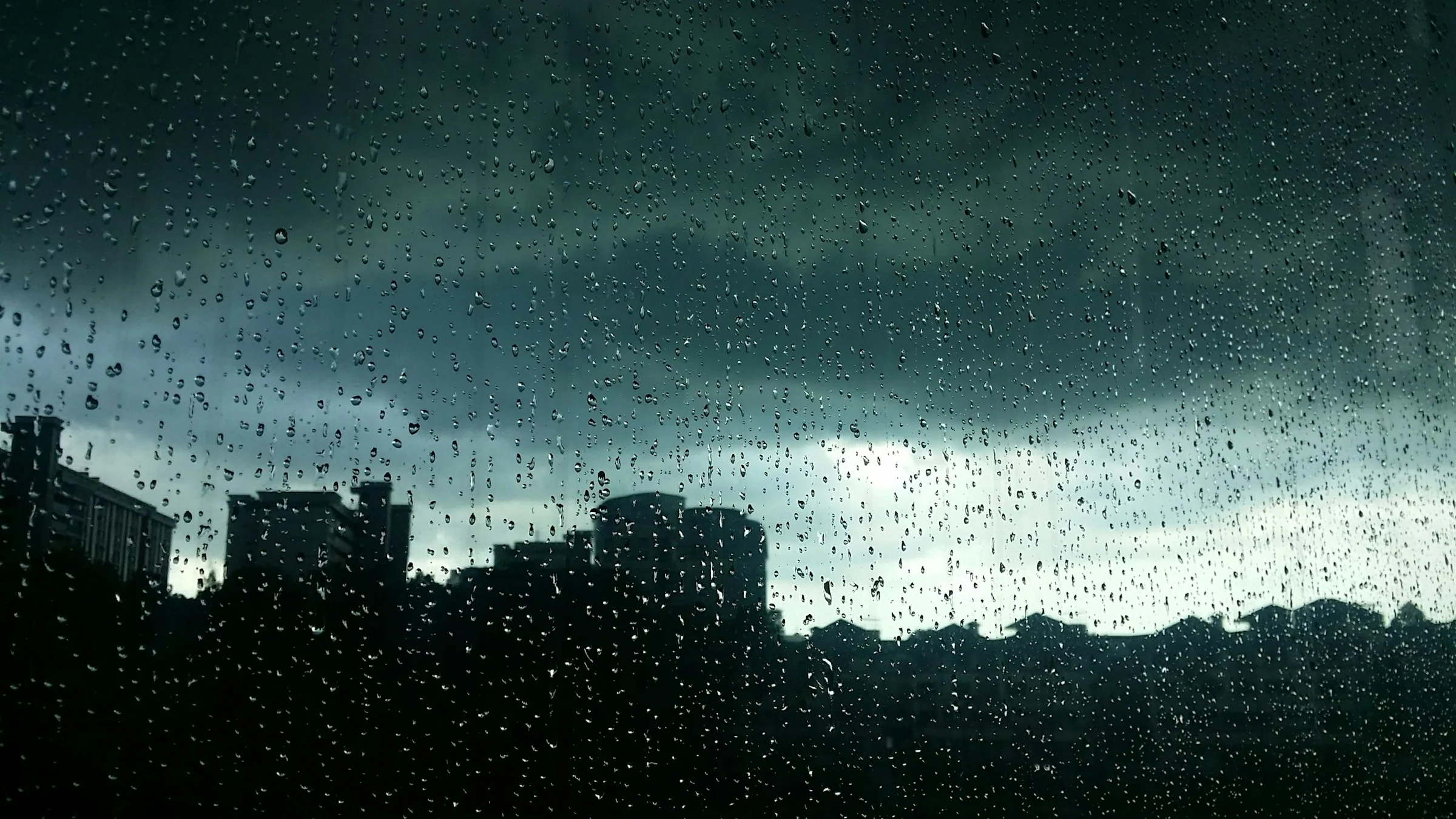
No. 5: Feeling slow or tired on a rainy day can affect your sleep at night.

(Nathan Coleman/The Weather Network)
Kardic: Absolutely
Hinds-Powell: False
Murphy: I'll say false
That is a myth! Feeling tired on a rainy day won't disrupt your sleep at night, but it can play with your circadian rhythm.
"You are not going to be more tired because of a rainy day. However, if it's raining and you are not motivated to get outside, then you are not getting that important light signal that you need that does influence your circadian rhythm, which does influence the timing of your sleep," said Shapero.
(Unsplash)
The perfect sleeping temperature is around 15 C to 20 C, and the ideal humidity should be about 40 per cent. Once that is all set, it’s time to say goodnight.
Thumbnail courtesy of Videoblocks.