B.C.'s unique tug-of-war: Blue skies to orange haze in mere hours

Have you ever wondered why one city might be basking under bright blue skies while a community just thirty kilometres away is blanketed in deep orange haze? The Weather Network's Mia Gordon explains.
Every summer, British Columbia faces the challenge of extreme wildfires. Along with the flames come smoky skies and poor air quality. But have you ever wondered why one city might be basking under bright blue skies while a community just thirty kilometres away is blanketed in deep orange haze? Or why does it feel crisp and clear during breakfast, only for thick smoke to roll in by the afternoon? The Pacific Ocean is responsible for this phenomenon.
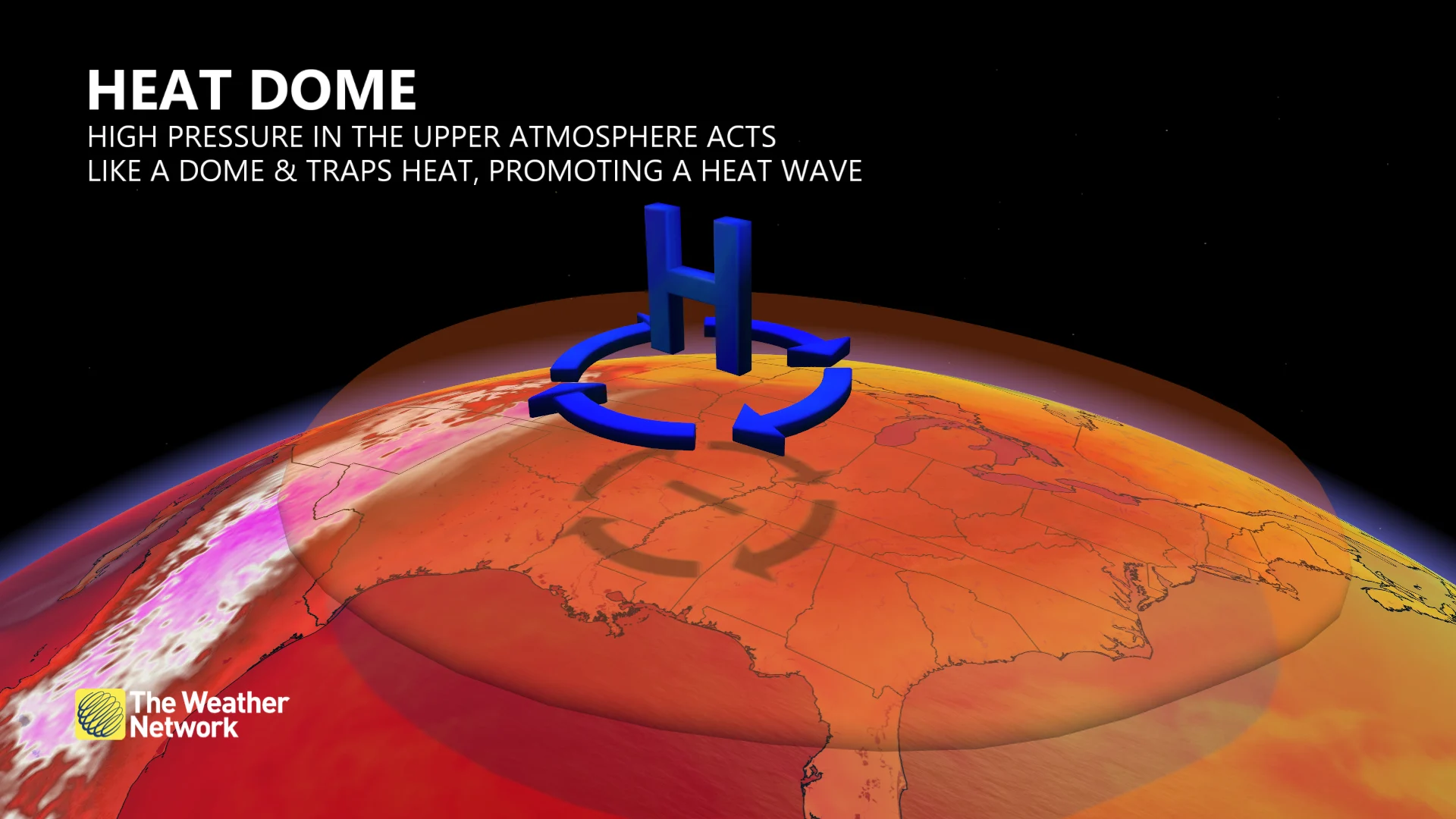
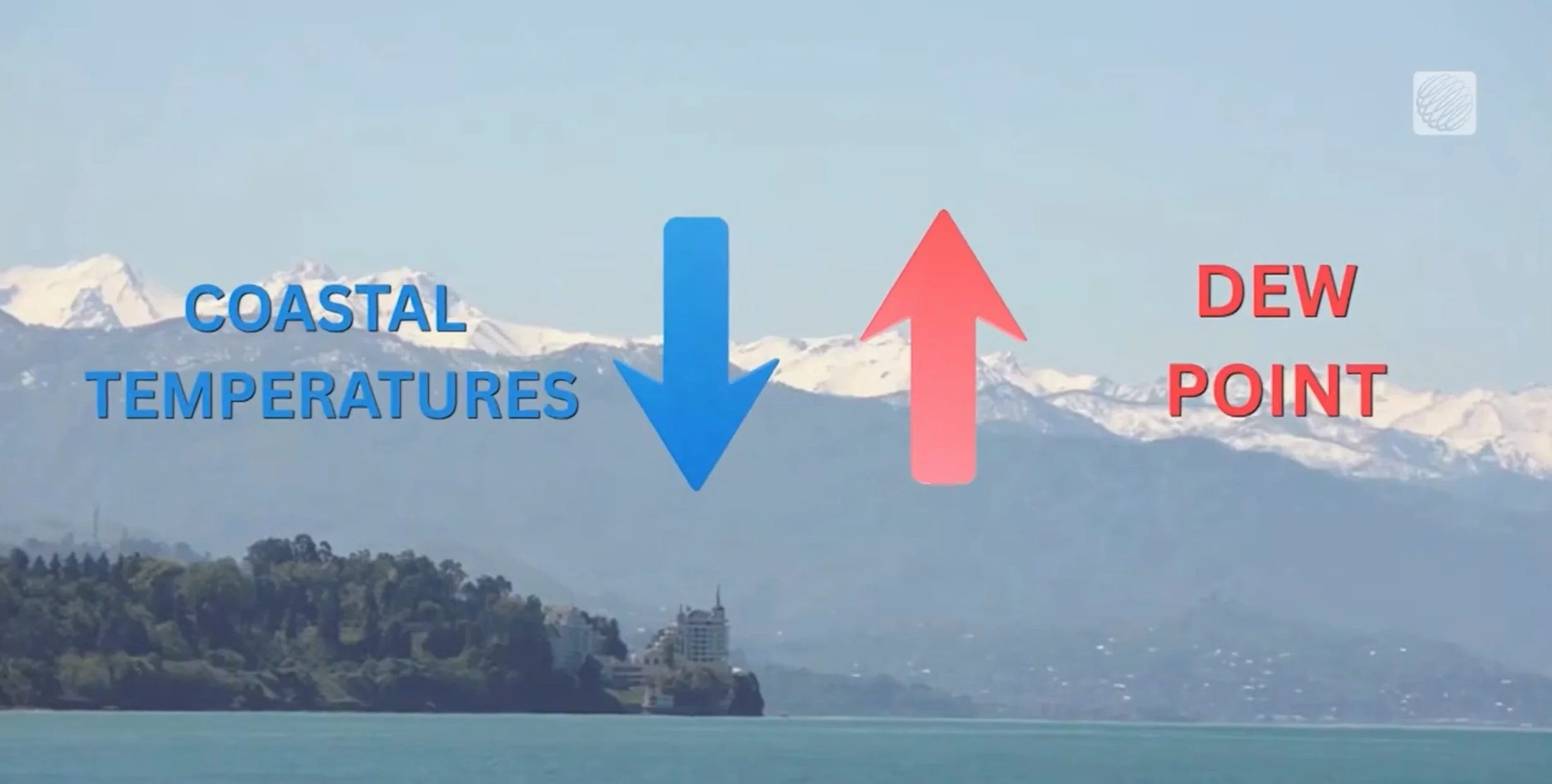
The cool waters of the Pacific keep coastal temperatures lower and dew points higher, making fire behaviour less severe near the coast compared to the explosive heat inland. But when a major high-pressure heat dome builds, sinking air creates a rigid ceiling in the sky. That invisible ceiling squishes heat and wildfire smoke right down to the ground where we live and breathe.
RELATED: Wildfire pollutants contaminate our drinking water long after fires stop burning
Our usual winds actually blow smoke away from the coast, so bringing it here requires a massive atmospheric flip. That’s where the ocean comes in. The giant contrast between scorching interior air and cool ocean waters creates a weather feature called a thermal trough. Think of it like a massive atmospheric vacuum—it literally sucks smoke from inland fires right into the Lower Mainland
Once that smoke arrives, B.C.’s complex mountain terrain acts like a maze, trapping the haze in our local valleys. But the ocean adds another twist with a daily "coastal washing machine." As fire activity peaks in the afternoon heat, a strong sea breeze acts like a broom, pushing smoke inland. At night, the cycle flips, and winds flush that stored smoke right back over coastal communities.
So, the next time your skies shift from blue to orange out of nowhere, remember: it’s the constant atmospheric tug-of-war between the Pacific Ocean and our hot interior pulling the strings.