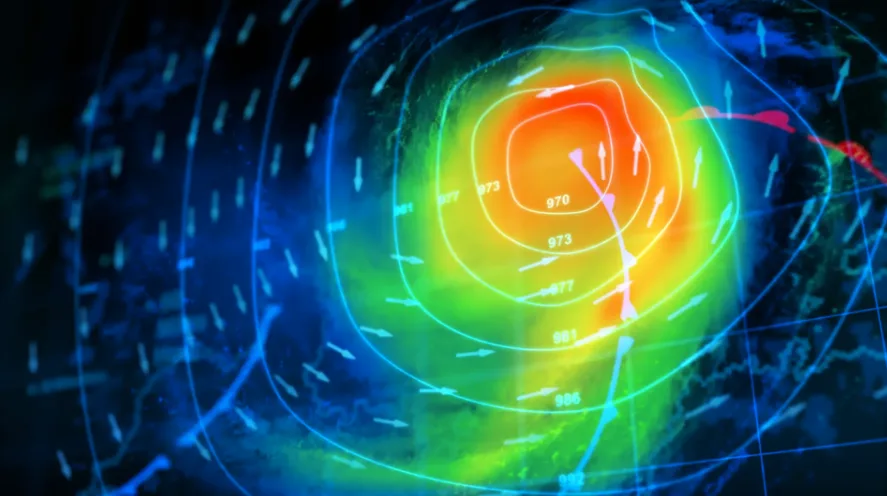
AI is revolutionizing weather forecasting — but it won’t solve the weather

Artificial intelligence is transforming how forecasts are created. But even the most powerful AI cannot eliminate the uncertainty that comes with predicting the atmosphere.
“Is AI going to take your job as a meteorologist?”
It’s one of the questions I’m asked most often these days.
The short answer?
No.
But that doesn’t mean AI won’t change the job. It already is.
Weather forecasting has been highly automated for decades. Computer models already process enormous amounts of data and predict how the atmosphere will evolve. AI is the next step.
The more interesting question isn’t whether AI will replace meteorologists.
It’s what AI can do for weather forecasting—and where limits remain.
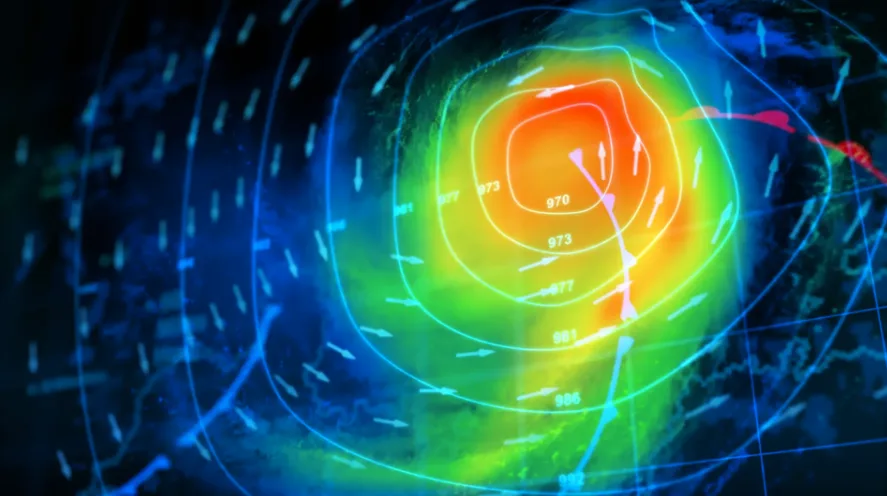
Artificial intelligence is changing how weather forecasts are produced, from processing massive amounts of data to generating forecasts at unprecedented speed. | Credit: Canva
AI is transforming weather forecasting, but not the way most people think
When most people think about AI, they imagine a computer suddenly doing something that wasn’t possible before.
Weather forecasting is different.
We’ve understood the math that describes weather for a long time. For decades, Numerical Weather Prediction models have used a three-dimensional picture of the atmosphere and the laws of physics to calculate what happens next.
DON'T MISS: This AI weather model helped predict 2025’s huge hurricanes
Most of the improvement over the past 40 years has come from better observations, better models and more computing power.
AI takes a different path.
Rather than solving the equations of physics, AI learns its own version of the math from decades of historical weather data.
Five years ago, almost no one thought an AI model could produce a credible global weather forecast simply by learning from the past.
Today, it can.
That is one of the biggest breakthroughs we’ve seen in modern meteorology.
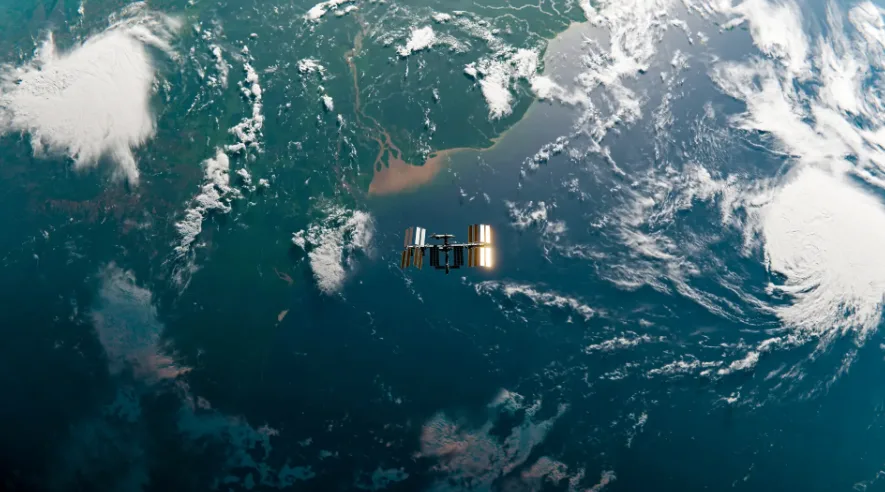
AI-powered weather models can learn from decades of historical weather data to generate forecasts of the atmosphere. | Credit: GettyImages
Why AI matters
Weather forecasting is the ultimate Big Data problem.
Forecasting systems ingest data from satellites, radar, weather stations, aircraft, ships and weather balloons. Without data, AI knows nothing. Given enough history—and enough chances to fail and learn—it can become remarkably proficient.
Training an AI weather model is expensive.
Once trained though, it is cheap and fast.
RELATED: Did you notice? The Weather Network launches first ever AI-assisted avatar
AI models can produce forecasts 10 to 100 times faster than traditional models. That means more frequent updates and many more forecast scenarios.
AI is also improving accuracy, but not nearly as dramatically. Forecasts won’t become 10 or 100 times more accurate.
Unfortunately, the weather doesn’t work that way.
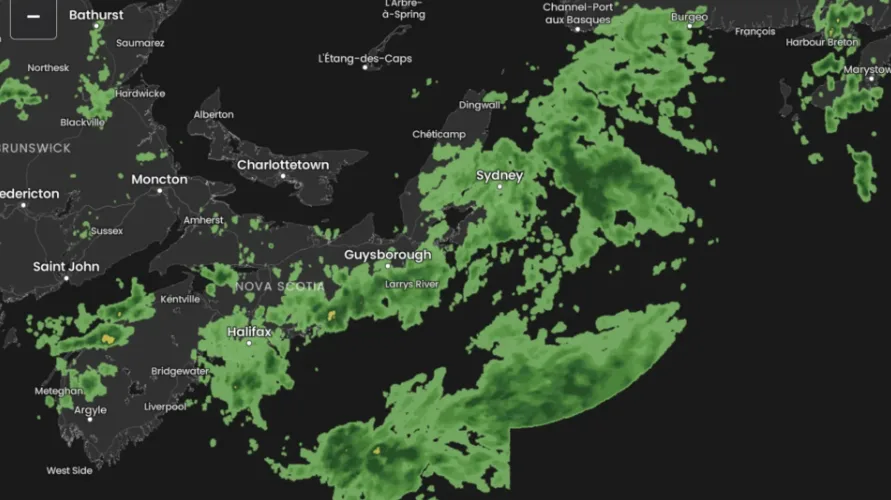
Radar map displaying rain movements in Nova Scotia. | Credit: The Weather Network
AI won’t create a perfect forecast
Weather is a chaotic system.
Small differences today can lead to much larger differences several days from now. That is why different models still produce different forecasts.
AI can help us assess more outcomes and push the boundaries of accuracy. But it will not make every five-day forecast perfect—or tell you which week to book your vacation three months from now.
What people ultimately want is a yes-or-no answer: Will it rain between 2 and 5 p.m. three days from now?
I would like that too!
AI will help us refine the answer. But the weather is still the weather, and forecasting will always involve words such as chance and probability.
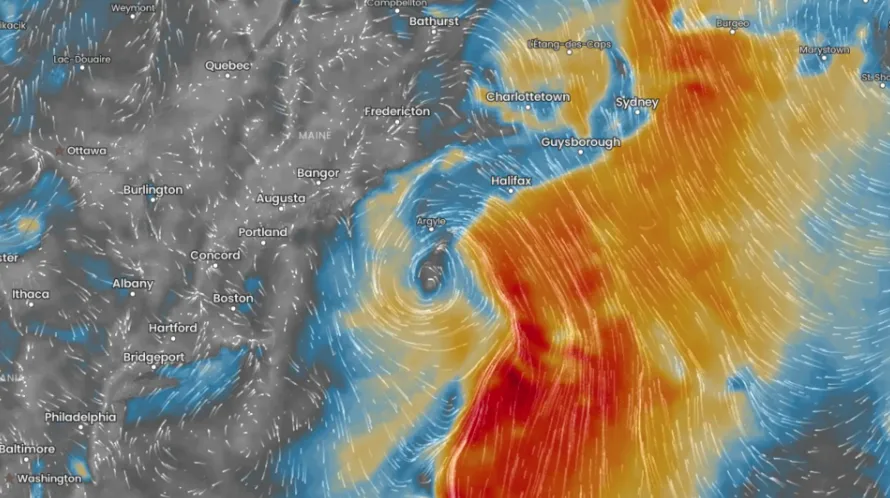
Radar map displaying wind forecast in Nova Scotia | Credit: The Weather Network
Where the biggest opportunity may be
At Pelmorex, we have used forms of AI for years to improve forecasts where weather-station observations are available. We have also trained our own global AI forecast model, building on technology from Google DeepMind.
The area I’m most excited about is nowcasting: predicting weather over the next few minutes and hours.
Radar tells us where precipitation is now. Forecast models tell us how precipitation will change. AI is very good at combining the best qualities of both.
That creates an opportunity to improve forecasts of when precipitation will start, how intense it will be and when it will end.
But there is a challenge.
To have AI judge which forecast is best, we need to define “truth.” That is harder than it sounds. Weather stations, radar and satellites each see the atmosphere differently and have limitations.
Building a better picture of what is happening now will be critical.
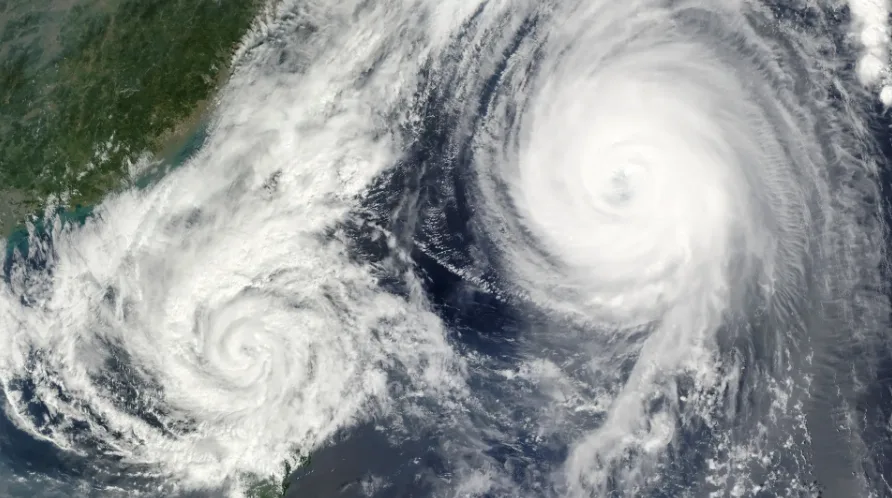
Meteorologists use multiple forecast models, observations and their expertise to assess different possible outcomes | Credit: GettyImages
What changes for meteorologists?
AI and physics-based models are built differently, but in practice they look remarkably similar. Both have strengths and weaknesses.
Both physics and AI models can out-math any person.
But different models give different answers.
This is where experience and judgment still matter.
On quiet days when models agree, there may be little reason to intervene. The greatest value comes during high-impact weather, when the models disagree and the message matters most.
During Toronto’s record-breaking snowstorm last January, our team forecasted higher amounts based on experience with lake-effect snow from Lake Ontario. When models shifted north, the team quickly updated the forecast before anyone else.
The meteorologist role will continue to change—toward overseeing automated systems, evaluating performance, directing how AI learns and intervening when necessary.
That is not a break from the past.
Meteorology has been embracing automation for decades.
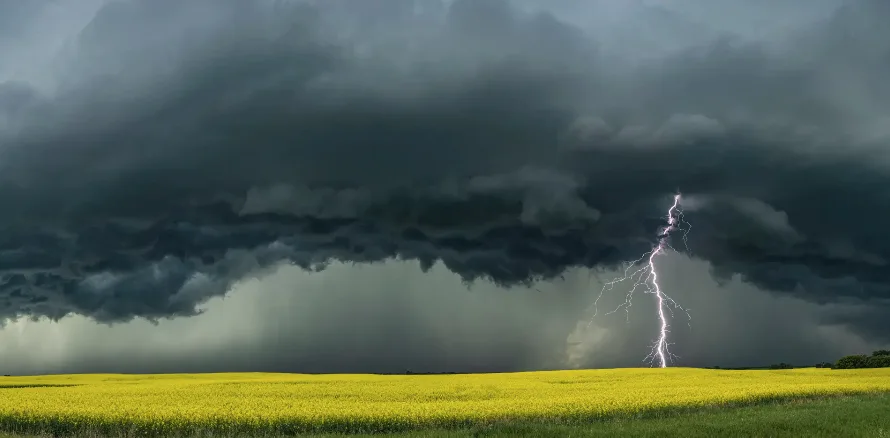
AI is becoming another tool in the meteorologist’s toolkit, helping forecasters evaluate more possibilities and identify patterns in weather data. | Credit: GettyImages
Building trust in an AI-powered future
People don’t necessarily need to know whether a particular forecast value came from an AI or physics-based model. Both reach similar answers by different routes.
What people do need is confidence that those tools are being used appropriately.
RELATED: How AI can change the game for snow squall forecasts
At Pelmorex, meteorologists oversee the process. We test new systems and evaluate where they add value. We won’t implement technology simply because it is new. It has to improve the forecast.
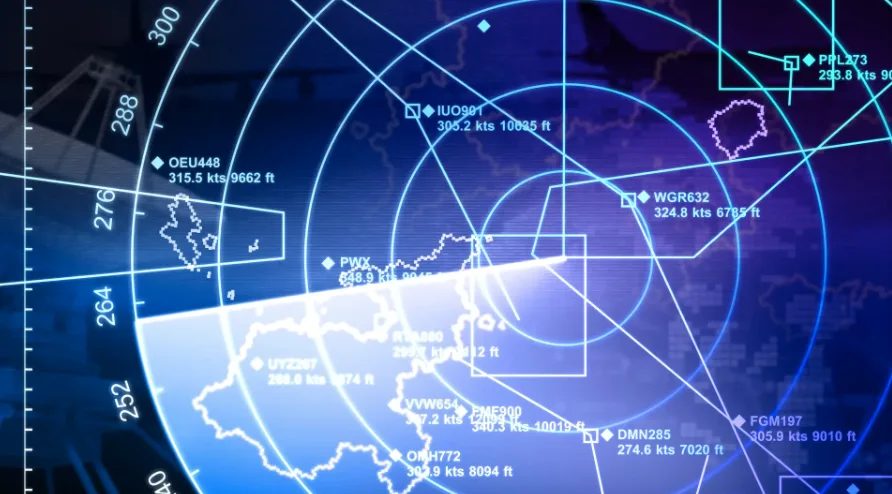
The future of weather forecasting will combine increasingly powerful AI with human expertise and meteorological judgment. | Credit: GettyImages
What comes next?
Over the next decade, AI will become part of nearly every stage of forecasting.
Forecasts will run faster.
More scenarios will be possible.
Nowcasts will become more precise.
Weather information will become increasingly personalized.
The improvement may not look dramatic year to year. Forecast progress comes through small steps that add up over a decade.
AI won’t make the atmosphere less chaotic.
It won’t eliminate uncertainty.
And it won’t solve weather forecasting.
But used responsibly, it will help meteorologists steadily improve accuracy, communicate risk more effectively and help people make better decisions when the weather matters most.