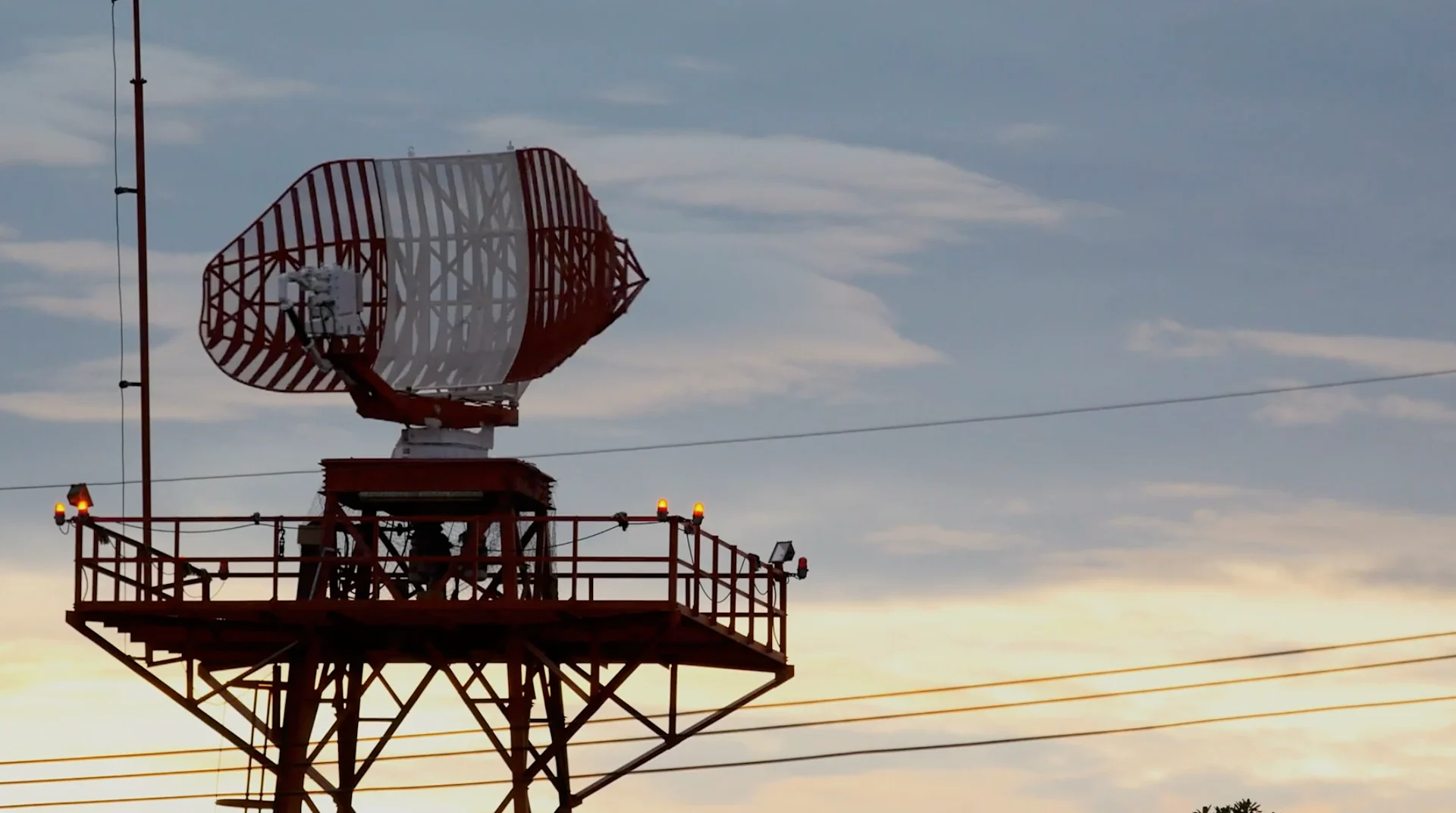
Could federal budget cuts put Canadians' safety at risk?

Following the 2025 federal budget, Environment and Climate Change Canada is facing a $1.3 billion reduction, leading to the elimination of its critical radar science team.
Radar was invented halfway through World War II, and since then, we’ve managed to refine it to a point that we can tell the difference between rain and snow from 200 km away deep inside a thunderstorm. That doesn’t mean that we’ve reached the end of the research and innovations, far from it.
Here in Canada, there’s a potential problem incoming that the radar didn’t see.
Getting in close to a tornado or even identifying a rotating storm relies almost completely on radar, especially when you can’t see the core thanks to rain or haze. That means that getting the best information at the fastest rate possible is critical.
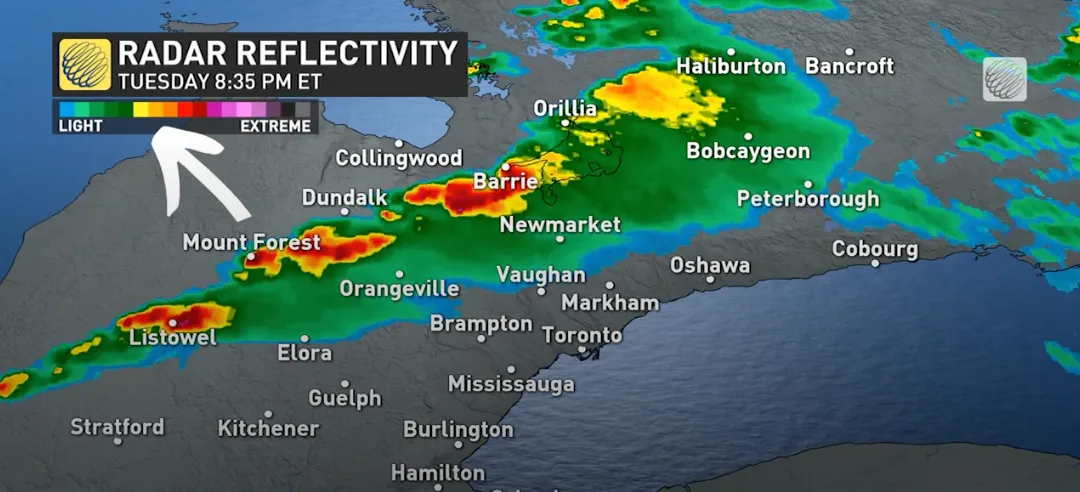
Example of radar reflectivity in a public weather forecast. (The Weather Network)
It also means that radar must be available.
Canada recently spent $180 million on new S-Band radars to replace the old C-band systems that we’ve been using since just after World War II. One important difference between the two is that the newer, S-band radars can “see” further and are much better at distinguishing features within the storms, like rotation and the size of hail, but there’s a lot more to them than just that.
RELATED: Storm spotters are the missing link in severe weather safety
However, while the hardware of the radar network is now built, the internal systems are not utilizing the full capabilities of the systems yet.
This is where the problem comes in, and it’s more of a money and politics problem than a weather one.
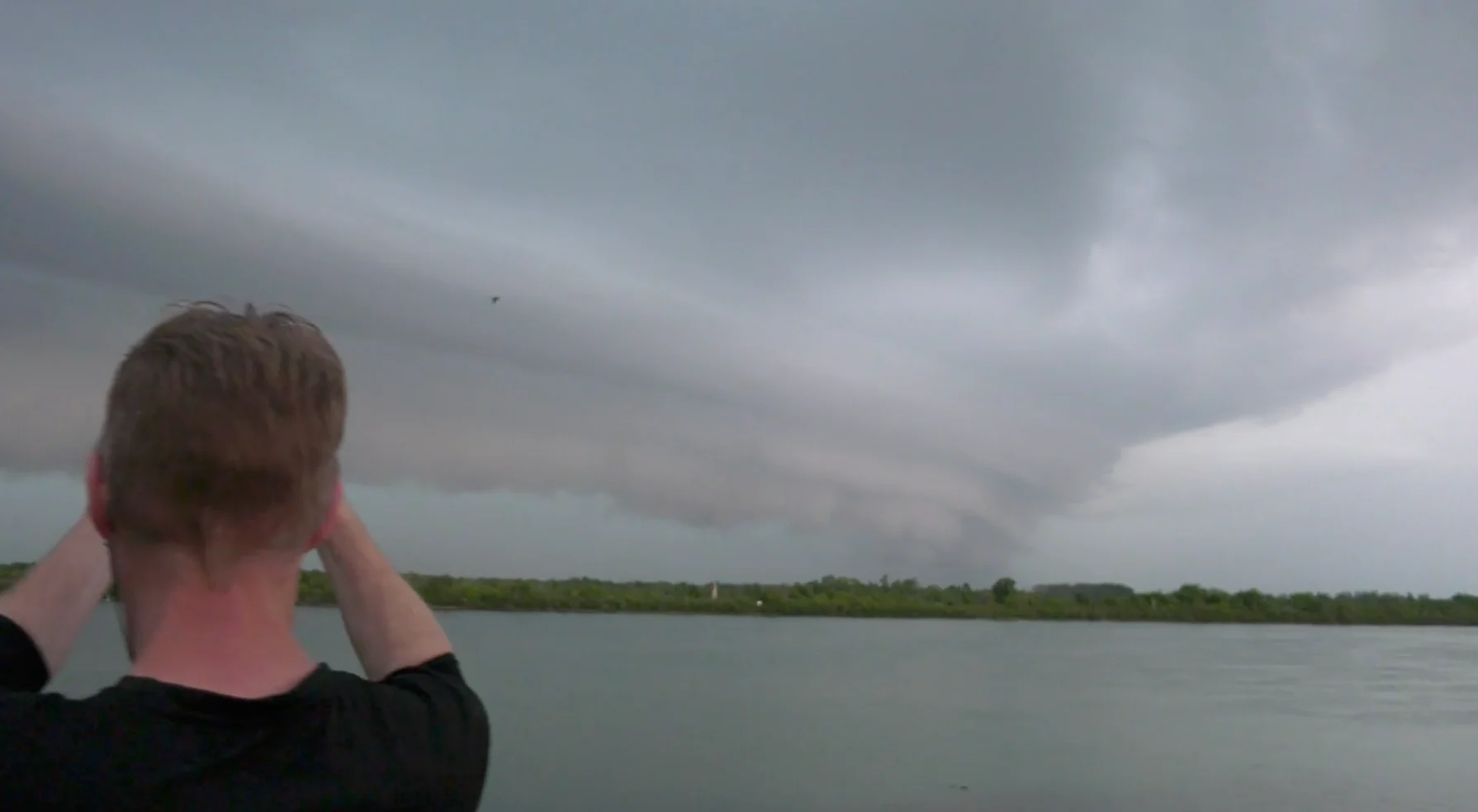
Radar is one important tool forecasters use to spot severe weather events, such as tornadoes, and to then relay that information to the public. (The Weather Network)
The federal budget brought in during 2025 and the Spring Economic Update have put a real squeeze on large areas of the government. Major cuts to the agency intend to reduce the budget for Environment and Climate Change Canada (ECCC) by approximately $1.3 billion, and that means 800 positions will be cut by 2030. ECCC made the decision to immediately disband the High Impact Weather Research, the section that deals with weather radar’s software and upgrades.
Head of the Canadian Severe Storms Laboratory at Western University, Dr. David Sills, fears that these cuts will affect the operations of the new radar systems.
“The radar science team was very involved in setting up those radars and putting together the scanning strategy for the radars," he told The Weather Network. "But the work’s not done. So, we’re kind of stuck with the radar that we have, and it’s just not working to its full potential.”
I compared it to having an iPhone 17 running on iPhone 12 software. Sills laughed and explained, “It’s not just the software; it’s also the signal processing. There’s a lot of work over the years that’s been done to improve the quality. That’s one of the areas of focus for radar scientists, and after that’s done and you have the data, then there’s the software part that says, 'What can we find in this data?' Those are two areas that scientists work in, and both are critical to getting good warnings out to the public.”
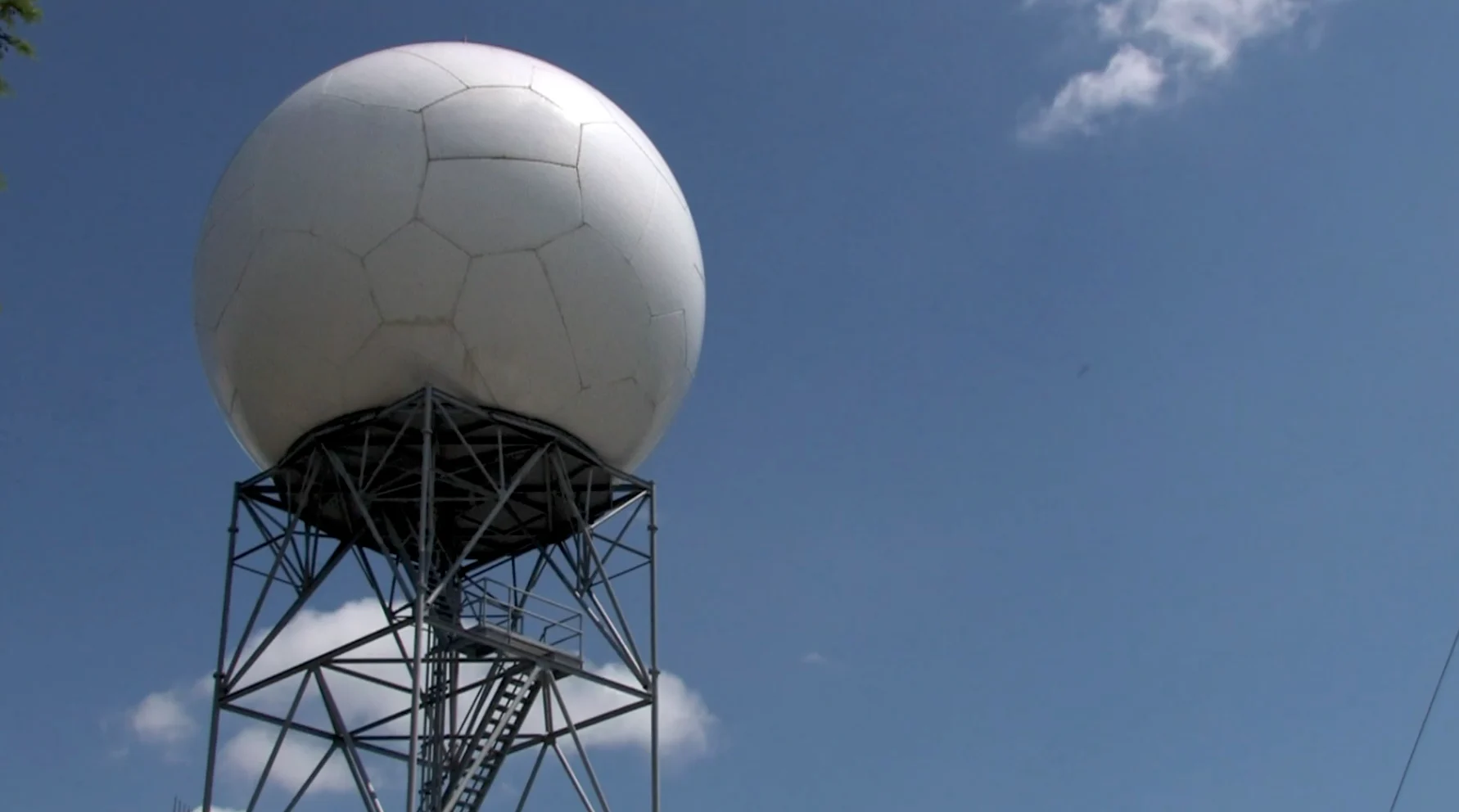
Following the 2025 federal budget, Environment and Climate Change Canada is facing a $1.3 billion reduction, leading to the elimination of its critical radar science team. (The Weather Network)
I reached out to ECCC for comment, and they responded with a letter stating in part, “…while changes to certain areas of applied research related to radar technologies have been made, the department will continue to deliver the scientific and technical expertise required to maintain the current radar network and preserve its essential functionalities.”
Sills, however, points out that this situation is akin to losing out on getting the most out of our $180 million investment.
“The science team has taken decades to build up that kind of expertise," he explained. "You need special skills in engineering and meteorology and being able to put that all together. Once you have a team in place, it’s really difficult to replace it.”
ECCC also states that they “remain committed to maintaining a modern, high-quality weather service for people in Canada by working closely with leading Canadian research institutions to support innovation and meet its science needs.”
Sills, however, thinks that this approach will have some problems.
“We need the radar scientists there to be able to work on the issues, to get the data quality up, and to make the job that much easier for forecasters to get the warnings out," he said. "Our new radars are actually better than the American ones, and you’d expect so given that they’re new and the US is working with late 1980s technology. Still, the Americans have done an amazing job with what they have. But it's a big job to understand our new hardware and what those radars can do.”
He added, “The radar team has been small since the new radars went in, and now it’s not there at all. So, the progress has been slower than it could have been if we’d had a bigger team, and if the team doesn’t come back, we’re stuck at where we are now. It’s a radar system that’s working at a basic level but certainly isn’t giving us what that radar system could.”
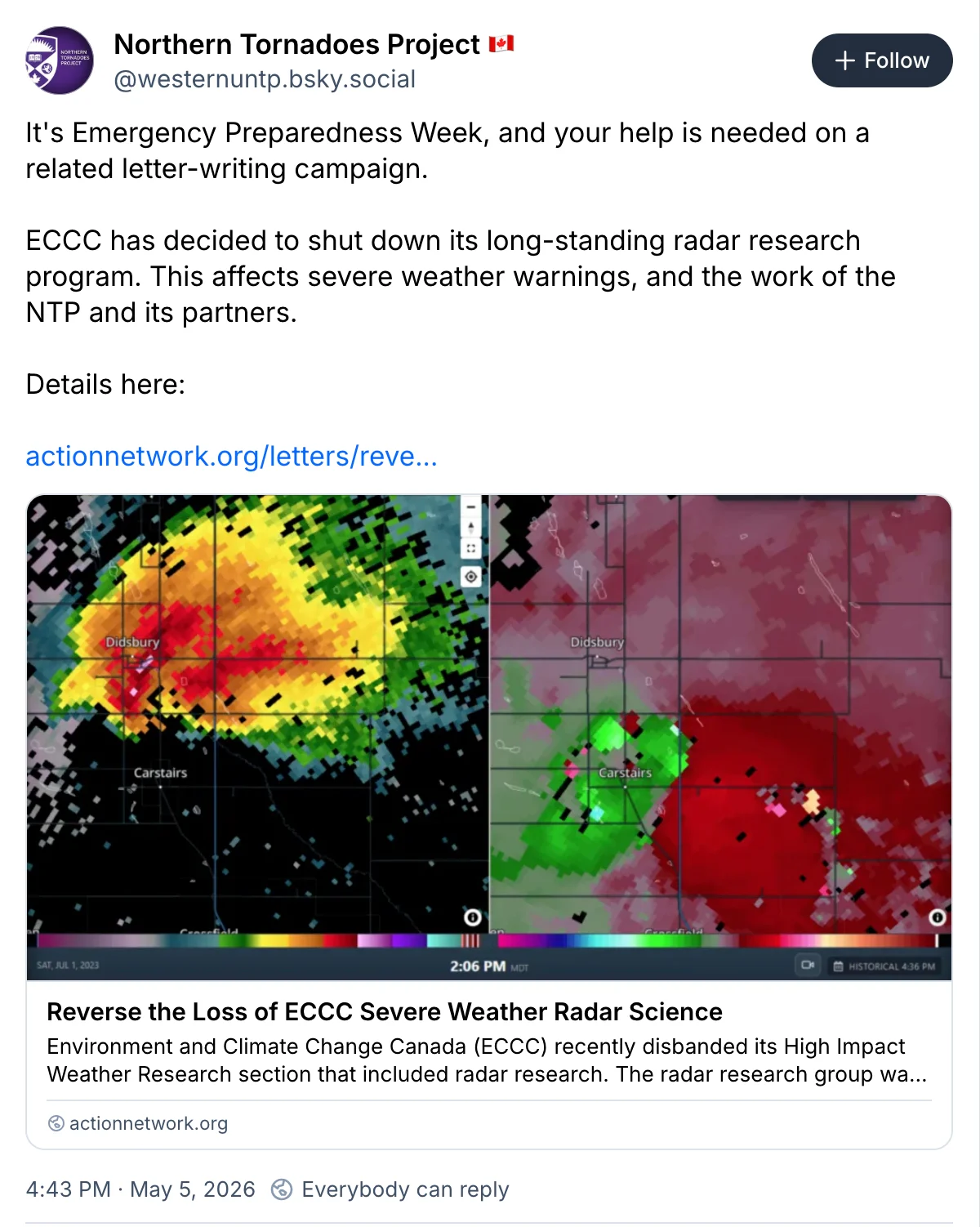
(Source: Northern Tornadoes Project/Bluesky)
Sills wants to see the radar science division maintained at ECCC, and to that end he’s begun a push to get information out to the public and to ask the Minister of the Environment, the Honourable Julie Aviva Dabrusin, to reconsider her decision.
“We’ve got a letter-writing campaign so that people can reach out to the minister and let her know that there needs to be a radar science team, like there has been for decades, supporting the new radar system. It needs to be resourced to an extent where they can do the work that is necessary,” Sills said.
You can add your letter to the campaign by clicking here.