
Shackleton’s lost ship 'Quest' rediscovered: A Canadian-led expedition

John Geiger's new book chronicles his journey to find The Quest in Canadian waters, reviving the story of legendary explorer Ernest Shackleton
Imagine being 400 metres below the surface of the ocean, able to see only the crushing darkness through a tiny porthole. As you creep along the muddy ocean floor, the hull of a ship gradually emerges from the gloom.
For many, this is the epitome of thalassophobia, the fear of deep water, but for John Geiger, CEO of the Royal Canadian Geographical Society (RCGS), it was the culmination of years of searching. He was seeing the wreckage of the famous explorer Ernest Shackleton’s lost ship, the Quest, with his own eyes.
Back when I visited Shackleton's hut on the Antarctic Peninsula, I felt a personal connection to his story. So when I heard that John was part of the expedition that found the Quest, and that he’d recently published a book about it, I jumped at the opportunity to interview him.
A Brief Background on Shackleton
Ernest Shackleton was one of the greatest Antarctic explorers of the 20th century, and many consider him to be the greatest polar explorer of all time. His legendary Antarctic adventures on the ship Endurance, followed by the harrowing fight for survival after the vessel sank, are part of his lore.
Less well-known is Shackleton’s fascination with the Arctic. He was deeply curious about exploring the North and sought to conduct extensive scientific comparisons between polar regions.
To this end, Shackleton had meticulously planned an Arctic expedition for 1922. However, only weeks before departing, the Canadian government withdrew its funding.
“It was a whole sequence of events involving another explorer, Vilhjalmur Stefansson, who worked to undermine Shackleton’s plans,” Geiger explained. “There’s a whole drama around the defeat of his dream to explore the Canadian Arctic.”
“I feel that we, as Canadians, lost a great deal. We lost the opportunity to be directly and meaningfully associated with one of the greatest polar explorers ever. He even considered moving to Canada—two of his sisters had already settled here.”
The Quest and Shackleton’s Final Expedition
Having lost the opportunity to explore the Arctic, Shackleton’s focus returned to Antarctica. However, the chain of events leading him back to the southern continent also ultimately resulted in tragedy.
“He had tremendous difficulty with the ship,” John said of the Quest, the vessel Shackleton chose for this ill-fated expedition. “The engine kept breaking down, and the crew suffered from constant seasickness. Really, Quest was a ship better suited to the Canadian Arctic, not the Southern Ocean.”
When Shackleton reached South Georgia Island—the staging point for Antarctic exploration—he suffered a sudden heart attack aboard the Quest in 1922, bringing an end to both his voyage and the Heroic Age of Exploration.
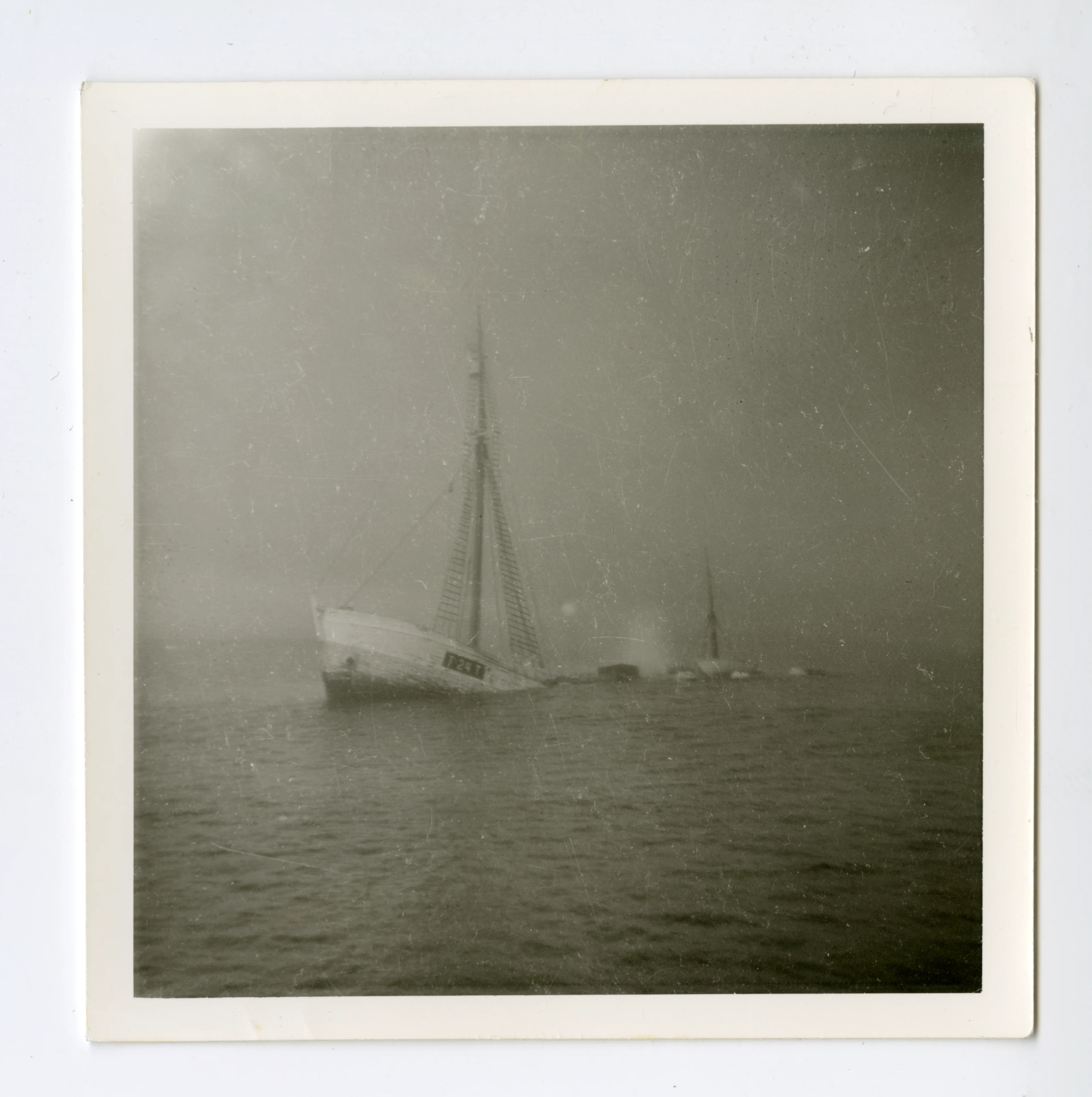
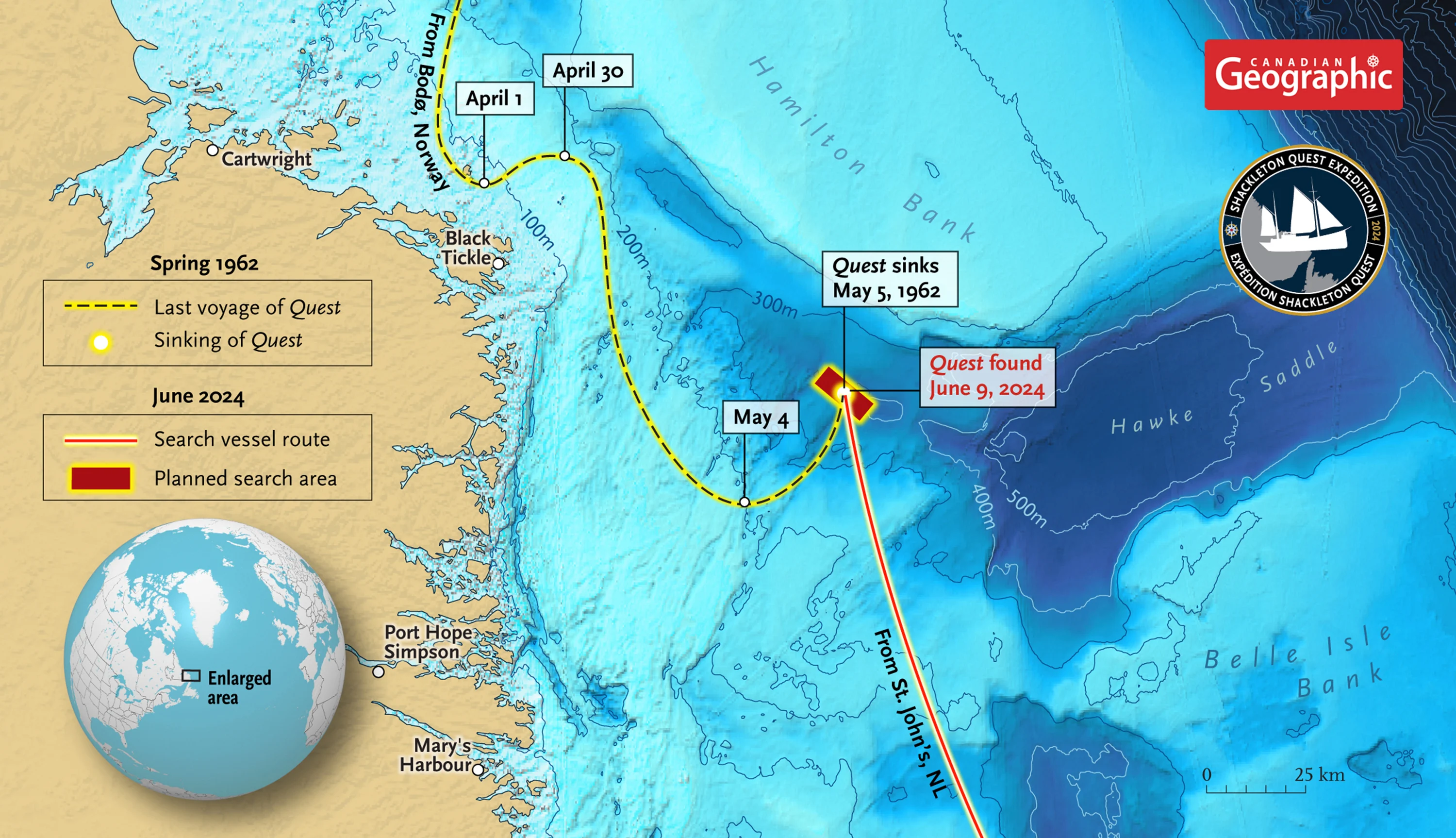
The Quest went on to serve in a variety of roles, including as a minesweeper during the Second World War. In 1962, on a seal-hunting trip off the coast of Labrador, the ship struck ice, took on water, and sank to rest at a depth of 400 metres in the Labrador Sea.
(Royal Canadian Geographical Society)
Locating the Quest
“When I learned the Quest sank in the Labrador Sea, I thought, ‘This is a Canadian story now, and we should be the ones to find the wreck,’” Geiger explained.
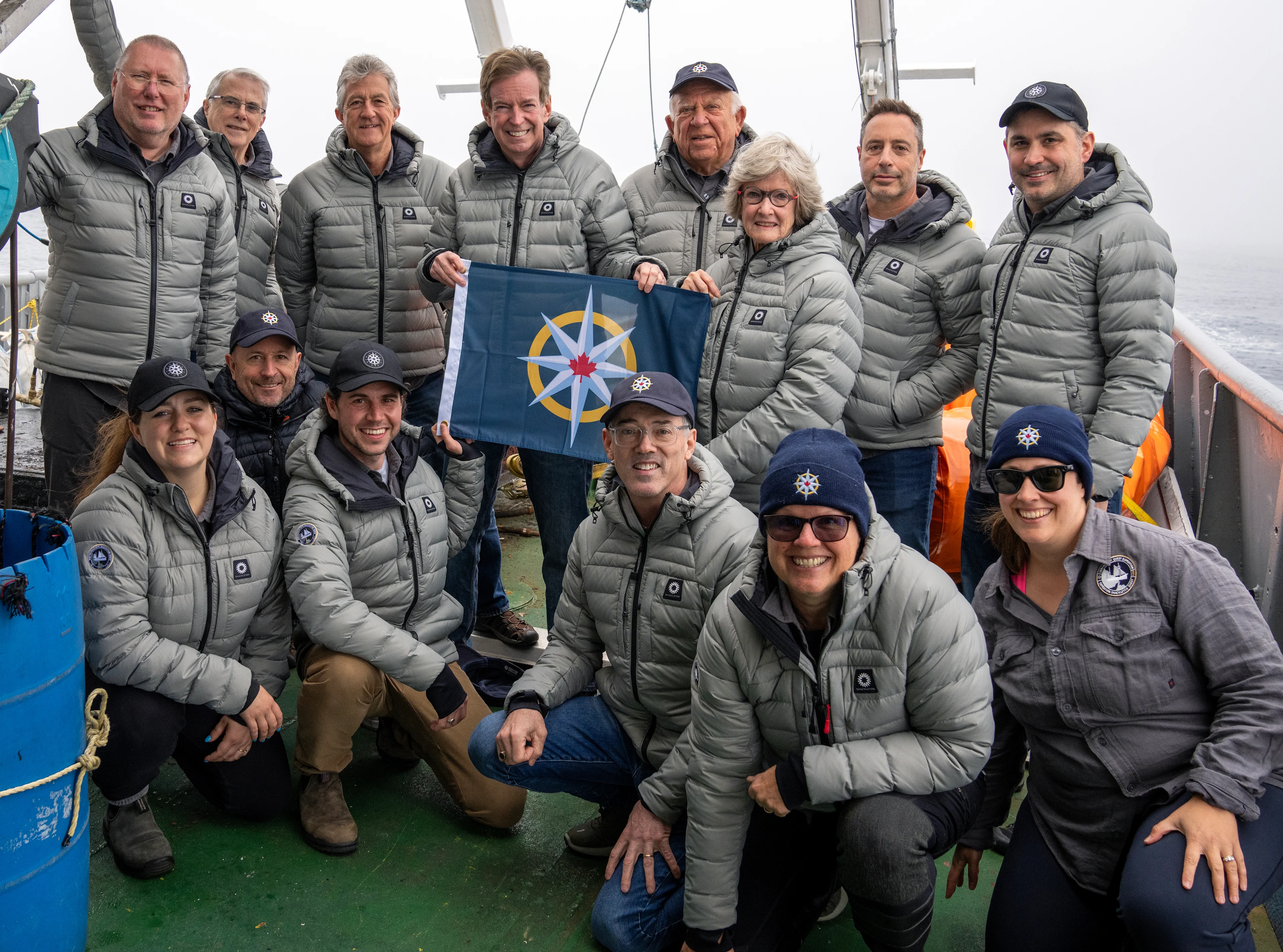
In 2021, he organized an expedition through the Royal Canadian Geographical Society that successfully located the Quest. The discovery garnered global attention, but the initial imagery of the wreck obtained via sonar was rudimentary. Determined to learn more, Geiger led a second expedition in the summer of 2023. Dubbed the Heroic Age Expedition, it aimed to survey the wreckage using the submersible Alvin onboard the research vessel Atlantis.
(Royal Canadian Geographical Society)
Alvin, widely regarded as the most famous of all submersibles, has a storied legacy. It was the vehicle that brought the first explorers to the wreck of the Titanic and has been used in expeditions by renowned figures like James Cameron and Robert Ballard.
“It was the biggest expedition in RCGS history,” Geiger said proudly. “And we were successful in fully surveying the wreck. I was on the very first Alvin dive.”
When asked what it was like to see the Quest in person, he described the moment vividly:
“We spent about three hours down there, creeping along the ocean floor through the darkness. Then, suddenly, the bow of the Quest emerged. It was so powerful and personally meaningful. This was the ship Shackleton died on, and there we were, perched on its side, looking across the decking he once strode upon.
“It was historic—to be the first to lay eyes on the Quest after so many years.”
(Royal Canadian Geographical Society)
Canada’s Lost Opportunity
While Shackleton’s legacy is often most closely tied to Antarctica, there is a Canadian dimension to his story.
“Canada has a mixed record—putting it mildly—when it comes to Arctic sovereignty,” Geiger explained. “It took a long time for us to take our responsibilities in the North seriously.
“Even in the 1920s, there were threats to whether Canada would retain sovereignty over the Arctic islands. The actions of other countries, including the United States, made this an issue. The decision by Arthur Meighen’s government to pull funding from Shackleton’s Arctic expedition—an effort that could have helped assert Canada’s claims—is indicative of the benign neglect we saw at that time.
“I think it’s only recently that Canada has come to fully realize the importance of the Arctic and the necessity of asserting our presence there.”
Learn more about John Geiger's journey to uncover the shipwreck of The Quest in Canadian waters in his recently published book, Quest: Shackleton's Last Ship & the End of the Heroic Age.