New bill could triple NOAA's Hurricane Hunter fleet starting in 2027

The legislation would authorize purchasing up to six new aircraft beginning next year
A bipartisan group of U.S. senators wants to triple the number of NOAA Hurricane Hunter aircraft in the near future.
The Hurricane Hunter Aircraft Recapitalization Act would empower NOAA to purchase up to six new aircraft to add to its aging fleet.
An existing roster of thirteen aircraft is equipped to fly into hurricanes to gather vital information about these storms and the environment supporting them.
DON’T MISS: The incredible history and tools of the Hurricane Hunters
NOAA could operate up to nine Hurricane Hunter planes
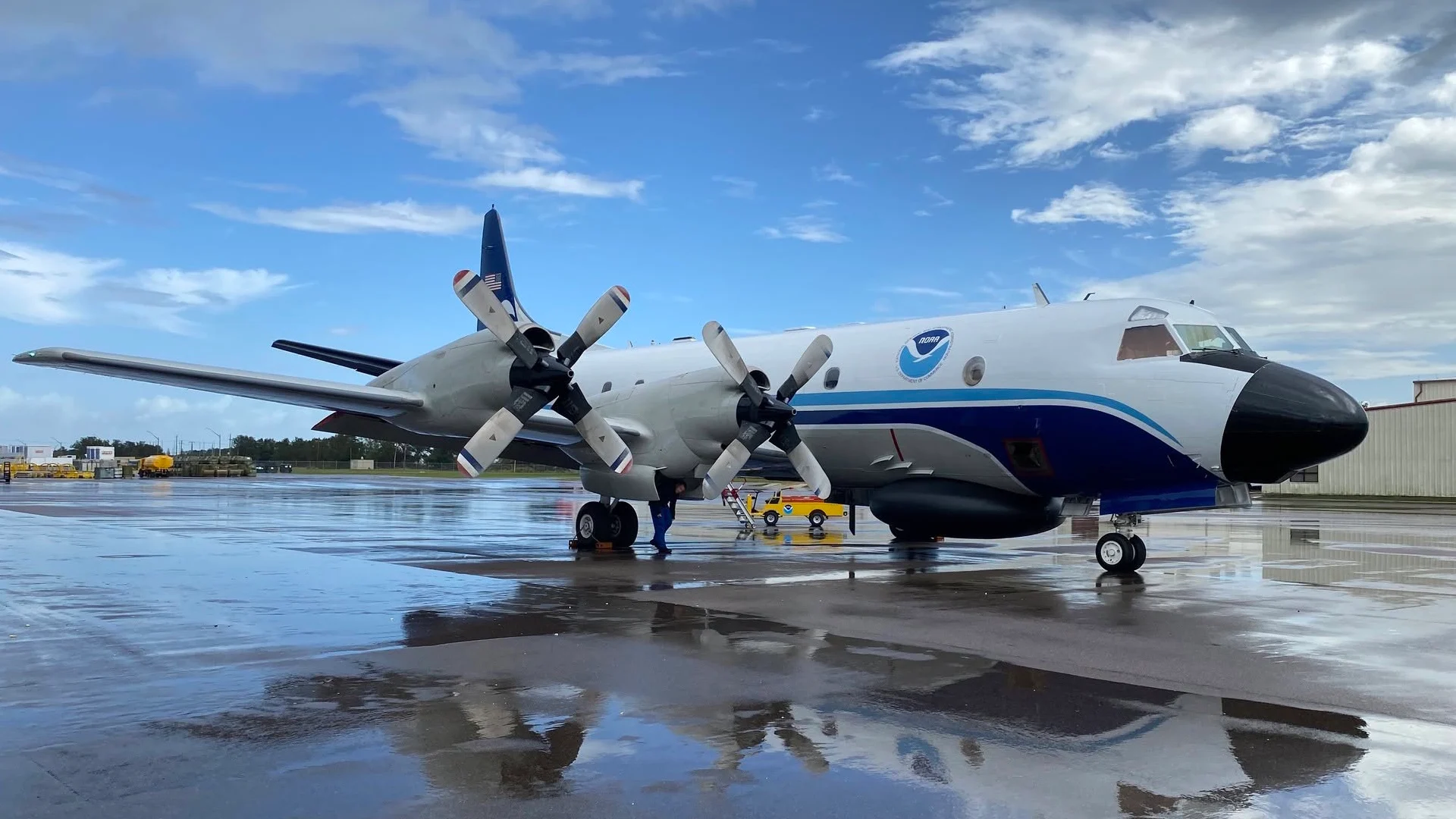
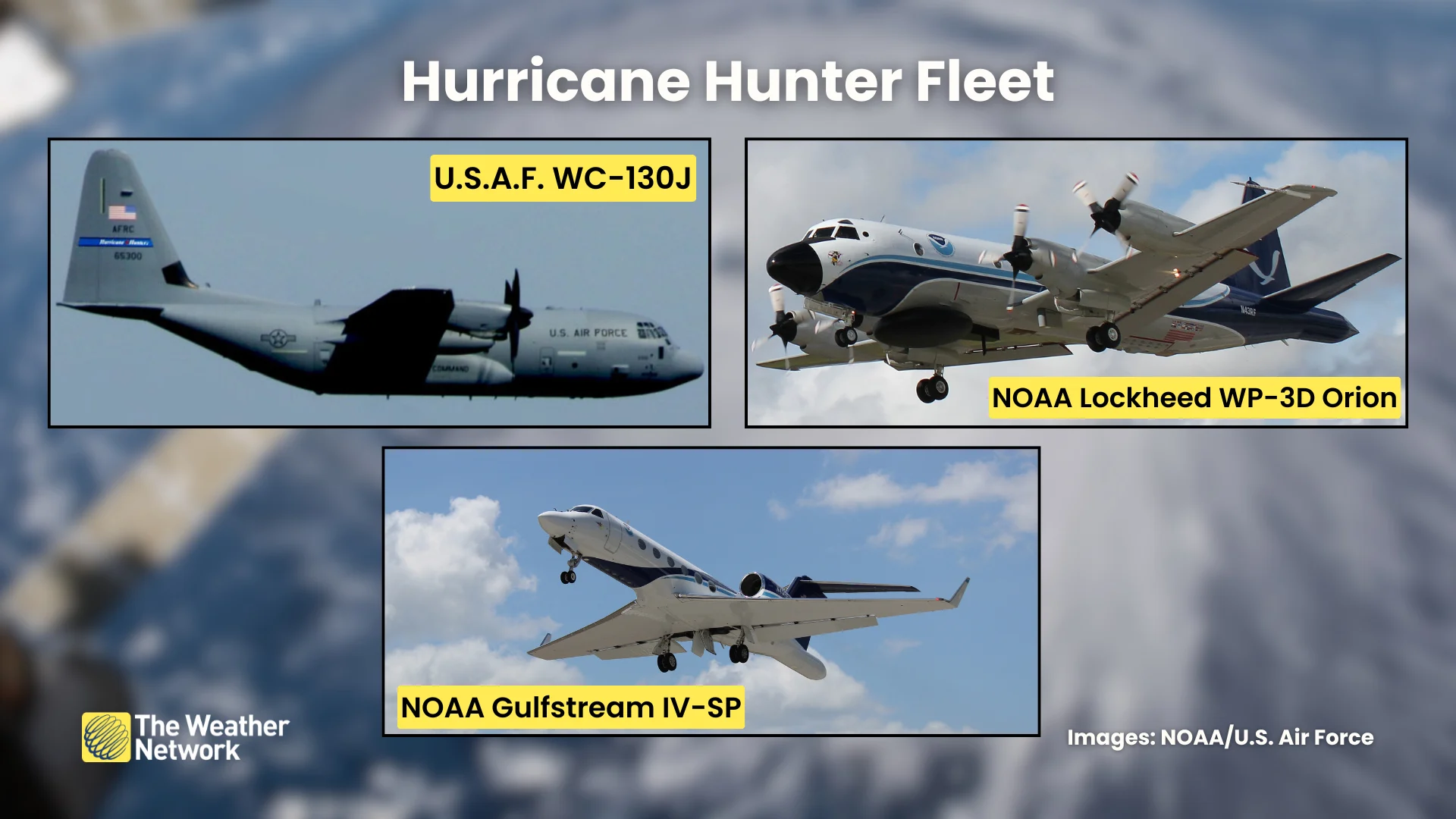
NOAA’s current fleet contains just three aircraft: two WP-3D Orions, which fly directly into storms, as well as one Gulfstream IV-SP which is mainly used to sample the upper atmosphere around a storm.
The pair of WP-3D Orions, both built in the mid-1970s, have each flown countless missions into some of history’s most powerful storms.
According to the text of the bill introduced in the Senate, NOAA would receive funding and authorization to purchase as many as six new aircraft, bumping its total fleet up to nine Hurricane Hunter planes.
If passed, Congress would authorize $2.5 billion (USD) in funding to purchase the additional aircraft beginning in 2027, and provide the agency an extra $45 million (USD) per year through at least 2031 to operate and maintain the upgraded fleet.
Additionally, the U.S. Air Force operates ten WC-130J aircraft that can fly into hurricanes to take observations. These planes are specially modified versions of the common C-130 Hercules found in dozens of military fleets around the world.
Hurricane Hunters provide vital information about budding storms
Planes operated by NOAA and the U.S. Air Force are equipped with numerous instruments and tools to help forecasters understand a storm and better predict its future.
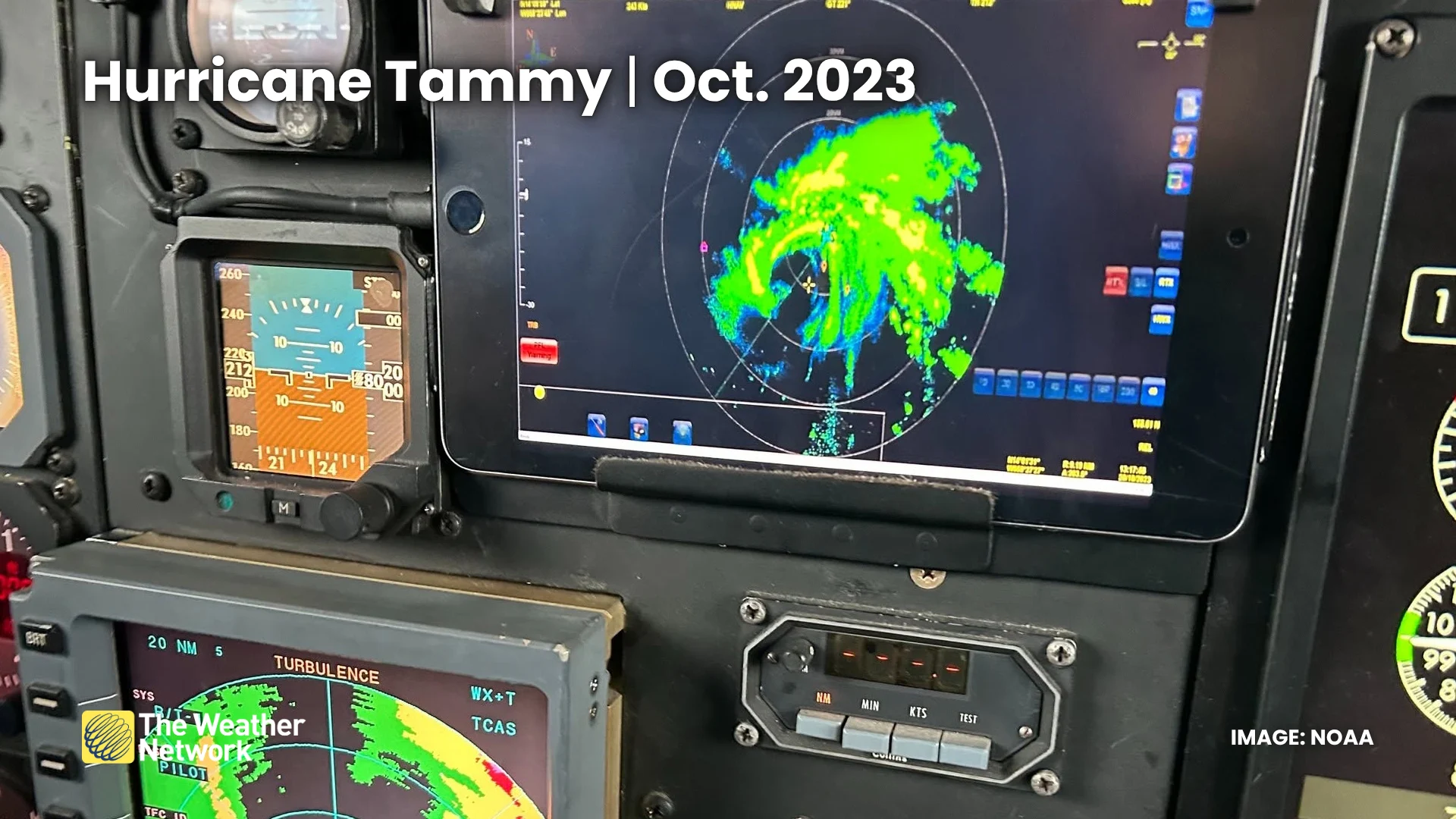
This includes:
Radar to observe the internal structure of the system
Dropsondes to directly measure conditions in and around a storm
SFMR to estimate wind speeds by observing sea foam on the ocean surface
Hurricane Hunter missions are vital for understanding what a storm is doing now, but also because the data collected by these aircraft feeds into computer models to help produce more accurate guidance for forecasters.
Legislation has a long road before becoming law
This bill is at the first step of a lengthy legislative process that can take many months to unfold. Historically, less than 5 per cent of bills introduced in the U.S. Congress ever become law.
If senators decide to take up the Hurricane Hunter Aircraft Recapitalization Act, they’ll debate it in committee before voting to send it to the floor for the full Senate’s consideration.
After passing the Senate, it would head next door to the House of Representatives for that chamber’s review and approval. If the bill passes both the House and the Senate, it would then head to the White House for the president’s signature to become law.