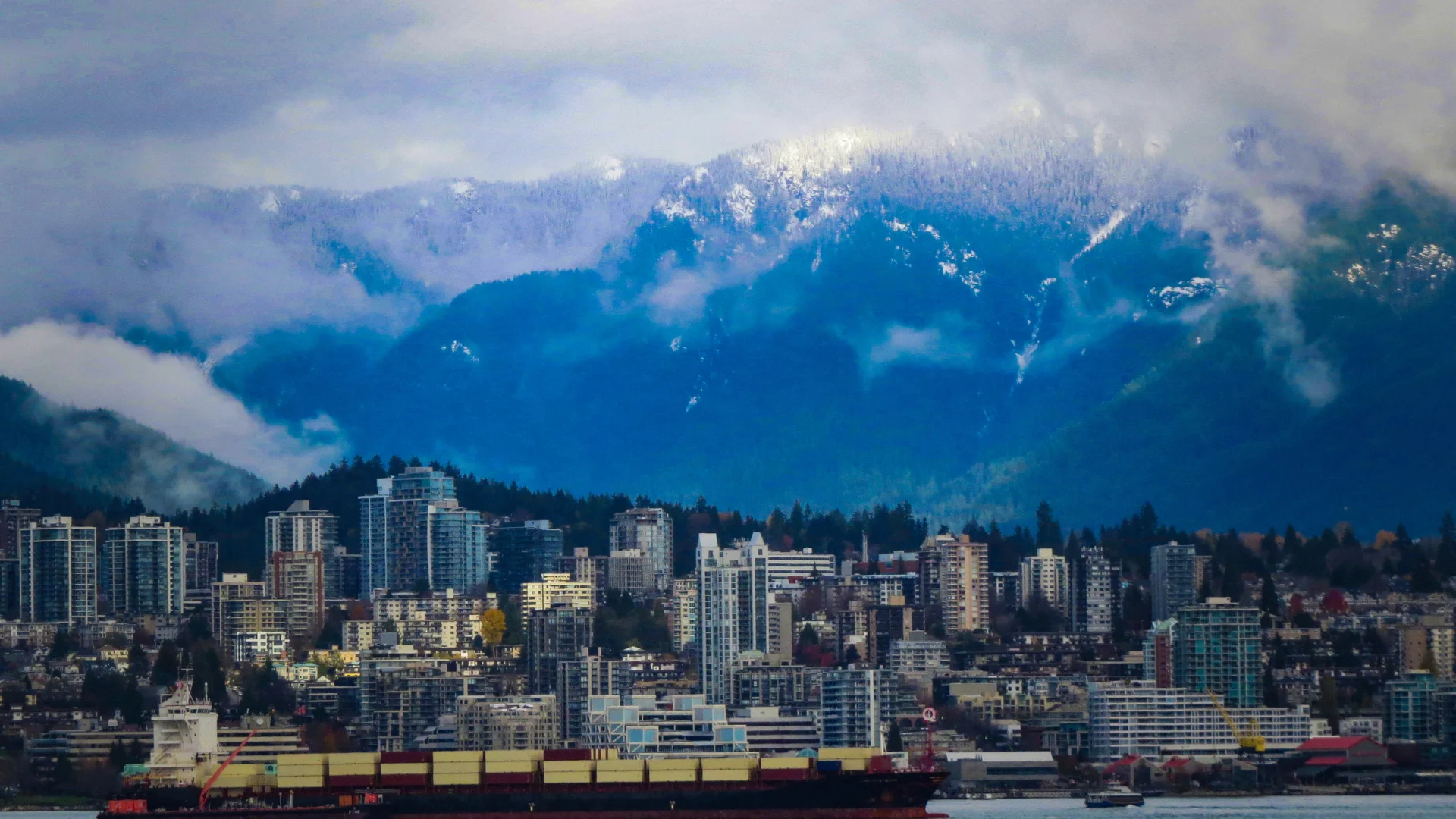
New report predicts catastrophic impacts of megathrust quake in B.C.

The provincial report predicts it would take decades to recover from a magnitude 9.0 earthquake.
Imagine: it’s a hot August morning in Vancouver. The province is in the grips of another summer heat wave and wildfires are raging in the north. Going about your morning, cell phones, including your own, begin going off around you as an emergency alert is sent across the province warning residents to “drop, cover, and hold” for an earthquake. Shortly after, the ground begins shaking with increasing intensity. The violent shaking lasts only a few minutes, but it feels more like hours as the ground heaves and buildings sway around you. Closer to the coast, another emergency alert is being broadcast, warning of an incoming tsunami and urging residents to evacuate to higher ground.
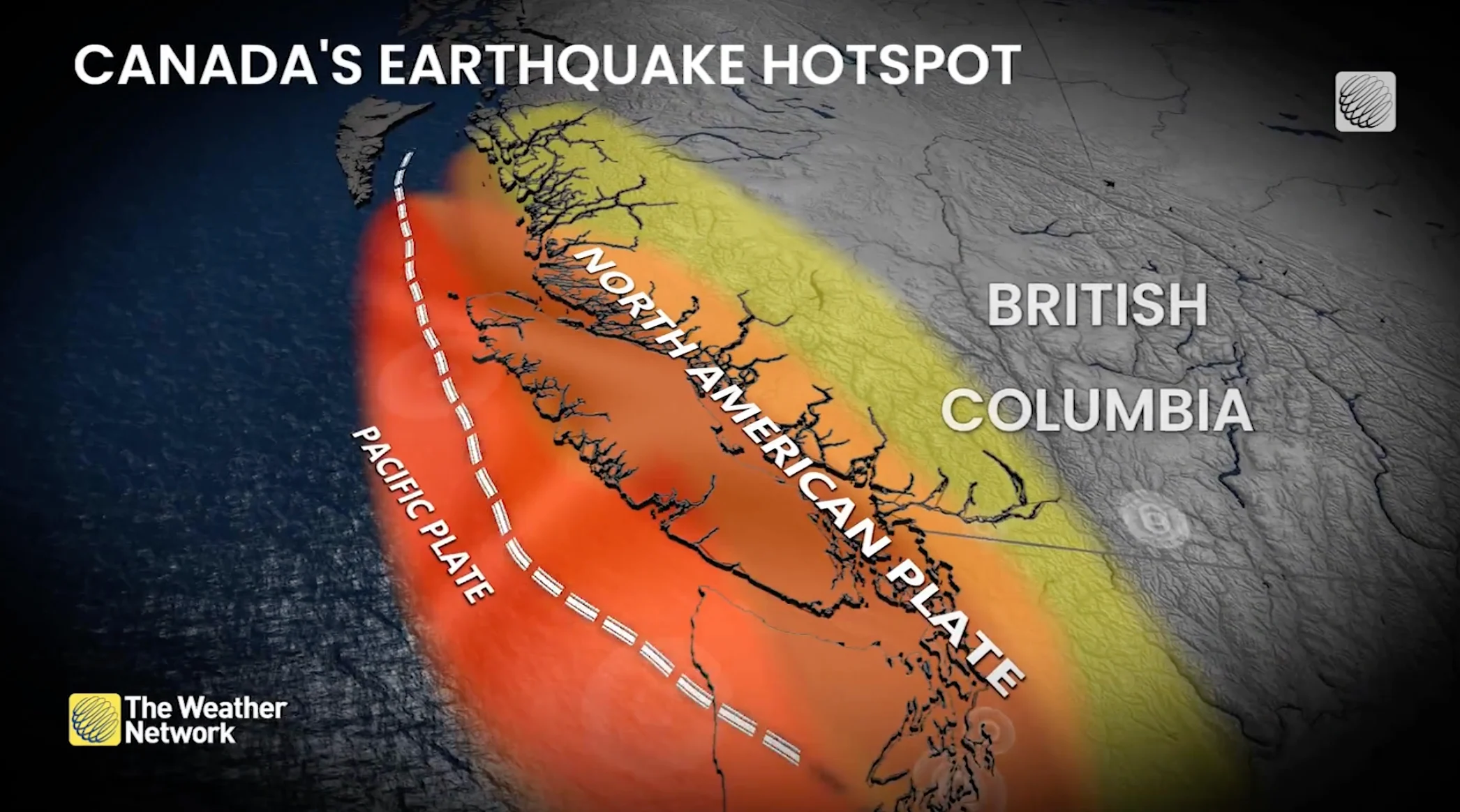
This is the scenario created by ClimateReadyBC in its latest Disaster and Climate Risk and Resilience Assessment report, which was released in October 2025. In this report, simulations were run to predict and assess how British Columbia would fare against the extreme weather and natural disasters that the province is at risk from—including a magnitude 9.0 megathrust earthquake from the Cascadia subduction zone.
SEE ALSO: Canada has launched a new early earthquake warning system: Learn more here
“The Cascadia Megathrust M9.0 Earthquake was selected as a scenario as it is currently one of the more likely earthquake scenarios in B.C., it complements existing scenarios, and it highlights important and less understood insights into the risks and impacts of this unique and inevitable earthquake,” the report reads.
It predicts about 18,000 buildings across Vancouver Island and the Lower Mainland, including Metro Vancouver, would be completely destroyed in the immediate aftermath. Another 10,000 would be severely damaged but still standing. The report also states the worst damage would be across southern Vancouver Island and in older Vancouver neighbourhoods, where the homes and buildings predate modern seismic building code standards.
The report also describes that there would be an initial death toll of about 3,400 but notes the toll would increase by thousands over the coming hours, days, and months after the quake as aftershocks up to magnitude 7.0 shake the region, fires break out, and food and medical care become in short supply.
In addition to $128 billion in total economic losses, the impacts would last for decades.
DON'T MISS: Ancient Canadian fault could produce major earthquakes in the future
It’s not just humans that would be affected by the disaster, either. Coastal systems would be destroyed by the physical impact of the tsunami, and the wave of saltwater rushing inland would destroy freshwater habitats. Landslides would also wreak havoc on forest and mountain habitats.
“Ecosystem recovery in and around the earthquake damage zone takes decades, although some impacts, such as the extirpation of localized species populations, are permanent,” the report hypothesizes.
What are the odds of this happening in our lifetime?
The odds of an earthquake of this magnitude happening in our lifetime are low, but not zero. Current predictions of this happening in the next 30 years are between 2 and less than 10 per cent. The likelihood does increase to 10 to 20 per cent when looking at the next 50 years; however, the annual odds of a magnitude 9.0 earthquake are remote (less than 1 per cent).
“Since stress accumulates on the subduction interface, the likelihood of the next such event increases over time. For example, 50 years from now, the likelihood in the span of 10 years and 30 years will increase to 5 percent (Moderate) and 14 percent (High), respectively.”
The last known instance of a megathrust earthquake from the Cascadia subduction zone was in 1700, which produced tsunami waves that reached Japan.
Thumbnail image submitted by Ron Macdonald.